

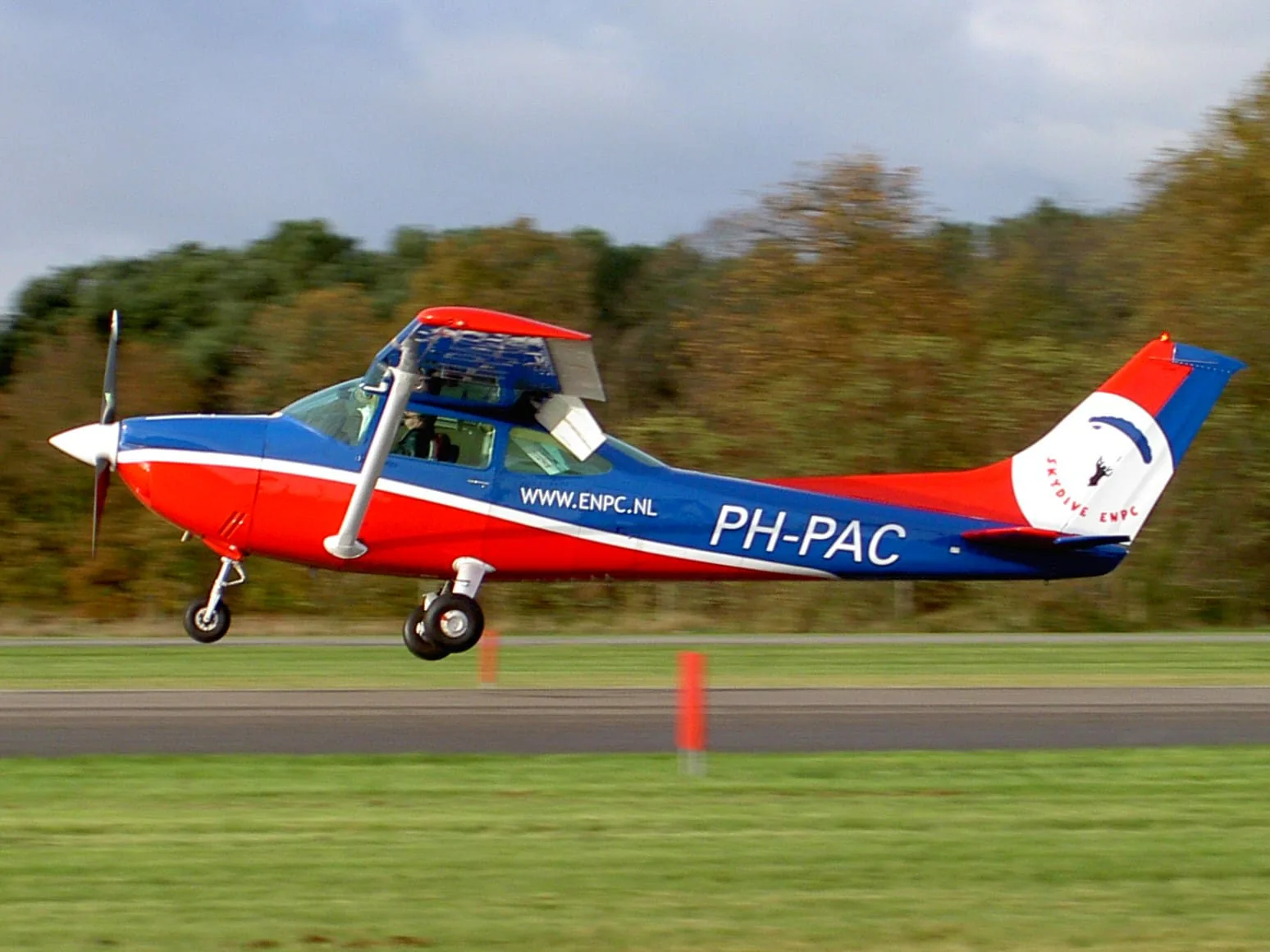
Skydiving aircraft insurance needs to describe the airplane’s actual parachute operation. Give BWI the aircraft owner, operating company, drop zone relationship, proposed pilots, aircraft configuration and intended activity. A policy response prepared for private travel or another commercial use should not be treated as confirmation that jump operations have been accepted. Ask for the review while the business arrangement is being developed, before promising an aircraft or insurance evidence to another organization.
This guide is for jump plane owners and aircraft operators preparing an insurance submission. It distinguishes the airplane program from individual skydiver protection, parachute equipment and the drop zone’s broader business. It provides no operating procedures. Qualified aviation and parachuting professionals should establish the operating plan and applicable requirements; the insurance discussion needs the resulting accurate facts.
For the broader business discussion, see BWI commercial aviation insurance. Describe the specific operation and parties in your submission.
Map the aircraft owner and drop zone relationship
Start with the legal owner of the airplane and the entity responsible for its operation. A drop zone might own an aircraft, lease it from another company or contract with an independent aircraft operator. Identify who provides the pilots, who schedules the flying and who accepts payment for each service. A shared business name or common ownership does not eliminate the need to identify the actual legal parties involved.
Explain whether your role is limited to providing the aircraft or includes other parachuting services. If another company supplies instructors, equipment or facilities, describe that relationship instead of presenting all participants as one operation. The insurer needs to understand which business activities belong to the applicant and which are performed by others. Give the relevant contracts to the reviewers so the responsibilities can be evaluated using the actual arrangement.
Describe the jump operation beyond a general commercial label
Provide a factual operating description, including the types of activities proposed, expected season, locations and the information requested about aircraft utilization. Explain whether the airplane serves one established drop zone or travels to other locations. A broad answer such as commercial flying may fail to explain the intended use. Give the underwriter a clear description of the proposed parachute operation.
If the airplane also performs transportation, training, photography or other work, list those activities separately. An insurer’s consideration of one use should not be extended automatically to another. When a new assignment is proposed during the season, identify the changed facts and ask what review is needed. Maintain a current operating description so a later contract or booking does not silently expand the original submission.
Keep aircraft operating requirements in their proper review
The FAA’s Sport Parachuting advisory circular discusses subjects including jump pilot training, maintenance programs and aircraft door changes. Those topics illustrate why a jump airplane needs a defined technical and operating framework. Obtain current guidance from the FAA and qualified aviation professionals for the aircraft and activities actually proposed. An educational resource, another operator’s example or an insurer’s response should not be treated as approval of your configuration or procedures.
Provide the confirmed aircraft and operating facts requested for underwriting. Clearly identify matters that remain unresolved rather than describing a planned change as completed. Insurance review does not certify airworthiness, authorize an alteration or decide an operating limitation. The practical objective is to keep the policy submission consistent with the operation established through the correct technical and regulatory channels, without confusing the purposes of the different documents.
Prepare an aircraft operation insurance record
Use this record to distinguish the aircraft, people, contracts and other interests in the proposed jump operation. Enter actual entities, locations and dates. This is an insurance preparation record, not an operating checklist or a statement of eligibility. Identify a person responsible for updates; keep proposed changes separate from accepted responses.
| Jump aircraft subject | Information to establish |
|---|---|
| Business roles | Aircraft owner operator and drop zone entities |
| Aircraft | Identity value ownership and confirmed configuration |
| People | Pilots occupants and their actual roles |
| Program | Locations season activities and other aircraft uses |
| Contracts | Lease responsibilities and requested insurance evidence |
| Other interests | Separately owned equipment and other business services |
Record the aircraft and configuration without assumptions
Supply the aircraft make, model, registration, ownership, requested value and other identifying information requested by the insurer. Describe relevant configuration or alteration information accurately and provide supporting documents through the appropriate process. Qualified maintenance professionals should establish the technical status and suitability of the airplane. The insurance team should receive those confirmed facts rather than a sales description that an aircraft is commonly used for jumping.
If an aircraft is being acquired or converted, explain which stage has been reached. A purchase proposal, work order and completed approved configuration are different facts. Ask when the insurer needs updated information and how any change to the issued arrangement would be documented. Do not rely on another aircraft of the same model as proof that your airplane, equipment and intended operation have already been considered.
Review jump pilots and replacement personnel in advance
List the pilots expected to operate the aircraft and provide the experience details requested. Explain their intended roles and aircraft assignments. Qualified aviation professionals must independently address pilot privileges, training and operating requirements. For the insurance review, ask how the policy identifies acceptable pilots and what conditions apply. A drop zone’s confidence in a pilot is not a substitute for understanding the actual insurance provisions.
Consider how a substitute will be reviewed before a busy weekend or seasonal assignment creates urgency. Maintain the pilot information and the insurer’s response with the correct aircraft record. A booking, employment offer or previous flight with another operator does not establish acceptance under your policy. If requirements must be completed, clarify what evidence is needed instead of treating a general discussion about pilot experience as a final answer.
Describe occupants and their roles clearly
Give the insurer an accurate description of the people expected to be aboard and their activities. Depending on the actual program, the submission may need to distinguish jumpers, instructors, camera personnel and others. Use the detail requested by the insurer rather than deciding that one broad term answers every policy question. This guide does not prescribe capacity, seating, restraint arrangements or loading; qualified professionals must establish the appropriate operation.
Ask how the policy’s definitions, limits and exclusions relate to the disclosed people and activities. Do not infer that a person is treated as a passenger, crew member or insured party merely from a business title. Where the wording is unclear, obtain an explanation based on the actual facts. Keep that response connected to the operation description so the business does not promise protection based on an assumed classification.
Separate jump plane hull coverage from liability questions
Review physical damage terms for the aircraft itself, including the requested value, deductibles, relevant conditions and any limitations affecting the submitted use. Ask how equipment and configuration information is reflected in the proposal. The existence of hull coverage is not a complete answer about every loss or expense. Compare the actual issued wording with the aircraft and activity the insurer was asked to consider.
Liability concerns involve separate interests and allegations. Ask which insured parties, limits, definitions and exclusions apply to the disclosed operation. A prominent liability number does not establish protection for every participant, related business or contractual promise. Keep the aircraft’s own damage question distinct from claims involving occupants, other people or property, so the business does not use one part of the policy as evidence that all interests have been addressed.
Identify parachutes cameras and other separately owned equipment
Parachutes, cameras and other equipment may belong to the drop zone, instructors or individual participants. Record property that belongs to the aircraft business separately from property merely carried aboard. A jump airplane’s hull value should not be assumed to insure every item used by its occupants. Ask how the relevant policy treats the actual property and custody arrangement without promising a particular product or loss response.
For equipment service responsibilities, see BWI’s sport parachute packing business guide. If the aircraft company also packs, rents or services parachute equipment, identify that activity separately. Supplying an airplane and servicing a customer’s assembly are different responsibilities. Do not extend a response about one to the other merely because both businesses serve the same drop zone.
Review leases against the actual division of responsibilities
When an owner leases the aircraft to an operator, provide the lease and identify who supplies pilots, maintains the airplane and controls its use. Have qualified counsel explain the parties’ responsibilities, including damage, indemnity and insurance obligations. A clause requiring insurance does not prove the required terms have been issued. Obtain the relevant evidence and compare it with the agreement using the actual parties, aircraft and dates.
If the arrangement changes during negotiations, update the insurance submission. A lease with an aircraft owner may evolve into a contract that also supplies pilots or other services. That difference should be visible to the reviewer rather than hidden beneath an unchanged document title. The purpose is to prevent an insurance response prepared for one allocation of responsibilities from being presented as confirmation for a materially different operating agreement.
Read drop zone and airport evidence requests early
Obtain the full insurance requirements from the drop zone, airport or other contracting party before promising compliance. Identify requested limits, legal names, policy changes, evidence recipients and relevant dates. Some requirements may have been copied from another type of service agreement. Give the actual language to the insurance team so it can explain which requests can be addressed and which need further discussion for the proposed aircraft operation.
A certificate does not independently amend coverage or issue an endorsement. If additional insured status or another term is requested, obtain the actual insurer response and supported documents. Keep unresolved provisions visible before another organization relies on the evidence. A certificate prepared for a different aircraft or earlier contract should not be reused solely because it has an acceptable appearance or remains within the stated policy period.
Include maintenance custody and time away from the base
Explain where the airplane is stored, who maintains it and which organizations hold custody when it is not flying. Supply relevant service or storage agreements when requested. The owner, operator and maintenance provider can have different insurance interests. A maintenance business’s certificate should not be assumed to settle the owner’s aircraft damage question or every responsibility arising while the airplane is held away from its usual base.
If maintenance leads to a leased substitute or contracted aircraft service, treat the replacement as a separate review. Identify the aircraft, owner, pilots, locations and dates rather than assuming the original policy automatically follows the business’s need for lift capacity. Retain the actual response before making commitments. The operating schedule should reflect what has been confirmed instead of treating an unanswered substitution request as sufficient evidence of readiness.
Explain employees contractors and other ground activities
Describe personnel who work for your company and the services they perform, including relevant ground duties. State the actual employment or contracting arrangement and ask appropriate advisers to establish the applicable responsibilities. A contractor label or another company’s involvement should not be used to decide insurance obligations without review. The submission needs to show which organization employs, directs or contracts for the disclosed work.
Ask which policies may address workplace, premises and other business interests in addition to aircraft insurance. Do not assume aviation liability replaces every employer or facility arrangement. If the aircraft company also provides hangar space, equipment services or other activities, identify them. This keeps the discussion focused on the real business rather than forcing unrelated exposures into a single aircraft policy description because they occur near the same airplane.
Compare proposals using the same jump aircraft facts
Compare proposals using the same aircraft, configuration, owner, operator, pilots, locations and declared activities. Identify the requested value, liability terms, deductibles and outstanding conditions alongside the premium. A response for a personally operated airplane is not a dependable budget for supplying jump aircraft services. A quotation subject to requirements is also different from an issued arrangement; retain each document with its actual status.
Where proposals differ, ask about the actual difference rather than choosing on the heading alone. For example, does the submission include a proposed second location, or only the usual base? Is the aircraft already in its confirmed configuration or awaiting work? BWI’s specimen policy resources are educational; use the actual offered and issued wording to decide which facts and terms were addressed.
Follow a fictional aircraft expansion at a drop zone
Imagine a fictional aircraft company, Summit Lift LLC, providing its own airplane and pilots to East Field Drop Zone through August 31. Summit is considering a larger leased airplane owned by Cedar Aircraft LLC for September service at West Field. These invented names and dates distinguish parties and assignments; no BWI customer or accepted insurance arrangement is described. Summit records the existing and proposed programs separately rather than silently replacing the old aircraft on a booking sheet.
The proposed lease initially supplies only the airplane. Later Cedar offers to supply a pilot as well. Summit updates that changed responsibility and identifies which party is responsible for maintenance under the final proposal. Technical professionals establish the aircraft’s configuration and operating status. The insurance submission identifies what is confirmed, what is still proposed and the actual aircraft and pilots; an uncompleted conversion is not described as an operational airplane merely to obtain an estimate.
West Field then requests evidence identifying its legal entity for September. Summit sends the complete requirement, agreement and relevant dates for review. Evidence about East Field and the original airplane is retained with that earlier file. If the new status, aircraft or requested promise remains unresolved, Summit keeps it open and does not present the old certificate as confirmation. This example addresses consistent records and commercial commitments, not jump procedures or a guaranteed insurance result.
Keep factual records through renewal and incident review
At renewal, reconcile the aircraft schedule with leases, actual configuration, pilot assignments and the sites served. Distinguish aircraft owned by the business from aircraft supplied by another operator. If a proposed second location was never used, explain that fact when asked instead of copying last year’s plan as completed activity. If an incident or potentially reportable allegation occurs, follow the actual policy requirements and contact the appropriate insurance channel without deciding fault or promising payment.
Keep the aircraft maintenance assessment, operating review and insurance correspondence identifiable as different records. A configuration document answers a technical question; it does not establish that a contract’s additional insured request was accepted. Preserve the actual dates, parties and supporting responses so an authorized reviewer can follow the change without reconstructing it from a drop zone’s informal nickname for the aircraft.
Frequently asked questions
Does ordinary commercial aircraft insurance include skydiving use
Do not assume a general commercial description settles the question. Describe the actual parachute operation, aircraft, pilots, configuration and business relationships. Ask how the offered or issued wording addresses the submission and which conditions must be satisfied before relying on it.
Does the aircraft policy insure every item carried by jumpers
Do not assume the aircraft’s insured value includes participants’ parachutes, cameras or other property. Identify ownership, custody and the actual wording relevant to the question. An aircraft policy number, flight booking or signed release is not by itself an answer about separately owned equipment.
Does an approved aircraft configuration prove insurance acceptance
No. Technical or operating approval and insurance terms have separate purposes. Have qualified professionals establish the aircraft’s status, then supply the confirmed facts for underwriting. Compare the insurer’s response with the actual operation and issued policy rather than treating one document as an answer to both subjects.
Can a leased replacement aircraft use the original certificate
Have the replacement arrangement reviewed using the real aircraft, owner, operator, pilots and dates. A certificate for another airplane does not independently establish acceptance of the substitute. Ask what policy action and evidence are needed before promising that the replacement meets the contract’s requirements.
How much will insurance cost for a jump aircraft business
Request terms based on the actual submission. There is no dependable universal premium for every aircraft, pilot group and drop zone arrangement. Compare proposals using consistent facts, then review values, limits, exclusions, conditions and retained responsibilities alongside the quoted price.
Prepare a jump aircraft insurance inquiry with BWI
Bring BWI the aircraft identity and value, ownership and operating entities, pilot details, configuration information, locations and proposed activities. Include leases, drop zone agreements and full insurance requirements. Identify the facts confirmed through qualified professional review and the matters still under discussion so the submission represents the business you actually intend to operate.
Request a commercial aviation insurance review and quote from BWI before committing a jump aircraft to a new arrangement on a general coverage assumption. Compare any response with the final operation and issued documents. Return material changes for review so the insurance discussion stays connected to the real aircraft, people and responsibilities throughout the season.
Continue Reading


