

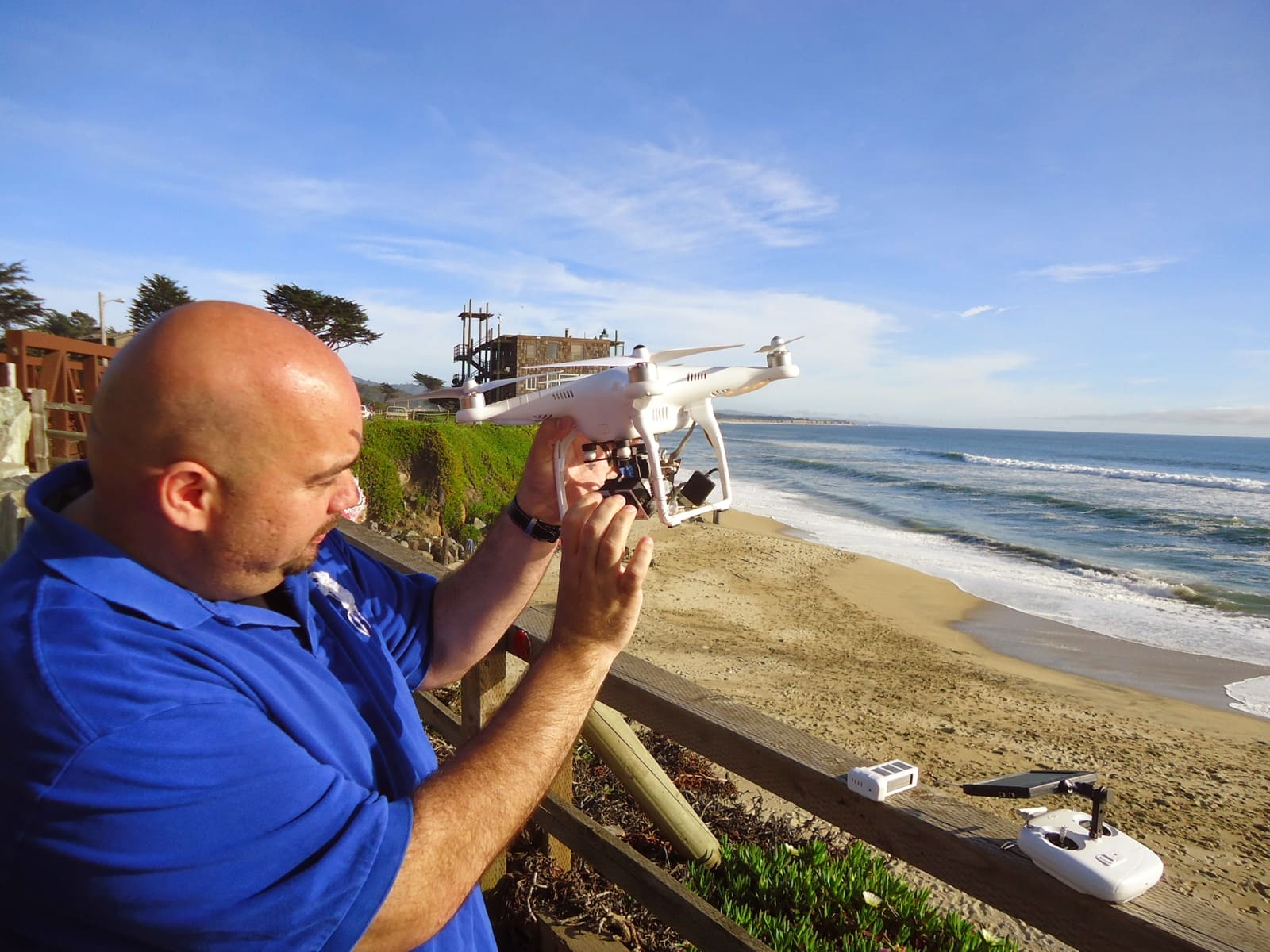
If a drone strikes a car or damages a windshield, separate the immediate safety needs from the insurance review. Obtain necessary assistance, preserve the facts and follow the applicable reporting instructions. The drone operator’s insurance and the vehicle owner’s auto insurance are separate arrangements; neither should be assumed to settle every part of the occurrence.
This guide helps drone operators organize the information and insurance questions after alleged vehicle damage. It does not determine fault, prescribe a repair or decide which policy pays. An observed impact, a repair estimate and a demand against the operator are different records that the responsible professionals may need to evaluate.
Begin With People and the Actual Occurrence
Identify whether anyone needs emergency assistance and use the appropriate responsible services. Insurance paperwork should not delay necessary emergency action. Once immediate needs are addressed, record the date, location, people involved and what was observed. Do not rely on an assumption that a damaged windshield means no one could have been injured or that visible damage tells the whole story.
Describe whether the vehicle was parked, occupied or moving using confirmed facts and their sources. Identify the drone operator and the business involved. A statement that a drone hit a car can omit important circumstances, but the operator should not invent details simply to make the first report complete. Clearly mark information that has not yet been confirmed.
Keep the original account and any later information distinguishable. A witness recollection, video and repair finding may arrive at different times. Record their sources and dates rather than rewriting the first description as if all facts were known immediately. This helps the authorized reviewers evaluate the occurrence without treating a preliminary assumption as a final finding.
Identify the Relevant Drone Policy
Obtain the policy documents applicable to the date of the occurrence, including declarations, wording and endorsements. A certificate, quote or customer summary may not contain the terms needed for a claim review. If the business recently changed insurers or added an aircraft, ask the issuing insurance party for the documents that actually applied at the relevant time.
Identify the legal operator, insured entity, aircraft and activity accurately. A drone owned personally but operated for a business can create questions different from the purchase or ownership record alone. Present the actual arrangement rather than assuming that the name on a customer invoice establishes who is insured under a particular policy.
BWI provides a sample UAV policy as a reading reference. It is not proof of your issued terms or a decision about a car damage claim. Use your actual documents and the complete facts when asking the authorized insurance parties how the occurrence will be evaluated.
Separate Vehicle Damage From Damage to the Drone
Make a list of the interests involved. The vehicle owner may report damage to glass or bodywork, while the operator may have a damaged aircraft and payload. These are separate insurance questions. A physical damage selection for the drone does not establish liability protection for the vehicle, and a liability limit does not establish payment for the operator’s own equipment.
Identify who owns the damaged vehicle and who is presenting the request. The driver, registered owner, employer, lessor and repair business may be different parties. Ask the appropriate professionals to resolve authority and ownership questions where necessary. The operator’s initial report should preserve the information available without assuming that every person requesting payment is entitled to settle the matter.
If the vehicle belongs to the operator or a related business, explain that relationship clearly. Do not present damage to your own property as an ordinary unrelated third party claim. The actual policies and insured interests must be reviewed. This guide does not determine how a particular ownership relationship affects coverage.
Consider a fictional operator filming a retail property for a customer when a leased vehicle is reportedly damaged. The driver supplies photographs, the leasing business owns the vehicle and a fleet manager sends the estimate. Identify each role in the file instead of entering the customer as the vehicle owner merely because the work happened at its site. Keep the customer service agreement with the assignment record, the vehicle demand with its actual sender and the drone equipment record with its owner. Those connections help the authorized parties request the right documents without implying who is legally responsible.
Report Through the Applicable Insurance Process
Follow the reporting requirements in the relevant drone policy and contact the appropriate insurance party promptly. Ask how to submit the initial facts when some questions remain open. Waiting for a repair estimate or a final technical finding should not be assumed to satisfy every reporting condition. Clearly identify what is known and what is still being investigated.
BWI’s claim reporting page is a starting route for contacting the team about a policy arranged through BWI. Keep a record of notices, recipients and responses. A conversation with a broker and an insurer’s claim decision are different events, so do not describe the first contact as confirmation that payment has been accepted.
Official reporting requirements are a separate subject for the responsible authorities and qualified advisers. A report to an insurer should not be assumed to meet every aviation, traffic or other official obligation. This article does not determine which official report is required in a particular occurrence or replace current instructions from the appropriate authority.
For a small drone operation under Part 107, 14 CFR 107.9 sets a separate FAA safety event reporting requirement for specified events. The rule addresses serious injury or loss of consciousness and damage to property other than the small unmanned aircraft, with stated repair-cost or total-loss-value exceptions. The remote pilot in command must use the current rule to determine the applicable reporting obligation and deadline with appropriate aviation guidance. A broken windshield label, the drone repair bill or an insurer’s claim response does not replace that review.
Separate the Interests After Vehicle Damage
| Concern | Records to identify | Question to resolve |
|---|---|---|
| Vehicle damage | Original report and estimates | What vehicle damage and responsibility are alleged? |
| Drone damage | Aircraft records and applicable policy | Which equipment terms apply to the damaged drone? |
| Auto insurance | Vehicle owner’s policy and responses | What is the vehicle owner’s separate insurer reviewing? |
| Customer obligations | Actual assignment contract | Which obligations belong to the customer and operator? |
This comparison organizes the review. It is not a claim determination, a payment priority rule or a repair checklist.
Preserve the Demand and Available Evidence
Keep the vehicle owner’s original communication, photographs and any documents supplied. Distinguish an informal question, an estimate and a demand. If the person provides a description of the damage or how it happened, retain the wording rather than shortening it into an account that may remove relevant details. Do not speculate about the legal effect of the message.
Preserve relevant drone records and original media where available and appropriate. Ask the responsible professionals about inspection and evidence requirements. Do not alter, dispose of or send away damaged equipment without considering the applicable instructions, apart from necessary emergency action. Technical personnel should address safe handling; this guide does not prescribe battery, aircraft or vehicle procedures.
If information is missing, identify the gap and the source requested. A missing photograph does not prove a person is wrong, and an early estimate does not prove every charge is related to the occurrence. The useful file separates facts, allegations and open questions so the insurer and other appropriate advisers can investigate their respective subjects.
Keep the Vehicle Owner’s Auto Insurance Separate
The vehicle owner may ask their own auto insurer about available coverage. That review uses the owner’s actual policy and circumstances. The drone operator should not promise what that insurer will pay, what deductible applies or whether a particular claim must be made through it. Those questions belong with the vehicle owner and the authorized auto insurance parties.
If an auto insurer or another party later contacts the drone operator, preserve the original correspondence and send it through the applicable drone insurance reporting route. Do not assume that the vehicle having been repaired ends every issue for the operator. Ask the relevant advisers how the new communication should be handled under the actual documents.
Likewise, do not decide priority between the policies from a casual comparison of limits or a general statement about comprehensive coverage. The claims, insured interests and applicable provisions need review. A vehicle owner’s choice to contact an insurer is not a determination that the drone operator has no responsibility or that the operator’s policy has accepted the claim.
Review Repair Estimates Without Becoming the Adjuster
Preserve the estimate and identify the repair business, date and vehicle information shown. If several versions exist, retain the progression and ask what changed. The operator should not turn a preliminary figure into an agreed settlement or decide that every proposed repair is necessary. Qualified repair professionals and the authorized claim parties must evaluate those questions.
Where an estimate includes inspections, related work or other charges beyond replacing visible glass, send the complete document for review. A short description such as windshield damage may not explain the full request. This guide does not determine a repair method, a vehicle’s roadworthiness or whether a charge is reasonable or payable under any policy.
For example, preserve a first estimate for glass work separately from a revised estimate adding bodywork and a later request for substitute transportation. Record who supplied each version, its date and which vehicle it identifies. Ask the responsible claim contact which supporting records are needed. A qualified repair provider should explain the proposed work; the operator should not remove unfamiliar entries or combine the figures into an accepted total. This keeps changes visible without treating either the earliest estimate or the largest requested amount as the insurer’s decision.
If the vehicle owner asks for immediate reimbursement, obtain the appropriate insurance and legal guidance before making a promise. Follow applicable policy conditions concerning payments, admissions and settlements. A desire to resolve the issue quickly is understandable, but an informal payment should not be assumed to settle every interest or preserve every insurance right.
Address Customer and Site Communications
If the occurrence happened during a paid assignment, notify the appropriate customer or site contact according to the actual agreement and applicable instructions. Keep the communication factual. The customer may have its own recordkeeping needs, but its request for a report does not authorize the operator to decide fault, technical cause or insurance coverage.
Obtain the contract and insurance requirement for the assignment. Identify the business that hired the operator and any relevant subcontractor arrangement. The venue, customer and vehicle owner can be different parties. Have contractual responsibility questions reviewed by the appropriate adviser rather than assuming that one certificate protects everyone involved.
If the customer requests revised insurance evidence after the occurrence, refer the request to the authorized issuing party. Do not edit a certificate or describe a pending change as if it applied to the earlier event. A future policy review and the handling of an existing occurrence should remain clearly identifiable in the file.
Distinguish a Physical Impact From Other Allegations
The initial issue may concern an impact, while a later communication adds another allegation. Preserve the complete message and send it to the appropriate parties rather than deciding that anything beyond visible vehicle damage is outside the matter. An insurer needs to see the actual allegation, not only the operator’s preferred description of the incident.
If someone questions the work performed, image use or another service responsibility, describe that concern separately. A damage allegation and a dispute about a deliverable may involve different insurance questions. The presence of a drone does not make every disagreement the same type of aviation liability claim. Qualified advisers should evaluate the applicable documents.
Keep public statements and direct communications consistent with confirmed information. Avoid posting blame, medical assumptions or an expected insurance outcome online. This is a practical recordkeeping point, not a legal communication strategy. Obtain appropriate professional advice when the circumstances require it, particularly if a formal demand or proceeding is involved.
Use a Fictional Parked Vehicle Example
Imagine a fictional drone operator receives a report that its aircraft contacted a parked vehicle during a customer assignment. The vehicle owner supplies photographs and a preliminary glass estimate. This is not a BWI claim or a promise that a drone or auto policy responds. It shows how several different records can enter a single insurance review.
The operator would preserve the original report, identify the aircraft and assignment, and follow the relevant reporting instructions. The vehicle estimate would remain an estimate until the appropriate parties reviewed it. Any damage to the drone would be listed separately. The operator would not decide that the vehicle owner’s insurance must handle everything or that an immediate payment settles the occurrence.
If later records identify additional damage or another allegation, the file would add them with dates and sources. The responsible technical and insurance parties would evaluate their respective questions. The useful outcome is an accurate, traceable file rather than an early label that prevents the review from seeing the complete circumstances.
Prepare Future Drone Coverage With the Full History
When applying for future insurance, answer the loss and incident questions accurately. Do not omit an occurrence because the vehicle damage seemed small, another insurer handled repairs or no payment had been made at the time. Use the application wording and obtain clarification where needed. The insurer should receive the information it actually requests.
If operating practices or training changed afterward, describe what was completed and provide supporting records when requested. Keep a planned improvement separate from an implemented one. No particular procedure or course guarantees a lower premium or future acceptance. A quotation depends on the actual operator, aircraft, activities and submission.
Review the aviation liability and equipment terms for the work you intend to perform next. BWI’s drone insurance information is the starting point for that future review. The aim is an accurately described arrangement, with the existing occurrence handled under its applicable documents and any future changes confirmed through the authorized process.
Keep Other Requested Vehicle Costs Identifiable
A vehicle owner may request more than a glass repair. Preserve any request for substitute transportation, inspection, towing, loss of use or another expense as it was presented. Do not include those figures automatically in an assumed settlement or dismiss them because they were absent from the first estimate. The relevant professionals need to review the actual request and supporting records under the applicable facts and documents.
Ask the person to use the appropriate claim contact and provide the records requested by that party. The drone operator should not set a daily rental amount, approve a vehicle substitution or promise payment for an unspecified period without the relevant review. This article does not determine legal entitlement to those costs or how an auto or drone policy would address them.
If the vehicle is used by a business or belongs to a leasing company, identify the parties and preserve communications from each. A driver’s practical need to keep working and an owner’s authority to settle damage are different matters. Qualified advisers should resolve authority and contractual questions. The operator can help by keeping the identities and requests clear without trying to decide every relationship.
Use a separate expense list with the document date and source so revised requests remain traceable. Label estimates and paid invoices accurately, and retain both where relevant. This makes it easier for the authorized parties to compare the request with the evidence without assuming that a submitted amount is an accepted claim payment.
Drone Insurance When a Drone Damages a Car FAQs
Does drone liability insurance always pay for a broken windshield?
No universal payment result follows from the type of damage. The actual policy, insured parties, activity and claim facts require review by the authorized insurance parties.
Should the vehicle owner use their auto insurance?
The owner should ask their own authorized insurance party about their actual policy. The drone operator should report the matter under the relevant instructions and avoid promising an outcome under someone else’s insurance.
Can I pay the repair estimate myself?
Consider the applicable policy conditions and obtain appropriate insurance and legal guidance before promising or making a nonemergency settlement. A payment should not be assumed to resolve every interest involved.
Does repairing the car end the drone claim?
Not necessarily. Preserve later communications and follow the applicable reporting process. The repair, any demand and the insurer’s decisions are separate records that may need review.
Is the damaged drone covered by the same liability limit?
Do not infer that. Review the actual equipment and liability selections separately. Damage to the operator’s aircraft and an allegation concerning another person’s property are different insurance questions.
Contact BWI About Drone Insurance and Claim Reporting
For an existing occurrence, follow the reporting instructions in the relevant policy and provide factual information to the appropriate claim parties. BWI can help identify the contact route for a policy arranged through the team. An initial conversation is not a coverage decision.
For future work, request a drone insurance quote from BWI using an accurate description of the business, aircraft, equipment, activities and loss history. Availability and terms depend on insurer review. Issued documents govern coverage, and no payment outcome for vehicle damage is promised here.
Continue Reading


