

Family-owned aviation insurance since 1977
What Does Agricultural Drone Insurance Really Cost? A Real-World Breakdown
Understand what shapes an agricultural drone insurance quote, then review the proposed terms for your operation.


 Matt and the BWI teamReal aviation insurance professionals. Meet us →

Real people. Real experiences.
What BWI customers say
Reviews of BWI’s aviation insurance service.
Great service great follow-up by Katie 11 years as customer
Emily is a fantastic agent. She's very knowledgeable and helpful. I would definitely recommend her for your aviation insurance needs!
If you are shopping for aviation insurance, you MUST speak with Katie! Helpful, knowledgeable and ready to go the extra Nautical Mile for you!
A conversation built around your operation
Start with what matters to you.
Your operation
Describe your aircraft, equipment and intended work.
Explore the guideYour people
Share pilot experience, training and who will fly.
Explore the guideYour coverage
Review the limits, conditions and next steps with BWI.
Explore the guideCoverage varies by policy. Discuss the proposed terms, conditions and exclusions with BWI.
Agricultural drone insurance guide
Use the actual proposal and policy documents when deciding. Insurance terms, availability and premiums depend on the submission; coverage is not effective until binding is confirmed. Request a quote for your drone operation; terms, availability and premiums depend on the insurer and your details.
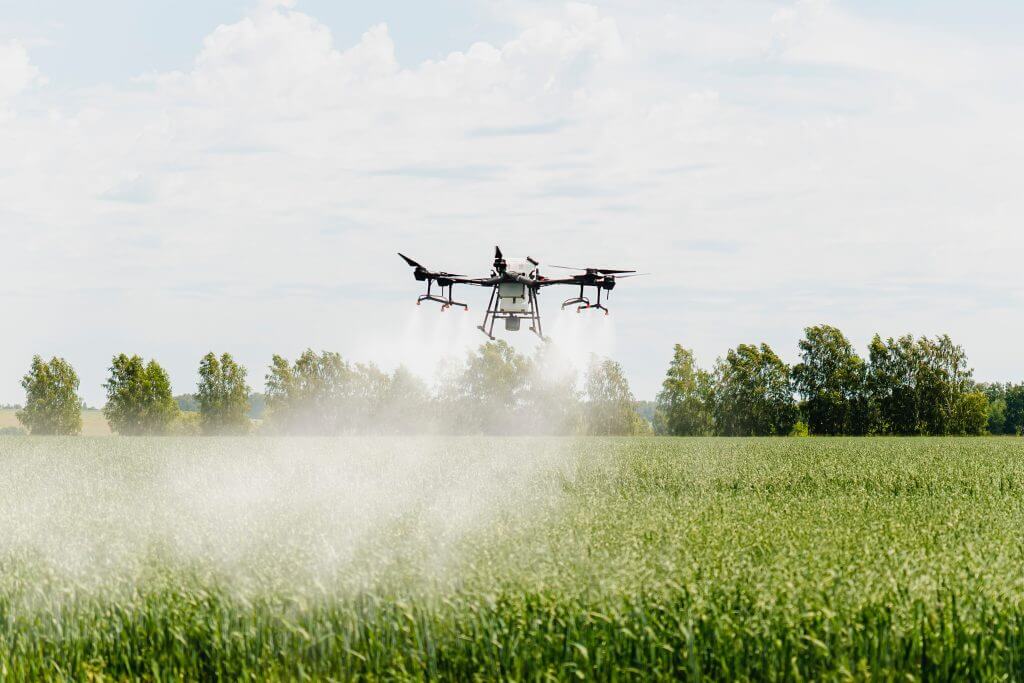
Agricultural drones are no longer future tech, they’re standard equipment in modern farming. From the DJI Agras T40 to custom spraying UAVs, drones are now critical tools for crop monitoring, spraying, and precision agriculture. But with that progress comes risk: high-value equipment, strict regulations, and real liability exposure.
That’s where insurance comes in.
But what does agricultural drone insurance really cost? Is it a few hundred dollars like your personal drone policy—or closer to the cost of insuring an aircraft?
Let’s break down the coverage and quote factors. Current cost requires an individual underwriting review; this guide is not a premium estimate.
1. The Equipment Itself: Physical Damage (Hull) Coverage
Start with current values for the aircraft, batteries, payloads and application equipment. Provide the exact model and configuration; document equipment costs rather than assuming a generic range.
Ask what physical loss or damage is covered and how the aircraft and equipment are valued. Compare the offered premium, insured value and deductibles in a current quote. Pricing and deductibles depend on your operation and the insurer’s terms.
2. Liability Coverage: Protecting Against Accidents and Lawsuits
Review the policy’s bodily-injury and property-damage liability terms. A crash and chemical overspray can involve different exclusions or endorsements; ask about each exposure explicitly.
Discuss requested limits in light of the operation and client contracts, then compare the amounts actually offered. No single limit or premium is appropriate or available for every spraying operation.
3. Chemical Drift Liability: The Hidden Cost Most Farmers Miss
If your drone is applying herbicides, pesticides, or fertilizers, chemical drift liability becomes essential. Overspray can destroy a neighbor’s crop, contaminate livestock, or even cause health issues. The legal and financial stakes are high.
Chemical liability coverage isn’t always included in standard drone policies.
Ask whether chemical application cover has a separate per-occurrence limit, aggregate, deductible, conditions and premium.
Some carriers include this in the main liability policy. Others offer it as a separate endorsement. Always check.
4. Add-Ons and Endorsements
The total cost of insurance can increase based on endorsements like:
- Terrorism coverage: review any offer, terms and additional premium
- War and hijacking coverage: review exclusions and any offered endorsement
- Errors & Omissions (E&O): Varies by operation
- Payload coverage: Additional premium depending on the value of cameras, sensors, or spraying tanks
While these add-ons may seem optional, many operators choose them to meet vendor or contract requirements.
5. So, What’s the Real Cost?
For a spraying drone such as a DJI Agras T40, ask for an itemized current quote. Compare aircraft and equipment values, hull, liability, chemical application cover, deductibles, exclusions and additional charges.
Keep operational approvals separate from insurance. Depending on aircraft weight and activity, agricultural UAS operators may need Part 107 or Part 91 authority, Part 137 certification and applicable exemptions. Review the FAA agricultural UAS guidance and policy terms for your operation.
6. Factors That Influence Cost
Several things affect your premium:
- Drone type and value
- Use case (spraying vs. mapping)
- Pilot qualifications, training and operating approvals applicable to the aircraft
- Flight hours logged
- Location and airspace restrictions
- Claim history or prior losses
Keep accurate flight, maintenance and training records. Insurers assess submissions individually; recordkeeping does not guarantee a lower premium.
7. Is It Worth It?
If you operate commercially on a farm, consider aircraft damage, injury, property damage and chemical application. Review insurance alongside required approvals and client contracts.
A chemical incident, equipment loss or third-party claim can disrupt your operation. Evaluate the policy terms carefully; do not assume it pays fines, penalties or every loss.
Final Thoughts: Insurance Built for the Fields
Agricultural drone insurance isn’t a one-size-fits-all solution. It’s a layered policy designed to match the complexity of modern drone operations.
At BWI, we work with farmers, UAV service providers, and ag businesses every day to build the right insurance plan. We understand what matters: protecting your investment, your reputation, and your operation.
Get in touch with our team to get a fast, personalized quote. No pressure, just guidance.
Call 800.666.4359 or click the button below to get started.
Your next step
A few details help us get started.
- Exact aircraft model, registration and equipment.
- Requested insured value and planned operation.
- Pilot experience, training and relevant approvals.
- Current insurance and preferred effective date.

A real team behind you.
Meet Matt White and the people who help BWI customers every day.
Let’s talk about your next flight

