

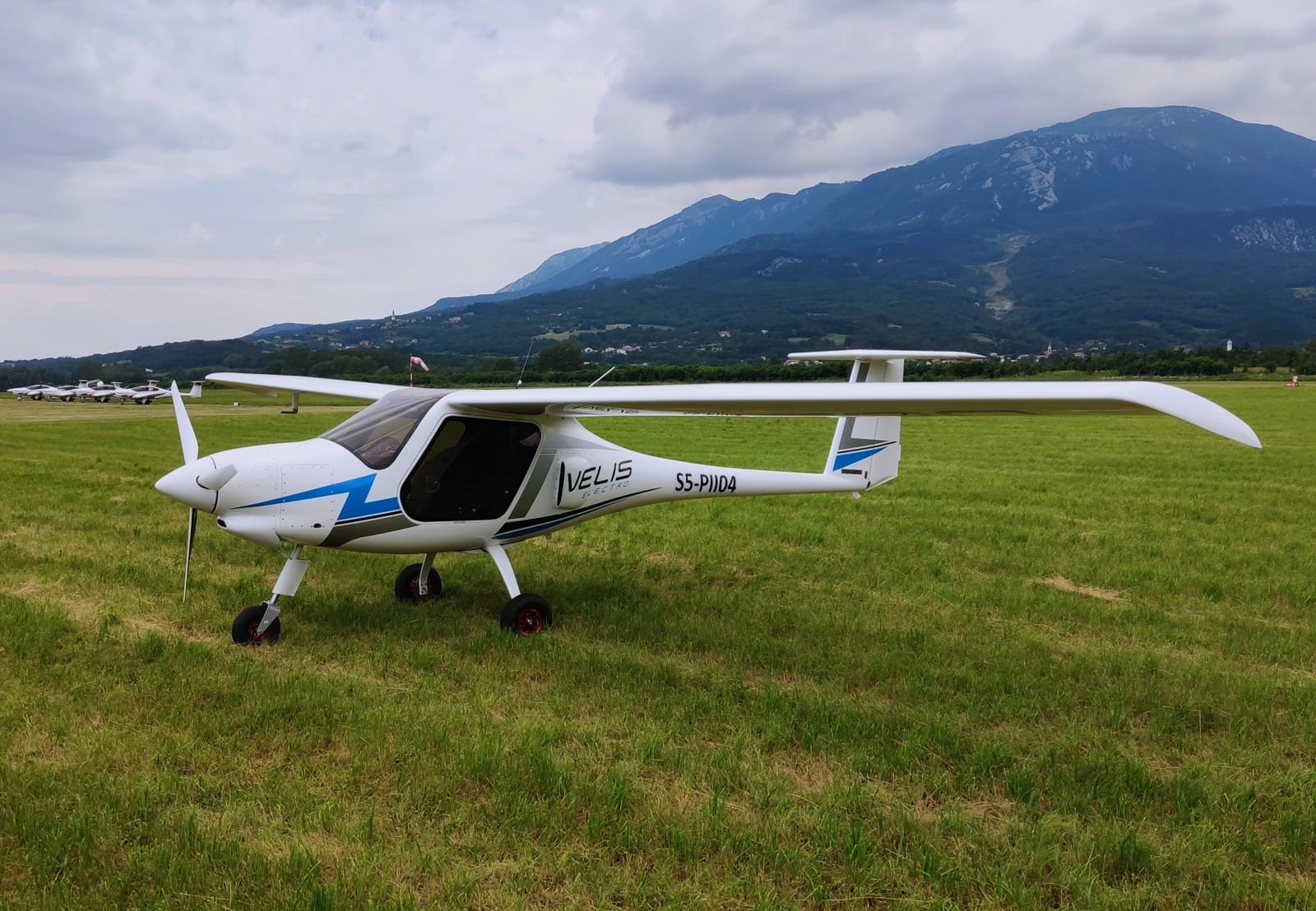
An electric aircraft insurance submission needs to describe a particular aircraft and a particular proposed use. The word electric does not establish an aircraft’s certification status, an owner’s operating authority or an insurer’s willingness to offer terms. A clear file separates those questions instead of treating a new propulsion system as a complete insurance category.
For an owner or organization evaluating an electric airplane, the aircraft may be only part of the property arrangement. Batteries, removable components, charging equipment, leased infrastructure and maintenance contracts can involve different owners and locations. Describe those items accurately and ask where each belongs in the proposed insurance review.
This guide focuses on preparing that submission and comparing any actual offer. It is separate from a broad forecast about electric aviation or a powered-lift business plan. It does not provide charging, maintenance or operating instructions, promise a product is available, or determine that a design is approved. Use qualified technical and regulatory advisers for those matters, alongside the insurance review.
Identify the Actual Aircraft and Project Stage
Begin with the manufacturer, model, serial number and registration information available for the aircraft. Explain whether the request concerns an identified aircraft, a pending purchase, a conversion project or an early proposal. If the final configuration is not settled, identify that uncertainty rather than describing a planned aircraft as a completed and approved product.
Provide the certification and operating documents requested by underwriting. Use the aircraft’s actual status and intended activity, with supporting records where available. A prototype, experimental aircraft and a production aircraft can raise different questions; do not infer their insurance treatment from the propulsion label alone.
The FAA’s design approval resources are a starting point for understanding the agency’s certification information. They do not establish the approval status of an individual aircraft or provide insurance acceptance. Keep the applicable regulatory documents and the proposed insurance documents as separate records in the submission.
Describe the Intended Use Before Discussing Price
Explain who will operate the aircraft, for what purpose and at which locations. Identify private use, instruction, demonstrations, development activity or other proposed work accurately. If the intended use changes as the project progresses, state the stages and anticipated dates. A proposal for one stage should not be assumed to address every later stage.
Distinguish a purchase evaluation from an immediate request to bind operational coverage. If there is no identified aircraft or established operation yet, an early insurance discussion may help clarify information needs without producing a firm offer. Do not treat a general indication as a confirmed premium or a promise of future availability.
Keep the business description specific enough to be reviewed. A statement that the aircraft will support sustainable aviation does not explain who flies it, who owns it or what the operator actually does. Underwriting needs the operational and property facts behind the project’s purpose.
Map Aircraft Batteries and Ground Equipment
Prepare an asset schedule distinguishing the aircraft, installed components, removable batteries, spare items, charging equipment and other ground property. Identify the owner, value basis, location and intended use of each material item. Use the technical descriptions supplied by the relevant qualified parties rather than guessing how a system is assembled.
Ask which items the proposed hull arrangement treats as part of the aircraft and which need separate property consideration. Equipment can be important to the operation without automatically being part of the insured aircraft. A battery stored off the aircraft or equipment owned by a facilities provider deserves an explicit ownership and location description.
If items are leased, supplied through a service contract or shared between users, provide the agreements. Explain who is responsible for loss or damage and what insurance is requested. Do not assume that a supplier’s warranty or maintenance service provides insurance for every cause of loss to the item.
Organize the Submission by Responsibility
| Subject | Record to provide | Question for the insurance review |
|---|---|---|
| Aircraft identity and status | Actual aircraft and applicable approval documents | What identified aircraft and activity are being considered? |
| Aircraft ownership | Purchase, lease and entity records | Which interests need to be reflected in the offer? |
| Battery and component property | Asset schedule and ownership details | Which property is included in hull terms or reviewed separately? |
| Ground equipment | Locations, values and facility agreements | What property and liability exposures need separate treatment? |
| Pilots and training | Requested qualifications and training records | What conditions or further information apply? |
| Support arrangements | Maintenance, warranty and service agreements | Which responsibilities remain outside the insurance offer? |
| Project changes | Dated configuration and use updates | What requires further underwriting acceptance? |
Separate Warranty Service and Insurance
A warranty, service plan and insurance policy address different contractual subjects. Obtain the actual warranty and support agreements if they matter to the submission, but do not present them as proof that accidental damage or every component failure is insured. Ask the relevant parties to explain their own obligations.
For the insurance review, identify the causes of loss and financial exposures the owner wants considered. Physical damage, liability, equipment replacement and operational interruption should not be collapsed into a promise that the aircraft is fully protected. The offered terms may draw different boundaries around these subjects.
Where an offer excludes wear, deterioration, mechanical or electrical breakdown or another cause, ask for an explanation tied to the actual wording. Do not assume a new propulsion technology removes familiar coverage distinctions. Equally, avoid applying an exclusion from a conventional aircraft policy to a new proposal without reading the documents being offered.
Describe Facilities and Ground Responsibilities
Identify the locations where the aircraft and associated property will be based or stored. Explain who owns or leases the facilities and who provides ground equipment. Provide relevant leases and service agreements so the reviewer can distinguish the aircraft owner’s responsibilities from those of a landlord or infrastructure provider.
Ask separately about property, premises and equipment-related liability where relevant. An aircraft hull quote should not be assumed to provide every coverage needed for the facilities used by the project. Conversely, a building policy should not be treated as evidence that the aircraft or all removable components are insured.
Technical decisions about installation, charging, storage and maintenance belong with qualified professionals and applicable requirements. This insurance checklist does not prescribe those procedures. Describe the established arrangement accurately for underwriting and identify planned technical work as planned, including any approvals or documentation still pending.
Prepare Pilot and Training Information
Provide the pilot experience, qualifications and training details requested for the actual aircraft and use. Distinguish completed training from a proposed program. Experience in another aircraft may be relevant background, but it does not automatically establish either legal qualification or insurer acceptance for this aircraft.
Ask how the proposed policy handles named pilots, training conditions, instructor involvement and changes in the roster. If instruction or demonstration activity is contemplated, describe it explicitly. A proposal for an owner flying privately should not be assumed to include a separate teaching or demonstration business.
Keep the operational review distinct from the insurance review. The appropriate qualified parties should establish the aircraft and pilot requirements for the activity. Underwriting then evaluates the disclosed request under its own terms. Neither acceptance of an application nor an informal discussion should be represented as permission to operate.
Explain Values With Supporting Records
Identify the requested aircraft value and the basis for it. Provide purchase, equipment and other valuation support requested by underwriting. If a quoted purchase package includes services or ground property, separate those elements so they are not unintentionally described as one aircraft hull value.
For removable components and ground equipment, record ownership and requested values separately. If an item is exchanged through a service arrangement, explain the actual contractual interest rather than assuming the aircraft owner owns every component it uses. Ask how the proposed terms address that arrangement.
Do not assume every investment in a developing project can be insured as aircraft physical damage. Research costs, deposits, infrastructure and future revenue expectations raise different questions. Identify the specific property and interest for which insurance is requested, and distinguish an accepted insured value from a general project budget.
Compare Price and Coverage in Actual Offers
When an offer is available, record the identified aircraft, use, legal insureds, period, value, limits and applicable conditions. Compare the relevant exclusions, deductibles or retentions and any ground-property provisions. Ask what remains subject to further information or approval before treating the offer as ready to bind.
A general electric-aircraft premium range can be misleading without an identified aircraft and accepted scope. Do not transfer a quote from another project or a conventional aircraft to this proposal as though it proves availability or price. The relevant figure is the actual offer for the disclosed request.
Keep material differences visible in a written comparison. One proposal might address a particular aircraft activity while leaving ground equipment for separate review. Another may include different property or operating restrictions. The owner needs to understand those differences alongside the premium, rather than describing unlike offers as equivalent.
Plan Changes Before Relying on an Earlier Submission
A project can change aircraft configuration, ownership, pilots, location or intended use between the first inquiry and the requested effective date. Maintain a dated change log and provide material updates through the agreed process. Underwriting should know which version of the project it is being asked to consider.
If an aircraft moves from a development stage to another activity, ask what further review is required. Do not assume insurance arranged for a prior stage follows the project automatically. The actual proposal or policy may contain conditions that need attention before the new arrangement begins.
Similarly, a replacement battery arrangement, new ground equipment or different facilities contract can affect the property description without changing the aircraft’s model name. Keep the asset schedule and agreements connected to the insurance file so changes are visible across the whole request.
A Hypothetical Owner Purchase Review
Imagine an owner evaluating an identified electric airplane with a separately priced ground equipment package. Some components would be owned outright, while others would be supplied under a service agreement. The aircraft’s proposed use is private flying, with an instructor involved in transition training. This is a hypothetical submission example, not an actual insured aircraft or an approved operation.
A useful file would identify the aircraft and its actual status, requested value, component and ground-equipment ownership, facility arrangements and pilot information. It would distinguish the intended private use from the planned instruction relationship. The insurance discussion could then identify available terms and any unresolved questions.
If a purchase package changes before closing, the owner would update the file rather than assume an earlier indication covers the revised arrangement. Binding confirmation and issued documents would need to match what was actually accepted. The example illustrates preparation, not a promise that a particular insurer will offer coverage.
For example, an equipment package could be revised so a charger is leased from a separate supplier while a spare component remains owned by the aircraft buyer. Keep the purchase invoice and lease schedule separate. Identify the location and financial interest for each item, then ask which actual proposal addresses it. If the aircraft quotation refers only to installed equipment, leave the spare item and leased charger as unanswered property questions until reviewed. A salesperson describing a package as complete does not establish accepted insurance for every component. Preserve the final equipment schedule with the dated response so the buyer can compare it with the issued documents.
Keep the Insurance File Separate From Technical Instructions
Retain the final submitted configuration, asset schedule, contracts, training information and accepted insurance terms. Reference technical documents accurately without rewriting them as insurance advice. A broker’s explanation of a coverage condition should not be substituted for a manufacturer’s instruction or a qualified maintenance decision.
If a problem arises with equipment or the aircraft, use the appropriate technical, regulatory and insurance processes for the circumstances. Preserve relevant records and seek guidance on reporting under the applicable policy. Do not decide that a warranty or another party’s insurance will handle the matter before reviewing the actual arrangements.
BWI’s aircraft insurance resources provide a starting point for an inquiry. Bring the specific aircraft and ground-property facts into the conversation so any available options can be evaluated against the real request. Eligibility and coverage cannot be established from the propulsion label alone.
Prepare a Decision File for the Proposed Effective Date
Use a short list of outstanding items: identified aircraft documents, final ownership details, value support, pilot information and any terms still subject to underwriting. Assign each item to a responsible person and record the requested effective date. Mark an unanswered question as pending rather than assuming a project milestone resolves it.
Before accepting an offer, compare it with the final version of the submission. Check that planned changes have been communicated and that the accepted arrangement includes the intended interests and property. If ground equipment is being insured separately, keep that confirmation with the aircraft file so the owner understands the program as a whole.
After binding, review the issued documents and raise discrepancies promptly. Keep a process for reporting material changes during the year. A well-maintained file supports a clearer insurance decision, while the actual policy wording, facts and underwriting acceptance determine the scope of the arrangement.
Describe Off Aircraft Property and Transport
Identify components that leave the aircraft for storage, exchange, repair or shipment. Record the item, owner, value support, destination and party taking custody. A component can remain important to the aircraft while its location and contractual arrangement change. Ask which proposed coverage is intended to address that period rather than assuming the aircraft schedule answers every off-aircraft exposure.
If a supplier collects an item and provides a replacement, explain whether ownership transfers or the same item is expected to return. Provide the service agreement and requested insurance terms. The operator should understand its actual financial interest before asking an insurer to cover a value. A supplier’s responsibility to perform work and its responsibility for accidental loss may be separate questions.
For transport, describe who arranges the movement and what responsibility each party accepts. Carrier terms, property insurance and the aircraft policy need separate review where relevant. Do not treat a carrier’s standard liability limit as proof that the owner’s full interest is insured. Obtain appropriate guidance on the actual arrangement and preserve the documents that identify the shipment.
Include any ground-property items held at another location in the asset schedule. Use a clear location reference and date so the reviewer can distinguish installed equipment, spares at the base and items away for service. This supports a focused property discussion without offering technical packing, storage or handling instructions.
Frequently Asked Questions
Does electric propulsion automatically create a separate insurance policy type
Do not assume it does. Identify the aircraft, status, use, ownership and property for review. Available terms depend on the actual request and underwriting.
Are spare batteries automatically part of hull coverage
Their treatment depends on the property definitions, ownership, scheduling and locations. Describe installed and off-aircraft items and ask how each is intended to be insured.
Does a warranty replace aircraft insurance
No. Warranty, service and insurance obligations are separate contractual subjects. Review the actual agreements rather than treating one as proof of the other.
Can an early project indication be treated as a firm quote
Do not assume so. Identify what information and acceptance remain outstanding and obtain the appropriate confirmation before relying on coverage.
Does insurer acceptance authorize the aircraft to operate
No. Aircraft and pilot authorization require separate review through the applicable technical and regulatory processes. Insurance acceptance does not replace them.
Discuss the Proposed Aircraft With BWI
Prepare the identified aircraft documents, ownership and asset schedules, intended use, pilot information and relevant support agreements. Tell BWI which project stage and effective date the request concerns.
Contact BWI about an aircraft insurance review and ask what options may be available for the disclosed electric aircraft. No availability is assumed; any offer and coverage remain subject to underwriting and the issued terms.
Continue Reading


