
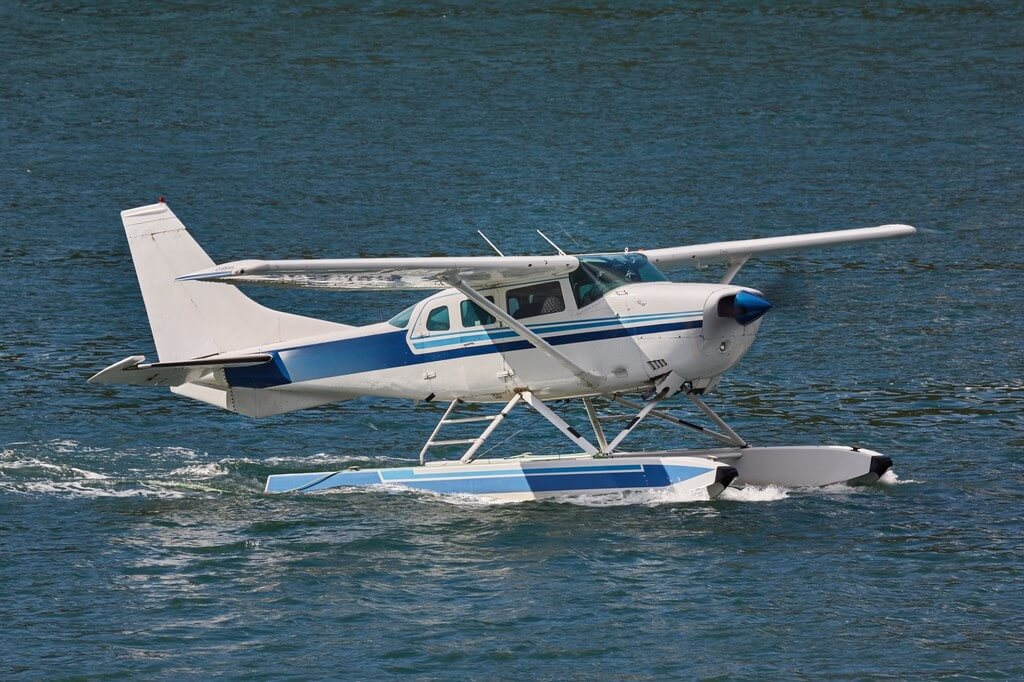
If there is one aircraft that has become synonymous with Alaska flying, it’s the Cessna 206.
From Anchorage to Bethel, Fairbanks to Dillingham, and countless gravel bars, lakes, hunting camps, lodges, and remote villages in between, the Cessna 206 has earned a reputation as one of the most important utility aircraft in the state.
For many Alaska pilots, the 206 isn’t simply a recreational aircraft.
It’s transportation.
It’s a business tool.
It’s a workhorse.
It’s a lifeline.
Because of that, Alaska Cessna 206 insurance is often evaluated differently than Cessna 206 insurance in the Lower 48.
Insurance companies understand that the aircraft, the missions, the terrain, and the operating environments found throughout Alaska are unique.
That doesn’t necessarily mean insurance is harder to obtain.
It simply means underwriters pay attention to different factors.
At BWI Aviation Insurance, we’ve been helping Alaska aircraft owners since 2016 and opened our Anchorage office on Lake Hood in 2019. During that time, we’ve insured hundreds of Alaska aircraft owners and developed a deep understanding of how insurance companies evaluate Alaska risks.
If you own a Cessna 206 in Alaska—or are thinking about buying one—this guide will help you understand what insurance companies are looking for and how you can position yourself for the best possible outcome.
Why The Cessna 206 Became Alaska’s Workhorse
The Cessna 206 is almost perfectly suited for Alaska.
Few aircraft combine:
- Useful load
- Range
- Reliability
- Short-field performance
- Cargo capacity
- Float capability
the way a Stationair does.
Throughout Alaska, Cessna 206 aircraft are used for:
- Hunting access
- Fishing access
- Cargo hauling
- Lodge support
- Family transportation
- Business travel
- Village transportation
- Survey work
- Photography
- Charter operations
Insurance companies know this.
When an underwriter sees a Cessna 206 in Alaska, they already understand that the aircraft may be operating in environments rarely encountered elsewhere in the United States.
Alaska Flying Is Fundamentally Different
A Cessna 206 based in Arizona is often operated very differently than a Cessna 206 based in Alaska.
Alaska pilots routinely encounter:
- Remote airstrips
- Gravel runways
- Mountain terrain
- River bars
- Float operations
- Weather extremes
- Limited infrastructure
Insurance companies recognize these realities.
As a result, they spend more time evaluating operational experience than they might for a similar aircraft elsewhere.
The goal isn’t to avoid Alaska risks.
The goal is to understand them.
Experience Matters More In Alaska
One of the biggest underwriting factors in Alaska is operational experience.
Insurance companies frequently evaluate:
- Total flight time
- Alaska flight experience
- Time in make and model
- Mountain flying experience
- Float flying experience
- Backcountry experience
A pilot with 500 hours operating a Cessna 206 throughout Alaska may receive stronger underwriting consideration than a pilot with significantly more total flight time but little Alaska experience.
Why?
Because Alaska flying requires specialized knowledge and decision-making.
Insurance companies understand that.
Float Operations Change Everything
Many Alaska Cessna 206 aircraft spend part or all of the year on floats.
Float operations are common throughout the state.
Aircraft routinely operate from:
- Lakes
- Rivers
- Coastal areas
- Remote waterways
When evaluating float-equipped aircraft, insurance companies often review:
- Total float time
- Recent float time
- Float time in make and model
- Operating area
- Claims history
Pilots with significant float experience generally receive stronger underwriting outcomes.
Float time matters.
And recent float time matters even more.
Mountain Flying Experience Matters
Many Alaska missions involve mountainous terrain.
Insurance companies understand that mountain flying introduces unique challenges.
Underwriters often want to understand:
- Mountain flying experience
- Alaska-specific experience
- Recent operational activity
- Training history
A pilot with extensive mountain experience often represents a different risk profile than someone encountering mountain environments for the first time.
Aircraft Usage Is A Major Underwriting Factor
Few aircraft categories receive as much scrutiny regarding aircraft usage as the Cessna 206.
Insurance companies commonly ask:
- Is the aircraft used personally?
- Is it used for business?
- Is it used commercially?
- Does it carry cargo?
- Does it support hunting operations?
- Does it support fishing operations?
- Does it operate from remote locations?
The answers significantly influence underwriting decisions.
A privately owned aircraft flown 75 hours annually presents a different exposure than a commercial aircraft flying 600 hours annually into remote locations.
The airplane may be identical.
The mission is not.
Alaska Weather Creates Unique Challenges
Insurance companies are well aware of Alaska weather.
Pilots routinely deal with:
- Rapidly changing conditions
- Coastal weather systems
- Low ceilings
- Mountain obscuration
- Strong winds
- Seasonal extremes
Because of this, underwriters often place significant value on:
- Instrument ratings
- IFR experience
- Weather decision-making
- Recent flight activity
Pilots who demonstrate strong weather judgment often receive more favorable underwriting consideration.
Get Your Alaska Cessna 206 Insurance Quote With BWI Today>>
Instrument Ratings Carry Significant Weight
Many Alaska aircraft owners assume insurance companies care more about bush experience than instrument ratings.
The reality is that both matter.
Insurance companies recognize that instrument-rated pilots have completed additional training and often possess stronger weather decision-making skills.
For many Alaska operators, an instrument rating remains one of the most valuable qualifications from an underwriting perspective.
Aircraft Value Continues To Rise
One of the biggest trends affecting Alaska Cessna 206 owners has been rising aircraft values.
Today’s market includes aircraft insured for:
- $200,000
- $300,000
- $500,000
- $700,000
- $1 million or more
Many aircraft have received:
- Garmin avionics
- Glass panels
- Digital autopilots
- STOL modifications
- Float equipment
- Engine upgrades
These improvements increase aircraft value.
As hull values increase, insurance company exposure increases.
And when exposure increases, premiums often increase as well.
What Insurance Companies Like To See
The strongest Alaska Cessna 206 insurance risks often have:
- Significant Alaska experience
- Time in make and model
- Instrument ratings
- Float experience
- Recent flight activity
- Clean claims histories
- Recurrent training participation
These characteristics create confidence among underwriters.
And confidence often creates competition among insurance carriers.
Why Some Alaska Pilots Receive Better Insurance Options
Many owners assume insurance companies are primarily evaluating the airplane.
They’re not.
They’re evaluating the complete risk.
Two pilots flying identical U206Gs may receive dramatically different underwriting outcomes because of differences in:
- Experience
- Training
- Claims history
- Float time
- Alaska time
- Recent activity
The airplane is only part of the equation.
Why Today’s Market Remains Favorable
The good news is that insurance companies continue competing for qualified owner-flown aircraft.
Experienced Alaska Cessna 206 owners remain highly desirable risks.
While every policy is unique, today’s market provides many owners with opportunities that were difficult to find during the hard-market years.
Competition remains healthy.
And that’s good news for aircraft owners.
Why Thousands Of Alaska Aircraft Owners Trust BWI
BWI Aviation Insurance has been helping Alaska aircraft owners since 2016 and opened its Anchorage office on Lake Hood in 2019.
Our office is located at:
4451 Aircraft Drive, Suite 220
Anchorage, Alaska 99502
We understand the unique realities of Alaska aviation because we work with Alaska aircraft owners every day.
Whether you operate a U206G, TU206G, T206H, or another Stationair variant, our team understands the underwriting factors that influence pricing and carrier appetite.
Final Thoughts
The Cessna 206 may be the ultimate Alaska aircraft.
Its versatility, reliability, and utility have made it one of the most important airplanes in the state.
Insurance companies understand that.
They also understand the unique challenges associated with operating in Alaska.
Experience, training, float time, mountain flying, aircraft usage, claims history, and recent activity all play major roles in underwriting decisions.
The good news is that many of those factors are within your control.
By understanding how insurance companies evaluate Alaska risks, you can strengthen your insurance profile, improve your insurability, and position yourself for better coverage and more competitive pricing for years to come.
And in a state where aviation plays such a critical role, that’s knowledge every Cessna 206 owner should have.
bwifly.com / 800-666-4359
Continue Reading