

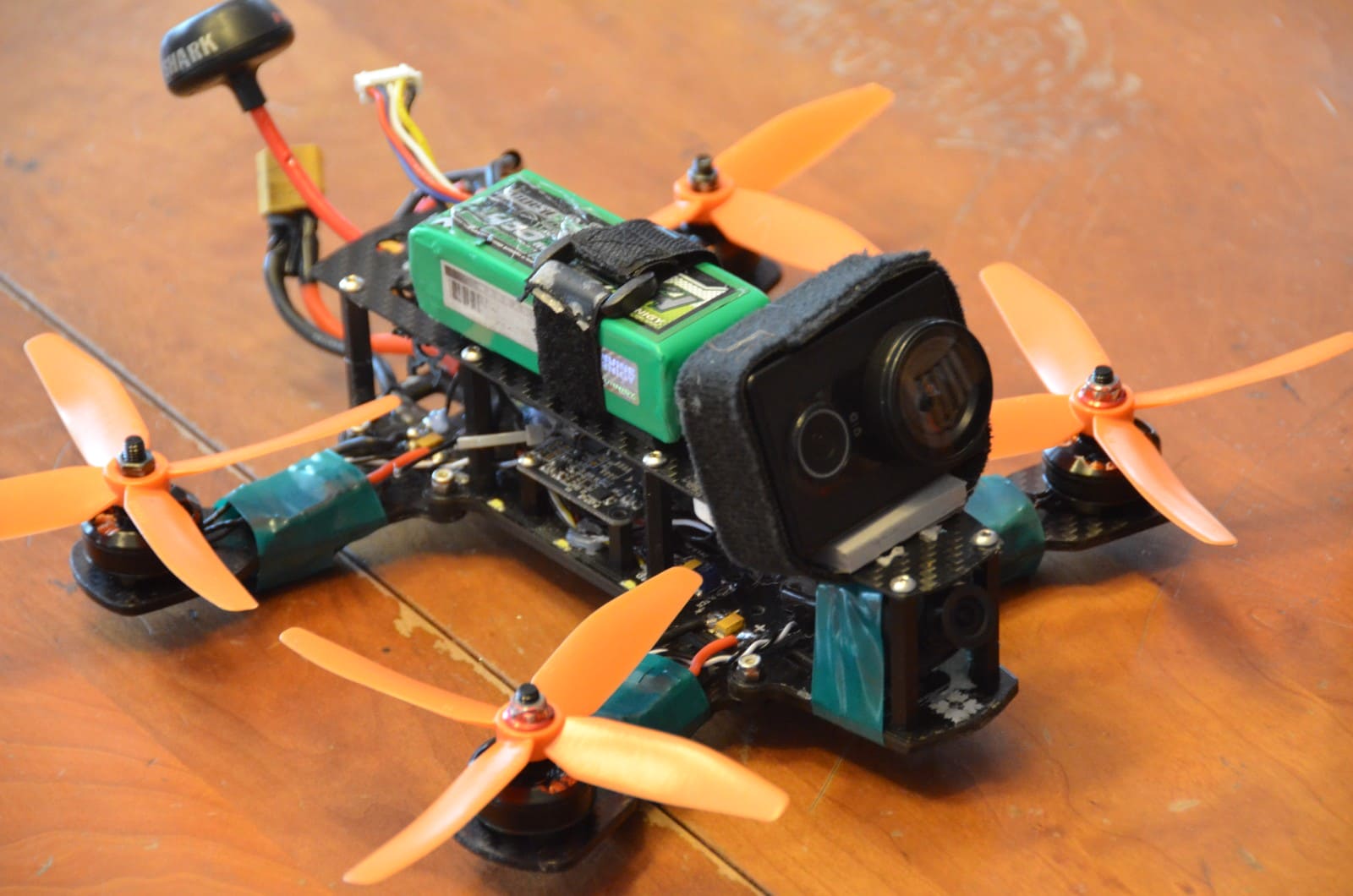
Drone racing insurance should be reviewed for the actual competition and the party requesting protection. A racing pilot, event organizer, venue owner and equipment owner can have different interests. Do not assume an ordinary drone policy includes organized competition, or that an event’s insurance automatically protects every participant and aircraft. Explain the activity before relying on a certificate or a general coverage description.
First-person-view equipment, custom-built aircraft, multiple entrants and spectators can make a racing event different from an ordinary photography assignment. The insurance inquiry should describe those facts plainly. The presence of safety rules or venue permission does not establish that an insurer has accepted the operation, and insurance acceptance does not replace the applicable operating requirements.
This guide explains the questions to prepare for BWI. Start with its drone insurance information and confirm whether an appropriate option is available for the particular racing operation. BWI’s current drone page states that a Part 107 certificate is required for its quote requests, including recreational operators. That placement requirement is separate from determining the FAA rules applicable to the flight.
Identify Whether You Are the Pilot or the Event Organizer
State who is seeking insurance and what that party actually does. A pilot participating in a race is not necessarily responsible for organizing the venue, admitting spectators or engaging vendors. An organizer may face questions that extend beyond operating a drone. A venue owner may be concerned about premises and contractual interests rather than ownership of any racing aircraft.
List the legal entities involved and the agreements connecting them. Explain who collects entry fees, signs the venue agreement, supplies equipment and controls the event arrangements. A public event name can represent several separate businesses. Shared branding should not be treated as evidence that they all qualify as insureds under one participant’s policy.
Identify the specific interest you want reviewed. Liability involving other people, damage to your drone, rented equipment and cancellation expenses are different questions. A clear inquiry starts with the actual party and concern, rather than asking for race insurance as though the term describes a standard package accepted for every event.
Describe the Race Rather Than Only the Aircraft
Provide the proposed dates, location, setting and format of the event. Explain whether it involves practice, qualifying, demonstrations or competition, and identify the activities for which insurance is requested. A policy reviewed for one private practice session should not be assumed to address a public event with a different audience, operating pattern or set of responsible parties.
Describe the aircraft and first-person-view arrangement factually, including custom builds or changes relevant to the application. Identify how many aircraft are involved and whether several pilots operate at the same time. Do not omit the racing purpose in favor of a generic recreational description simply because it seems easier to fit an ordinary form.
Explain the operating environment and the people involved without treating this article as a safety plan. Qualified organizers and aviation personnel should determine the actual procedures and permissions needed. The insurance submission should accurately describe the arrangement being considered so underwriting can ask the relevant questions and identify whether terms can be offered.
Map Participant and Event Interests Separately
| Party or interest | Facts to describe | Question for insurance review |
|---|---|---|
| Racing pilot | Aircraft, competition use, qualifications and role | Does the actual proposal address the declared racing activity? |
| Organizer | Event activities, responsible entity and contracts | Which event-related allegations and activities are considered? |
| Venue | Location, agreement and requested evidence | Which requested statuses or provisions can be supported? |
| Spectators and other people | Attendance arrangements and relevant exposures | Which liability wording and conditions apply? |
| Aircraft and equipment | Owners, values and use of each item | Is property protection offered for the actual racing use? |
| Vendors and contractors | Services and contractual responsibilities | How are the organizer’s interests and their separate operations treated? |
| Cancellation or delay | Actual financial concerns and agreements | Is any separate protection available for the defined expense? |
This map is a set of questions, not a list of automatically included benefits. A pilot’s liability interest and an organizer’s event responsibilities should not be treated as identical. Damage to an entrant’s aircraft is also different from liability involving a spectator. Identify which actual contract or policy is intended to address each concern.
Keep other parties’ insurance visible without assuming it replaces your own review. An organizer may request evidence from entrants or service providers, but that evidence does not establish the organizer’s complete protection. Likewise, an entrant should not assume the venue’s certificate includes personal aircraft damage or every allegation arising from participation.
Record gaps and pending items before the event. If no offered term addresses a particular interest, make that fact clear to the appropriate decision-makers. A document that appears complete can still leave an important question unanswered. A useful review connects every insurance representation to the actual wording or confirmation supporting it.
Check Competition and Event Wording Explicitly
Ask whether the proposed policy addresses the declared competition, practice and related activities. Identify any exclusions, restrictions or conditions relevant to racing or demonstrations. Do not infer acceptance from the fact that the drone itself is listed, a policy remains within its dates or a general recreational use description appears in a summary.
Provide the actual event description and request a response tied to it. If a policy was arranged before the race was planned, explain the change rather than relying on the original description. An email requesting a review is not itself an accepted endorsement. Keep the final response and issued documents with the event information used for the inquiry.
Separate an insurer’s acceptance from the organizer’s admission rules. Being allowed to enter a race does not necessarily mean a participant’s insurance meets the actual event contract or includes the activity. Conversely, providing an insurance document does not establish that the pilot or aircraft meets operational, technical or venue requirements. Each process needs its own answer.
Review FPV and Flight Permissions Through the Appropriate Resources
Identify the actual flight purpose and regulatory framework with appropriate aviation guidance. The FAA provides recreational flyer information and separate Part 107 information, including guidance relevant to first-person-view operations. Do not decide the applicable rules solely from the event’s name or from whether someone describes it as a hobby.
Where permissions, authorizations or other documents are relevant, state their actual status in the submission. A planned application or an approval held by another party should not be presented as your own issued permission. Qualified personnel should verify the requirements for the actual location, activity and operating arrangement.
Keep the insurance review separate from that verification. A quotation cannot authorize airspace access or establish compliance with the rules. An operating permission cannot amend a policy’s racing exclusion or confirm a property limit. The same event description should support both reviews so the responsible people are assessing the same proposed activity.
Create an Inventory for Custom Aircraft and Shared Equipment
List the aircraft and equipment for which protection is being requested, including ownership, identifying details and values in the format requested. A custom-built racing drone may need a clearer description than a retail model name alone. Explain the actual configuration without assuming that every replacement part or modification is automatically included under an earlier equipment description.
Separate the airframe and relevant attached equipment from goggles, controllers, ground stations, tools and spare items where requested. Explain which property belongs to the applicant and which is borrowed, rented or supplied by another entrant. A combined event-equipment total can conceal different owners, uses and contractual responsibilities.
Ask how any offered property protection treats racing use and the relevant causes of loss. A stated value does not establish that every crash, collision, theft or transport event is insured. Review the actual deductible, valuation basis, exclusions and conditions. Keep the inventory as a factual record of the request rather than evidence that the insurer has accepted every item.
Read Venue and Participant Agreements Before Promising Compliance
Obtain the venue’s full insurance requirement and any participant or vendor requirements relevant to your role. Identify the parties, dates, limits and requested endorsements. Do not reduce a multi-part contract provision to a statement that the event needs a certificate. Send the actual wording to the insurance contact for review.
Ask what can be supplied and how it will be documented. A certificate-holder entry should not be treated as identical to insured status or a policy change. If the requested provision cannot be supported, record the difference before representing that the requirement has been met. A pending request is not an issued term.
Have appropriate counsel assess waivers, indemnities and other contractual obligations. This guide does not provide a participant waiver or determine the legal effect of one. The insurance discussion should remain connected to the agreement while recognizing that a signature does not automatically make every obligation insured or remove every possible liability question.
Separate Aircraft Damage From Event Cancellation and Revenue
A race can be delayed or canceled without any aircraft being damaged. The resulting costs may concern venue payments, staffing, travel, entry refunds or lost revenue. Do not assume a drone liability or equipment policy addresses those interests. Describe the actual financial concern and ask whether specific protection is offered for it.
If a separate event-related option is considered, review its trigger, covered expense categories, conditions and limitations. A reference to cancellation in a conversation is not enough to establish the outcome for weather, a venue problem or an operational permission issue. Keep the offered wording tied to the exact event and parties being reviewed.
Compare budgets and insurance representations separately. A sponsor or organizer may have commercial expectations that extend beyond the actual policy. Identify those commitments before relying on a general claim that the event is fully insured. A clear file can show both the accepted protection and the financial decisions the parties retain.
Prepare Reporting Contacts and Preserve Event Records
Before the event, identify the actual policy reporting route and the people responsible for contacting it. Keep the issued documents and relevant event agreements accessible. An organizer, entrant and vendor may have separate policies and notice obligations. Do not assume that telling one party automatically notifies every relevant insurer or authority.
If an event occurs, address immediate safety and emergency matters through the appropriate channels. Preserve factual information such as the time, location, aircraft, people involved and available records. Distinguish direct observations from later interpretations. This article is not an emergency-response procedure or a determination of coverage for an incident.
Follow the applicable policy and professional instructions concerning evidence, communications and repairs. Avoid promising a participant reimbursement or admitting a final cause based only on an early account. Technical, legal and insurance reviewers may need to assess different questions. A clear factual chronology supports that review without replacing their decisions.
A Hypothetical Pilot Enters a Public Race
Consider a hypothetical pilot who already has insurance for a described drone operation and wants to enter a public race at a venue. The organizer requests evidence, and the pilot plans to use a modified aircraft. This example illustrates preparation questions; it is not a BWI customer case or confirmation that such a race or aircraft can be insured.
The pilot sends the actual event description, venue requirement and updated equipment information for review. The inquiry explicitly identifies competition use rather than describing only the aircraft. The organizer separately reviews its own event responsibilities and does not assume that a collection of entrant certificates constitutes a complete organizer policy.
Before relying on any arrangement, the parties check what was actually accepted and documented. Operational permissions and venue rules are verified through the appropriate people. The lesson is that event participation, aircraft ownership and insurance acceptance must be connected deliberately; none should be inferred automatically from the other.
Bring a Specific Racing Insurance Inquiry to BWI
Prepare the applicant’s legal name and role, aircraft and equipment information, event dates and location, operating description, pilot information and written insurance requirements. Explain whether the request concerns an entrant, organizer or another party. If a policy already exists, include its current documents and identify the proposed change.
Ask whether the actual operation can be considered and which additional information is needed. If a proposal is offered, compare the insured parties, activities, limits, property interests, deductibles and relevant conditions. Keep a requested provision separate from an accepted one. Availability and pricing must be confirmed for the specific submission.
Retain the final documents with the event description on which the review was based. If the location, format, aircraft or responsible parties change, bring the updated facts back before relying on the earlier response. An insurance review for one event should not become an unqualified assurance for every future race.
For a series of events, provide the actual schedule and explain which details remain consistent and which vary. A recurring format may still involve different venues, owners or contractual requirements. Ask whether the proposed terms address the series as described or whether individual events need further review. Keep that answer with the schedule and update it when the series changes. This makes it easier for the people accepting entries and signing venue agreements to avoid relying on a response that addressed only an earlier event.
For practical tracking, use a dated event worksheet that names the applicant, venue, aircraft inventory version and activities submitted. Beside each contractual insurance request, record the supporting document, the response received and any unresolved point. For example, a venue might ask about both the pilot’s flying and the organizer’s responsibility for admitting spectators. Send both questions explicitly rather than attaching only the pilot’s equipment schedule. If the venue or race format changes, mark the earlier worksheet as superseded and identify which requests need a fresh response. Keep proposed practice sessions and demonstrations visible instead of assuming that acceptance of the main race extends to every associated activity. Give unresolved items an owner and follow-up date so a venue deadline does not leave the entrant and organizer assuming that the other person obtained confirmation. This suggested administrative record helps the parties coordinate their questions; it does not prescribe an insurer’s application, approve the event or establish that a requested endorsement is available.
Drone Racing Insurance Questions
Does ordinary drone insurance automatically cover racing
Do not assume it does. Disclose the actual competition and associated activities and ask how the proposed policy treats them. A listed aircraft or general use description does not by itself establish acceptance of racing.
Does the organizers policy protect my drone
That requires review of the actual policy and your interest. Organizer liability, participant liability and damage to an entrant’s aircraft are different questions. Do not treat a venue certificate as proof of personal equipment protection.
Can BWI guarantee an option for every race
No such promise is made here. Confirm whether BWI has an appropriate placement option for the actual event, applicant and aircraft before relying on availability or a price indication.
Should I disclose a custom build or modification
Yes. Provide the requested aircraft description, identifying details and values accurately. Ask what changes need review rather than assuming an earlier schedule automatically includes every configuration.
Does an event waiver replace insurance
A waiver has its own legal purpose and needs appropriate review. It does not itself establish the protection offered by an insurance policy or answer every responsibility arising from the event.
Can a quote authorize FPV racing operations
No. Verify the applicable operating, airspace and venue requirements through the appropriate resources. Insurance acceptance serves a different purpose and must be checked against its own terms.
Discuss Your Drone Racing Plans With BWI
Tell BWI whether you are participating in a race, organizing the event or seeking protection for another role. Bring the actual activity description, aircraft information, dates, location and written requirements so the inquiry can focus on the operation you plan.
Begin with BWI’s drone insurance information and current eligibility requirements, or request an insurance review from BWI. Confirm placement availability and the final accepted terms before relying on protection. Eligibility, pricing and coverage depend on underwriting and the issued policy.
Continue Reading


