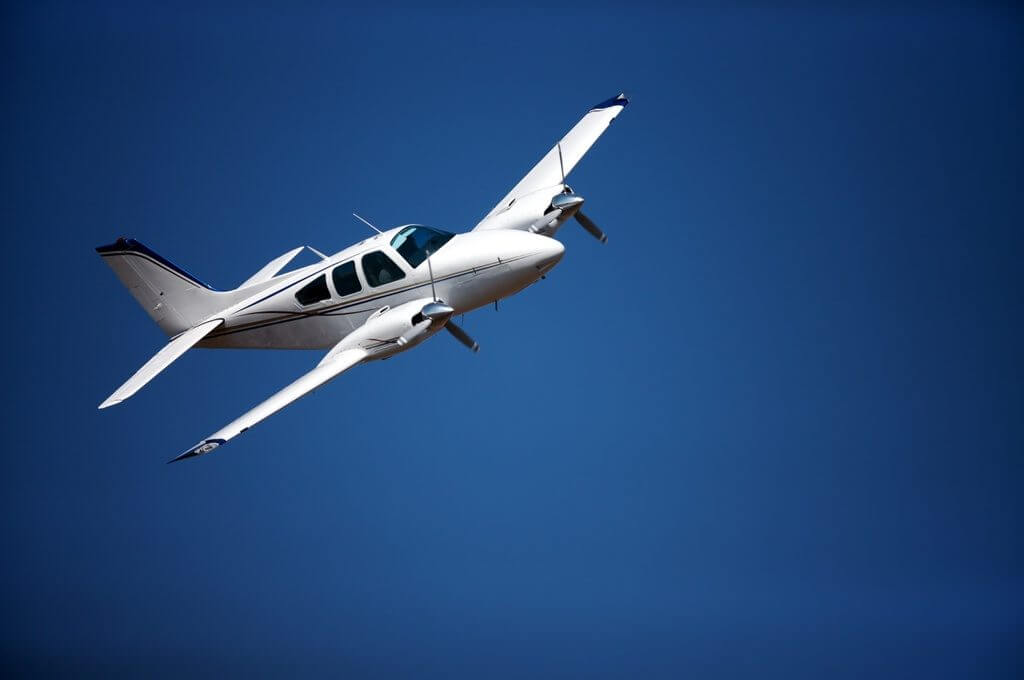
Building or owning an experimental aircraft is one of the most rewarding experiences in aviation. Whether you’re flying a Vans RV, Lancair, Glasair, or Kitfox, your airplane represents thousands of hours of craftsmanship and passion.
But when it comes to insurance, experimental aircraft require a different approach. Because they aren’t factory-certified, their risk profiles, and the underwriting requirements, are unique.
At BWI Aviation Insurance, we’ve been insuring experimental and homebuilt aircraft for more than 45 years. This guide breaks down what experimental aircraft insurance covers, how it works during construction and flight testing, what it costs, and how to get the best protection for your project.
1. What Is Experimental Aircraft Insurance?
Experimental aircraft insurance is specialized coverage designed for aircraft that are not type-certified by the FAA. These include:
– Amateur-built homebuilts (Vans, Zenith, Sonex, etc.)
– Kit-built aircraft (Glasair, Lancair, RV-10, RV-14, etc.)
– Experimental Light Sport Aircraft (E-LSA)
– Experimental Exhibition or Research aircraft
Because no two experimental aircraft are identical, policies must be tailored individually to each aircraft, pilot, and phase of operation.
2. Why Experimental Aircraft Insurance Is Unique
- Each aircraft is custom-built – Differences in materials, workmanship, and systems mean risk profiles vary widely.
- Flight testing introduces higher risk – FAA Phase I test periods are statistically the riskiest time for new aircraft.
- Limited standardization – Unlike factory aircraft, there are no universal repair manuals or production records.
Get Your Experimental Aircraft Insurance Quote Today>>
3. The Two Primary Coverage Phases
Experimental aircraft often need two distinct insurance phases:
- Builder’s Risk (Construction Phase):
Protects your aircraft during assembly or storage before it flies. Covers materials, avionics, engines, and components from fire, theft, vandalism, or damage in transit. Transitions seamlessly into full flight coverage after certification.
- Flight Coverage (Operational Phase):
Begins once your aircraft receives an airworthiness certificate. Includes liability and hull (physical damage) coverage. Can include endorsements for Phase I flight testing, instruction, or demo flights.
4. What Experimental Aircraft Insurance Covers
| Coverage Type | Description | Typical Limit |
| Liability Coverage | Protects you from legal claims due to injury or property damage caused by your aircraft. | $1M CSL standard |
| Hull Coverage | Covers your aircraft itself for physical damage, including flight and ground incidents. | Agreed value basis |
| Builder’s Risk Coverage | Protects aircraft parts during construction or storage. | Value of components |
| Flight Test Endorsement | Provides limited coverage during FAA Phase I testing. | Optional |
| Medical Payments | Covers small medical expenses for passengers or others. | $1,000 – $5,000 |
| Legal Defense | Pays attorney and court fees in covered lawsuits. | Included |
5. How Much Does Experimental Aircraft Insurance Cost?
| Aircraft Type | Typical Hull Value | Annual Premium Range |
| Vans RV-7 / RV-8 | $100,000 – $200,000 | $1,200 – $2,200 |
| Vans RV-10 | $200,000 – $400,000 | $2,000 – $3,800 |
| Lancair / Glasair | $200,000 – $600,000 | $3,000 – $6,000 |
| Kitfox / RANS | $75,000 – $125,000 | $800 – $1,800 |
| Custom Homebuilt (varies) | Varies | Custom quoted |
6. How Underwriters Evaluate Experimental Risks
- Pilot total time and time in make/model.
- Training and transition courses.
- Build quality and inspection reports.
- Hangar storage and location.
- Claims or accident history.
- Type of aircraft and powerplant.
- FAA Phase I test plan and completion.
7. What About Phase I Flight Testing?
During the FAA Phase I flight test period (typically 25–40 hours):
– Some underwriters provide liability-only coverage until testing is complete.
– Others will include hull coverage at higher deductibles or partial limits.
At BWI, we work directly with underwriters who specialize in experimental aircraft and offer policies that include Phase I protection whenever possible, so you’re covered from the very first takeoff.
8. Real-World Example: BWI Experimental Client
A first-time builder in Colorado completed a Vans RV-10 valued at $325,000.
Pilot Experience: 1,000 hours total, 250 hours in type, IFR-rated.
Coverage: $1M liability smooth / $325k hull / Phase I test endorsement.
Annual Premium: $3,125.
Because the pilot completed transition training and maintained a detailed build log, the underwriter offered preferred rates and full flight coverage from day one.
9. How to Lower Your Experimental Aircraft Insurance Premium
- Complete transition training in make/model.
- Keep your aircraft hangared.
- Document your build process thoroughly with logs and photos.
- Finish FAA WINGS or safety programs.
- Increase your deductible slightly to reduce premiums.
- Work with an aviation broker experienced in experimental coverage (like BWI).
10. Why Choose BWI for Experimental Aircraft Insurance
- 45+ years specializing exclusively in aviation insurance.
- 10,000+ active aircraft insured nationwide.
- 800+ five-star reviews.
- Access to every major aviation underwriter (AIG, Global Aerospace, Old Republic, Starr, and more).
- Fast quotes and same-day coverage for builders and owners.
- Dedicated specialists for experimental and amateur-built aircraft.
11. The Bottom Line
Building or flying an experimental aircraft combines passion, engineering, and adventure, but it also requires responsibility.
With the right insurance, you can protect your investment from construction through flight testing and beyond.
At BWI Aviation Insurance, we make it simple. We’ll help you secure affordable coverage tailored to your aircraft, experience, and flight goals.
Protect your aircraft. Protect your dream. Get your experimental aircraft insurance quote today at www.bwifly.com.
Continue Reading