

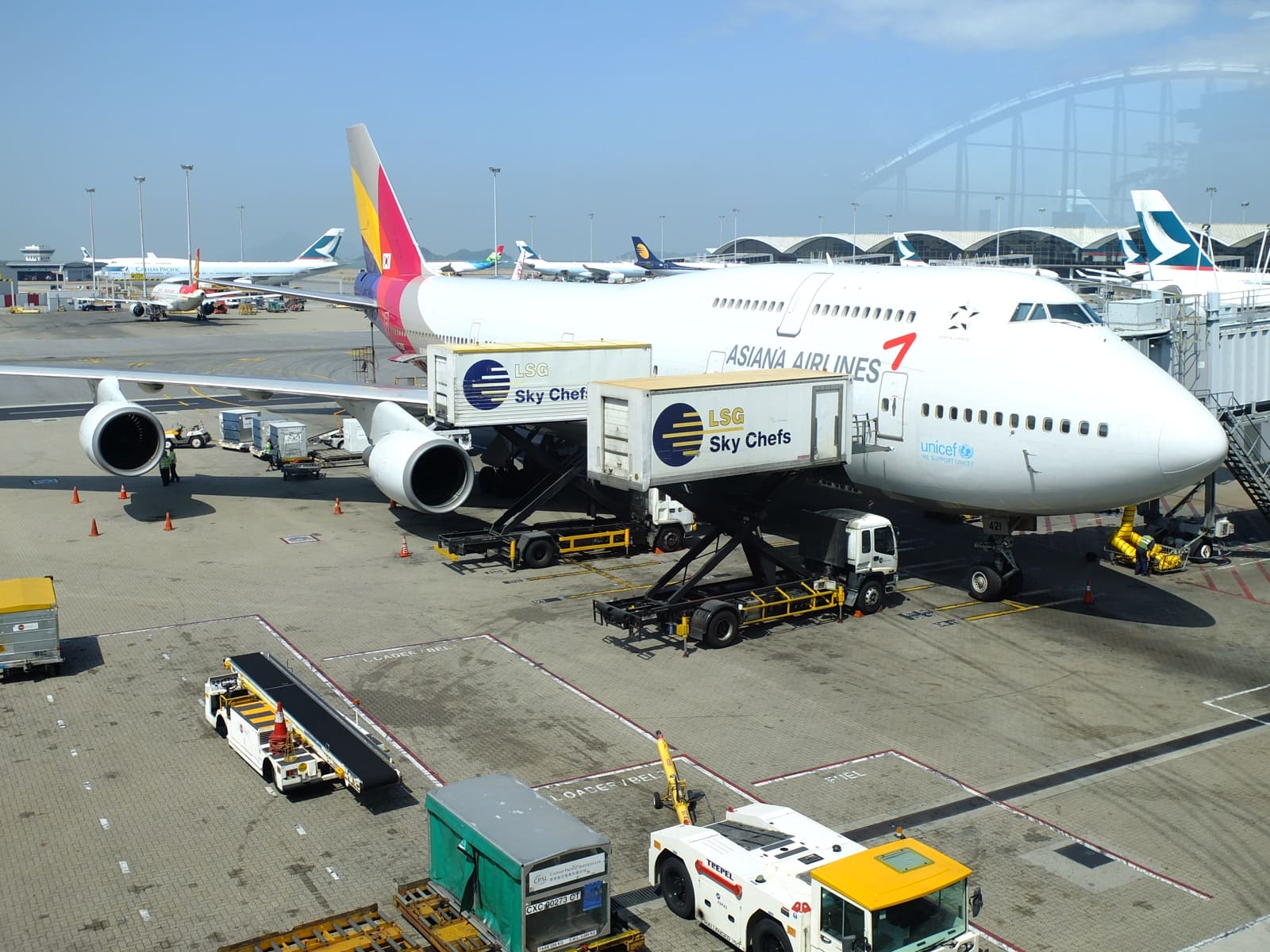
An aviation caterer's insurance submission should follow the meal from the kitchen to the aircraft. Food preparation, temporary storage, public-road transport, airport access and delivery beside an airplane involve different responsibilities. An application describing only a restaurant or delivery company may leave the aviation part of the business unexplained.
Begin with the services your company actually sells. A kitchen preparing charter meals has different responsibilities from a driver collecting sealed orders from restaurants. A business operating an elevating catering truck beside airline aircraft presents another operating picture. Describe those differences before comparing prices or accepting a customer's insurance requirements.
This guide helps a catering business organize that review. It does not establish food handling procedures, airport access permission or coverage under a particular policy. Use BWI's airport liability information as background, then bring the actual kitchen, vehicle, food supply and aircraft delivery arrangements to a commercial insurance discussion.
Identify the Business Behind Each Part of an Order
Name the company contracting with the aircraft operator, the company preparing the food and the employer of the delivery staff. If those roles belong to different entities, show the relationships. The business name appearing on a menu may differ from the entity that signs the airport access agreement or leases the catering vehicle.
Explain whether your company prepares meals, buys finished meals, repackages products, supplies beverages or provides people who enter the aircraft. Include equipment rentals and any cleaning or collection service. These activities should be visible in the application rather than buried in a customer contract that an underwriter has not been asked to consider.
Identify the customer accurately. An airline, charter operator, aircraft management company, broker and passenger may place orders through different channels. Record who authorizes changes and who accepts the completed delivery. A passenger's preference does not necessarily establish the purchasing entity's contractual instructions.
Create an operating description that follows a typical order, then add the exceptions. Include unfamiliar airports, unusually large orders, overnight holding, separate delivery subcontractors and last-minute restaurant purchases. The exceptions help explain the exposure that a simple annual revenue figure cannot show.
Keep Food Claims and Aircraft Damage Questions Separate
An allegation that food caused illness is different from an allegation that a catering platform damaged an aircraft door. Both may arise from the same order, but they require separate questions about the policies proposed for your business. Do not assume a large liability figure addresses both situations on identical terms.
For food and beverages, ask how the proposed wording addresses the products your company supplies and the activities it performs. Explain whether you manufacture, prepare, distribute or merely deliver the items. Ask how allegations involving several meals from one production run would be evaluated, including applicable limits and defense provisions.
For work beside or inside an aircraft, identify the potential damage and the business's role. Ask how aviation operations, aircraft property and any care, custody or control wording affect the proposal. Handling a galley cart does not necessarily mean the caterer has custody of an entire airplane; the facts and policy definitions need review.
A customer's aircraft hull insurance and your company's liability insurance protect different interests. Do not treat the customer's certificate as a substitute for your own review. Likewise, your certificate should not be presented as proof that every aircraft-related allegation would be covered.
Explain Food Safety Oversight Without Treating Insurance as Approval
FDA describes retail food protection as a cooperative system in which state, local and tribal agencies have primary oversight responsibilities, supported by FDA's model Food Code and other resources. Determine the requirements applicable to your actual business and locations with the appropriate authorities. A model code is not a substitute for that determination. [1]
For underwriting, explain the oversight and operating arrangements that actually apply. Identify the facilities used, responsible managers, outside suppliers and available inspection or training records. Do not describe a permit as an insurance endorsement or suggest that an insurer's quotation approves the kitchen's practices.
Keep technical food safety decisions with qualified personnel and the applicable authorities. This article supplies no holding temperatures, transport time limits or allergen management procedures. The insurance task is to accurately disclose what the company does and identify which records support that description.
If a customer imposes additional food specifications, include those obligations in the contract review. A promise to reimburse an operator for a rejected order, disrupted service or passenger complaint may raise different questions from a claim alleging bodily injury. Ask about the actual obligations rather than grouping all food problems under one label.
Follow the Handoff From Kitchen to Flight Crew
Document where an order changes hands. The kitchen may release it to a delivery company, an airport handler may hold it, and flight crew may accept it later. Describe who controls the food at each stage and what the records show about the handoff. Avoid filling gaps with assumptions about another company's procedures.
Ask whether your proposed insurance addresses your financial interest in food awaiting delivery, goods belonging to others and allegations of responsibility while transporting or storing them. These are different questions. An order's selling price does not automatically establish its insured value or the amount payable after a loss.
Identify reusable equipment alongside the food. Customer-owned carts, insulated containers, dishes and service equipment may travel between facilities and aircraft. List ownership, replacement values and who is responsible for return. A policy schedule for your kitchen equipment should not be assumed to include every borrowed cart.
Use records appropriate to the actual operation: the order reference, producing facility, dispatch information, receiving party and documented exceptions. Their purpose in the insurance discussion is to explain custody and later establish facts. A signed receipt does not settle every possible allegation about product condition or contractual responsibility.
Make Flight Changes Visible in the Insurance Review
A delayed departure can change where an order waits and who controls it. A substituted aircraft may require another delivery location or different equipment. A canceled flight may leave food, rented containers and customer charges in dispute. Explain how your business handles these commercial changes without presenting the description as a food safety procedure.
Ask separately about physical loss, rejected goods, replacement purchases, delivery costs and lost revenue. Those amounts do not become one covered loss merely because they appear on the same customer invoice. Identify which interests are addressed by the proposed wording and which remain business expenses or unresolved questions.
Describe who can approve changes in the ordering system. If a dispatcher changes the tail number or departure airport, staff should have a reliable record of the instruction rather than relying on an old printed delivery sheet. The insurance submission should accurately describe any services involving urgent transfers or deliveries beyond your usual territory.
Consider peak periods as well as normal operations. Several flights rescheduled at once may increase the quantity of food held, the number of vehicles dispatched and the amount of customer equipment on site. Tell the underwriter about concentrations that an annual average would conceal.
Review Catering Vehicles on the Road and Beside Aircraft
List each vehicle and explain its use. Include ordinary road deliveries, airport-only movements, leased vehicles and specialized lifting equipment. State who owns the vehicle, who maintains it and who supplies the driver. A vehicle description should reflect the actual operating arrangement rather than its public branding.
Ask the responsible vehicle insurer how the proposed use, locations and drivers are treated. Separately ask the aviation insurance contact about operations near aircraft and the damage allegations those operations could create. Do not infer that road vehicle insurance settles every aircraft-side servicing question.
FAA's active ground vehicle advisory circular provides guidance to airport operators on training programs for ground vehicle operations and pedestrian control, among other airport activities. It reinforces the importance of obtaining the airport's actual requirements. It does not establish insurance protection for a catering business or grant access to a particular airport. [2]
Include leases and equipment agreements in the review. A contract might allocate responsibility for a lifting mechanism, require evidence of insurance or address damage to a rented vehicle. Have the specific clauses evaluated; listing the truck on an application does not by itself establish that every contractual obligation has been accepted by an insurer.
Disclose Outside Kitchens and Delivery Subcontractors
A caterer that buys finished food from several suppliers should explain that model clearly. Identify the businesses involved, their services and the agreements governing quality, identification, delivery and complaints. Do not imply that your staff prepared or inspected food when those tasks belong to another company.
Ask how your own insurance responds to allegations involving a supplied product and your role in selecting, selling or delivering it. Review the supplier's insurance evidence separately. A certificate with a recognizable insurer name does not prove that its policy covers your company or the particular allegation that may arise.
For delivery subcontractors, identify whether they use their own vehicles, enter the airport under their own authority and handle customer equipment. Explain any supervision or dispatch role your business retains. Insurance review and the legal classification of workers are separate tasks; a label in an agreement does not resolve both.
Keep a practical process for changes. A replacement restaurant or delivery company introduced during a busy weekend can alter the operating description supplied at renewal. Identify who must inform the insurance coordinator when a new supplier relationship changes the services or contractual obligations your business assumes.
Read Customer and Airport Agreements Together
Bring the customer service agreement and airport access or operating documents to the review. They may address different matters: insurance evidence, responsibility for property, permitted activities, equipment standards and remedies for failed service. Identify which entity signs each agreement and which activities it governs.
Have counsel evaluate indemnity provisions, liability allocations and other contractual obligations. Ask the insurance contact separately whether the terms proposed can address the requested insurance provisions. A contractual promise and an issued policy endorsement are different documents with different purposes.
If a customer requests additional insured status, specified limits or particular evidence, send the exact wording. Ask what is available, which operations it applies to and how any status will be documented. Do not promise that a certificate alone creates rights or changes the policy.
Preserve unanswered questions in the proposal comparison. If one customer requires terms that have not been confirmed, identify the issue before committing to the work. An application submitted for review should not be described internally as completed coverage for a newly awarded contract.
Consider Kitchen Property and Interrupted Operations
Explain the kitchen premises, leased facilities and property used to fulfill aviation orders. Include refrigeration equipment, owned food inventory, packaging, service equipment and any property belonging to customers. Ask which interests and locations the relevant property proposal actually includes.
An equipment failure can create several costs: repair of the equipment, loss of food, replacement purchases and interrupted orders. Ask about each under the actual wording. Do not assume a property policy treats mechanical breakdown, spoilage and business income as interchangeable benefits.
Describe backup arrangements honestly. A partner kitchen might help preserve service, but its availability does not guarantee reimbursement for extra expenses. Explain the agreement, capacity and costs if the insurer requests them; ask which provisions address expenses incurred to continue operations.
For customer order systems, identify dependence on dispatch software, payment processing and outside hosting. Ask whether a separate cyber review is appropriate for your data and interruption exposures. Keep passenger information limited to what the submission needs, using the secure process requested by the insurance contact.
Use a Fictional Order to Compare the Questions
Consider a hypothetical caterer that prepares meals for a charter operator, leases a catering vehicle and obtains desserts from a separate bakery. A departure changes airports after preparation. The revised delivery arrives, but the operator reports a damaged aircraft panel and rejects part of the order. This is an illustration, not a customer case or prediction of coverage.
The aircraft damage review would need facts about the vehicle, people, location and alleged contact. The food dispute would require the order, supplier information, custody records and reason for rejection. The lease and customer contract would identify additional obligations to examine. None of these questions can be answered by the invoice total alone.
Use the scenario before buying insurance to ask which policy is intended for each interest. Identify limits, deductibles, material restrictions and any unresolved contract provisions. The result should be a documented explanation of the proposal rather than a promise that one incident will produce one uncomplicated payment.
Prepare a Catering Business Submission
Organize the information around your actual workflow. A short narrative plus supporting records can make the differences between a kitchen-only operation and a full aircraft-side catering service clear. Include the proposed start date for new services and identify changes from the previous application.
- Legal entities, ownership relationships, kitchen locations and airports served.
- Services performed, customer types, revenue information and typical order volumes.
- Food sourcing arrangements, outside kitchens and delivery subcontractors.
- Food, borrowed equipment and customer property values at each material location.
- Vehicles, lifting equipment, leases, drivers and airport access arrangements.
- Customer contracts, airport documents, existing policies and available loss information.
When comparing proposals, ask for the actual wording supporting important answers. Compare food and products allegations, aircraft-side operations, vehicle use, property, customer equipment and interruption questions separately. Confirm insured entities, locations, limits, deductibles, exclusions, conditions and effective timing. Record what remains unresolved and who will address it.
Keep the Review Current Between Renewals
Assign one person to receive changes from sales, dispatch and kitchen management. A new customer agreement, airport location or supplier can matter before the next annual application. Give that person enough detail to explain what changes, when it begins and which entity performs the work. Ask what confirmation is needed before the business relies on existing terms for the revised service.
After the policy is issued, retain the final endorsements and the operating description used in the submission together. A proposal comparison is useful preparation, but it should not replace the documents actually issued. If a requested provision differs from the final policy, raise the discrepancy promptly with the insurance contact and identify any customer obligation affected. Do not resolve it by changing the internal checklist to imply the requested term was obtained.
Questions From Aviation Catering Businesses
Does a restaurant policy automatically cover aircraft catering
Do not assume so. Explain preparation, delivery, airport access, equipment and work beside or inside aircraft. Ask the existing insurer and aviation insurance contact to evaluate the actual activities and policy wording before relying on the arrangement.
Does the airline policy protect an independent caterer
The airline's insurance does not by itself establish the caterer's protection. Review the business's own interests and responsibilities, contractual insurance provisions and any issued documents intended to recognize the caterer. Confirm the scope rather than relying on a customer's general assurance.
Are rejected meals and missed flight costs insured
They need separate questions. Rejection, physical damage, replacement expense, customer penalties and lost revenue are different interests. The cause, circumstances and actual policy terms matter; an invoice or service complaint alone does not establish a covered claim.
What if the business only delivers sealed orders
Describe that limited role accurately, including whose food and equipment you handle, the vehicles used and the delivery handoff. Limited preparation responsibilities do not remove the need to review road transport, airport operations, customer property and contractual obligations.
Request an Aviation Catering Insurance Review
Request a commercial aviation insurance review from BWI before beginning a new aircraft catering service or changing the delivery model. Provide the kitchens, airports, food sourcing arrangements, vehicles and customer agreements so the operating picture is clear. BWI can review the aviation submission and identify questions requiring the responsible vehicle, property or other specialist insurance contact. Available options depend on the business, underwriting and actual terms offered.
Sources
Continue Reading


