

A passenger boarding bridge contractor should review insurance around the work it performs between the terminal, the bridge equipment and the aircraft interface. Installing a replacement bridge, refurbishing an existing unit and responding to a maintenance call can involve different contracts and property interests. The bridge owner's insurance or an airport certificate requirement does not independently explain the contractor's complete protection for those activities.
Begin with the actual service agreement, the legal parties and the stages your business controls. Identify who owns the bridge, who operates it, who supplies equipment and who accepts the completed work. BWI's commercial aviation insurance information is a broader starting point. Coordinate the airport related questions with the company's existing construction, equipment, vehicle and other commercial insurance advisers.
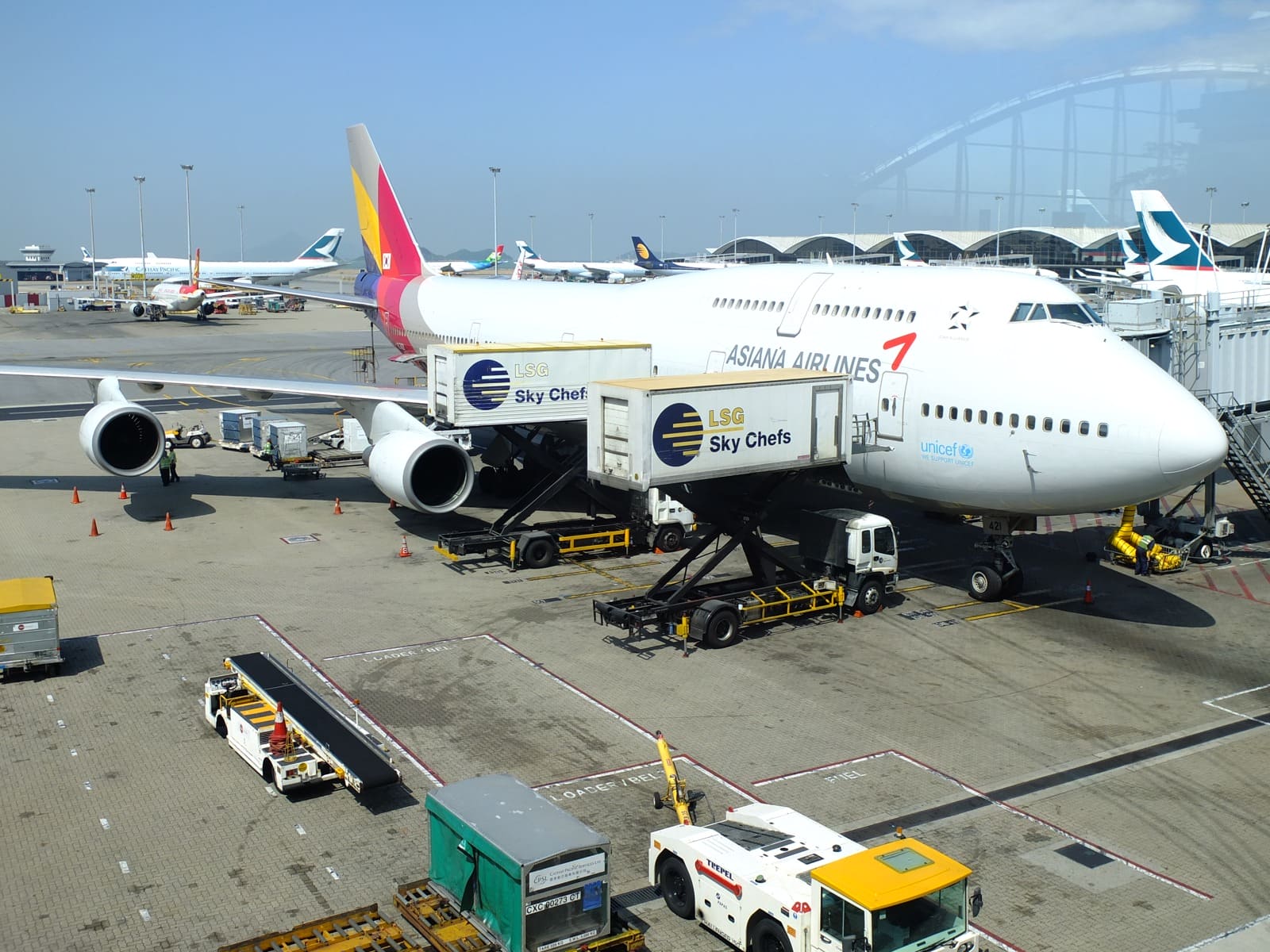
This guide is for the installation or maintenance business, rather than an airport buying insurance for its own facilities. It does not provide bridge operating instructions, maintenance procedures, passenger handling methods or a determination of accessibility requirements. Qualified technical, aviation and legal professionals must resolve those subjects for the actual equipment and project. An insurance offer does not authorize a bridge to enter service.
Describe the bridge contract and associated equipment
List installation, removal, relocation, refurbishment, inspection and maintenance services separately where applicable. Identify the equipment groups your company actually works on and whether the assignment includes associated fixed walkways or other facilities. A phrase such as gate equipment can hide work that differs materially from the task originally described to an insurer. Use the accepted scope rather than a general list copied from a sales brochure.
A primary boarding bridge contractor describes installation, maintenance and refurbishment as distinct commercial services. That is evidence of an actual service category, not a recommendation or confirmation that another company has equivalent capabilities. Explain your own role, locations and qualifications accurately. If your business is considering its first bridge installation after previously performing other airport work, identify it as a proposed change rather than established experience.
State whether the company supplies equipment, follows another party's design, provides engineering recommendations or undertakes a broader project management role. Those responsibilities can be included in one price while presenting different insurance questions. Have the responsible professionals verify the factual description. Do not let an invoice labeled maintenance conceal a modification or recommendation the company has actually agreed to provide.
Identify the owner operator manufacturer and contracting customer
Record the bridge owner, airport operator, airline user, manufacturer and contractor legal entities relevant to the assignment. They need not all be the same party. Explain who orders the service, who pays and who has authority to approve changes. A gate number identifies the location but does not establish which organization owns the equipment or has accepted responsibility under your company's contract.
Provide the complete customer and manufacturer agreements where they allocate relevant duties. An airport may request evidence while a separate business contracts for the installation. Identify every requested insured status and the policy to which the request is intended to apply. Shared use of a gate should not be assumed to make all airlines or affiliated entities insured under the same arrangement.
Have qualified counsel assess indemnities, responsibility for supplied equipment and obligations passed through from another agreement. Ask the insurance reviewers what available terms actually support. A contract signature does not expand a policy, and a certificate should not imply acceptance of every promise. Keep unresolved requirements visible while there is still time for the business to evaluate or negotiate its commercial commitment.
Separate technical standards from insurance acceptance
The FAA's aircraft boarding equipment guidance description includes passenger boarding bridges and recognizes design, manufacture, testing and maintenance subjects. It identifies a technical resource for qualified review rather than a universal insurance specification. The responsible project professionals must determine what applies to the actual equipment and airport. This guide does not interpret the circular's detailed requirements or certify that a particular installation complies.
For underwriting, explain who supplies the design and who evaluates compatibility with the intended installation. A contractor implementing supplied instructions may accept a different role from one recommending an equipment change. Provide the actual agreement and representative deliverable if the business supplies assessments or advice. Ask whether that professional role needs separate consideration alongside physical installation and maintenance liabilities.
Keep approvals, technical releases, acceptance records and insurance evidence distinguishable. They may concern the same bridge while answering different questions. A policy or additional insured endorsement does not establish equipment suitability. Similarly, an airport accepting a technical report does not guarantee that an insurer has accepted every service or contractual responsibility described in that report or a related project agreement.
Follow equipment during removal relocation and delivery
Identify who owns a new or refurbished bridge before installation, when your company becomes responsible for it and who arranges transportation. Include temporary storage, outside refurbishment and intermediate locations where relevant. The project site address does not necessarily describe every property interest. Ask the appropriate property insurance reviewer how the actual equipment, values and movements fit the proposed arrangement.
Describe removal of existing equipment separately from delivery of the replacement. The old bridge may remain customer property, transfer to another owner or be held pending disposal instructions. Retain the actual authorization and destination. A purchase order for a new installation should not be treated as unrestricted permission to sell, discard or relocate the existing unit and associated customer equipment.
If another business supplies lifting, transportation or specialist removal, identify the contractual relationship. Its certificate is evidence to review, not automatic proof that your company has no continuing responsibility. Explain who contracts with the provider and which obligations remain under the customer agreement. Technical methods belong with qualified personnel; insurance acceptance does not approve a lift, transport configuration or relocation plan.
Distinguish the bridge from existing terminal and aircraft property
Identify which existing property the work affects and what remains outside the agreed task. The bridge, terminal connections, associated equipment and an aircraft at the gate can involve different interests. A replacement price for one unit should not stand as an unexplained value for all property around it. Supply a clear description of the accepted work and supported values requested for review.
Ask how the actual liability and property arrangements address the equipment being worked on, property in your control and alleged damage elsewhere. A demand to correct your installation can differ from a claim involving terminal damage or injury to another party. Those categories require their own analysis under the issued terms. Do not assume a large airport liability limit settles all questions about the contractor's own work.
Explain whether your employees operate the bridge, participate in a demonstration involving an aircraft or provide instruction to customer personnel. Those activities should not be hidden under a statement that technicians perform routine checks. State who controls the equipment and aircraft in the actual arrangement without implying that the insurance review determines their operating authority. Changes to the task should receive the relevant review before reliance on earlier evidence.
Compare the contractor responsibilities by project stage
Use the following matrix to connect the customer agreement with the insurance inquiry. It separates recurring stages without assigning coverage or approving any technical activity. A repair call may involve only some rows, while a replacement project can involve all of them. Provide the relevant documents and clarify which activities the business performs itself rather than treating the comparison as a substitute for the complete submission.
| Stage | Facts to identify | Question to review |
|---|---|---|
| Removal | Owner authority and destination | What custody and disposal obligations remain |
| Delivery | Owner values storage and transit | Which property interests enter the proposed arrangement |
| Installation | Work facilities and subcontractors | How are the disclosed operations and existing property considered |
| Testing and handoff | Activities parties and acceptance | Which responsibilities change at each milestone |
| Continuing maintenance | Tasks dates and service promises | What services continue after the installation ends |
| Later allegation | Work history and actual demand | How are completed work and correction expenses distinguished |
Describe testing demonstrations and return to customer use
Explain the testing or commissioning work the business actually undertakes and who accepts the results. Identify any separate specialist and whether your company provides a limited service record or a broader performance assessment. The insurance submission should reflect that role accurately. Qualified technical personnel must determine the methods and conditions appropriate to the equipment; this article does not provide a test or release procedure.
Ask how the proposed terms address the disclosed testing phase, any use involving aircraft and the transition to customer operation. A contractor should not assume a factory warranty, a project property policy and its own liability program all begin or end at one event. Supply the actual dates and contract definitions. Retain the review response with the final evidence rather than relying on an informal statement that everything is complete.
For phased work, identify which bridge or portion has been accepted and which tasks remain open. A terminal project can progress across several gates while the overall contract continues. The final invoice date may not describe every handoff. Ask the relevant advisers what changes are needed in the insurance information before representing that the accepted arrangement matches the equipment's actual commercial status.
Identify changes to the agreed equipment or control configuration during the project as separate instructions. Applying a supplied update, recommending a modification and developing a new control solution can involve different professional roles. Have the qualified technical parties determine authority and suitability, then give the insurance reviewer the actual undertaking. An earlier proposal based on installation of a specified unit should not be represented as acceptance of an additional design service simply because both activities occur at the same gate or appear on one final invoice.
Keep maintenance agreements distinct from installation warranties
Describe the recurring tasks the company agrees to perform and the contract period. Scheduled service, response to an equipment complaint, remote troubleshooting and a warranty repair can represent different obligations. State whether the business has promised continuing monitoring or only responds when the customer requests assistance. Avoid using the phrase full service as a substitute for the duties actually accepted.
Identify who documents work performed by the customer or another contractor between your visits. The insurance review needs to understand your service boundary without assuming you supervise every activity at the gate. Keep the accepted task, observations and unresolved issues factual. A recurring maintenance agreement does not independently establish that the company has accepted responsibility for every part of an existing installation or every later change made by others.
Where the manufacturer authorizes a warranty task, retain that instruction alongside the customer's work order. Additional work requested during the visit may have a different commercial basis. Explain that division accurately and supply representative terms. Do not describe a manufacturer's warranty as insurance for your company or assume its willingness to pay a labor charge resolves all liability allegations involving the completed service.
Review downtime promises and replacement arrangements separately
Obtain the actual service level clauses, completion promises and obligations to provide replacement arrangements. A customer may seek compensation for a gate interruption, substitute boarding service or other commercial consequence. Ask how the particular concern relates to offered terms rather than assuming every amount below the liability limit is insured. Have qualified counsel assess whether the company should accept the promise itself.
Separate physical damage, alleged injury, correction of work and demands based only on delay or unavailable equipment. They may arise together while requiring different analysis. A voluntary refund or customer accommodation is not automatically an approved claim expense. Preserve the actual request and obtain appropriate guidance before agreeing to payment, releases or commitments that could affect another party's rights or an insurance review.
If the company provides operator familiarization or training as part of the contract, disclose that activity and its actual content. It should not disappear because no separate fee is charged. Ask how the proposed professional or operational description relates to that service. Insurance evidence cannot certify that a person has the qualifications or authority required to operate equipment, and this guide supplies no training method.
Include the workforce tools and subcontracted activities
Describe employees, temporary personnel and independent businesses working under the arrangement. Identify locations and actual roles rather than assuming a contractor label determines every employment or insurance obligation. Ask qualified advisers about workers compensation and the other commercial protection appropriate to the relationships. An airport liability certificate should not be treated as evidence that the complete workforce program has been addressed.
List owned, rented and borrowed equipment separately from property supplied for incorporation into the bridge project. Tools carried to another airport, rented access machinery and a replacement component have different ownership and use descriptions. Provide the relevant values, locations and rental terms. Ask the appropriate reviewers how the actual arrangements address them, including property away from the main workshop and use at several sites.
Explain subcontracted fabrication, electrical work, specialist assessment or other services where applicable. Identify who contracts with each provider, who owns property sent away and what responsibilities your company retains. Another provider's insurance certificate does not automatically eliminate allegations against the prime service business. Keep the legal entity and accepted scope with the work record, particularly when a replacement provider takes over a task previously submitted under another name.
Preserve the actual configuration and work history after a complaint
If a relevant allegation arises, follow the applicable reporting instructions and identify the bridge, location, work and actual demand. Preserve the information available at the time of the service and distinguish it from findings made later. A customer's report should remain an allegation until the responsible technical review establishes more. Do not rewrite an earlier service record to make a later conclusion appear to have been known already.
Coordinate proposed examinations, component handling and remedial work with the appropriate technical professionals and claim contact. State the specific action and any urgency. Necessary safety, legal and operating obligations require their own response; an insurance acknowledgment does not authorize every expense. Keep the original configuration information and the details of later changes identifiable so the review can consider what each party actually did.
A fictional replacement bridge and later maintenance call
Consider a contractor replacing a customer owned bridge while a separate company transports the removed unit to storage. The installation is accepted at one gate while work continues elsewhere. The contractor identifies equipment ownership, transportation duties, testing roles and the start of a separate maintenance agreement instead of assuming the full project ends when the first bridge returns to customer use.
Later, the customer alleges a service error and requests correction costs plus compensation for a gate interruption. The contractor preserves the accepted scope, handoff record, maintenance history and relevant outside provider documents. It follows the applicable reporting process and separates allegations from confirmed findings. This fictional example is not a BWI customer result, technical diagnosis or assurance that a policy pays the costs described.
Request a boarding bridge contractor review from BWI
Request a commercial insurance review from BWI with the legal entity, bridge services, customer and manufacturer agreements, locations, property interests and supported values. Include removal, transit, installation, testing, aircraft involvement, training and continuing maintenance as applicable. Identify proposed expansions separately. Existing policyholders should use the service channel confirmed for their account when requesting changes to current protection.
Compare the proposed arrangement with the actual business duties and final contract requirements. Retain issued documents and accepted schedules, and identify any unresolved service or property interest before relying on a certificate for a new project. The useful result is an insurance discussion following the contractor's own responsibilities through delivery and handoff, with technical approval and safe operation addressed by their respective qualified professionals.
Continue Reading


