
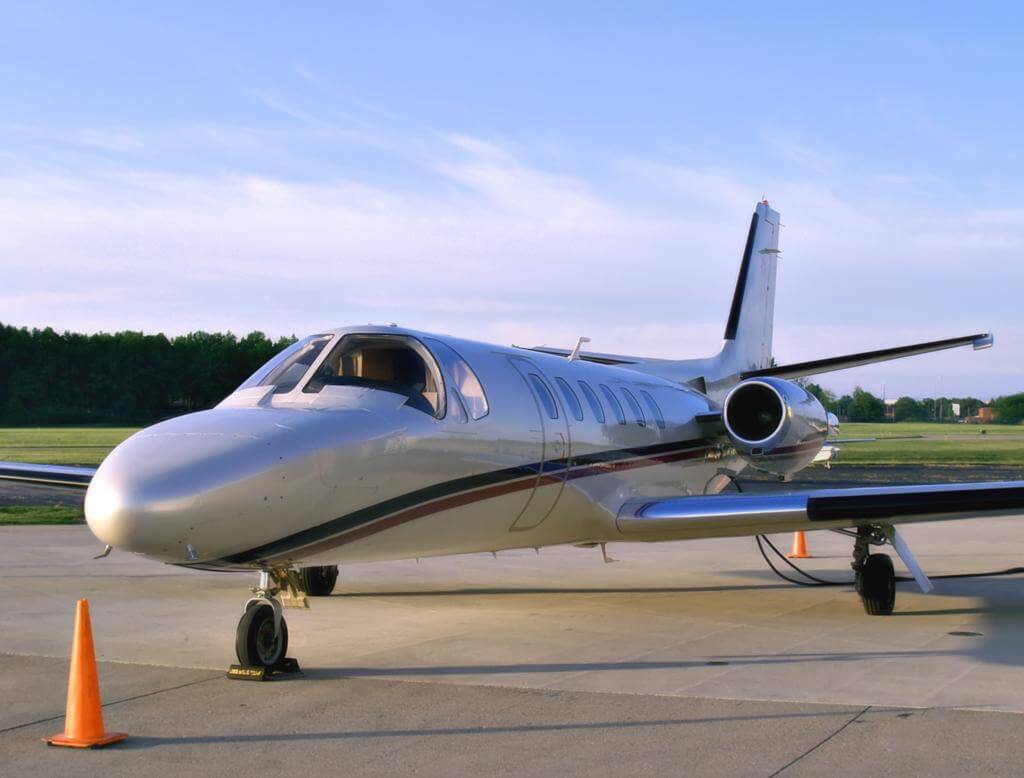
Private airplane insurance cost is one of the first realities new aircraft owners encounter after purchasing or considering the purchase of an airplane. It is also one of the most misunderstood. Many owners expect private airplane insurance to be similar to auto insurance: a quick quote, a predictable price, and minimal variation year to year. Aviation insurance does not work that way.
In 2026, private airplane insurance costs reflect a combination of higher aircraft values, rising repair expenses, longer downtime after losses, and increasingly aggressive liability claims. At the same time, insurers are underwriting more carefully, applying stricter policy language, and differentiating sharply between well-managed risks and poorly presented ones.
This article explains what private airplane insurance really costs in 2026, what factors drive pricing, how private insurance differs from personal and commercial coverage, and how aircraft owners can make informed decisions that protect their aircraft, their assets, and their long-term financial security.
If you want a general overview of aircraft insurance before focusing on cost, start here:
https://bwifly.com/aircraft-insurance/
What Is Meant by Private Airplane Insurance
Private airplane insurance refers to coverage written for aircraft that are owned and operated for private use, not for commercial or revenue-generating purposes. This typically includes recreational flying, personal transportation, proficiency flying, and limited non-commercial business travel where no compensation is involved.
Private airplane insurance is sometimes used interchangeably with personal airplane insurance. In practice, insurers focus less on the label and more on the actual use of the aircraft. What matters is how the airplane is flown, who flies it, and what exposure it creates.
Private does not mean low risk. Even privately flown aircraft can generate substantial liability and financial exposure.
Why Private Airplane Insurance Cost Is Not a Fixed Number
There is no standard or average price for private airplane insurance. Every policy is individually underwritten based on the aircraft, the pilot, and the operation.
Two owners flying the same make and model can receive very different premiums. One may pay significantly more than the other, not because of randomness, but because insurers see the risks differently.
Private airplane insurance cost is best understood as a range influenced by variables that work together rather than a single number.
The Two Main Components of Private Airplane Insurance Cost
When evaluating private airplane insurance cost, it is helpful to separate the premium into its two core components.
Liability Insurance Cost
Liability insurance protects the aircraft owner if bodily injury or property damage is caused to others as a result of aircraft operation. This includes passengers, people on the ground, and third-party property.
Liability coverage often has a greater impact on long-term financial protection than hull coverage, even though hull coverage feels more tangible.
In 2026, liability claims are more expensive due to rising medical costs, legal fees, and jury awards. Higher liability limits increase premium, but often by less than owners expect.
Hull Insurance Cost
Hull insurance protects the physical aircraft itself against damage from covered occurrences such as accidents, weather events, or ground incidents.
Hull insurance cost is driven primarily by the insured value of the aircraft. Higher values result in higher premiums because potential repair or replacement costs are higher.
Choosing the correct hull value is one of the most important decisions in private airplane insurance.
Typical Private Airplane Insurance Cost Ranges in 2026
While exact numbers vary widely, private airplane insurance premiums in 2026 tend to fall into predictable ranges once aircraft type and usage are understood.
Lower-value single-engine piston aircraft used strictly for private flying typically sit at the lower end of the spectrum. Higher-value aircraft, high-performance singles, complex aircraft, and multi-engine airplanes carry higher premiums.
The most important takeaway is that private airplane insurance cost scales with risk, not just with ownership.
Aircraft Type and Its Impact on Private Insurance Cost
Aircraft type is one of the strongest drivers of private airplane insurance cost.
Basic trainers and entry-level aircraft generally cost less to insure due to lower hull value, simpler systems, and lower claims severity.
High-performance singles, aircraft with retractable gear, and aircraft with more complex systems cost more to insure.
Multi-engine aircraft cost more due to increased complexity and higher claims severity.
Insurers also consider claims history by make and model. Some aircraft are more expensive to repair or have higher loss frequency, which directly affects pricing.
Hull Value and Why It Drives So Much of the Cost
Hull value represents the insured value of the aircraft. It is one of the most direct pricing variables in private airplane insurance.
Higher hull values increase premium. Lower hull values reduce premium but can leave the owner underinsured.
In 2026, many aircraft values remain elevated due to limited supply and strong demand. Owners who insure based on outdated values often discover coverage gaps only after a loss.
Hull value should reflect realistic market value, not purchase price or arbitrary estimates.
Liability Limits and Asset Protection
Liability limits play a critical role in private airplane insurance cost and protection.
Carrying minimum liability limits may reduce premium, but it can expose the owner to catastrophic financial loss in the event of a serious accident.
In 2026, liability claims can easily exceed minimal limits due to medical expenses and legal costs alone.
Many private owners increase liability limits once they understand how affordable higher limits often are relative to the protection gained.
Liability coverage should be selected with asset protection and future income in mind.
Pilot Experience and Its Influence on Cost
Pilot experience is one of the few factors owners can actively improve over time.
Insurers evaluate total flight time, time in make and model, ratings, recency, and training history. Relevant experience matters more than total time alone.
Transitioning into a new aircraft type often increases premium temporarily. That premium usually decreases as experience is gained.
In 2026, insurers increasingly reward formal transition training and recurrent training, even for private owners.
Aircraft Use and How It Affects Private Insurance Cost
How the aircraft is used matters more than many owners realize.
Purely recreational flying is typically the least expensive to insure.
Limited business use may be allowed under some private policies, but must be disclosed accurately.
Using the aircraft in support of a business, even without compensation, can change underwriting classification.
Misclassifying use is one of the most common and dangerous mistakes owners make. Policies are written based on declared use, not assumptions.
For pilots flying aircraft they do not own, non-owned coverage applies instead:
https://bwifly.com/aviation-insurance/non-owned-aircraft-insurance/
Storage and Location Considerations
Where and how the aircraft is stored affects private airplane insurance cost.
Hangared aircraft typically receive better pricing than tied-down aircraft due to reduced weather and ground risk.
Geographic factors such as weather patterns, congestion, and operating environment also influence underwriting.
Aircraft based in challenging environments may face higher premiums.
Maintenance Quality and Its Impact on Cost
Maintenance quality plays a meaningful role in private airplane insurance cost.
Insurers expect aircraft to be maintained in accordance with regulations and good aviation practice. Clean logbooks, consistent inspections, and reputable maintenance facilities are viewed favorably.
Deferred maintenance, incomplete records, or unresolved airworthiness issues can increase premium or restrict coverage.
For a deeper look at how maintenance affects insurance, review:
https://bwifly.com/commercial-aviation-insurance/aircraft-maintenance/
Deductibles and Cost Tradeoffs
Deductibles influence premium by shifting some risk back to the owner.
Higher deductibles generally reduce premium. Lower deductibles increase premium.
Owners should select deductibles based on what they can comfortably absorb, not just what minimizes cost.
Why Quotes for Private Airplane Insurance Vary So Widely
Owners are often surprised by the variation in private airplane insurance quotes. This variation is not random.
Different insurers have different appetites, claims history, and underwriting philosophies. One insurer may be aggressive on a particular aircraft type while another avoids it.
How the risk is presented also matters. A clear, accurate submission can materially improve pricing and terms.
This is where an aviation-focused insurance broker adds significant value.
Common Mistakes That Increase Private Airplane Insurance Cost
Some common mistakes include underinsuring hull value, carrying minimal liability limits, misclassifying use, allowing unauthorized pilots to fly, and failing to review policies annually.
Another mistake is focusing solely on premium without understanding coverage structure.
These mistakes often surface only after a loss.
How Often Private Airplane Insurance Cost Should Be Reviewed
Private airplane insurance should be reviewed annually at renewal and anytime there is a significant change.
Changes that warrant review include aircraft value changes, pilot experience changes, new ratings, changes in use, or changes in storage.
Automatic renewal without review is one of the most common reasons owners overpay or carry outdated coverage.
The Role of an Aircraft Insurance Broker in Managing Cost
Private airplane insurance cost is not fixed. It can often be improved by better presentation, proper coverage structure, and access to the right insurance markets.
An aviation-focused insurance broker helps owners:
-Select appropriate liability limits
-Choose realistic hull values
-Avoid unnecessary exclusions
-Access insurers best suited to the risk
To understand BWI’s aviation-only approach, visit:
Cost Versus Risk: The Real Equation for Private Owners
Private airplane insurance cost should always be evaluated against the cost of an uninsured or underinsured loss.
Aircraft damage, liability claims, legal defense, and personal asset exposure can quickly exceed the annual premium many times over.
Insurance is about transferring risk that owners cannot afford to retain.
The 2026 Bottom Line on Private Airplane Insurance Cost
In 2026, private airplane insurance cost reflects real risk in a demanding aviation environment. Pricing is driven by aircraft type, value, pilot experience, use, maintenance quality, and liability exposure.
There is no shortcut to the lowest premium, but there is a clear path to fair pricing and strong protection.
Owners who understand how insurers think and work with aviation specialists consistently achieve better outcomes.
Why Private Aircraft Owners Should Contact BWI in 2026
Understanding private airplane insurance cost requires more than an online estimate. It requires aviation-specific expertise and access to the full aviation insurance market.
BWI Aviation Insurance focuses exclusively on aviation. That specialization allows BWI to help private aircraft owners structure coverage correctly, manage cost intelligently, and avoid the mistakes that lead to denied claims or uncovered losses.
If you want private airplane insurance done right in 2026, here is what to do next.
Review private and personal aircraft insurance options:
https://bwifly.com/aircraft-insurance/
Request aircraft insurance quotes tailored to your aircraft, experience, and usage:
https://bwifly.com/aircraft-insurance/
If you want help understanding why your premium looks the way it does or how to optimize coverage without increasing risk, contact BWI directly to discuss strategy before there is ever a claim:
Private aircraft ownership should be enjoyable, not financially stressful. BWI helps make sure your insurance supports that goal.
Continue Reading