

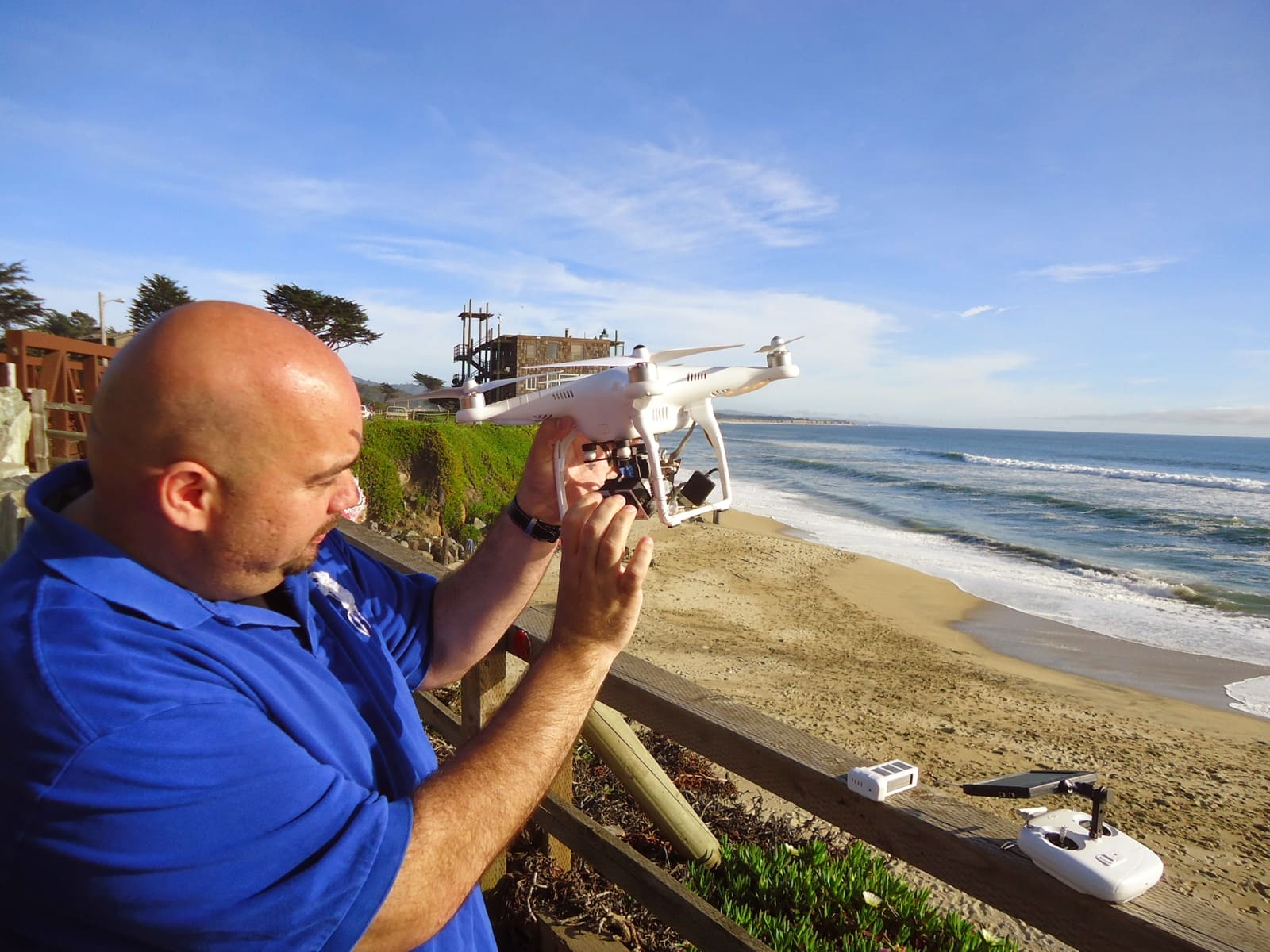
Film production drone accident insurance should be reviewed around the actual operator, production company, aircraft and filming plan. A production’s general insurance arrangements should not be assumed to include every aviation exposure, and a drone operator’s certificate does not automatically establish the producer’s protection. Identify the policies and interests before the shoot, rather than after an incident reveals that everyone relied on a different assumption.
Start by separating injury or damage involving others, damage to the drone and camera equipment, workforce questions and the financial consequences of a delayed shoot. These concerns may involve different contracts and conditions. One event on set can create several insurance questions without making all of the related costs payable under one policy.
This guide addresses production coordination and the records useful when a drone incident occurs. It complements BWI’s photography and videography insurance information and the broader drone insurance page. Actual coverage and claim handling depend on the issued terms and facts, not the production’s label or the size of its insurance certificate.
Identify the Producer Operator and Equipment Owners
Write down the legal production entity, the drone operator’s business and the owners of the aircraft, camera, lens and payload equipment. Include any rental organization or subcontracted aerial unit. A single crew member may represent one business while using property belonging to another. Those relationships should be described accurately so the insurance review can identify whose interest and responsibility are being discussed.
Explain who contracts with the client, who hires the pilot and who provides the equipment. A production coordinator’s schedule may list names without identifying the relevant business relationships. Collect the actual agreements and distinguish each organization’s role. Do not assume the camera department’s equipment arrangement also establishes the aircraft operator’s insured status or the producer’s aviation protection.
If the production changes operators or equipment before the shoot, update the insurance inquiry. A review for one aerial unit should not become presumed acceptance of a substitute. Keep the final people, entities and equipment consistent across the operational description, contract evidence and relevant policies. A familiar crew nickname is not a substitute for the legal applicant or insured name.
Describe the Filming Plan Before Requesting Terms
Provide the proposed locations, dates, aircraft, pilots and type of filming. Explain material features such as an occupied set, moving subjects, structures, indoor work or travel to another jurisdiction where relevant. The description should reflect the actual assignment, not a simplified version chosen to make the application easier. Ask what additional information underwriting needs for the specific work.
The production team and qualified aviation professionals must assess the applicable operational requirements separately. The FAA’s Part 107 waiver guidance explains the role of waivers for certain operations outside the applicable limitations. It is not an insurance endorsement. An insurance quote likewise does not authorize a proposed flight, establish site permission or resolve every operational requirement.
Keep changes to the shot plan visible. A different location, timing, aircraft or operating arrangement may need another review before the crew proceeds. A production’s urgency does not make an earlier insurance description apply to every revised plan. Assign a person to communicate material changes to the relevant contacts and obtain the required responses.
Separate Aviation Liability From the Producers Other Policies
Identify the policy addressing the drone operation and review the actual insured entities, aircraft, use, pilots, limits and relevant provisions. Do not infer aviation protection solely from a production insurance package or a general liability certificate. Ask the relevant insurance contacts how the actual contracts treat the operation and any request to protect the production company or client.
If an upper liability layer is involved, confirm what it sits above and whether the aviation exposure is included. Separate policy limits cannot simply be added together because they appear in the same production file. Review the underlying arrangement, attachment, exclusions and available limits. A higher number should be connected to a document-supported structure before it is represented as protection for the shoot.
Keep workforce and other business questions separate. A crew member’s injury, a property owner’s demand and an allegation about delivered footage may not be the same coverage issue. Identify the relevant arrangements and appropriate advisers rather than allowing a broad statement that the production is insured to replace a review of the actual interests.
Match the Drone Camera and Rental Equipment to the Documents
| Production concern | Documents to identify | Question to resolve |
|---|---|---|
| Drone operation | Operator agreement and aviation policy | Which entities, aircraft and operations are actually insured? |
| Camera and payload | Equipment list, ownership and rental terms | How is the airborne configuration treated? |
| Producer or client status | Written requirement and accepted endorsements | What protection is established for the requested party? |
| Higher liability limit | Primary and upper-layer documents | Does the additional layer address the relevant aviation exposure? |
| Crew and workforce | Employment arrangements and relevant policies | Which separate obligations and protection need review? |
| Delay or replacement costs | Actual expense and any separate coverage | Does a policy address the specific financial loss? |
Prepare an equipment record showing the aircraft, attached camera, lens, gimbal, sensor and other relevant components. Identify owners, rental agreements and values in the format requested for review. Avoid assuming a hull amount includes every rented item or that a camera policy necessarily addresses the equipment while used as an airborne payload. Ask about the actual terms for the planned configuration.
Record equipment substitutions before relying on existing evidence. A replacement camera package or drone can have different ownership, value and policy treatment. A rental checkout list is a property record, not automatic confirmation of insurance acceptance. Keep the final accepted equipment information with the applicable insurance documents and note the effective dates of any changes.
Include ground equipment and transport where relevant, but distinguish those interests from the airborne setup. A controller, monitor or charging case may be insured differently from the aircraft. Describe the actual property and custody arrangements instead of assigning every item to a single total. The comparison should show what is included, what is separate and what remains unresolved.
Review Contracts and Insurance Evidence Before the Shoot
Obtain the full production, location and aerial-service insurance requirements. Identify the entities, lines, limits, endorsements and evidence requested. Appropriate counsel should assess the obligations and risk allocation, while the insurance contacts review what the offered policies support. A contract requirement does not establish that an insurer has accepted the requested term.
Ask about additional insured or other requested status using the actual wording. A certificate-holder entry should not be treated as equivalent to every policy right the producer expects. Confirm the relevant endorsements and record differences between requested and offered language. Unresolved terms should be visible before anyone promises the client that the requirement has been met.
Verify the final certificate against the correct policy, entities and dates. Retain the underlying documents supporting the important representations. If a request remains pending, do not use a preliminary document to imply acceptance. Accurate evidence is particularly useful when several companies, equipment owners and locations are involved in a short production schedule.
Create an Incident Contact Plan
Before filming, identify the production’s responsible contact, the drone operator’s contact and the reporting instructions for each relevant insurance arrangement. People should know where to find those instructions without deciding the outcome of a future claim. Keep immediate safety and emergency procedures with the appropriate production and aviation professionals; this article is not an emergency-response manual.
Assign a practical method for preserving operational and production records if an event occurs. Identify who retains flight files, equipment lists, rental records, shot information and communications. A clear contact plan helps avoid a situation where one person assumes another has already reported the matter. It does not replace the actual notice and cooperation requirements in any policy.
Limit sensitive information to the appropriate authorized channels. An incident can involve personal details, medical information or confidential production material. A general crew chat should not become the default destination for every record. Follow the relevant professional guidance and share what is needed with the people responsible for the particular safety, legal or insurance task.
After an Event Record Observations Before Conclusions
Describe the event factually, including the date, location, aircraft, operator and sequence of observations. Separate what the pilot saw from what a witness reported or a flight application displayed. The production may need to make immediate operational decisions, but those decisions should not be confused with a final explanation of the cause or an insurer’s coverage determination.
Preserve available flight records, photographs and relevant footage in their original form. Keep a separate copy for notes or analysis rather than editing the source to illustrate a preferred theory. Record time-zone information where it helps connect flight files, cameras and crew accounts. Distinguish confirmed equipment identification from an assumption based on a similar package used on another day.
Keep later information in dated additions. If inspection reveals further damage or another organization supplies a report, preserve the source and explain what changed. Do not rewrite the original account to make it appear that every fact was known immediately. An orderly chronology helps the responsible reviewers assess developing information without losing the original observations.
Report Through the Applicable Channels
Follow the relevant policy reporting instructions and obtain appropriate guidance about any separate aviation or government reporting obligations. A producer’s internal incident form does not automatically notify every insurer, and an insurance notice does not necessarily satisfy a regulator’s requirements. Identify the actual channels rather than assuming one message reaches all of the responsible parties.
For a United States operation under Part 107, 14 CFR 107.9 assigns the FAA report to the remote pilot in command and sets a deadline of no later than ten calendar days for qualifying events. Its criteria include serious injury or any loss of consciousness and specified damage to property other than the small unmanned aircraft. The property provisions address repair cost including labor and materials, or fair market value in a total loss, with $500 exceptions. Review the exact rule with the responsible aviation professional; do not use the drone repair invoice alone to decide whether a report is required.
Provide the information requested and preserve acknowledgment or claim reference details. If the production and operator have separate placements, coordinate the factual account without assuming one insurer’s response determines the other’s obligations. Different interests and allegations can require separate review. Keep each file clearly identified so a discussion about equipment does not become an assumed liability decision.
For production coordination, keep a dated reporting log identifying the organization contacted, the person handling the matter and any acknowledgment received. Mark unresolved reporting questions clearly and assign follow-up responsibility. This is a suggested administrative record, not a replacement for a required report. Do not wait for the insurer to accept a claim before checking a separate reporting deadline, and do not assume a submitted FAA report provides notice under every relevant policy.
Avoid making a private settlement, promising payment or signing a release that could affect rights without appropriate guidance. The immediate desire to keep a production moving can create pressure to resolve matters informally. Preserve the facts and bring the issue to the relevant professionals rather than treating a quick commercial arrangement as a completed insurance assessment.
Separate Repair Replacement and Production Delay Costs
Identify each actual expense and the reason it arose. Aircraft repair, damaged camera equipment, replacement rental, additional location time and delayed filming are different cost categories. A covered physical-damage event should not be assumed to make every related production expense payable. Ask which contract, if any, addresses the particular loss and what terms or limits apply.
Keep estimates, authorizations, invoices and completed charges separate. An early estimate can change after inspection, while a business decision to rent replacement equipment may be made before coverage has been determined. Record the decision and discuss the relevant terms rather than promising the vendor that an insurer will reimburse every amount. The actual claims process needs its own confirmation.
If replacement equipment will be used to continue filming, review its insurance before relying on the lost or damaged equipment’s documents. Identify ownership, configuration, value and operation. Continuing the production and resolving the original incident are related tasks, but one does not automatically complete the other. Keep the new submission and the existing claim records distinct.
A Hypothetical Production Uses a Subcontracted Aerial Unit
Consider a hypothetical producer hiring an outside drone company for location footage. The drone company supplies the aircraft and pilot, while the camera package is rented under another agreement. During the assignment, an event affects the aircraft and equipment and a location representative reports property damage. The example illustrates coordination questions, not a BWI customer case or a prediction of coverage.
The responsible people follow the appropriate safety procedures and reporting instructions. They identify the relevant entities, equipment and contracts, preserve flight and production records, and distinguish the equipment loss from the third-party allegation. The producer does not assume its general policy or the operator’s certificate resolves every question. Each interest is connected to the actual documents and assigned process.
If a replacement aerial unit is proposed, the production obtains the necessary operational and insurance review before relying on the substitute. Delay and replacement costs are recorded separately for assessment under any applicable arrangement. The lesson is to coordinate roles and records before the shoot, so an incident does not reveal that several companies each expected another party to manage the entire issue.
Prepare a Film Production Drone Insurance Review File
Keep the production entity, operator, pilot, aircraft and equipment information together with the actual agreements and requirements. Include locations, dates and a clear description of the proposed filming. Mark pending approvals and provisional facts. A useful review file distinguishes the plan being proposed from the arrangement that has actually been accepted.
Retain final policies, endorsements and evidence supporting the important representations. Assign responsibility for changes to the shot plan, equipment and personnel. The file should be usable by the people managing contracting and scheduling as well as the insurance contact. Avoid distributing an obsolete version after the production has changed an important fact.
For future work, revisit the review rather than treating one completed shoot as approval for all later assignments. A new location, operator, payload or client requirement can require another assessment. The purpose is a repeatable factual process that follows the actual production, without promising that one insurance arrangement fits every film project.
Film Production Drone Accident Insurance FAQs
Does a productions general insurance automatically cover the drone
Do not assume it does. Review the actual aviation, property and other relevant terms for the operation and interests involved. A general certificate is not a complete answer.
Is the producer protected by the drone operators certificate
Identify the requested status and relevant policy endorsements. A certificate can communicate information but should not be treated as creating broader rights than the actual documents provide.
Is a rented camera included with the aircrafts hull protection
Check the specific equipment, ownership, values and policy treatment. The aircraft’s inclusion does not automatically resolve every payload or rental interest.
Will insurance pay for a delayed shoot after an accident
Delay and other business costs require their own coverage review. A physical-damage or liability policy should not be assumed to reimburse every related production expense.
Does an FAA waiver establish insurance acceptance
A waiver addresses the regulatory operation described in its terms. It does not amend an insurance policy. Confirm the appropriate operational permissions and insurance acceptance separately.
Get a Drone Insurance Quote From BWI for Your Production
Bring BWI the production and operator information, filming description, aircraft and equipment details, pilot information and written client requirements. Explain what is confirmed and what may change. A precise submission helps focus the discussion on the actual aviation protection and evidence being requested.
Available terms depend on underwriting and the issued policy. A quote inquiry does not authorize a flight, satisfy every production contract or determine an existing claim. Confirm the final accepted terms before relying on them, and use the designated claims channels for an incident that has already occurred.
Continue Reading


