

A LiDAR mapping assignment can finish its flights successfully and still produce a dispute about the delivered data. The customer may challenge a classified point cloud, a derived surface, a coordinate reference or a promise about the result's intended use. Drone insurance preparation should therefore describe the deliverable and professional responsibilities alongside the aircraft, sensor and flight.
Begin with what the client is buying and who accepts each part of that promise. Supplying collected data to a surveying firm is different from delivering an interpreted model directly to an owner. Neither an expensive sensor nor a certificate headed commercial drone insurance establishes protection for every allegation about the finished work. Ask which actual terms address the disclosed services.
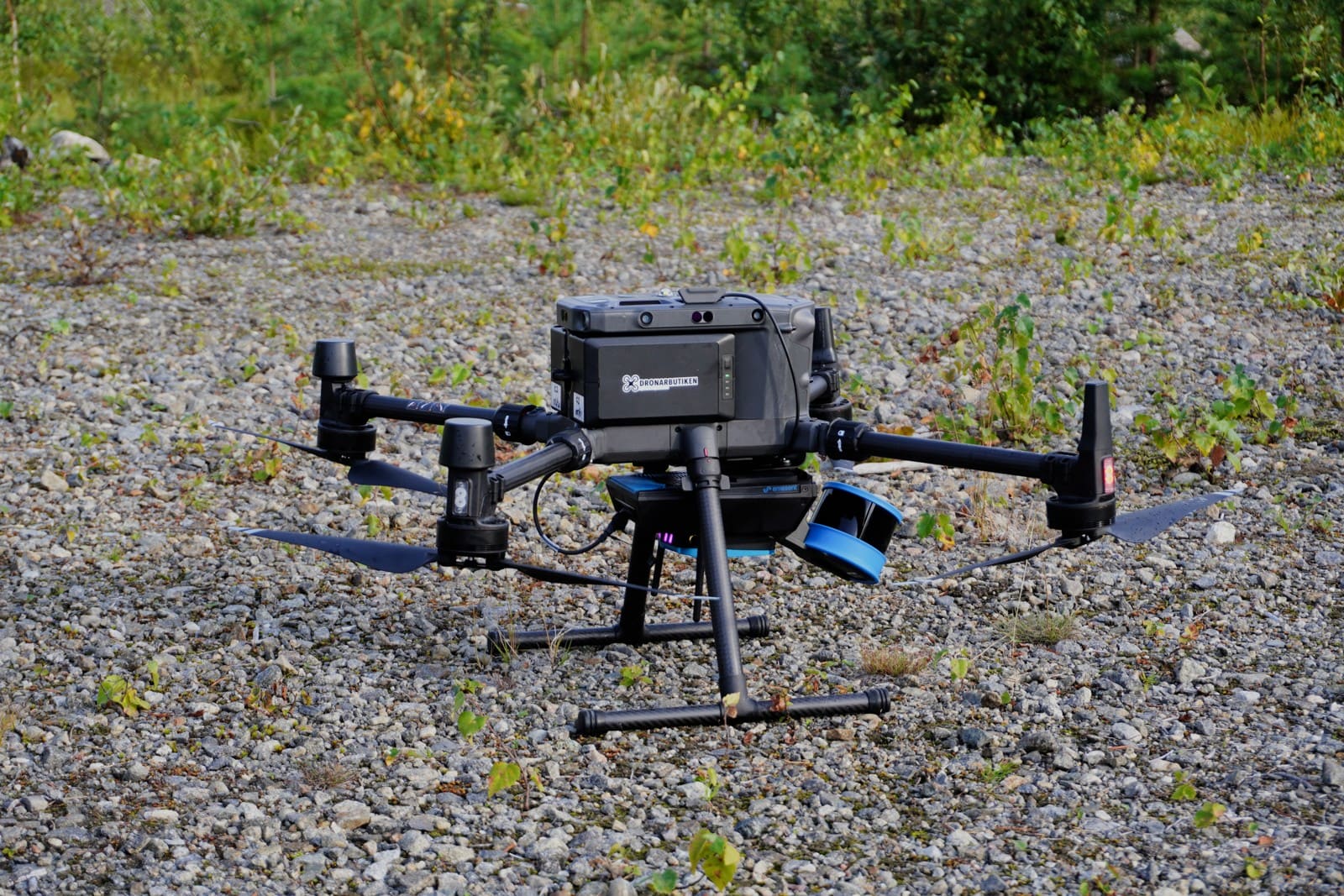
This guide focuses on the insurance submission for LiDAR mapping deliverables, processing and handoff. BWI's mapping and geophysical drone insurance resource provides broader operating context. Rented-sensor custody, quarry inventory reporting and software development remain distinct subjects. Qualified surveying, technical, legal and insurance professionals must assess the real work; this article does not prescribe mapping methods, confer professional qualifications or promise placement for every service.
Name the Product Before Describing the Insurance
Write a short deliverable description using the statement of work. Is the business supplying collected point data, classified point data, a derived elevation surface, imagery, an interpreted report or several separate products? Identify which are draft, final or supplied only for a defined review. A sales description such as mapping package may conceal differences that matter to the client and the insurance reviewer.
Explain what the business promises about each item, including any processing, validation or interpretation it undertakes. Avoid using raw as shorthand for having no responsibility when the contract contains additional commitments. Equally, do not describe data collection as professional certification if that is not the service accepted. The inquiry should represent the agreement accurately, without choosing whichever label appears easiest to insure.
Separate the Collection Chain From the Decision Chain
Identify the operator collecting data, the processor producing the files, the professional reviewing the output and the party issuing the final deliverable. Then identify the customer expected to rely on it. These roles may belong to one business or several. Give the insurance contact the actual contracting relationships rather than assuming the person who flies also signs every report.
Ask the client how the output is expected to be used and record the agreed scope through the proper channels. Preliminary planning, design input and a stated professional conclusion should not silently become interchangeable uses. Appropriate advisers should assess the responsibilities involved. The insurance question concerns the work actually accepted, including a material change in reliance after the initial request.
Keep Flight Damage Equipment Loss and Data Allegations Distinct
A drone striking another person's property, a sensor being physically damaged and a customer alleging financial loss from a mapping error present different facts. Describe the concerns separately before asking which arrangements address them. An undamaged aircraft does not prove that no service allegation exists; an inaccurate-looking output does not prove that the sensor suffered an insured physical loss.
The NAIC small business insurance resource identifies professional liability or errors and omissions as a business insurance subject. It does not establish that a particular drone mapping service is accepted under any offered form. Ask the responsible adviser to connect the actual services definition, limits, exclusions and conditions to the mapping work, while keeping physical damage and aviation liability questions visible in their own review.
Use Technical Specifications as Facts for Review
Obtain the specification named in the agreement, including its version, amendments and project-specific requirements. Qualified technical professionals should establish what applies and whether the proposed service can meet it. For the insurance inquiry, describe the accepted obligation and who performs it. Do not substitute an insurer's receipt of the document for a technical assessment of the work.
The USGS Lidar Base Specification is a useful bounded example of a detailed deliverable framework for its 3D Elevation Program. Its online source identifies the current edition as 2025 revision A. That does not make it a universal requirement for private drone mapping, an insurance eligibility standard or a guarantee of suitability. Use the actual project's requirements rather than casually promising compliance with every published standard.
Document Coordinate Reference Units and Metadata Responsibility
Have the technical team identify the reference information and units associated with the agreed output. Record who defines those requirements, who processes the data accordingly and who checks the final package. The purpose here is to describe responsibility, not select a datum, transform coordinates or teach validation. A reviewer should be able to understand which services your business accepts without interpreting a collection of unexplained file names.
The USGS data processing requirements illustrate the importance of agreeing and documenting coordinate reference information within a defined program. Its deliverables page separately addresses metadata and processing reports. These are examples of subjects a project specification can distinguish. They do not establish your company's insurance response. Give the applicable technical facts to the adviser alongside the contractual promise, especially when a customer requests a different output after processing begins.
Make an Insurance Review Record for the Data Handoff
Use a compact record that connects each deliverable to its producer, reviewer, recipient and intended use. Attach or identify the relevant agreement and dated scope. Do not send unnecessary sensitive site data through an ordinary inquiry merely to demonstrate completeness. Ask for the appropriate way to provide material the reviewer needs, and retain the detailed technical record through the business's own controlled process.
| Handoff subject | Facts to identify | Question for review |
|---|---|---|
| Collected data | Operator and promised files | What collection service is being submitted |
| Processed output | Processor and defined product | Which processing responsibilities are described |
| Reference information | Agreed reference and units | Who accepts the relevant checking obligation |
| Professional conclusion | Author and intended reliance | Does an actual offer address the disclosed service |
| Delivery acceptance | Version recipient and review status | What agreement and reporting questions remain |
| Later revision | Requested change and new use | What must return for review before reliance |
Identify Customer Supplied Inputs and Review Assumptions
If the customer supplies an existing surface, control information, boundary file or earlier dataset, identify that input and its stated purpose. Explain whether your company merely receives it, combines it with new data or accepts responsibility for checking it. A client supplied file should not silently become a professional assurance by your business that its contents are correct. Have the appropriate technical and legal advisers establish the actual responsibility.
Record any material assumptions or unresolved input questions in the agreed scope and provide their relevance to the insurance review. If another party later replaces an input, identify whether that changes your deliverable or checking obligation. Do not treat the substitution as an administrative detail solely because the drone flight remains unchanged. The reviewer needs the service as revised, including which business accepts the combined result and any additional professional promise made to the client.
Review Acceptance Terms Before Treating Delivery as Closure
A file transfer, a successful download and the client's technical acceptance can be different events. Identify what the contract says about review, rejection, correction and final acceptance, with appropriate legal advice. Do not invent an acceptance deadline or assume a customer has approved a result simply because it has accessed the files. Keep the factual delivery status separate from conclusions about obligations.
Ask which insurance questions arise from the promises actually made. Reprocessing data, repeating a flight, refunding a fee and responding to an alleged consequential financial loss should not be treated as one automatically insured expense. A contract can impose a business obligation without creating a policy benefit. Obtain an explanation of the offered wording before promising that insurance will fund any requested remedy.
Explain Outside Processing and Platform Dependencies
If an outside firm or hosted platform processes the point data, describe that arrangement and the work your business still accepts. Identify who contracts with the processor and who presents the result to the client. A familiar software brand does not establish that the deliverable is correct, that the processor is insured for your interests or that your own professional responsibility disappears.
Provide the relevant service commitments and subcontract information when requested. Ask about your company's liability for work performed by others and the actual insured parties. Keep the processor's evidence separate from your own accepted terms. If the vendor changes or adds a material service, return the revised facts for review instead of relying on the original application indefinitely.
Match the Aircraft and Payload Record to the Assignment
Describe the aircraft, LiDAR sensor and other equipment interests requested for the operating and property review. Explain ownership, values and any rental or borrowing arrangement. A single mapping fee should not substitute for an equipment inventory, and the sensor's value should not be confused with the amount a client might allege it lost because of a report.
For rented equipment, include the custody period before and after flight, the complete agreement and the relevant property questions. That timeline is distinct from the data service discussed here. Ask how actual terms address the equipment rather than inferring protection from a liability limit. Technical suitability, maintenance and calibration decisions remain with qualified professionals and do not follow from an insurance quote.
Keep Professional Qualifications Separate From Pilot Qualifications
Describe who flies and who supplies any surveying, engineering or other professional service involved in the contract. Qualified advisers must determine the credentials and authority required for the actual work and location. A remote pilot credential should not be represented as authority to certify every mapping product, and another professional's involvement should not be implied unless that role is actually agreed.
Likewise, an insurer's acceptance of a person for an aircraft operation does not establish acceptance of that person's professional conclusions. Present the actual entities, services and roles to the appropriate insurance contacts. If the company changes from data collection to issuing its own interpreted report, treat that as a substantive service change rather than a small wording adjustment on a certificate.
Compare the Actual Services Definition and Timing Terms
Ask to see how the proposed policy identifies the professional services under consideration. Compare that description with the deliverables, processing responsibilities and intended reliance submitted. A certificate's general business description may not reproduce the operative definition or exclusions. Obtain clarification of material uncertainty rather than telling a client that the presence of the word mapping settles the coverage question.
Have the adviser explain the actual trigger, relevant dates and reporting conditions, including any prior-work provisions that apply to the offer. Do not assume every professional liability policy uses the same arrangement or that a new policy addresses every earlier project. Provide requested history and known concerns accurately, and seek advice before changing or ending existing protection.
Record Revisions Reuse and New Recipients Clearly
A client may later request another format, a revised surface or use of the same dataset for a different decision. Identify what has changed and which business is accepting the additional work. Reusing source data does not automatically make the new service identical to the original engagement. Give the relevant advisers the revised scope before representing it as accepted under the existing insurance description.
Keep the delivered versions and relevant communications attributable through the company's established record process. Distinguish an earlier preliminary file from a later corrected or final package without erasing the original history. Ask qualified counsel about contractual rights and appropriate retention duties. The insurance purpose is a factual account of what was promised and supplied, not a guarantee that retaining files resolves liability.
Treat Data Access and Confidentiality as Separate Questions
Identify any contractual restrictions on collecting, storing, sharing or publishing the project data. Those permissions and business obligations need appropriate review independently of insurance. A client requesting a certificate does not thereby authorize every use of its site information, and an accessible download link does not establish permission to distribute the material to another recipient.
If the business stores client data, uses outside hosting or has continuing access obligations, describe those activities for the relevant cyber and professional-service discussions. Ask how the actual arrangements address the concerns identified. A data loss, an unauthorized disclosure and an alleged error in a surface can require different analysis; buying a policy with a digital label does not establish a response to every one.
Compare Proposals With the Same Mapping Promise
Use the same deliverables, entities, processing arrangements, prior work and contractual requirements when comparing any available offers. Record important exclusions, limits, deductibles or retentions and defense provisions beside the premium. A quote based on collection alone should not be presented as a cheaper version of an offer that considered additional professional responsibilities without explaining the difference.
Keep unavailable protection and unanswered questions visible. This guide supplies no universal premium, required limit or promised market for LiDAR deliverables. Ask what must be completed before binding and which issued documents establish the accepted arrangement. An application or preliminary indication should not become a certificate representation that the business has protection it has not actually obtained.
A Fictional Dataset Changes From Planning to Design Input
Imagine a fictional operator hired to supply collected LiDAR data to a professional firm for preliminary planning. The client later asks the operator to process a final surface in a different reference system and deliver it directly to another project participant for a design decision. The flight is already complete and the sensor is undamaged. This is an illustration of a changed service, not a BWI claim or technical recommendation.
The business identifies the revised product, processing responsibility, reviewer and recipient, then seeks the appropriate technical, legal and insurance responses. It does not assume an earlier aircraft certificate confirms the expanded professional service. If the request cannot be supported, that remains visible before the business promises the result. The example shows why the data handoff belongs in the initial insurance discussion alongside the flight.
Respond to a Discrepancy Without Deciding Coverage Yourself
If a client raises a concern, preserve the actual communication, applicable scope, delivered version and relevant technical findings. Follow the issued policy's notice instructions and seek guidance from the proper insurance contact. A support request, reprocessing task and potentially reportable allegation are not necessarily the same event. Do not decide that completing a correction satisfies every reporting requirement.
Keep observations separate from admissions about cause, fault or reimbursement. Appropriate professionals should evaluate the facts, contract and policy, including any proposed settlement or voluntary payment. A technical error does not automatically establish legal liability or insurance acceptance. A clear contemporaneous file allows authorized reviewers to examine the real assignment instead of reconstructing it from a generic mapping description.
LiDAR Mapping Insurance Questions
Is an expensive LiDAR sensor evidence of professional liability protection
No. Equipment value and an allegation involving the mapping service are separate review subjects. Describe the property interests and the deliverable responsibilities and ask which actual arrangements address each concern.
Does following a technical specification guarantee insurance acceptance
No. The relevant professionals must assess technical obligations, while the insurer assesses the disclosed business under its own terms. A specification or compliance statement does not bind coverage or amend an issued policy.
Should outside processing be included in the submission
Describe the actual processing relationship and your own promises to the customer. Another firm's involvement or certificate does not automatically eliminate your obligations or establish insured status under its policy.
What if the client changes the intended use after delivery
Identify the requested change, recipient and responsibility before accepting additional work. Have the relevant advisers assess the revised proposal rather than assuming the original dataset makes every later service equivalent.
Bring the Deliverable and Agreement to BWI
Prepare the deliverable description, contracting chain, technical specification reference, processing roles, intended reliance and complete insurance requirements. Include aircraft and sensor facts separately. Mark proposed changes, known concerns and unresolved professional questions accurately so the inquiry reflects what your business actually plans to supply.
Request a commercial insurance review from BWI and confirm whether the specific professional service can be considered. Use BWI's drone insurance guide for operating-policy context; the UAS application should not be assumed to quote every mapping professional-liability interest. Rely on the final accepted terms and issued documents, with appropriate expert review before using this guide for a particular business decision.
Continue Reading


