

A drone thermal survey can supply useful imagery to an energy assessment without being the entire assessment. The insurance inquiry should explain whether your company captures images, interprets building conditions, recommends improvements or promises a result after work is completed. Those commitments can create different questions even when the same thermal camera is used throughout the project.
For a building owner, the buying decision often concerns what to repair and whether the expense will improve performance. For the drone business, the important insurance question is which part of that decision it accepts responsibility for supporting. A certificate showing an insured aircraft is not proof that every energy recommendation, savings estimate or verification statement is insured.
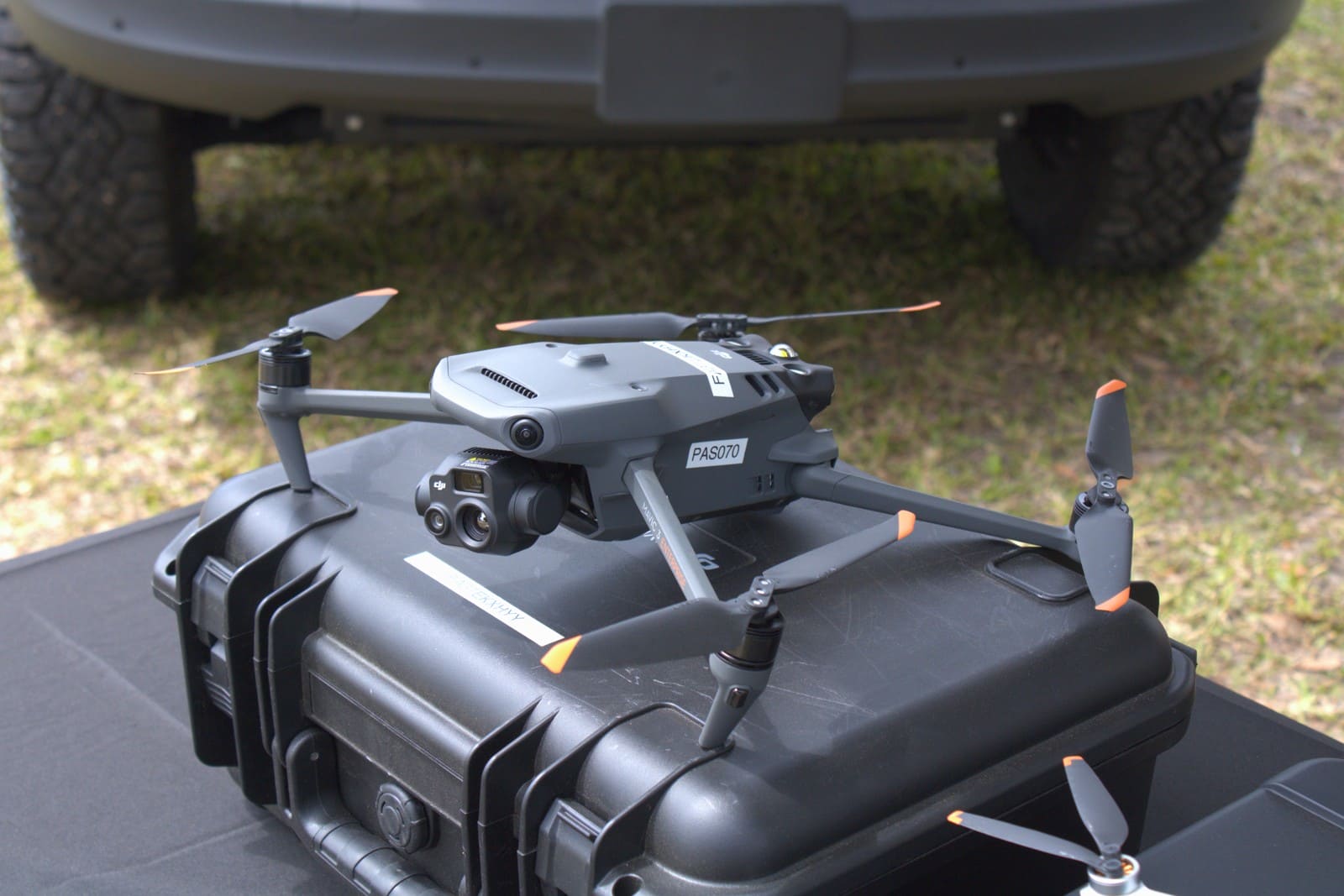
This guide focuses on building-envelope and energy-assessment contracts involving drone imagery. It complements BWI's broader drone insurance information and its separate solar inspection report guide. It does not prescribe thermography methods, energy calculations, building repairs or professional qualifications. Bring the actual scope to appropriate technical, legal and insurance advisers, and confirm whether the specific professional service can be considered before promising protection.
Begin With the Energy Decision the Customer Expects
Ask what the customer intends to do with the work. The request may concern identifying areas for further investigation, informing a retrofit proposal or reviewing completed improvements. Those are different purposes from supplying exterior photographs for a property file. Write down the agreed deliverable and intended recipient rather than allowing the phrase thermal survey to carry an unstated promise of a complete building assessment.
Explain whether your business participates in the recommendation or merely supplies imagery to another professional. A building consultant can have a different role from the drone operator, insulation contractor or owner. Identify which party accepts each responsibility in the agreement. The insurance submission should follow those actual relationships, including any service your company adopts under its own name after receiving another party's analysis.
Separate Thermal Imagery From a Whole Building Assessment
The Department of Energy's 2021 Consumer Guide to Home Energy Assessments discusses an infrared scan as one technique within a broader assessment. It also describes findings and recommendations supplied after the assessment. That dated residential resource illustrates why a camera output and the complete professional service should not be treated as identical. It is not an approval of a particular drone method or a universal commercial-building requirement.
Have the appropriate building professionals establish what the actual assignment includes and excludes. Exterior imagery may be only one input alongside other information. Describe that division accurately for insurance without claiming the drone proves every condition inside the building. If the customer expects an energy audit but your proposal supplies only image capture, resolve the mismatch before the inquiry is presented as a complete description of the service.
Distinguish Observations Recommendations and Performance Promises
Identify whether the deliverable simply records observations, offers an interpretation or recommends a specific improvement. A recommendation to investigate a location is different from selecting a repair and accepting responsibility for its predicted result. Do not let a short email, presentation or sales proposal expand the business's role beyond the service disclosed for insurance review.
Ask qualified counsel to assess guarantees and other performance commitments. A promise of a particular reduction in energy use or a stated financial saving should not be assumed to be an ordinary insured professional error. The insurance contact needs the actual language and service description. Keep the commercial obligation and the offered policy response separate, with any unsupported or unresolved request visible before the agreement is signed.
Keep Estimated Energy Use Separate From Actual Bills
A building energy report can contain an estimate or comparison that is different from a promise about the owner's later utility bill. DOE's Home Energy Score page describes its own standardized assessment and estimates of home energy use and costs. It also identifies training and quality-assurance arrangements for that program. This is a bounded program example, not a statement that drone imagery produces a Home Energy Score or qualifies its operator as an assessor.
For your project, have the responsible professionals explain what a proposed estimate represents and who produces it. Supply the relevant promise and intended reliance for insurance review without prescribing a calculation here. Do not describe an estimate, an observed thermal pattern and a guaranteed financial outcome as interchangeable. The client's contract and your own sales materials should make the service being offered understandable.
Map the Owner Consultant Contractor and Drone Roles
Identify the legal owner or client, the energy professional, any retrofit contractor and the drone business. A property manager arranging access may represent a different entity from the organization buying the report. Obtain the actual names and contracting chain so the reviewer can distinguish the business accepting the professional obligation from the person scheduling the site visit.
If the company both surveys the building and sells improvements, disclose both activities. Explain whether the assessment influences a separate construction proposal and whether your business performs, supervises or merely recommends the work. A drone operating policy should not be represented as the complete insurance program for a building contractor. Ask the relevant advisers which arrangements address each disclosed business activity and where separate review is required.
Prepare a Service Responsibility Record
Create a concise record that connects the promised service with its author, reviewer and intended use. Identify relevant contract sections instead of relying only on the certificate request. Keep technical detail at the level the reviewer needs and use the appropriate channel for sensitive building information. This record organizes the inquiry; it does not certify performance or decide whether an allegation would be covered.
| Service stage | Facts to identify | Insurance question |
|---|---|---|
| Image capture | Operator equipment and promised areas | Which actual operating service is submitted |
| Interpretation | Analyst and defined conclusion | What professional work is being considered |
| Recommendation | Author and accepted responsibility | Does an actual offer address this service |
| Retrofit work | Contractor and scope | What separate construction interests need review |
| Verification | Reviewer and agreed purpose | What continuing or later service is promised |
| Financial estimate | Producer assumptions and recipient | What commitment needs legal and insurance review |
Describe Before and After Work as Separate Engagement Facts
If the client requests a survey before improvements and another afterward, identify both stages in the proposal. Explain what your company is expected to compare and whether it accepts responsibility for verifying the contractor's work. A return visit can add a new professional promise even when the aircraft and building are unchanged. Present that undertaking before treating the first survey's insurance response as acceptance of the whole program.
Have qualified technical professionals establish the basis for any comparison and how limitations are communicated. The insurance review should receive the resulting service description, not an unsupported assertion that two images prove the success or failure of a retrofit. Keep completion of the drone visit separate from technical acceptance of the installed work and from any contractual statement about energy performance.
Review Building Areas Omitted From the Survey
The accepted scope should identify the areas and service the business undertakes, including how incomplete work is communicated. Qualified personnel should determine whether the available information supports a proposed conclusion. For insurance, explain the actual process rather than implying a complete assessment when part of the agreed work could not be performed. A limitation should describe a real boundary, not conceal an unfinished obligation.
If the customer requests a different conclusion despite missing information, identify that as a question for the relevant professionals. Do not assume an insurance policy authorizes issuing an unsupported statement. Keep the original scope, revised request and actual response together. This helps distinguish a limited image handoff from an expanded professional undertaking if the owner later disputes what the survey promised.
Identify Outside Thermographers and Automated Analysis
Describe the party interpreting the images and the extent to which your business uses software or an outside analyst. Explain who reviews the output and who issues the final report. An automated label or an analyst's separate document should not silently become your company's own professional assurance merely because it is included in a customer package bearing your logo.
Ask how the actual offered terms address your responsibilities for work performed by others. Supply the relevant subcontract and service commitments where requested. Another firm's certificate can support a factual review but does not establish that every allegation against your company is transferred away. If your role expands from forwarding images to adopting recommendations, return the changed service for review before relying on the original description.
Keep Aircraft Equipment and Professional Loss Questions Separate
An aircraft collision, damage to the thermal camera and an allegation that a recommendation caused a financial loss should be described separately. One project can raise all three questions without making their policy terms identical. Ask which actual insuring agreements, definitions, limits and restrictions address the concerns identified. A large aircraft liability limit does not alone answer the professional-services question.
List the drone, relevant camera and supporting equipment with the ownership, identifiers and values requested. Explain rentals or loans and the actual period of custody, including transport and storage. Technical suitability and equipment condition remain matters for the appropriate professionals. Insurance acceptance of a scheduled asset should not be represented as validation of its readings, its calibration or the conclusion drawn from its output.
Review the Professional Services Definition Against the Contract
If a professional liability offer is available, compare its service description with the work the company actually accepts. Include energy analysis, recommendations, verification and subcontracted interpretation where relevant. The NAIC small business insurance resource identifies errors and omissions as a separate insurance subject; that general resource does not establish acceptance of a particular building-energy service or interpret your policy.
Ask about material exclusions and conditions rather than relying on the coverage label alone. The business needs to know which activities were considered and which remain outside the offered arrangement. Do not change a factual description to imagery only if the agreement still promises an energy recommendation. A narrower application does not make the broader commercial undertaking disappear.
Ask About Timing for Reports and Later Verification
Have the insurance adviser explain the actual coverage trigger, relevant dates, reporting provisions and any treatment of prior services. A later complaint about an earlier energy report may require more than the current declarations page. Do not assume every professional liability form uses the same timing arrangement or that insuring the aircraft on the survey date answers every subsequent allegation.
If the company changes advisers, replaces a policy or stops offering assessments, provide the requested history and known concerns accurately. Ask how continuity should be addressed under the actual terms before ending an existing arrangement. Keep past policies and important endorsements accessible with the service records. This guide does not prescribe a universal reporting period or guarantee protection for earlier work.
Obtain the Whole Client Insurance Requirement
Request the complete insurance provisions and any incorporated schedules rather than only the line asking for a certificate. Identify the legal parties, dates, limits and requested status. Building owners, consultants and contractors can ask for different evidence. Give the actual wording to BWI before stating that the business meets the requirement or promising a particular document to satisfy procurement.
A certificate should reflect supported terms; it does not independently create professional liability, rewrite the agreement or accept a new service. Have counsel assess indemnity, warranties and other contractual obligations while the insurance contact explains available policy terms. Keep unresolved requirements visible instead of treating an issued certificate as proof that every promise in the building assessment contract is insured.
Preserve the Evidence Behind the Released Report
Retain the agreed scope, relevant inputs, original imagery, analysis versions and final report through the company's established process. Record who approved and received the deliverable and identify later changes clearly. Ask appropriate advisers about applicable retention obligations. A complete file should explain what the business supplied without requiring a former employee to reconstruct the project from scattered attachments.
Where the client supplies building records or earlier reports, identify how the company uses them and what checking responsibility it accepts. Do not silently adopt another party's assumptions as your own assurance. If an input changes after delivery, record the revised request and any additional service. This is especially relevant when the owner asks the same report to support a new financing, sale or retrofit decision.
Treat Occupancy Information and Site Access Appropriately
A building-energy project can involve interior records, occupant schedules, utility information or images the customer expects to remain restricted. Establish the relevant permissions and confidentiality commitments through the appropriate project channels. An insurance document does not grant access to a building, permission to collect information or authority to publish it. Describe the actual arrangement without sending unnecessary sensitive records with an ordinary inquiry.
If data storage, hosting or ongoing access forms part of the service, identify that for the appropriate insurance review. A cyber incident and an alleged error in an energy recommendation are different concerns even when both involve the same report. Ask which actual arrangements address each question. Do not assume a professional liability or drone policy provides every requested confidentiality, security or data-recovery benefit.
Test the Scope With a Fictional Retrofit Request
Imagine a fictional drone operator hired to supply exterior thermal images to a building consultant. The consultant later asks the operator to issue its own recommended insulation work and state that the work will reduce the owner's annual energy costs by a specified amount. After construction, the operator is also asked to confirm that the predicted saving has been achieved. This is a hypothetical service change, not a BWI customer account or technical recommendation.
The operator identifies the new recommendation, financial promise and verification role separately. It obtains the appropriate technical and legal advice and asks whether those specific services can be considered for insurance. An earlier aircraft certificate is not presented as acceptance of the expanded promise. The result may be a supported revised agreement, a narrower role or an unresolved request; no insurance or performance outcome is presumed.
Respond to a Complaint Through the Actual Policy Process
If the owner disputes a recommendation or claimed saving, preserve the actual communication and follow the relevant notice instructions. Keep technical observations separate from conclusions about responsibility. A request to explain a report, a demand for compensation and a lawsuit can have different significance under the wording. Do not automatically wait for litigation or assume a customer-service correction completes every insurance obligation.
Obtain appropriate guidance before promising reimbursement, negotiating a settlement or presenting a technical cause as established. Preserve the released version and any later correction without concealing the original record. Qualified building professionals should assess technical findings, while the responsible legal and insurance parties evaluate their own questions using the actual agreement, allegation and policy.
Building Energy Survey Insurance Questions
Does a thermal drone survey automatically constitute an energy audit
The actual service and applicable professional requirements need assessment. Explain whether the business supplies imagery, interpretation, recommendations or another defined product. Do not represent a camera output as a complete professional assessment merely because the client uses an energy-related project name.
Does drone liability insure a promised energy saving
Do not assume it does. Provide the exact promise and actual service for review. A contractual guarantee, professional allegation and physical damage caused by an aircraft can raise different questions under the offered terms.
Can an outside consultant's policy replace our review
Another party's insurance does not automatically settle your own responsibilities. Identify what your business promises, which report it issues and how it uses the consultant's findings. Have the relevant agreements and terms reviewed.
Should a later verification visit be disclosed
Describe the later work, what it is intended to establish and who accepts that conclusion. Reusing the same equipment at the same building does not make a new professional undertaking identical to the first image-capture assignment.
Bring the Energy Service Scope to BWI
Prepare the statement of work, intended energy decision, parties, report responsibility, equipment interests and complete client requirements. Include any financial estimate, improvement recommendation or later verification commitment. Mark proposals and known concerns accurately so the inquiry reflects the service being sold rather than a narrower description chosen for convenience.
Request a commercial insurance review from BWI and confirm whether the specific professional service can be considered. Use BWI's drone insurance guide for operating-policy context; the UAS application should not be assumed to quote every energy-assessment or building-consulting interest. Compare actual offers and rely on final accepted documents, with appropriate expert review before using this guide for an individual engagement.
Continue Reading


