

A calibration laboratory serving aviation customers can face a complaint about a certificate long after an instrument leaves its bench. A repair facility may question a measurement result, ask whether earlier work must be reviewed or allege financial loss because it relied on the laboratory's report. The laboratory can also damage or lose customer equipment while handling it. These concerns require different insurance questions.
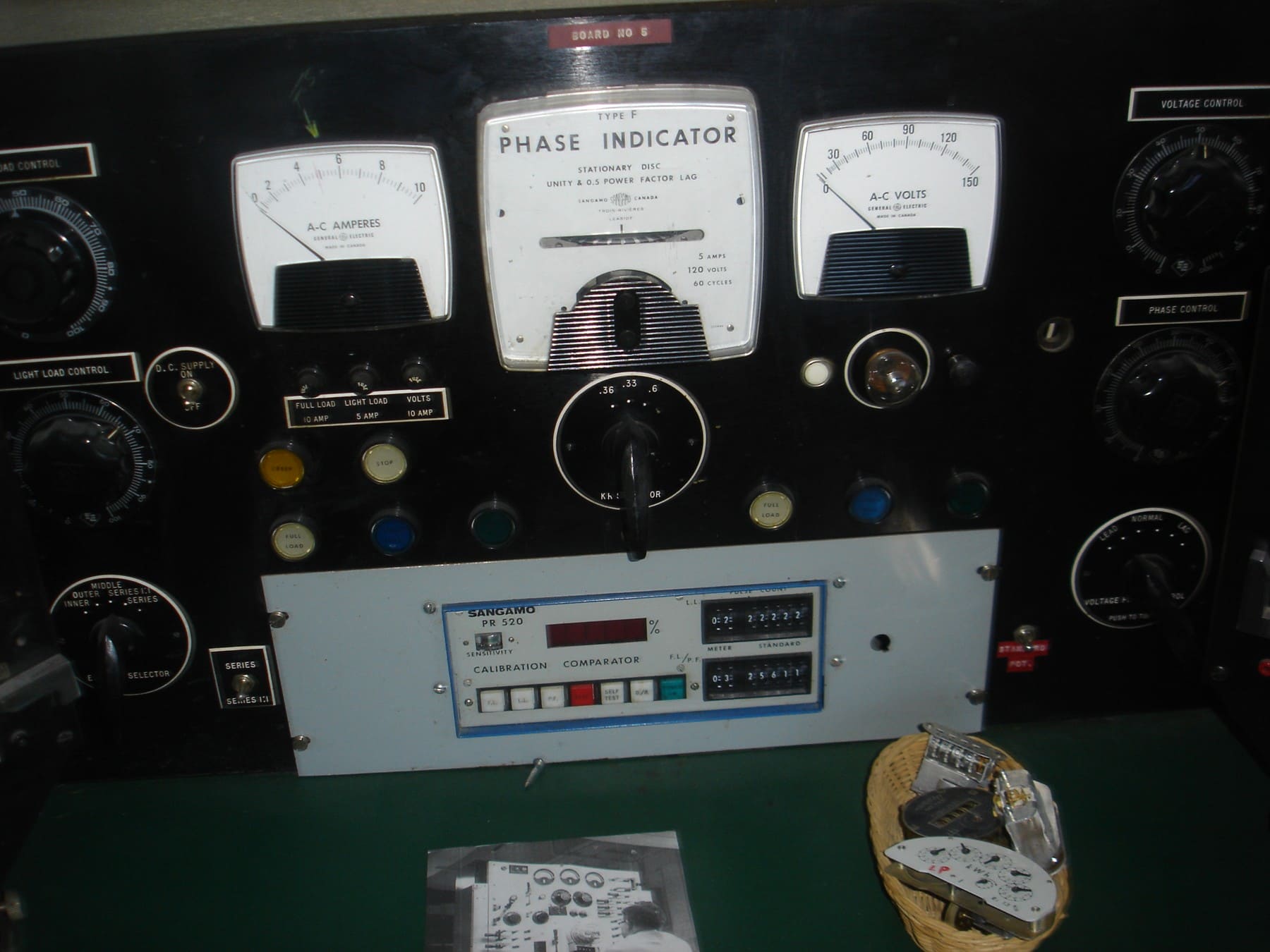
The useful starting point is a representative customer job: the instrument received, the service requested, the measurements and adjustments undertaken, the certificate issued and the intended recipient. Give the insurance reviewer that complete account. Describing the company only as an electronics business can conceal the aviation use and professional responsibility that make the submission important.
This guide concerns independent laboratories calibrating test equipment and tools used by aviation customers. It is not a guide to repairing installed aircraft avionics or performing an aircraft inspection. BWI's commercial aviation insurance information introduces the wider business coverage discussion. Specialist eligibility and the terms available for a laboratory must be confirmed for its actual services.
Show How Aviation Customers Use the Results
Identify the customer categories and equipment you accept. A laboratory may calibrate electrical test instruments, pressure equipment, torque tools or another defined measurement category. Describe your actual capabilities and limitations rather than implying that an accreditation, instrument inventory or customer relationship qualifies the business for every measurement task.
Explain whether the customer sends a tool to your premises or your technicians work at the customer's facility. Include any service performed on equipment connected to an aircraft or production system. Calibrating a detached instrument on your bench and working within a customer's operating environment can create different property and operational responsibilities.
Describe what your deliverable establishes and what the customer must decide independently. A result for a specified instrument and range is different from a promise that every aircraft or process later evaluated with it will be satisfactory. The insurance reviewer needs the actual wording of that promise, including contractual statements and routine sales representations.
Provide the aviation and nonaviation portions of the business as requested by the application. Do not hide aviation work within an industrial category because the same type of instrument is used in several industries. Accurate end-use information gives the underwriter a basis for evaluating the service rather than inferring it from the equipment's appearance.
Distinguish Traceability From a Blanket Approval Claim
NIST's policy on metrological traceability explains that a measurement provider supports the traceability of its own results. It also cautions that traceability alone does not guarantee fitness for a particular purpose. Those distinctions matter when describing the laboratory's service, although they do not decide insurance coverage.
Avoid presenting a general reference to NIST as government certification of every result your laboratory issues. State the status and measurement scope your business can document. Have qualified personnel review technical claims, uncertainty statements and accreditation representations. The broker should receive an accurate description of those facts, not be asked to validate the calibration itself.
A customer's aviation responsibilities also remain distinct. 14 CFR 145.109 requires a certificated repair station to ensure that relevant test and inspection equipment and tools used for airworthiness determinations are calibrated to a standard acceptable to the FAA. That specific repair-station provision is not a statement that every outside laboratory has the same certification or regulatory role.
Explain whether your business performs only a contracted calibration or also advises the customer on suitability, acceptance criteria or an equipment control program. Those additional services can change the professional exposure. A laboratory should not sell broad compliance assurance while its insurance application describes only measurements against a supplied specification.
Separate a Certificate Error From Physical Damage
An incorrect serial number, reported range, unit or result can create an allegation even when the customer's instrument is returned without new physical damage. Ask which proposed professional liability wording addresses errors in the laboratory's defined services. A premises liability certificate is not a complete answer to a complaint about the information delivered.
The proposed form should identify the insured services, relevant wrongful act or error definitions, covered damages and exclusions. Global Aerospace's aviation professional services overview describes financial-loss exposure distinct from bodily injury and property damage. It does not establish that a particular laboratory, certificate or allegation is accepted by any insurer.
Review the cost of repeating calibration, correcting your certificate, refunding a fee and responding to a customer's alleged consequential loss as separate questions. Do not assume the policy treats them identically. A service agreement requiring your business to reimburse every downstream expense can go beyond the protection actually offered.
Conversely, accidental damage to a customer's instrument while on your bench is a property and custody question. Ask which section or separate arrangement is intended to address that interest. The fact that the damage occurred during a professional service does not mean professional liability necessarily replaces appropriate protection for property entrusted to the business.
Make Intake and Instrument Identity Part of the Submission
Describe how a received instrument is associated with the customer's order, identifying number, requested service and condition. A shipping case can contain accessories, reference items or several instruments. Explain the records your business actually maintains so the insurer understands what property is accepted and how an allegation could later be reconstructed.
Keep customer-supplied identification distinct from information verified by your team. If a serial number is unreadable or an accessory is missing, record that uncertainty rather than filling the field with an assumption. The insurance submission should describe your real intake practice, including exceptions that staff encounter regularly.
Identify authority to adjust, repair or send the item elsewhere. A customer may request measurement only, while a technician later recommends further work. Have an agreed process for authorizing the expanded task. The laboratory's operating description should disclose repair or refurbishment it actually performs instead of treating it as an unmentioned extension of calibration.
Review responsibility for items held while approval is pending. A tool waiting for customer instructions still occupies a custody stage, and its value does not disappear because no technician is working on it. Tell the insurance contact about storage locations and any unusual concentration of customer equipment.
Review Property Values Across the Whole Work Queue
Prepare separate schedules for the laboratory's own reference equipment and customer property. The replacement cost of your standards and test systems is different from the value of instruments awaiting service. Neither amount should be confused with a professional liability limit requested for allegations about a report.
Explain the maximum customer property concentration that can occur at the premises, not only the average value of a single order. Several customers may send valuable equipment at once, especially before a fleet project or shutdown. Ask how the offered wording treats per-item, per-occurrence, location or other limits and applicable deductibles.
For your own property, describe leased or borrowed reference equipment as well as owned assets. Identify valuation information, locations and any equipment taken off site. A landlord's building policy or a customer's tool policy should not be assumed to insure your laboratory's own interests.
If equipment damage interrupts work, review any business income or extra expense provisions separately. Ask what event must trigger them, how waiting periods or limits apply and which expenses are contemplated. A missed turnaround commitment, delayed courier or unavailable subcontractor is not automatically an insured interruption simply because the laboratory loses revenue.
Follow Customer Instruments Through Transport and Outside Work
Describe who arranges collection and return, whose packaging is used and which business accepts responsibility at each handoff. Customer property at the laboratory, in your vehicle and with a commercial carrier may be subject to different provisions. Ask about the actual interests and terms rather than assuming shipping charges include suitable insurance.
When another laboratory performs part of an assignment, explain whether your customer contracts directly with it or your business accepts and resells the service. Identify who issues the final certificate and how the outside findings are presented. A subcontractor's certificate of insurance does not automatically resolve your business's liability for the combined deliverable.
Provide representative subcontracting and transport agreements for review. Identify insurance requirements, limits of responsibility and any requested endorsements. Counsel should assess contractual obligations, while the insurance contact determines what the proposed program can actually support. Keep unresolved differences visible before accepting a time-sensitive job.
If you provide loan instruments while a customer's equipment is away, disclose that service. Equipment supplied for another business to use is a different exposure from an instrument held on your bench. Describe ownership, condition documentation, permitted use and the agreement without promising that a general laboratory policy automatically covers the arrangement.
Keep the Requested Decision Separate From the Recorded Result
Identify whether your customer requests measurement results only, adjustment, a statement against specified criteria or another defined conclusion. Explain who supplies those criteria and who approves a change. The same instrument can be the subject of different engagements, and the insurer should understand what your laboratory has undertaken rather than assuming every certificate makes the same promise.
If the service includes adjustment, describe how the record distinguishes the condition received from the condition returned, using qualified technical personnel and the actual agreed scope. A customer acceptance email is not an aircraft return to service approval or an amendment to your insurance. Keep those documents and responsibilities separately identified so a later reviewer can understand which decision each one records.
Explain How Results Reach the Customer
A calibration job can generate raw data, worksheets, software output and a signed certificate. Identify who controls each stage and how the final file reaches the customer. A result entered into the wrong account or issued under an earlier instrument revision can create a dispute distinct from the technical measurement itself.
Describe the review and correction practices your business actually follows. If a certificate is revised, retain the earlier version and the reason for the change, with appropriate controls on further distribution. Explain how the customer is told which document supersedes which. Do not silently overwrite a file that may already have been used in a customer decision.
Identify any portal, automated data transfer or certificate management service sold with the calibration. A laboratory that manages customer equipment due dates or communicates directly with a maintenance system has responsibilities beyond sending a PDF. Include those functions in the service inventory supplied for insurance review.
Ask how professional liability, technology services and cyber or data exclusions fit together. A measurement error, deletion of a certificate and unauthorized disclosure of customer information are different events to examine. Do not infer a complete technology program from the fact that electronic documents appear in the professional service description.
Plan the Insurance Discussion Around an Out of Tolerance Concern
An out of tolerance finding can lead to questions about the instrument's earlier use. Qualified technical personnel and the customer must assess the actual facts and applicable responsibilities. The insurance discussion should identify the service the laboratory agreed to provide, what it reported and whether a complaint or circumstance needs notification under the relevant policy.
Do not treat every such finding as proof of a prior calibration error or an insured loss. Preserve the instrument history, available results, reports and communications. Distinguish an established fact from an assumption about when a condition began or which customer work might be affected. Avoid creating a confident retrospective explanation merely to complete a form.
If a customer demands payment for reviewing earlier work, send the actual demand and relevant contract to the appropriate insurance and legal contacts. The laboratory should not decide coverage from the amount requested or promise reimbursement before reviewing obligations. A complaint can require timely notice even when the business disputes it.
Ask in advance which policy provisions address allegations involving several certificates or customers. Related claims, aggregates, defense costs and reporting conditions can affect the review. This is a reason to read the actual form, not a basis for predicting that a series of allegations will always be treated as one claim or as separate limits.
Check a Fictional Certificate Mix Up Before It Happens
Imagine a laboratory receiving two similar instruments from different aviation maintenance customers. Each customer requests a different service range. A report is then sent with one customer's identification and the other job's results. This example concerns a document association error; it does not describe a BWI client or a reported incident.
The factual review would need intake records, instrument identifiers, job instructions, source results, report versions and distribution history. The coverage review would need the professional service description and the actual allegation. If both physical instruments are undamaged, a property-only discussion would leave the report issue unexplained.
Suppose the laboratory also offered an express turnaround guarantee and the customer claims a contractual penalty. That commitment deserves separate review. The existence of an alleged certificate error does not establish that every fee, penalty or downstream expense is covered. Counsel and the insurance contact should examine the actual agreement and proposal before such promises become standard sales terms.
Use this example to test the submission against the real work chain. The objective is to identify whose equipment, instructions and information are involved, and where your business accepts responsibility. It is not to prescribe a calibration method or conclude that a particular quality control process guarantees coverage.
Compare Coverage Dates and the Services Actually Insured
When requesting alternatives, use the same description of measurement categories, aircraft-related customers, outside work, equipment values and electronic services. A proposal based on detached tools at one laboratory should not be compared as equivalent to one contemplating mobile technicians and customer system access.
For professional liability, review the trigger, retroactive date where applicable, prior-work provisions, reporting duties, defense-cost treatment, limits and retained amounts. Ask about continuity before changing insurers or ending the business. A certificate issued during an earlier period may become relevant to an allegation made later.
For customer property and your own equipment, compare the covered interests, locations, transport stages, valuation, limits and deductibles separately. A larger liability limit does not correct an uninsured property interest or excluded activity. Record material differences beside the premium rather than deciding that identical headline figures mean identical programs.
At renewal, update changes in calibration scope, equipment, accreditation representations, customer sectors, report services and subcontracting. Provide complaint information as the application requests, distinguishing unresolved allegations from established losses. Confirm final issued terms and outstanding conditions before assuming a newly expanded service has been accepted.
Request a Laboratory Insurance Review From BWI
Bring BWI a service inventory, representative customer agreement, example certificate, property schedules, transport arrangements and outside-laboratory roles. Explain the aviation end use and any on-site work, repair, loan equipment or data management service. Include current policies when reviewing an established program.
Start a commercial aviation quote review or call 866 788 6291. Ask about professional allegations involving calibration results together with customer equipment custody and the laboratory's own property. For an existing complaint, use the applicable reporting route rather than relying on a new quote application. Terms, eligibility and effective coverage require confirmation for the actual business.
Sources and further reading
Continue Reading


