

Airport passenger assistance contractor insurance should match the help supplied, the people providing it and the responsibility accepted at each handoff. Guiding a passenger through a terminal, providing mobility assistance and handling an assistive device are different services. A broad ground handling description or airport certificate does not establish how insurance addresses each part of the contractor's work.
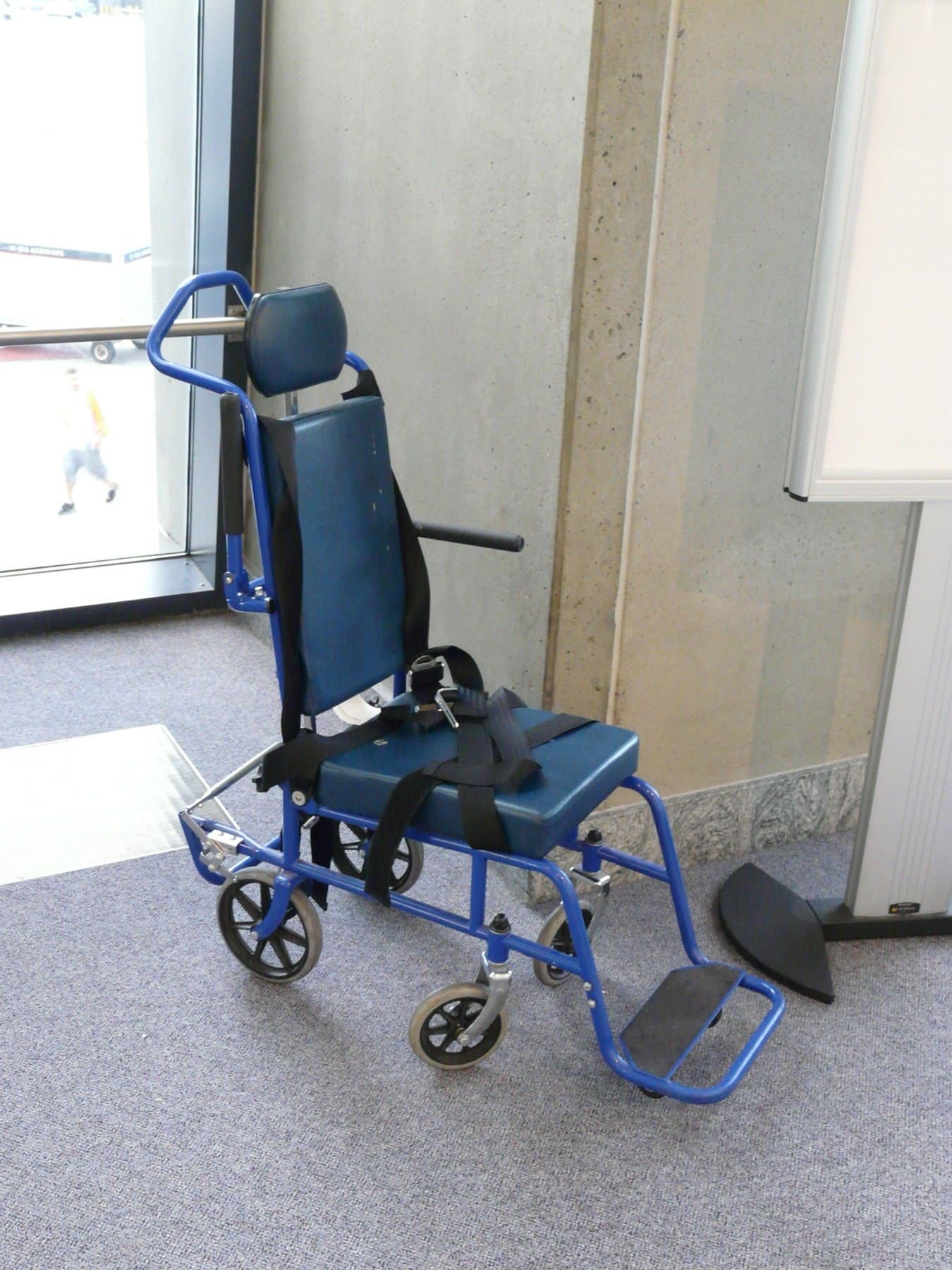
Prepare the service description before comparing premiums. Identify who contracts with the business, who employs the staff, who supplies equipment and where the agreed assistance begins and ends. Bring the actual airline or airport agreement to the broker. The submission should explain the passenger service customers buy rather than leave the underwriter to infer it from a company name.
This guide concerns the contractor's insurance preparation. It provides no lifting, transfer, medical care, mobility device handling or boarding procedure. Qualified personnel and advisers must determine training, accessibility and operational requirements. BWI's commercial aviation insurance resources provide context for an individual inquiry; specialist eligibility and offered terms require confirmation for the actual business.
Define the Assistance the Business Undertakes
List the services the company supplies and identify duties it does not accept. Guided assistance, mobility related support, baggage assistance, transport within the airport and other customer services should be described distinctly. Do not reduce a complex agreement to wheelchair service if the company accepts a wider set of responsibilities.
The Department of Transportation's wheelchair and guided assistance information describes several assistance contexts throughout an airport journey. Use qualified advisers to determine the requirements applicable to your work. The existence of passenger rights guidance does not establish that a particular contractor, staffing arrangement or insurance policy has been approved.
Identify the customer and the contracting chain. A business engaged directly by an airline may have different contractual duties from a subcontractor supplying personnel to another provider. Explain who receives service requests, who assigns personnel and who accepts the completed work without assuming that a shared uniform establishes one common insured entity.
Disclose additional services separately, including medical support, general ground handling, security work or transport beyond the agreed airport service. Acceptance of passenger assistance should not be treated as confirmation that every related activity is included. Identify proposed duties honestly rather than presenting them as established work already reviewed by the insurer.
Follow Responsibility Through Each Passenger Handoff
Describe where your firm accepts an assignment, what portion of the journey it undertakes and who receives the passenger afterward. A shift change or handoff between service companies can matter even when the passenger remains at the same airport. The insurer should understand the contractor's actual responsibility, including coordination accepted under the agreement.
Explain how staff receive and update service instructions through the appropriate customer process. This is an account of the business arrangement, not a substitute for assistance procedures. Keep the source of a request distinguishable from decisions or confirmations made by your own personnel so the record shows what the company actually undertook.
Identify continuing responsibility when a flight, gate or connection changes. A customer service label should not hide an obligation to coordinate with another airline or remain available beyond the original assignment. Qualified operational personnel must establish the appropriate response; the insurance submission should state the commitment and its limits accurately.
Keep completion evidence factual. A record that assistance ended at an agreed handoff is different from a statement that every possible passenger concern has been resolved. Have counsel review acceptance language and responsibility boundaries rather than treating a routine timestamp or customer acknowledgment as a universal release of later allegations.
Ask About Passenger Injury and Other Service Allegations
Describe the actual physical assistance and customer interaction for the insurance review. Ask how proposed liability wording treats injury allegations arising from the disclosed service. Do not assume a general commercial policy accepts every aviation assistance task because staff work inside a terminal rather than directly on the ramp.
Have the broker identify relevant activity restrictions, insured definitions, defense provisions and exclusions in the actual offer. Explain whether the company supplies equipment, operates vehicles or works within an aircraft. Those facts deserve specific attention instead of being omitted from a submission that only mentions customer service staff.
Passenger complaints can also involve allegations about treatment, privacy, dignity, discrimination or a service not supplied as agreed. Have qualified counsel and the insurance specialist review the relevant questions. This guide neither determines liability nor promises that every personal injury or rights related allegation is included in proposed protection.
Distinguish a reported injury from a claim for delay expenses, a service refund or a contractual reimbursement demand from the airline. Several allegations may arise from one assignment without having identical policy treatment. A useful review compares the actual demands and obligations with the offered forms rather than relying on one headline limit.
Identify Personal Mobility Devices as a Separate Property Interest
Explain whether your business handles a passenger's own wheelchair, scooter or other assistive device and the stage of responsibility. Supplying an airport owned chair does not describe every duty involving a personal device. Give the broker the actual service and contract rather than assuming all equipment is ordinary airline property.
Identify who accepts the device, who records relevant instructions and who transfers it to another provider. Qualified personnel must determine handling and technical requirements. The insurance submission should explain custody and responsibility without supplying a disassembly, storage or loading method or assuming that every device is interchangeable.
Ask how relevant property exclusions and offered wording address the disclosed arrangement. A passenger's personal device, the contractor's equipment and unrelated terminal property are different interests. A liability certificate required by the airline does not itself establish protection for damage to every item that accompanies a passenger.
Have counsel assess contractual responsibility for repair, replacement, temporary arrangements and other alleged loss. Compare those promises with actual proposed insurance rather than treating a device's original purchase price as the answer to every liability question. Supply supported values or the information requested without guessing from appearance.
Separate Equipment Ownership From Liability for Its Use
Prepare a schedule of chairs, carts and other equipment your company owns, rents, borrows or operates for the customer. Explain ownership, maintenance responsibility and locations. A contractor using an airline's equipment has a different property arrangement from one supplying and maintaining its own complete equipment fleet.
Ask about physical damage protection for owned and rented items separately from liability involving their use. Provide supported values and relevant agreements. The contract may require your firm to reimburse an equipment owner even where the proposed liability form does not automatically insure the item itself or every contractual undertaking.
Where powered vehicles or other mobile equipment are involved, coordinate the description with the relevant vehicle and aviation advisers. Ask how their actual definitions and exclusions allocate the disclosed use. Airport location and a convenient equipment nickname should not be treated as a universal boundary between policies.
Disclose maintenance performed by your staff and work assigned to an outside provider. Qualified personnel determine suitability and service requirements. A supplier's warranty or maintenance document does not establish protection for every allegation against the passenger assistance contractor or every downstream expense it accepts under the airline agreement.
Include Staff Relationships and Actual Training Records
Identify employees, temporary workers and outside service providers according to the real agreements. State who employs, supervises and supplies them. Qualified advisers should determine classification and applicable employment insurance duties; an airport liability certificate does not establish that every workers compensation or employers liability requirement has been addressed.
Provide requested experience and training information accurately. Distinguish completed records from planned training and a current role from a proposed additional task. This guide establishes no universal training schedule or qualification standard. Appropriate specialists must determine current requirements for the actual assistance, personnel and customer arrangement.
If another company supplies workers, ask how the proposed policy treats your firm's liability involving their work and whether that provider itself is an insured. Those are different questions. Another company's certificate does not automatically satisfy your agreement or make every person participating in the same passenger service an insured under one policy.
Report material changes in staffing suppliers, supervision or accepted duties. A company that previously provided personnel only may begin supervising the whole service or maintaining equipment. A renewal should describe the present operation rather than copy a narrower application prepared before those responsibilities changed.
Treat Medical Services and Additional Care as Distinct Duties
State whether the business accepts medical assessment, treatment, medication related duties or any other additional care responsibility. Identify who supplies qualified personnel and equipment. Ordinary airport assistance should not be used as a convenient description that conceals a medical or specialized professional service the contract actually requires.
Ask the appropriate insurance specialists how those actual roles should be reviewed. Aviation liability, professional liability and employee related insurance can address different interests. Coordinate them using a common factual account without assuming that an aircraft customer's policy fills every question left unresolved in the contractor's own program.
Have qualified legal and operational advisers assess the boundary between the contracted assistance and additional requests. A passenger's need deserves an appropriate response through the established process, while the insurance submission must remain accurate about what the company accepts. An article or policy limit does not authorize a person to undertake a professional task.
Where the firm provides training or advice to another business, disclose that customer service separately. Supplying instruction, auditing a service and directly assisting passengers are different undertakings. The underwriter should understand the work that produces revenue and the responsibility accepted, not merely the company's most familiar airport role.
Keep Passenger Information Within the Appropriate Process
Explain what passenger and assignment information the business receives, which party controls it and what your staff record. An initial insurance inquiry can usually start with a shareable business description rather than identifiable passenger histories. Qualified advisers should establish applicable privacy, retention and access requirements for actual records.
Ask how cyber, privacy and professional service terms relate to the disclosed information role. Losing an assignment file, unauthorized disclosure and an allegation about missed assistance are different events. Do not assume a policy concerning physical injury also pays every data restoration or privacy response expense.
Preserve appropriate service instructions, handoff records and relevant communications under an established policy. Keep corrections identifiable rather than silently changing an earlier account. The aim is a usable history that lets authorized reviewers distinguish what was requested, what your company accepted and what happened during the assignment.
If another company supplies an application or dispatch system, identify its role and your contractual responsibility. A software subscription does not establish that the vendor insures the contractor's service failures. Ask about the actual arrangement and avoid promising that a technology feature guarantees an error free passenger handoff.
Compare Service Levels With the Actual Insurance Offer
Provide the complete customer agreement, including insurance schedules, staffing commitments and remedies. Counsel should assess indemnity, warranties and responsibility for other organizations. The broker can compare proposed insurance with those promises, but signing a broader contract does not automatically broaden the policy that has been offered.
Review delay penalties, substitute service costs and customer reimbursement obligations individually. A missed assignment, unavailable equipment and an insured property event can lead to different financial consequences. Insurance should not be presented to management as a guarantee that every cost of maintaining service or responding to a complaint is reimbursed.
Ask what triggers any proposed business income or extra expense protection and how limits, waiting periods and exclusions apply. A service commitment may require spending money even when no insured interruption has occurred. Keep that retained commercial responsibility visible in the contract and bid decision.
Compare offers based on the same service, legal parties and equipment arrangements. A lower premium based on personnel supply only is not equivalent to a proposal addressing a wider supervised assistance business. Resolve differences in the factual assumptions before treating quotations as alternatives for the same operation.
Test a Fictional Passenger Handoff and Device Dispute
Imagine a contractor completing an assistance assignment and transferring responsibility to another provider for a connecting journey. A passenger later reports a concern about the handoff and damage to a personal mobility device. The airline requests records and reimbursement under the service agreement. This is a fictional administrative example, not a BWI claim or a finding about assistance quality.
The factual inquiry would need the agreed scope, service request, relevant handoff records, device custody information and communications. Appropriate personnel would address passenger concerns and determine the operational facts. A complaint should not become an unsupported conclusion about cause, responsibility or a technical fault in equipment.
The insurance inquiry would distinguish the alleged passenger harm, personal property interest and contractual reimbursement demand. Their appearance in one inquiry does not establish an identical response. The actual allegations and offered wording govern the review; a certificate issued for the airline does not decide payment.
Use the example to check whether the application shows the service boundary and personal device responsibilities. If your business also coordinates later stages or supplies additional professional assistance, include those duties. A useful submission follows the responsibility the contractor actually accepts throughout the passenger journey.
Describe Peak Schedules and Responsibility Changes
Give the underwriter a realistic account of service volume and the locations covered during busy periods. Identify additional personnel, borrowed equipment and outside providers used when schedules change. A typical quiet shift may not describe the contractual responsibility accepted during seasonal peaks or a new airline engagement.
Explain how changes between the contracting airline and the contractor are recorded through the appropriate business process. The submission should identify whether the company accepts assignments at several terminals or airports, including temporary locations. Do not imply that the original location description covers every expansion simply because the service name remains the same.
When a customer agreement begins or ends, identify equipment custody and continuing record obligations that may fall outside ordinary staffing dates. Keep return evidence and accepted instructions identifiable. Discuss continuity and reporting questions using the actual policy forms; the end of a commercial contract does not establish that every later allegation concerning earlier assistance has ended.
Prepare the Passenger Assistance Insurance Submission
Gather legal business names, service locations, the assistance description, customer agreements and insurance schedules. Include equipment ownership, staffing relationships, requested revenue information and relevant complaint history. Identify proposed changes and existing allegations honestly so future insurance discussions are not based on an incomplete account of the business.
Review insured activities, property interests, limits, deductibles, defense provisions, relevant exclusions and requested endorsements alongside premium. Keep unresolved conditions visible and distinguish an indication from accepted issued terms. Operational readiness, accessibility compliance and insurance acceptance require their respective qualified reviews rather than one assumed approval.
For a new business or renewal discussion, use BWI's commercial aviation quote request or call 866 788 6291. Start with the actual service and customer agreement. Existing events and demands should follow applicable policy reporting instructions and appropriate information handling arrangements rather than an ordinary quote inquiry.
Sources and further reading
Continue Reading


