

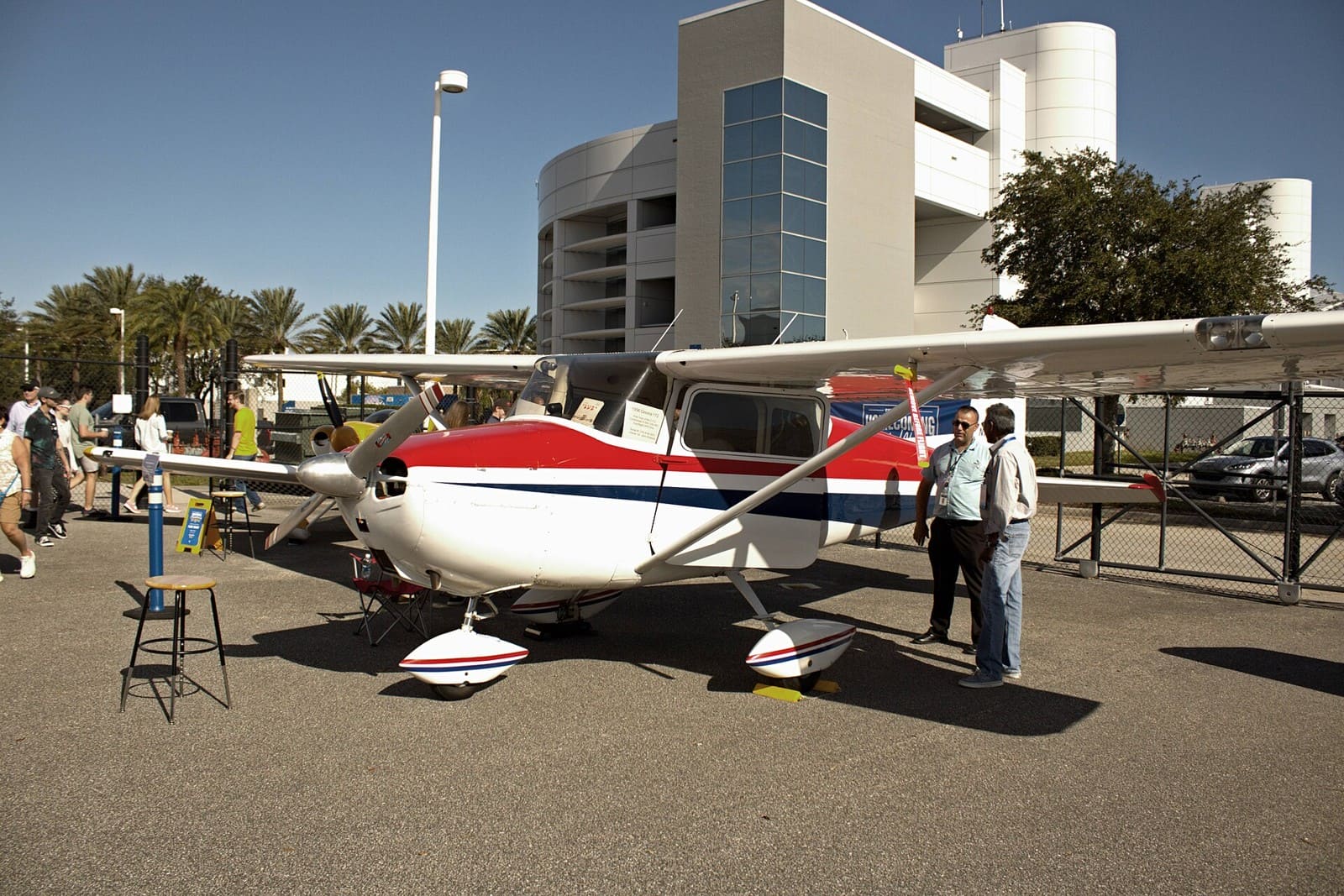
Before taking an airplane to a community career day, describe the full participation plan to the aircraft insurance contact. Flying to the airport, parking behind a barrier, allowing visitors near the airplane and opening the cabin are different activities. A private aircraft policy should not be assumed to accept every public display arrangement. Review the actual event, owner role and issued terms before committing to participate.
This guide focuses on an owner displaying an aircraft for educational conversation at a community event. It does not address aerobatic performance, air races, museum loans or charitable passenger rides. Those activities need separate review. BWI’s aviation event information provides the broader starting point; this article helps the aircraft owner prepare a specific static display inquiry without treating an organizer’s invitation as a complete insurance plan.
For the broader coverage discussion, see BWI aircraft insurance. Keep this review focused on the specific arrangement described in this guide.
Describe the actual educational activity
Explain who is organizing the career day, where it will occur and how the airplane will be used. A parked aircraft viewed from a designated visitor area differs from supervised cabin visits or demonstrations of equipment. Identify what you have actually agreed to do. Avoid a short description such as attending an event if the owner will also control visitor access or provide hands on activities.
State whether any engine operation, aircraft movement or flight is proposed during the public period. Do not assume these are incidental to a static display. Give the relevant professionals the actual plan and obtain appropriate technical, operational and insurance reviews. A response concerning a parked airplane should not be stretched into acceptance of an engine demonstration or an unplanned passenger flight.
Describe the audience and intended access without guessing attendance figures. If the organizer has an estimate or written plan, attribute it accurately. The reviewer needs the known facts and uncertainties, not promotional language about a small friendly gathering. An educational purpose can explain the event but does not independently determine coverage, authority or responsibility.
Identify your role and the organizer’s role
Name the aircraft owner, pilot, event organizer, airport or property operator and any sponsoring institution. Explain who hires or invites whom. The business hosting the event may differ from the airport entity controlling the premises. A sponsor logo on the invitation does not establish which party has accepted responsibility for the aircraft area or visitor arrangements.
Identify whether the owner participates as an individual, through an aircraft owning entity or on behalf of another organization. Insurance documents should reflect the actual parties and interests. If an employer supplies volunteers or asks an employee to bring a personal airplane, explain that arrangement. Do not assume the employer’s event policy automatically addresses the owner’s aircraft, flying or independent liability.
Obtain the relevant participation agreement, insurance requirements and access plan. Ask the organizer to clarify unclear responsibilities before making commitments. The owner should know which duties concern the airplane, which belong to event management and which require coordination with the airport. That clarity allows the insurance review to address the real undertaking rather than infer it from a flyer.
Separate travel from the public display period
Describe how the airplane will arrive, where it will be parked and how it will depart. The route and purpose of the flight, pilot and intended aircraft use need their own review under the actual policy. A flight to an event should not be treated as insurance acceptance of the display itself, and a display response should not be treated as approval of every proposed flight activity.
Include any planned overnight stay or change from the normal base arrangement. If the aircraft will remain after the owner leaves, identify custody and access. A career day may be only a few hours while the airplane stays at the venue much longer. The submission should cover that factual sequence rather than describing only the advertised hours of the public program.
If weather or scheduling could change arrival and departure, ask how material changes should be handled under the accepted arrangement. Do not represent uncertain dates as fixed or assume an acceptance for one event automatically continues to a postponed program. Keep the actual decision makers informed so the aircraft is not committed using an outdated description.
Compare the participation phases
The table below helps separate the phases of a community display. It is not an event safety plan or coverage schedule. Use it to record the actual activity, responsible party and questions for review. An owner can use the structure to prepare a clear submission without taking on responsibilities that the organizer or other professionals must establish.
Keep the accepted event plan and insurance response together. If the organizer adds cabin visits, aircraft movement or a new demonstration, review those facts before assuming they fit the earlier arrangement. A certificate naming the event does not independently establish that every later addition is accepted under the aircraft policy or the organizer’s insurance.
| Participation phase | Facts and question |
|---|---|
| Arrival | Pilot purpose and specific flight plan for review |
| Before opening | Custody location access and responsible party |
| Exterior viewing | Actual visitor arrangement and organizer duties |
| Cabin access | Proposed activity supervision and accepted scope |
| Demonstration change | Engine movement or flight requires specific review |
| Departure | Dates custody and any changed location or schedule |
Review the aircraft owner’s issued terms
Find the actual policy, declarations and endorsements for the participation dates. Explain the intended display and ask which provisions, conditions or exclusions matter. Do not rely on a general online statement about airshows to decide the position for a community career day. The nature of the event and the issued wording need individual review.
Separate damage to the owner’s aircraft from liability involving other people or property. A visitor’s allegation, damage to the displayed airplane and a dispute with the organizer may raise different questions. Ask how the offered arrangement addresses the actual owner interest and activities. The existence of liability insurance does not independently establish protection for the aircraft’s physical damage.
Review any accepted change in writing and retain it with the policy. A preliminary discussion or acknowledgment of the event inquiry is not the same as an issued endorsement or other completed acceptance where required. Ask the servicing contact what evidence should be kept and provided to the organizer. Use the accepted terms rather than an informal recollection of what someone thought would probably be fine.
Ask about visitor access to the cabin
If the plan includes people entering the cabin or sitting in a seat, describe that specifically. Identify who controls the access and what the organizer has agreed to supply. Qualified event and aviation professionals should establish a suitable plan for the actual aircraft and audience. An insurance discussion should not substitute for decisions about safe access or operation of equipment.
Do not assume a no flight event has no passenger or visitor questions. The policy definitions and factual circumstances need review without forcing every person into a label before the insurer considers them. Explain what people will do rather than choosing a convenient insurance category. A visitor photographed beside the airplane is not necessarily in the same circumstances as someone climbing into it.
Keep souvenirs, instructional equipment and personal property interests identifiable where relevant. The owner may bring a portable display or borrowed instruments in addition to the airplane. Ask the appropriate insurance questions rather than assuming the aircraft policy includes every object at the booth. Different interests may belong to the owner, sponsor or another organization.
Review volunteers and supervision responsibilities
Describe who will assist the owner and which entity engages them. A family member, student volunteer, school employee and paid event worker can have different relationships. Qualified advisers should establish the appropriate responsibilities and personnel arrangements. The insurance inquiry should reflect those facts rather than assume everyone present is covered crew under the aircraft owner’s policy.
Ask the organizer to document its role in visitor management and coordination. The owner should not infer that a general event policy takes responsibility for every action near the airplane. Equally, the owner should not accept broad duties without understanding them. Clear agreements help the relevant insurance and legal reviewers identify the obligations each party is considering.
If the plan changes because a volunteer is unavailable or the audience grows, obtain appropriate professional advice about the event arrangement. Update material insurance facts when relevant. The owner should not continue describing a supervised display if the organizer now expects a different access model. Accurate communication helps preserve the usefulness of the original review.
Examine indemnity and certificate requests
Read the full participation agreement and insurance requirements. An organizer may request additional insured status, certain limits or other documents, while also asking the owner to accept indemnity or responsibility for visitors. Provide the exact language and legal names. A statement that the event needs standard insurance does not tell the reviewer what the owner is actually being asked to promise.
Obtain qualified legal advice on obligations in the agreement. Insurance review does not determine whether a contract is reasonable or whether every promise is covered. A certificate is not a substitute for comparing the contract with the issued terms. If a requested condition cannot be accepted as proposed, resolve that before representing the participation file as complete.
Retain the final agreed document and the insurer’s response. If a school district, airport or sponsor is added late, identify the change rather than copying a name into an old form and assuming the issue is resolved. The relevant parties and requested capacities should match what has actually been reviewed and accepted.
Clarify the limits of educational demonstrations
An educational program can develop new ideas as organizers plan it. A cockpit explanation may become a proposal for an engine start, a short taxi demonstration or an airplane ride. Treat those as specific changes requiring appropriate review. Do not allow the phrase career education to obscure the actual activity or assume that public benefit removes technical, operating or insurance requirements.
If flight is proposed for a visitor, use the separate review appropriate to that arrangement before agreeing. This guide concerns a static display and cannot determine the insurance position for a ride, instruction or commercial operation. Describe the actual compensation, participants, pilot and purpose honestly. The responsible operating and legal advisers should establish applicable requirements independently of the insurance inquiry.
Explain promotional or business activity where relevant. An owner displaying on behalf of an aviation business may undertake different duties from an individual discussing a personal flying hobby. Product demonstrations, sales commitments or paid services should not be omitted because the airplane remains parked. The submission should reflect what the participant is actually offering the audience.
Include custody and weather contingencies
Identify where the aircraft will remain before, during and after the event, and who is authorized to access or move it. If the owner will be absent, disclose the proposed custody arrangement. Qualified aviation personnel should address technical and handling decisions. Insurance acceptance does not authorize an unfamiliar volunteer to tow or operate the airplane.
Review venue charges and cancellation terms separately from aircraft protection. A postponed event, unused travel expense or lost fee is not automatically reimbursable under an aircraft policy. Present the actual financial obligation if you want it considered and ask which offered terms, if any, address it. Keep event administration and aircraft loss questions distinguishable.
If severe weather or another issue changes the plan, use current appropriate guidance and the accepted insurance process. This article does not provide a relocation or preservation procedure. Explain the revised dates, location or activity when relevant. A response for one static display should not be assumed to accept an entirely different venue or an unplanned move without checking the affected facts.
Consider a fictional career day invitation
Imagine an owner agrees to park an airplane at an airport career day for exterior viewing and conversation. The organizer later asks for cabin visits and a brief engine demonstration. The owner recognizes that the new proposal differs from the original static plan and requests an updated review before committing. The organizer, airport and qualified aviation professionals clarify their roles and the practical arrangements.
The owner provides the actual participation agreement, aircraft policy and proposed activities to the insurance contact. The final accepted scope and any restrictions are shared with the people coordinating the event. An organizer’s certificate request is handled as one part of that work, rather than evidence that every activity is automatically protected. No one treats a preliminary inquiry as completed acceptance.
This is a fictional planning example, not a BWI customer story or an insurance outcome. Its purpose is to show how a well intended educational activity can change during preparation. Matching the actual program to the accepted documents is more useful than assuming every career day involves the same responsibilities.
Retain a clear record after the program
Keep the participation agreement, accepted insurance response and relevant event communications with the owner’s records. If an incident or allegation arises, follow the issued policy’s requirements and appropriate advice. Record actual observations and preserve relevant material through a suitable process. Avoid promises about reimbursement or fault based on the assumption that the organizer or aircraft insurer will handle everything.
When preparing for another event, review the new program rather than copying the prior acceptance. Audience access, venue, organizer, aircraft and proposed activities may differ. A response for one day is not a permanent event insurance opinion. At renewal, answer questions accurately about the activities undertaken and planned, and ask how future public displays should be described.
Keep a short record of what participation actually occurred, especially if the accepted plan changed before or during the program. Use appropriate professional advice to decide what must be retained. This helps the next event inquiry begin with accurate experience rather than an assumption that the previous invitation and final activity were identical.
Questions about aircraft at community career days
Is a parked airplane automatically covered at a public event
Do not assume that being parked settles the insurance position. Explain the event, access, owner role, custody and proposed demonstrations, then review the issued terms. Physical damage and liability questions may differ. A policy for ordinary private use should not be represented as acceptance of every public display arrangement without the relevant review.
Does the organizer’s event policy protect the airplane
Ask how the actual arrangements address the owner’s property and independent obligations. An organizer’s policy or certificate does not independently establish protection for every participant and aircraft. Provide the participation agreement and identify relevant interests. Keep your aircraft policy review separate from any assessment of the organizer’s insurance.
Can students sit in the airplane without another review
Describe the proposed cabin access and supervision specifically before relying on a response for exterior viewing. Qualified event and aviation professionals should establish an appropriate plan. The insurer needs the real activity to assess the offered terms. Insurance acceptance alone does not determine whether a particular access arrangement is safe or suitable.
What if someone asks for a quick ride during the event
Treat that as a different proposal from a static display. Obtain the appropriate operating, legal and insurance reviews for the actual participants, pilot, purpose and arrangement before agreeing. A charitable or educational purpose does not independently resolve those questions. Do not infer acceptance from a certificate issued for the parked exhibit.
Does a certificate mean all contract requirements are satisfied
Compare the actual agreement with the insurer’s accepted terms and issued documents. A certificate is not an independent coverage determination or a legal review of indemnity obligations. Provide the exact requested wording and parties. Resolve material unanswered questions before describing the participation file as complete.
Prepare the display inquiry with BWI
Bring BWI the aircraft details, issued policy information, organizer, location, dates and actual participation plan. Include the agreement and clarify whether the audience will view from outside, enter the cabin or attend another proposed demonstration. Identify the arrival, custody and departure arrangements so the review addresses the owner’s full involvement.
Request an aircraft insurance review and quote from BWI. Explain that the proposal is a community career day static display and identify any activity beyond that scope. Compare the response with the final accepted program before making commitments. Keep event safety, technical decisions and operating permissions with the appropriate professionals while maintaining a clear insurance record.
Sources and related resources
Continue Reading


