

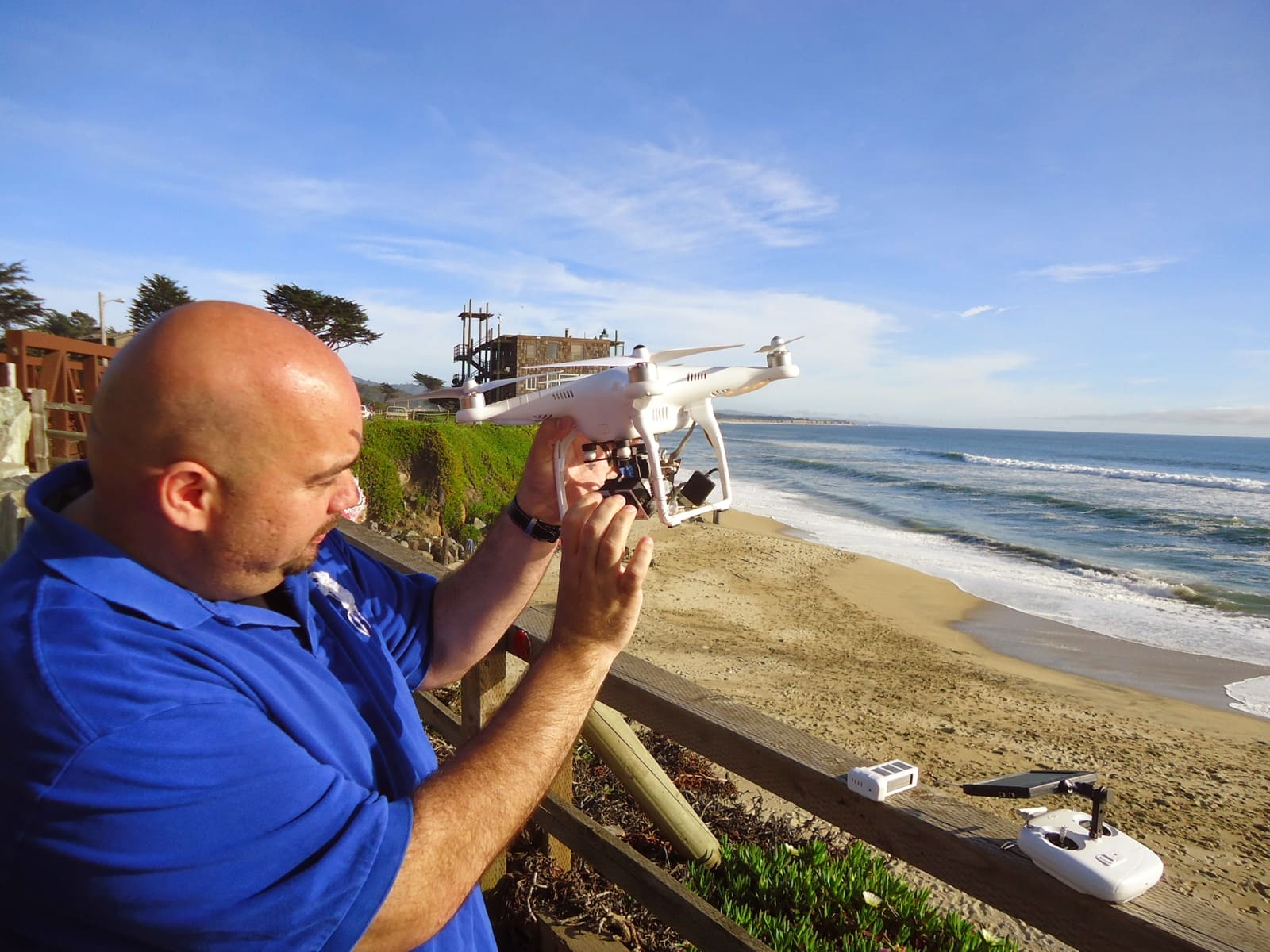
Drone flight test insurance starts with a clear description of what is being tested and why. A familiar aircraft conducting an ordinary assignment, a modified system under evaluation and a prototype development project should not all be submitted as routine drone photography. Tell the insurance reviewer what makes the proposed activity a test.
The review should connect the aircraft configuration, people, location, purpose and requested protection. Test equipment may belong to several organizations, and the party directing a project may be different from the party operating the controls. Those relationships need to be visible before a policy description can be compared with the actual work.
This guide helps development teams organize an insurance inquiry. It is not a test plan, engineering assessment, regulatory approval or safety procedure. Qualified technical personnel and the relevant authorities must address those subjects. Insurance acceptance is a separate question that depends on the disclosed proposal and actual terms.
Define the Test Purpose Without Hiding Uncertainty
Explain the question the project is intended to investigate in plain language. The insurer does not need a marketing claim about innovation in place of a description of the activity. Identify whether the work concerns a new aircraft, a modification, a payload, software behavior or another aspect of the system.
Describe what is known and what remains under evaluation. If a capability is not yet established, do not present it as proven performance in the insurance submission. A test project is more accurately described by its actual status than by the result the team hopes to demonstrate.
Distinguish development work from a customer demonstration or a production assignment. The same business may perform all three, but that does not mean an answer about one activity covers the others. Tell the reviewer which activities are proposed now and which might follow if the project progresses.
Separate Flight Testing From Sales Demonstrations
A demonstration may show an existing system to a prospective buyer, while a development test may evaluate an unproven configuration or change. Do not assume that describing a test as a demonstration makes it part of an accepted sales activity. Give the actual purpose and configuration to the reviewer.
If prospective customers will attend, explain their role. Observing, providing requirements, supplying equipment and operating the system are different relationships. A guest list alone may not tell the insurance contact who has custody or control of the aircraft at a given stage.
BWI’s drone sales demonstration insurance guide addresses that separate scenario. Use the flight test submission to make the development purpose explicit rather than relying on documents prepared for a different kind of event.
Identify the Aircraft and the Configuration Under Review
Prepare the aircraft identity and the equipment details requested by the insurance contact. Explain any custom build or modification in a clear summary, and identify the technical person who can answer follow up questions. A trade name or appearance should not replace the description of the actual system.
If several configurations are planned, distinguish them. The aircraft, payload, control system or software version may differ between proposed stages. Ask how the insurer wants those differences disclosed rather than assuming that acceptance of the first configuration includes every later variation.
Keep a dated configuration record with the project file. This does not require circulating proprietary drawings to everyone involved. It means the team can identify which equipment and operating proposal the insurance response concerns, and can recognize when a material change requires another discussion.
For an administrative example, a project might label its first proposal Configuration A and its revised proposal Configuration B. A summary for A could identify the aircraft serial number, installed camera, control software reference, equipment owners and planned evaluation purpose. B could replace the camera with a partner-owned sensor and change the evaluation objective. The letter labels do not establish technical suitability; they simply prevent an insurance response about A from being filed as acceptance of B. Keep the dated technical references with the people responsible for them. Send the insurance reviewer the level of detail requested, identify which earlier facts changed and ask whether further information is needed. Preserve the response under the configuration it actually addresses.
Map the Organizations and People Involved
List the owner, developer, operator, test site and any client or research partner. Explain the work each organization performs and the agreements that define the relationship. A project nickname should not stand in for the legal entities that own equipment or accept contractual obligations.
Identify who will operate the controls, supervise the activity and provide technical support. Give the insurance contact the relevant qualifications and experience information requested for those roles. Do not list only the most experienced pilot if another person is expected to conduct part of the proposed work.
Where a university, contractor or public organization participates, describe the actual arrangement without assuming a particular insurance or legal status. Ask the responsible professionals how the parties should be addressed. Participation in a research project does not by itself establish protection for every organization involved.
Build a Drone Flight Test Insurance Submission
| Review area | Facts to prepare | Question to resolve |
|---|---|---|
| Purpose | The evaluation question and present development stage | Is the actual testing activity included in the review? |
| Configuration | Aircraft payload control system and disclosed modifications | Which configuration does the response concern? |
| Participants | Owners developers operators site and partners | Whose interests and duties need consideration? |
| Equipment | Ownership values prototypes and borrowed items | What property basis and restrictions are offered? |
| Location | Actual site period and proposed activity description | What additional information or conditions remain? |
| Contract | Research agreement site terms and insurance exhibit | Which requested provisions can be supported? |
| Changes | Revised configurations people dates or purpose | When must an updated insurance review be requested? |
Keep Regulatory and Technical Decisions With the Right People
The FAA maintains UAS research and development information as an official resource. Use the relevant authority and qualified advisers for the regulatory questions applying to the actual proposal. This article does not identify an exemption, operating category or authorization route for an individual project.
For the insurance submission, state the actual status of the required approvals and technical work when requested. Pending matters should remain pending. Do not treat a quotation as authorization to operate or describe a plan as approved merely because a site has agreed to host the team.
The insurance contact also should not be asked to certify engineering adequacy or determine that a test is safe. Provide the information requested for underwriting while keeping the technical and regulatory responsibilities clearly allocated. Separate decisions make the project record more accurate and easier to update.
Distinguish Liability From the Value of Test Equipment
Identify the liability protection you want reviewed and the property interests at risk. Damage to the test aircraft, damage to a borrowed sensor and an allegation of injury to another person can involve different questions. One requested limit should not be described as the amount available for every possible project loss.
Prepare ownership and requested values for the relevant equipment. If a prototype has no ordinary retail replacement price, explain that fact and ask what valuation basis can be considered. Do not convert the entire research budget into an aircraft value without discussing what the figure represents.
BWI’s commercial drone insurance information provides broader aviation context. The development project still requires individual review. A general description of liability or physical damage protection is not a promise that every test aircraft or configuration is accepted.
Explain Prototype Costs and Borrowed Equipment Clearly
A development project may involve materials, engineering time, specialized payloads and equipment owned by partners. Keep those categories distinguishable when discussing requested property protection. A project accounting total can include costs that are not the same as the value proposed for the insured equipment.
For borrowed or leased items, provide the agreement and explain the period of custody. Ask how responsibility for damage relates to the actual offered insurance. A promise in a research agreement to return equipment in good condition should not be assumed to be insured automatically.
A fictional equipment schedule illustrates the valuation problem. Suppose the developer owns the aircraft, a university lends a sensor and a contractor supplies a removable computer. Record each item and owner separately, with the proposed value basis and the agreement assigning responsibility. Do not add the sensor into an aircraft total and also request its full value again as a separate item without explaining the overlap. Likewise, staff wages, unsuccessful design iterations and future sales forecasts should remain distinct from an equipment description. Ask which costs or valuation basis the proposed wording can address. The schedule organizes the inquiry; the example does not say that prototype development costs, borrowed electronics or any particular amount will be insured.
If another organization’s equipment remains on the aircraft after a stage ends, update the custody and configuration record. The insurance discussion should follow the actual arrangement rather than an expected handoff that did not occur. Keep uncertain values or responsibility questions open until the appropriate parties clarify them.
Do Not Treat an Unsuccessful Test as an Insured Loss by Definition
A test may fail to meet a technical objective without an insurance event that the policy addresses. A damaged component, a disappointing performance result and a delayed project are different descriptions. Ask how the actual proposed insurance treats the relevant interests rather than using the word failure as a coverage conclusion.
If the business wants protection relating to a financial obligation, project delay or performance commitment, disclose that need expressly. Do not assume that aircraft physical damage insurance guarantees successful development or reimburses every cost of repeating a test.
If an event occurs, report the facts through the actual required channels and seek appropriate guidance. This article does not decide whether a particular test outcome is covered or excluded. The complete circumstances and applicable policy need review by the responsible parties.
Review Site and Research Agreements Before Promising Insurance Wording
Give the insurance contact the complete site agreement and any research contract insurance requirements. A standard facility document may request several types of protection or particular wording. Identify which requests concern the aviation operation and which need separate professional review.
Prepare exact legal names and explain each party’s role before requesting evidence. A document recipient, an additional insured request and a party seeking payment protection are not interchangeable instructions. Ask which provisions can actually be supported and retain any unresolved difference.
Keep legal interpretation and contract negotiation with appropriately qualified advisers. An insurance certificate should accurately reflect the accepted arrangement; it should not be rewritten by the project team to suggest protection that has not been confirmed. A signed research agreement does not itself amend the policy.
Use a Change Record Between Test Stages
Before moving to another stage, identify what has changed from the proposal already reviewed. Relevant changes may include the aircraft, payload, people, location, dates or test purpose. Ask the insurance contact what needs further consideration rather than assuming that the project name is the only information that matters.
Record the request and actual response with the stage it concerns. A brief status list can show proposed, submitted, issued and unresolved items. Do not label a change accepted solely because someone received the email or because the next activity appears on the team calendar.
When asking about a revision, identify the earlier submission date, the configuration reference and the exact proposed change. For example: the project expects to substitute a partner-owned sensor on a later date, and the owner, proposed value and custody agreement are attached for review. Ask what additional information or policy action is required for that revised stage. Do not write that the revision is covered merely because it has been sent. Assign one person to retain the resulting answer and identify any unresolved conditions. If the answer requests details from engineering or the site owner, keep those questions open until supplied and reviewed. This communication example concerns insurance administration, not an instruction to conduct or continue testing.
Keep operating decisions separate from the insurance record. This is a document and communication practice, not a test procedure or authorization to proceed. The technical team and relevant authorities must determine what is appropriate for the actual operation under their respective responsibilities.
Explain the Transition From Development to Customer Work
If the system is later intended for production services, sales or customer evaluation, describe that as a new proposed activity. Acceptance of an insurance arrangement for a development stage should not be assumed to include every commercial use after the test objective has been achieved.
Identify who will own and operate the system during the next stage. A developer retaining ownership while a customer evaluates equipment is different from a completed sale followed by customer operation. Provide the relevant contract and handoff details so the reviewer can consider the actual interests.
Ask what evidence or policy change is needed before relying on the later arrangement. A successful test report may be important technical information, but it is not an insurance endorsement. Keep the development result and insurance response in separate, clearly labeled parts of the file.
A Hypothetical Payload Evaluation With a Research Partner
Imagine a developer preparing to evaluate a new sensor on a drone owned by another business at a third party site. A research partner supplies the sensor and hopes to attend the evaluation. This is a fictional submission example, not a BWI client story, accepted test plan or prediction of coverage.
The team identifies the equipment owners, proposed configuration, operators, purpose and site agreement in one insurance inquiry. The sensor value and custody period remain separate from the drone value. A planned later customer demonstration is described as a future stage rather than part of an unnamed general project.
The reviewer can then ask about the actual arrangement and identify available terms or outstanding information. The example does not promise an offer or permission to operate. It shows why a detailed account of the project is more useful than a request to insure a drone with no explanation of the test.
Compare Offers Against the Same Project Description
If more than one option is available, confirm that each considers the same purpose, equipment, participants and requested protection. Identify important restrictions and conditions beside the premium. An offer for ordinary commercial operation is not necessarily comparable with an offer addressing a disclosed development test.
Ask which aspects of the response are preliminary and what evidence remains outstanding. A project budget should not treat a tentative indication as final issued protection. Keep the actual accepted configuration and activity visible in the comparison.
This guide supplies no standard test surcharge, guaranteed prototype value or minimum limit. The individual project requires its own assessment. The useful comparison describes the available protection and unresolved questions in language that the project owner and relevant advisers can understand.
Maintain a Clear Project Insurance File
Keep the original submission, configuration references, material changes, final issued documents and important responses together. Limit access to the people who need the information. Proprietary technical material and personal pilot records should be shared through the appropriate channels rather than scattered across an open project folder.
After a test stage, update the administrative record to show what actually occurred and what is proposed next. Do not replace the earlier record with a final configuration in a way that hides which arrangement applied during an earlier event. Ask the responsible professionals about any record retention obligations.
A useful insurance file lets the team identify what was disclosed, what was accepted and what still needs review. That clarity supports the business discussion without turning insurance into a guarantee of successful testing or a substitute for technical and regulatory decisions.
Frequently Asked Questions
Does an ordinary drone policy automatically include flight testing
Describe the exact development or evaluation activity and obtain the actual insurance response. Do not infer acceptance from a broad commercial drone label.
Is a sales demonstration the same as a development test
Explain the real purpose. Showing an existing capability and evaluating an unproven configuration can involve different facts that should remain visible in the submission.
Can I insure the full research budget as the aircraft value
Explain the equipment, ownership and basis of each requested value. Ask what valuation terms can be considered rather than treating all project costs as one property figure.
Does insurance acceptance authorize the test
No. Regulatory, technical and site decisions need their appropriate separate review. An insurance response should not be used as operating permission.
What changes should I discuss between stages
Identify revised aircraft, configurations, people, locations, dates and purposes. Ask the responsible insurance contact what needs further review before relying on the changed arrangement.
Discuss Drone Flight Test Insurance With BWI
Tell BWI what is being tested, who owns the equipment, who will operate it and which organizations are involved. Bring the configuration summary, requested protection, relevant agreements and proposed stages so the inquiry addresses the actual development project.
Request a drone flight test insurance review from BWI. Available terms depend on underwriting and issued documents. The insurance review does not approve an engineering design, guarantee project performance or determine authority to conduct a flight.
Continue Reading


