

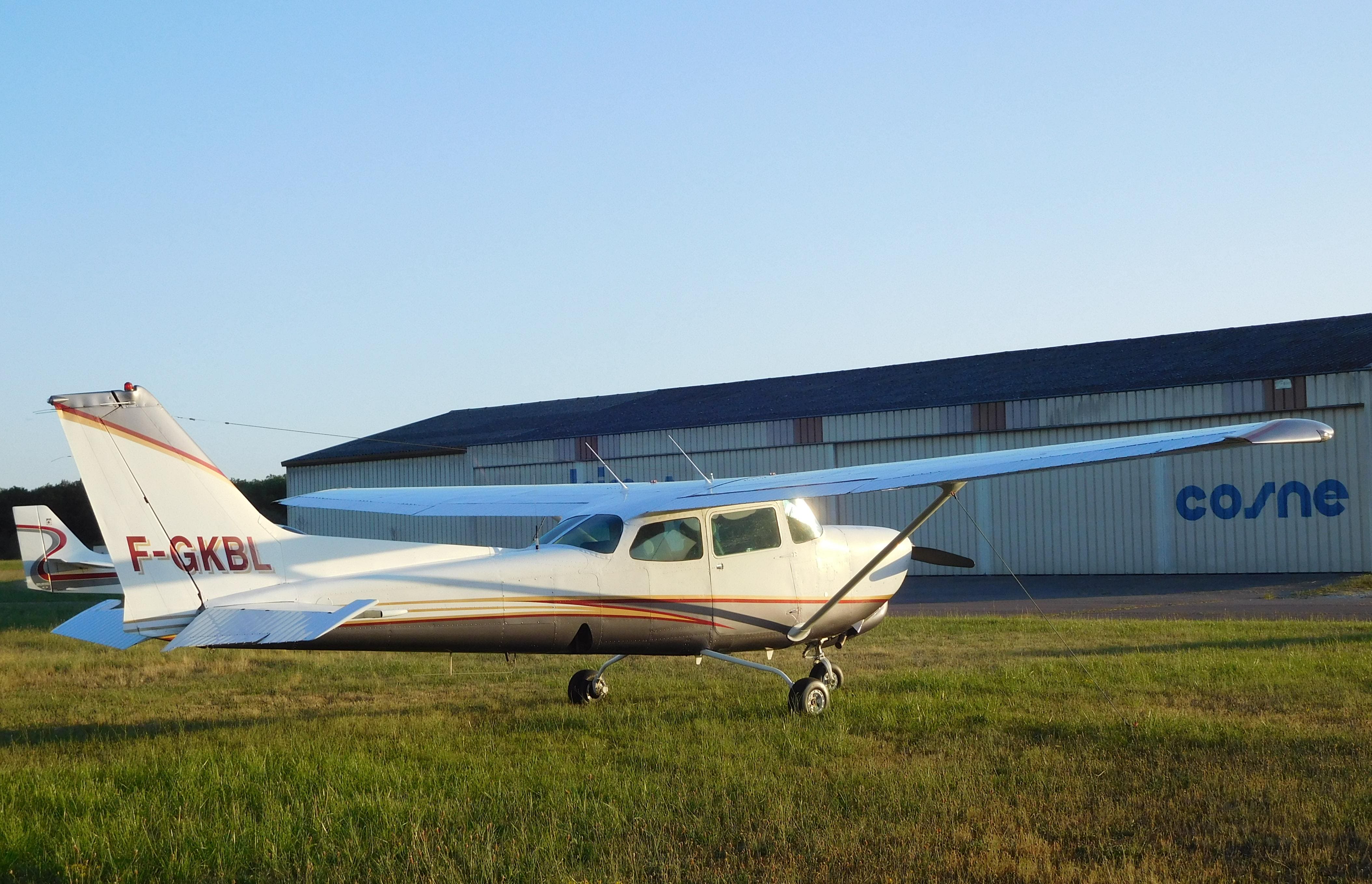
A Cessna 172RG transition needs an insurance review that identifies the exact aircraft and training arrangement. Experience in a fixed gear Cessna 172 is useful information, but it should not be reported as time in a 172RG or treated as proof that every pilot condition has been satisfied. Submit the actual pilot record and proposed training plan.
This guide focuses on coordinating the insurance stages from initial instruction to the owner’s intended independent flying. It does not teach aircraft systems, set a training syllabus, determine regulatory eligibility or promise a fixed premium. The instructor, appropriate operational advisers and authorized insurance parties must resolve their respective decisions.
Make the Model Distinction Clear in the Submission
Provide the manufacturer, exact model, serial number and registration from the aircraft documents. The 172RG should be identified explicitly rather than entered as a generic Cessna 172. Check the proposed quotation and issued documents for the same identity. A familiar family name can hide an important difference between the airplane described in the application and the one the pilot intends to operate.
Include current configuration and relevant modifications requested by the insurer. An advertisement, old photograph or original model specification may not describe the aircraft as equipped today. Use available records and qualified technical review for questions about condition and configuration. The insurance submission should accurately communicate the aircraft facts without presenting a planned inspection as completed or an undocumented modification as verified.
BWI’s broader Cessna 172 insurance cost guide remains a starting point for the model family. Use the particular 172RG and training arrangement for the actual review. Do not apply a figure for another airplane or pilot as if it were a current quote for your intended transition.
Separate Regulatory Training From Policy Conditions
14 CFR 61.31 addresses additional training and authorization requirements, including complex airplane provisions. Ask a qualified instructor and the appropriate aviation authorities how current requirements apply to you and the actual aircraft. This article does not decide an exception, supply an endorsement or provide a regulatory training checklist.
An insurer’s pilot condition is a separate contract question. The policy may require review of experience, training or another condition for the proposed operation. Obtain the actual wording and authorized response rather than assuming that a regulatory endorsement satisfies every insurance requirement. The opposite assumption is also unhelpful: an insurance response does not establish that the pilot meets the applicable aviation rules.
Keep the relevant records identifiable. A logbook endorsement, instructor assessment, insurer training response and issued policy are different documents. They can be part of the same transition file without becoming interchangeable. Before relying on the arrangement, confirm which requirements have been addressed, who made the decision and which part of the proposed flying that response covers.
Present Experience in the Categories Requested
Use logbook supported information for total time, relevant recent flying and aircraft experience requested in the application. Report 172RG time separately from experience in other models where asked. If a form requests retractable gear or other experience categories, obtain clarification about uncertain entries. Avoid estimating a more favorable figure or counting the same time differently merely to reach an assumed threshold.
For a fictional example, a pilot might have 600 total hours, including 200 in fixed gear Cessna 172 aircraft, 20 in a different retractable gear model and no 172RG time. Those are example records, not acceptance thresholds. Preserve each requested category accurately instead of entering 220 hours as 172RG experience because the aircraft share some features. Total time and its subsets should not be added into a new inflated total. If a form offers only a broad model-family box, give the adviser the breakdown and ask how the insurer wants it entered.
Explain a period away from flying or a change in the pilot’s usual activity accurately. An experienced pilot returning after a long break may have different review questions from a recently active pilot entering the model for the first time. Describe the person’s actual circumstances rather than relying on a broad statement that they have flown Cessnas for many years.
If more than one pilot will use the airplane, prepare the information for each person. One owner’s accepted transition plan does not automatically establish another pilot’s eligibility. Identify proposed roles and anticipated timing so the insurance party can evaluate the complete arrangement, including whether a second owner, instructor or occasional pilot needs a separate response under the actual documents.
Identify the Instructor and Their Actual Role
Provide the instructor’s identity and relevant information requested by the insurer before assuming that the person meets the policy’s conditions. Describe whether the instructor will teach in the owner’s aircraft, operate it for delivery or perform another role. A flight instructor certificate alone does not establish acceptance under every policy or permission for every activity connected with the transition.
Ask the owner’s insurance party how the instructor is addressed and ask the instructor to review their own professional interests separately. The owner’s policy and an instructor’s personal protection are different subjects. Do not tell either party that one document answers all questions for both. Provide the complete arrangement and any applicable agreement so the relevant advisers can evaluate their own documents.
If the first instructor becomes unavailable, submit the proposed replacement for the required review before relying on the original response. A change in instructor can affect the facts under consideration even if the aircraft and student remain the same. Record what was requested, what was accepted and what remains pending, instead of treating a schedule substitution as an insurance endorsement.
Confirm Each Transition Stage Separately
| Stage | Operational record | Insurance question |
|---|---|---|
| Initial instruction | Instructor and proposed activity | Are the actual people and plan accepted? |
| Further training | Current assessment and records | Do relevant conditions remain unresolved? |
| Independent flying | Appropriate qualification and readiness | What policy confirmation is required? |
| Later use change | Revised operation and people | Does the issued arrangement need review? |
This table organizes questions. It does not prescribe a syllabus, grant pilot authority or determine whether a policy condition has been satisfied.
Describe Training as a Staged Plan
Explain the proposed sequence at a practical level: initial instruction, any further supervised activity and the owner’s intended independent flying. The instructor should determine the appropriate technical content and readiness assessment. The insurance party should identify the applicable policy conditions. This guide does not set hours, maneuvers, weather limits or a minimum course that guarantees acceptance.
Where an insurer requests evidence of completion, ask what document it needs and who must provide it. Preserve the accepted response with the training records. A planned course, a completed lesson and a confirmed policy condition are different stages. The transition file should make those differences visible so a pilot does not rely on an incomplete handoff.
If the training plan changes because of availability, aircraft work or the instructor’s assessment, update the relevant parties. Do not assume that an earlier response for a different schedule or arrangement still applies. The useful insurance question is whether the revised facts have been reviewed, not whether another owner once completed a similar transition using a particular number of hours.
If some training will occur in another aircraft, identify that aircraft and the activity separately. Ask the relevant insurance party whether the proposed experience or completion record meets the actual condition being discussed. Do not assume that using another retractable gear airplane is accepted as a substitute for work in the 172RG. The instructor should address its training value, while the insurer addresses its own wording and requested evidence. Record both responses with their scope and dates so the owner can see which questions remain before moving to the next stage.
Identify the particular aircraft in every proposed training record supplied for review. If the owner plans to learn in a school’s 172RG before taking delivery of a different 172RG, list both aircraft and the role of each. The make and model can match while the owner, policy, instructor agreement and dates differ. Ask whether a requested completion record concerns experience in the model or work in the specific insured airplane. Keep that answer with the actual condition rather than deciding that all time in a Cutlass resolves every requirement.
Review the Move to Independent Flying Explicitly
Before changing from the reviewed instruction arrangement to independent operation, identify what conditions need confirmation under the actual policy. Ask the issuing insurance party how the transition is documented. An instructor’s decision about proficiency is important within its scope, but it should not be recorded as an insurer’s acceptance of a policy change unless that is actually the authorized process.
Check whether the proposed independent activity matches the submitted use and pilot role. A personal owner trip, taking passengers or another planned activity should be described accurately where relevant. Do not assume that completion of the first training stage automatically answers every question about later operations. Regulatory and operational requirements must also be addressed through the appropriate qualified channels.
Keep the accepted insurance documents and responses available to the people who need them. A calendar note saying checked out may be too vague to show which training and policy questions were resolved. Record the actual completion evidence and insurance response without broadly sharing private pilot information or representing an unresolved condition as completed.
Plan Delivery and Ownership Timing Separately
If the 172RG is being purchased, identify the proposed closing, possession and delivery arrangements. Ask the relevant transaction advisers when ownership and responsibility change, and discuss the required insurance timing with the issuing party. This guide does not supply a universal rule that protection begins at payment, registration or pickup. Use the actual agreement and accepted documents.
Describe who will fly the aircraft from the seller’s location and whether instruction is part of that movement. The delivery pilot may not be the same person who conducts the later transition. Submit each proposed role for review rather than assuming that a named pilot or accepted instructor is authorized for every delivery and training activity under the policy.
If technical findings or scheduling delay the transaction, communicate revised dates and arrangements. A requested effective date is not the same as confirmed insurance. Keep lender or other evidence requirements with the submission and check the issued names and details. Accurate timing helps prevent a quotation for a proposed purchase from being mistaken for accepted protection during a changed handover.
Compare Owner and Renter Arrangements
An owner learning in a newly purchased 172RG and a renter receiving instruction in a school aircraft have different interests. Describe who owns and supplies the airplane, who hires the instructor and which agreements govern the use. Do not assume that a nonowned policy applies merely because the person is still training or has not yet taken the airplane home.
For a renter, obtain the rental agreement and review personal nonowned protection separately from the school’s insurance. For an owner, review the aircraft policy and the instructor arrangement. A school’s checkout, an instructor’s endorsement and an insurance acceptance can each answer different questions. Preserve the relevant records without treating one as proof of all the others.
BWI’s aircraft renters insurance information is the broader starting point for rented and borrowed aircraft. If the transaction or ownership changes during training, update the insurance discussion. A policy description based on renting should not silently be carried forward after the pilot acquires an ownership interest in the airplane.
Compare Actual Terms Rather Than a Model Surcharge
Request quotations using the exact aircraft, value, pilots, use, storage and transition plan. This guide does not assert a fixed percentage difference from a standard 172. A comparison based on different people, values or conditions can make a price difference look like a model rule when it reflects several changed facts in the submission.
Review physical damage selections, requested value, deductibles, liability structure and relevant pilot conditions in the full proposal. Record an alternative offer as an alternative instead of assuming it matches every feature of another quote. The cost decision should make the offered arrangement understandable, including unresolved questions and the documents required before acceptance.
Ask which terms are confirmed and which are still requested. A preliminary indication, broker inquiry and issued endorsement are different records. Do not plan the training around an assumed condition copied from another owner’s experience. The insurer’s actual response and issued wording determine the insurance arrangement offered for this pilot and aircraft.
Use a Fictional Instructor Change to Check the Handover
Imagine a fictional new owner receives proposed insurance terms for transition training with a named instructor. Before the first session, another instructor offers to conduct the delivery flight and training instead. This is not a BWI placement or an approved operating plan. It illustrates how a practical scheduling change can alter the arrangement originally submitted for review.
The owner should identify the proposed instructor and delivery roles and ask the authorized insurance party how the revised facts affect the terms. The new instructor should address their own operational and professional responsibilities. The owner should not assume that the first response applies merely because both instructors are qualified in general or because the aircraft remains the same.
Once the relevant decisions are obtained, the owner can keep the accepted response with the actual training plan and completion records. If another change occurs, the file should show what was reviewed at each stage. The purpose is a clear handover between proposed activity and confirmed documents, not a guarantee that any particular plan will be accepted.
A useful handover also identifies what each response actually confirms. An instructor letter may document a lesson or proficiency assessment, while an insurance response may accept a named person for a described role subject to a stated condition. Keep the aircraft identity, pilot, instructor, activity and applicable date beside each response. If the owner later changes from instruction to personal travel, check that intended stage against the actual wording. An entry saying approved should have a source and scope; it should not stand in for several separate decisions that have yet to be obtained.
Keep the Training and Policy Records Current
At the end of the transition, preserve the records requested by the relevant professionals and maintain a concise index of accepted insurance terms. Keep the technical and regulatory documents identifiable rather than replacing them with an informal summary. If a future question arises, the file should show the source and date of each decision and which aircraft and pilot it addressed.
At renewal, refresh pilot experience, recent flying, aircraft configuration, use and any changes in the ownership arrangement. Completed transition training is part of the history, while new activities or added pilots may need further review. Do not assume that the first year’s accepted plan automatically answers every later policy condition or creates a guaranteed renewal price.
If the aircraft is later offered for instruction, rental or another use beyond the original owner arrangement, describe the change before relying on the existing terms. This is a different submission question from completing a personal transition. The policy should be reviewed against the work and people actually intended, with professional and operational decisions kept within their appropriate scope.
Cessna 172RG Insurance for Transition Training FAQs
Does fixed gear 172 time count as 172RG time?
Report experience accurately in the categories requested. Do not relabel time in another model as time in the 172RG. Ask the insurance party how any broader experience category should be completed.
How many transition hours will the insurer require?
Obtain the actual response for the pilot and aircraft. This guide sets no universal number or course. The instructor’s proficiency assessment, regulatory requirements and policy conditions require their respective reviews.
Does a complex endorsement settle the insurance question?
Not by itself. Have the applicable policy conditions reviewed separately. An insurance response also does not replace the pilot’s regulatory and operational responsibilities.
Can any instructor perform the transition?
Submit the actual instructor and role for the review required by the policy. A general qualification or another instructor’s acceptance does not establish that the proposed person meets every condition.
Is 172RG insurance always a fixed percentage higher?
No fixed pricing rule is asserted here. Compare actual quotations using the same aircraft, value, pilots and activities. Current offered terms determine the price for the submission.
Get a Cessna 172RG Insurance Review From BWI
Send BWI the exact aircraft identity, requested value, pilot experience, proposed instructor and training arrangement. Include delivery plans if you are buying and identify the intended move to independent flying. Label completed training and proposed work accurately so the review reflects the current stage.
Request a Cessna 172RG insurance quote from BWI before relying on terms for the transition. Availability, training conditions and pricing depend on the submission and insurer review. Issued documents govern coverage; regulatory qualification and operational readiness require separate qualified decisions.
Continue Reading


