
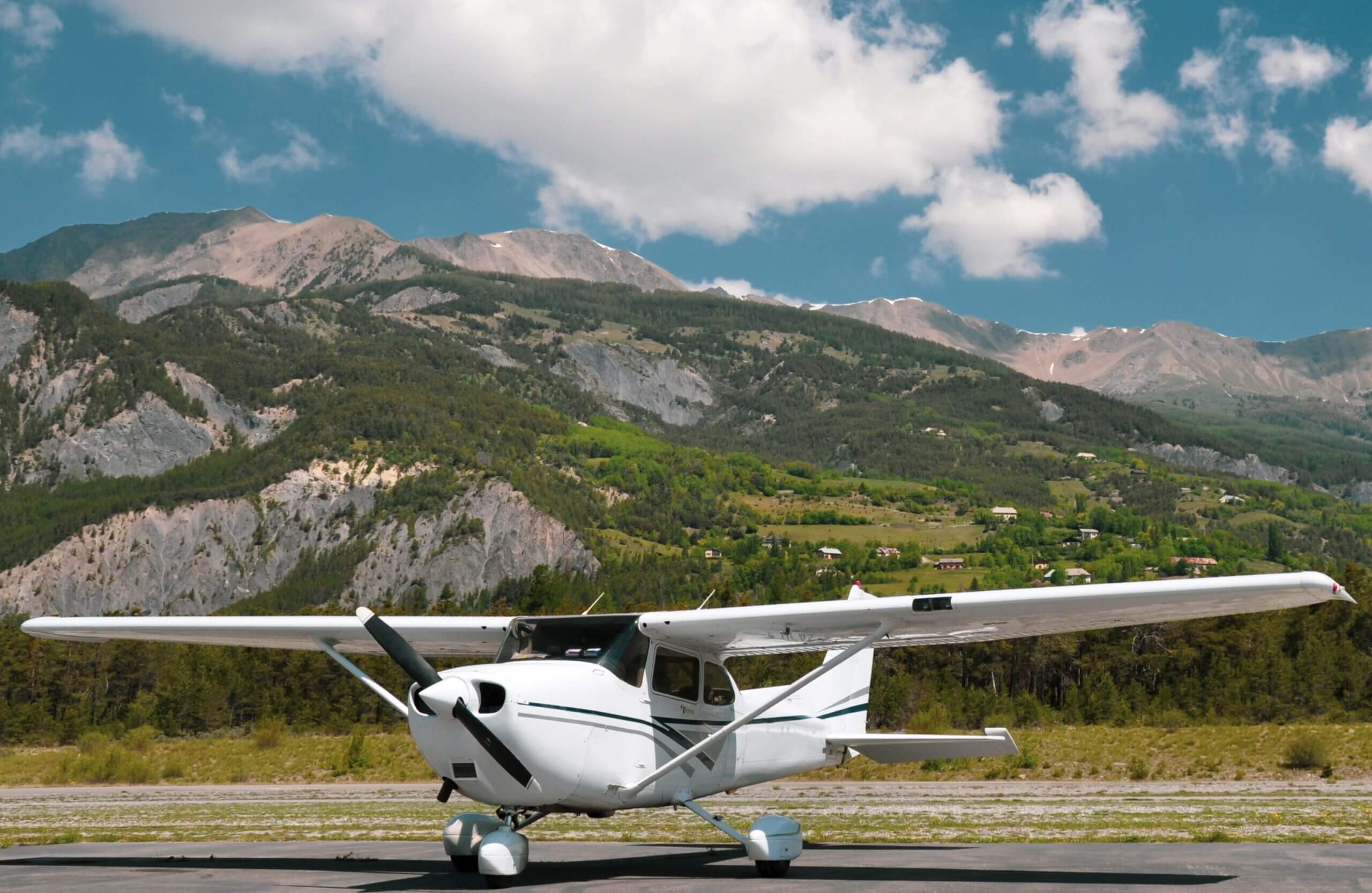
The Cessna 172 Skyhawk is one of the most popular and trusted airplanes ever built, known for its safety, versatility, and ease of ownership. Whether you’re a student pilot earning your wings or an experienced aviator building time, the 172 offers simplicity, reliability, and affordable operation.
But how much does it cost to insure one?
If you’re buying or renting a Cessna 172, understanding your airplane insurance cost is essential to managing your ownership budget and protecting your investment.
Since 1977, BWI Aviation Insurance has helped thousands of pilots and aircraft owners secure the right coverage at the best rates. With nearly 50 years of experience and 800+ five-star reviews, BWI is one of the most trusted names in aviation insurance nationwide.
In this guide, we’ll break down the average Cessna 172 insurance cost, what affects your rate, and how to get the best protection for the lowest premium.
How Much Does Cessna 172 Insurance Cost?
Cessna 172 insurance is among the most affordable in all of general aviation, thanks to its strong safety record, simple systems, and widespread availability of parts and training.
Average Annual Premiums:
Pilot Profile | Aircraft Hull Value | Typical Annual Premium | Liability Limit
Student Pilot / Low-Time | $75,000 | $1,300 – $1,900 | $1M / $100K per passenger
Private Pilot, 200 Hrs | $100,000 | $1,100 – $1,600 | $1M / $100K per passenger
IFR-Rated Pilot, 500 Hrs | $120,000 | $900 – $1,300 | $1M smooth
Commercial Pilot | $150,000 | $1,000 – $1,500 | $1M smooth
Flight School or Leaseback | $100,000 | $2,000 – $3,500 | $1M / $100K per passenger
Most Cessna 172 owners pay between $1,000 and $1,800 per year for comprehensive coverage, including both hull and liability insurance.
What’s Included in Cessna 172 Insurance?
A typical policy includes two main components:
1. Hull Coverage (Physical Damage to the Aircraft)
This covers damage to your airplane itself, from minor hangar rash to total loss.
– Ground Not in Motion: Covers incidents while parked or stored.
– Ground in Motion: Adds protection while taxiing.
– In Flight: Full coverage during all flight phases (takeoff, cruise, landing).
Most Cessna 172 owners choose “in-flight” coverage on an Agreed Value basis, meaning you and the insurer agree upfront on a payout amount in the event of a total loss.
2. Liability Coverage
Covers bodily injury or property damage you cause while operating your aircraft.
Includes:
– Injuries to passengers or people on the ground
– Damage to other aircraft, vehicles, or airport property
– Legal defense and settlements
Typical limits:
– $1,000,000 per occurrence / $100,000 per passenger (standard)
– $1,000,000 smooth (no passenger sub-limit) for experienced pilots
Factors That Affect Cessna 172 Insurance Cost
Although the 172 is inexpensive to insure compared to more complex aircraft, premiums still vary based on several important factors.
1. Pilot Experience
Experience is the single biggest factor.
Underwriters consider:
– Total flight hours
– Time in make/model
– Recent flight activity (last 90 days)
– Certificates and ratings (Private, IFR, Commercial)
The more you fly, and the more 172 time you log, the lower your rate.
Example:
– 100-hour pilot: ~$1,500–$1,800 per year
– 500-hour IFR pilot: ~$1,000–$1,300 per year
2. Aircraft Value (Hull Amount)
Insurance cost scales with hull value. A newer G1000-equipped 172S worth $400,000 will cost more to insure than an older 1970s 172N worth $80,000.
Rule of thumb:
For piston singles like the Cessna 172, premium ≈ 1% of hull value + $300–$600 liability fee.
3. Training and Recency
Completing annual flight reviews, recurrent training, or simulator courses can reduce your premium by 10–15%. Underwriters reward proficiency, pilots who stay sharp are seen as lower risk.
4. Storage
Where and how you store your aircraft matters.
– Hangared: 5–10% discount on premium.
– Tied down outdoors: Base rate.
– Outdoor coastal areas: Slightly higher due to storm risk.
5. Location
Aircraft based in states with higher exposure to weather (Texas, Florida, Midwest) or dense air traffic areas may have slightly higher rates.
6. Usage
– Pleasure & Business: Standard, lowest-risk category.
– Flight Instruction or Leaseback: Higher premiums due to multiple pilots and greater hours flown.
– Commercial or Charter: Specialized coverage required (typically Part 135).
How to Lower Your Cessna 172 Insurance Cost
Even though Cessna 172 insurance is affordable, there are smart ways to reduce your premium even more, without sacrificing protection.
1. Fly More, Pay Less
Insurers prefer active pilots. If you only fly once every few months, you’re a higher risk. Flying regularly demonstrates proficiency.
2. Take Recurrent Training
BWI recommends completing a flight review or simulator course annually, even if it’s not required. Many underwriters offer discounts for this.
3. Choose Realistic Hull Values
Don’t over-insure or under-insure. If your aircraft’s market value is $120,000, that’s the figure you should insure, not $150,000.
4. Increase Your Deductible
Raising your deductible from $250 to $1,000 can save 5–10% per year.
5. Bundle Multiple Aircraft
If you own or manage multiple aircraft, BWI can quote fleet policies that reduce per-aircraft costs.
Get Your Cessna 172 Insurance Quote Today>>
Cessna 172 Insurance Example Quotes
Here are real-world examples (approximate estimates):
Pilot Profile | Aircraft | Hull Value | Annual Premium | Notes
Student Pilot | 1975 172M | $80,000 | $1,600 | Limited time in type
Private Pilot, 250 hrs | 1985 172P | $100,000 | $1,300 | Clean record
IFR Pilot, 600 hrs | 2000 172S | $150,000 | $1,100 | Hangared
Commercial Pilot | 2010 172SP | $250,000 | $1,400 | Smooth liability
Flight School Leaseback | 2005 172R | $180,000 | $2,900 | Instruction use
Common Mistakes to Avoid
1. Assuming Flight School Insurance Covers You
It doesn’t, the FBO’s policy protects their airplane, not you. You may still be responsible for deductibles or loss-of-use charges.
2. Not Reviewing Coverage Annually
Rates and aircraft values fluctuate. Always update your policy at renewal.
3. Overpaying for Limited Coverage
Don’t settle for a single quote, BWI shops all major underwriters to find the best fit.
4. Ignoring Liability Protection
Even minor incidents can lead to large liability claims. Always carry at least $1,000,000 in coverage.
Why Cessna 172 Owners Choose BWI
BWI Aviation Insurance is one of the few brokers in the nation specializing exclusively in aviation.
Why pilots trust BWI:
– Nearly 50 years of aviation-only expertise.
– Same-day quotes for most piston aircraft.
– Direct access to every major aviation underwriter.
– Dedicated account managers, not call centers.
– Fast claims handling and transparent communication.
“BWI made the process simple, my quote came the same day, and I saved over $400.” Cessna 172 Owner, Florida
“They walked me through every coverage option. I couldn’t be happier.” Student Pilot, California
BWI by the Numbers
– 10,000+ aircraft insured nationwide
– Nearly 50 years of aviation-only experience
– 800+ verified five-star reviews
– Offices in California and Alaska
– Same-day quotes and renewals
Conclusion
If you’re buying or flying a Cessna 172, insurance is one of the simplest, and smartest, ways to protect your airplane, your passengers, and your peace of mind.
Average premiums range from $1,000 to $1,800 per year, but with the right broker and training habits, many pilots pay less.
With access to every major aviation underwriter, same-day quotes, and nearly 50 years of experience, BWI Aviation Insurance is the trusted choice for Cessna 172 owners across the country.
Visit www.bwifly.com or call 800-666-4359 today to get your personalized Cessna 172 insurance quote.
BWI Aviation Insurance, protecting pilots, aircraft, and peace of mind since 1977.
Continue Reading