
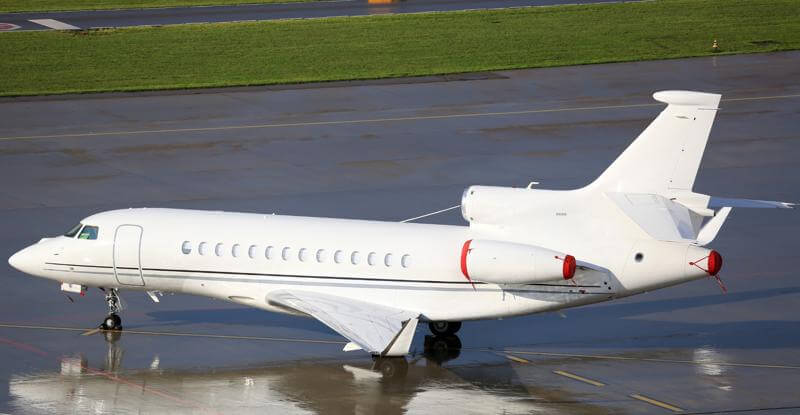
Flying for business isn’t just about getting from point A to point B, it’s about moving people, goods, and opportunities. Whether you operate a single corporate jet, a charter fleet, or a flight school, your aircraft represents both a major asset and a significant liability.
That’s why commercial airplane insurance is one of the most important investments an aviation business can make.
It protects not only your aircraft but also your passengers, your employees, and your company itself from financial loss caused by accidents, damage, or liability.
Since 1977, BWI Aviation Insurance has specialized exclusively in aviation coverage, helping thousands of pilots, aircraft owners, and operators nationwide. With nearly 50 years of experience and 800+ five-star reviews, BWI has become one of America’s most trusted aviation insurance brokers.
This guide breaks down what commercial airplane insurance covers, who needs it, how much it costs, and why working with a specialized aviation broker like BWI ensures your business stays protected on every flight.
What Is Commercial Airplane Insurance?
Commercial airplane insurance is a policy designed for aircraft used in business, charter, or commercial operations.
It goes beyond personal-use coverage, offering higher liability limits, broader protection, and policy features that address the complexity of commercial flying.
Whether you operate:
– A charter or air taxi service (Part 135)
– A corporate flight department (Part 91)
– A flight school or FBO
– A sightseeing, banner-tow, or aerial photography operation
– A cargo or agricultural aviation business
…you need commercial-grade protection that accounts for passengers, revenue flights, employees, and assets.
Why It’s Essential for Aviation Businesses
Operating a commercial aircraft introduces risks that don’t exist in personal flying:
– Carrying paying passengers increases liability exposure.
– Employing multiple pilots or instructors adds human factors risk.
– Flying more hours per year increases wear, tear, and accident probability.
– Operating under FAA Part 135 or 141 involves stricter regulatory compliance.
Even minor incidents can result in major financial losses without the right coverage.
Example 1:
A charter jet experiences a bird strike during climbout. Repair costs total $150,000, and the aircraft is grounded for two weeks. The operator’s hull and loss-of-use coverage ensure a full recovery.
Example 2:
A flight school CFI has a student overrun the runway, causing $75,000 in damage. The school’s commercial policy covers the loss, legal defense, and airport property damage.
Without commercial insurance, either event could devastate a business financially.
Types of Coverage Included in Commercial Airplane Insurance
A comprehensive commercial policy combines several core protections:
1. Hull Coverage
Protects the aircraft against physical damage or total loss, whether parked, taxiing, or in flight.
Coverage options:
– Ground Not in Motion – When parked or stored.
– Ground in Motion – While taxiing.
– In-Flight – All phases of flight.
Policies are written on an Agreed Value basis, ensuring fast, predetermined payouts in total-loss events.
2. Liability Coverage
Protects your business if your aircraft causes injury, death, or property damage, covering passengers, cargo, and third parties.
Common limits:
– $1M / $100K (entry-level piston operations)
– $5M–$10M smooth (turbine or jet operations)
– $25M+ for large corporate or fleet operations
Includes legal defense, settlements, and judgments, essential for high-value business operations.
3. Passenger and Crew Coverage
Provides benefits for those onboard, including employees, customers, or guests.
Includes:
– Medical Payments
– Voluntary Settlement (no-fault quick benefits)
– Employer Liability for paid staff or contractors
4. Business Interruption / Loss of Use
Reimburses lost income when an aircraft is grounded after a covered loss.
Crucial for charter companies, flight schools, and other revenue-generating operations.
5. Hangar and Premises Liability
Extends protection to hangars, offices, and ramp operations.
Example: A mechanic or customer slips in your hangar, or an employee damages another airplane while towing, this coverage responds.
6. Optional Add-ons
Policies can be customized with:
– Non-owned aircraft liability
– Instructor coverage
– Cargo insurance
– Spare parts coverage
– Pollution liability
Get Your Commercial Airplane Insurance Quote Today>>
Understanding FAA Part 91 vs. Part 135 Requirements
Many aviation businesses operate under either Part 91 (corporate, private, non-commercial) or Part 135 (charter and commercial transport). Understanding the difference is vital for insurance compliance.
Part 91 – Corporate and Private Flight Departments
Part 91 covers non-commercial operations, typically aircraft owned by a company or individual for internal business use.
Insurance requirements are flexible but should include:
– High hull and liability limits ($5M+ recommended).
– Crew coverage and non-owned endorsements.
– Optional passenger or employer liability protection.
Part 135 – Charter and Commercial Operators
Part 135 governs on-demand air taxi and charter operations, flights carrying paying passengers or cargo for hire.
Insurers require:
– Proof of FAA certification and pilot training records.
– Commercial liability limits ($5M–$25M+).
– Strict pilot experience minimums (e.g., 1,200+ hours total time).
– Annual simulator training for all crew.
Key Takeaway:
Part 135 operators face significantly higher underwriting standards, and premiums, due to increased exposure and regulatory oversight. Working with a broker like BWI ensures your policy meets FAA and insurance carrier requirements simultaneously.
Real-World Claims and Lessons Learned
Understanding how insurance responds in real situations helps operators see its value.
Case 1: Charter Jet Bird Strike
A Part 135 operator’s jet ingested birds during takeoff, damaging two engines. The hull policy covered $900,000 in repair costs, plus a $40,000 loss-of-use claim. The operator was back in the air in three weeks.
Case 2: Flight School Incident
A student in a Cessna 172 overran the runway during training, damaging airport property. Total claim: $62,000 — fully covered under the school’s commercial liability policy.
Case 3: Hangar Fire
A small maintenance shop lost two customer aircraft in a hangar fire caused by an electrical fault. The business’s hangarkeepers liability policy covered both aircraft ($700,000 total) and legal expenses.
Lesson:
Accidents happen, even to the most experienced operators. Having a well-structured policy doesn’t just cover costs, it preserves reputation and customer trust.
How Much Does Commercial Airplane Insurance Cost?
Operation Type | Typical Annual Premium | Hull Value | Common Liability Limit
Flight School (Single Aircraft) | $4,000 – $8,000 | $100K – $300K | $1M / $100K
Charter Jet (Part 135) | $15,000 – $40,000+ | $2M – $10M | $5M – $10M smooth
Corporate Jet (Part 91) | $10,000 – $25,000 | $3M – $8M | $5M smooth
Aerial Tours / Sightseeing | $5,000 – $12,000 | $250K – $1M | $1M – $2M
Agricultural Aviation | $3,000 – $10,000 | $150K – $500K | $1M – $2M
Key Cost Factors
– Aircraft value and type
– Pilot experience and training
– Operational use (Part 91 vs. 135)
– Claims history
– Location and base of operation
How to Get the Best Rate on Commercial Airplane Insurance
1. Work With a Specialized Broker
Aviation insurance is niche, general agents lack market access. BWI works with all major underwriters, ensuring you get competitive quotes and proper protection.
2. Maintain Training and Safety Programs
Operators with recurrent pilot training and documented safety programs often save 10–20% on premiums.
3. Keep Detailed Maintenance and Flight Logs
Complete, up-to-date records improve your insurability and can reduce deductibles in the event of a claim.
4. Review Policies Annually
Ensure coverage matches your business operations, pilot roster, and current aircraft value.
5. Bundle Multiple Aircraft
Fleet discounts are available for charter and corporate operators insuring multiple aircraft under one policy.
Why BWI Aviation Insurance Leads the Industry
For nearly five decades, BWI Aviation Insurance has provided customized commercial coverage for aviation businesses of every type.
Why operators choose BWI:
– Specialization: 100% aviation focus, no auto or general insurance distractions.
– Speed: Same-day quotes for piston aircraft; 2–3 days for turbines and jets.
– Personal Service: Dedicated account managers (no call centers).
– Underwriter Access: Every major U.S. aviation carrier, Global, Old Republic, Starr, USAIG, AIG, and more.
– Claims Advocacy: Direct support to minimize downtime and maximize payouts.
BWI by the numbers:
– 10,000+ aircraft insured nationwide
– 800+ five-star reviews
– Offices in California and Alaska
– Nearly 50 years in aviation insurance
Conclusion
Aviation is an industry built on precision, responsibility, and trust, your insurance coverage should reflect the same.
Commercial airplane insurance is more than a safety net, it’s a strategic tool that protects your business, your reputation, and your livelihood.
For expert advice, fast quotes, and tailored protection for your aviation operation, contact BWI Aviation Insurance, trusted by pilots and business owners nationwide since 1977.
Visit www.bwifly.com or call 800-666-4359 to get your commercial airplane insurance quote today.
BWI Aviation Insurance, protecting pilots, aircraft, and peace of mind since 1977.
Continue Reading