

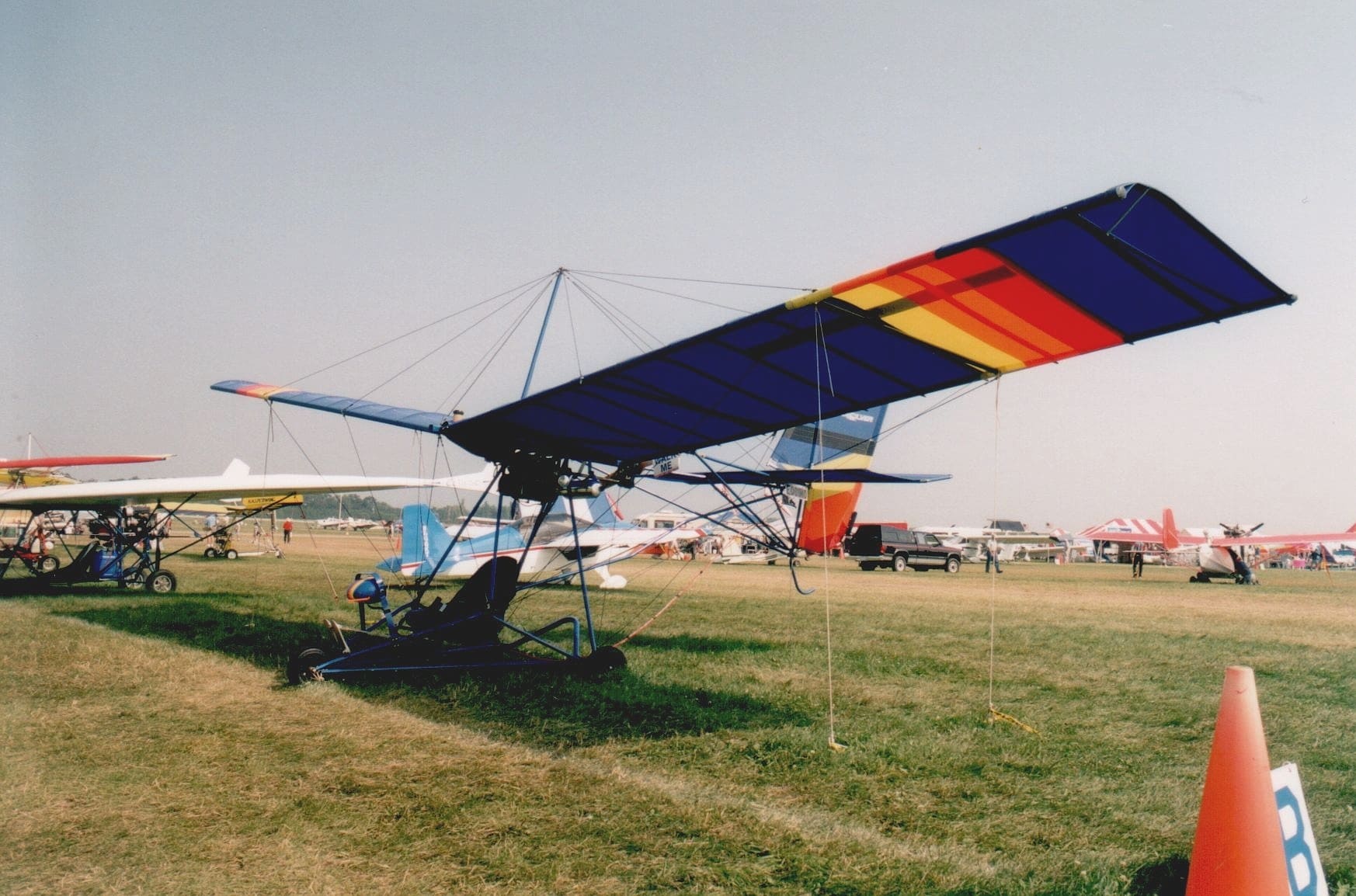
Ultralight aircraft insurance begins with identifying the vehicle and the operation accurately. A machine described as an ultralight in a sales listing is not automatically a vehicle operating under the FAA’s Part 103 rules. Its actual configuration, documentation and intended use matter to both the regulatory discussion and any insurance inquiry.
Start by asking which liability and property interests you want reviewed. Then provide the vehicle details, operator experience, flying location, storage arrangements and planned activities. Do not assume that a small purchase price eliminates liability concerns or that a policy for another kind of aircraft automatically extends to this vehicle.
This guide explains how to prepare a useful review and compare any available terms. It does not promise that BWI can place every ultralight or that any quoted protection approves the operation. Use BWI’s aircraft insurance information for broader coverage context, and confirm eligibility for the specific vehicle before relying on an insurance plan.
Confirm What You Are Calling an Ultralight
In the United States, 14 CFR Part 103 addresses single-occupant vehicles used for recreation or sport without an airworthiness certificate. Its definition includes specific limits. An unpowered vehicle must weigh less than 155 pounds. For a powered vehicle, the rule specifies an empty weight below 254 pounds, excluding floats and safety devices intended for deployment in a potentially catastrophic situation, no more than five U.S. gallons of fuel capacity, a maximum full-power level-flight capability of 55 knots calibrated airspeed, and a power-off stall speed no higher than 24 knots calibrated airspeed. Review the complete current rule and applicable guidance rather than relying on this abbreviated description.
A vehicle’s name or appearance does not establish its classification. Collect the manufacturer or builder information, specifications, configuration and any existing certification or registration documents. If the facts do not fit the proposed category, obtain appropriate aviation guidance before the insurance inquiry proceeds on an incorrect assumption. A two-seat machine or an aircraft with different documentation should not be squeezed into an ultralight description simply to simplify a form.
Tell BWI what is known and which classification questions remain unresolved. The insurer needs a truthful account of the vehicle, not a convenient marketing label. Keep the final classification information with the submission and update it when the configuration changes. Insurance acceptance and regulatory compliance require separate attention; neither should be inferred from the other.
Separate Liability From Damage to the Vehicle
Liability and physical-damage insurance address different concerns. A liability inquiry focuses on potential responsibility to other people or property within the policy terms. A property inquiry focuses on the owner’s interest in the vehicle and the protection offered for covered damage. Choosing to retain the cost of your own vehicle does not, by itself, answer how you want to address liability arising from its operation.
List your interests in plain language before asking for a quote. For example, an owner may want to review potential responsibility connected with flying, damage to the vehicle while stored and the treatment of equipment during transport. Those questions need separate answers. Do not assume a liability proposal also includes hull protection or that an equipment policy necessarily addresses aviation operations.
Ask which coverages are actually available for the specific vehicle and use. Read the offered terms, limits, exclusions and conditions. If an option addresses only part of the request, record the remaining exposure rather than treating the quote as complete because a premium was supplied. An accurate comparison can include unavailable or unresolved items alongside the protection that has been offered.
Describe the Operator Experience Accurately
Prepare a factual summary of relevant experience, training and familiarity with the specific vehicle type. Identify who will operate it and whether any additional operator is contemplated. A general statement that someone has flown before can conceal important differences in equipment, controls or operating environment. Provide the information requested and distinguish completed training from training you intend to obtain later.
Part 103 contains exemptions from certain certification and registration requirements for qualifying vehicles and operators. That regulatory treatment does not establish an insurer’s eligibility or experience requirements. Ask what the offered insurance requires for the proposed operator. Do not assume that the absence of a particular FAA certificate requirement means no underwriting questions will be asked or no condition will appear in a proposal.
When experience information changes, keep the insurance contact informed as required by the actual arrangement. Do not substitute projected hours for current experience. If a proposal depends on a specified condition, obtain clarification about how and when it must be satisfied. An intention to complete training is different from documentation that the relevant condition has been met.
Identify the Flying Location and Ground Arrangements
Describe where the vehicle will normally operate and where it will be kept. Identify the airfield, private property or other location and explain any planned travel to different sites. The operating environment is more informative than an owner’s mailing address alone. Include the people or organizations granting access and any written requirements they have supplied for review.
Regulatory permission, property access and insurance evidence are different questions. An insurance certificate is not authorization to use a site, and permission from a property owner is not confirmation that a policy covers every proposed activity. Ask the appropriate parties to address each issue. If a site requests a particular limit or status, provide the actual written requirement rather than paraphrasing it from memory.
For shared storage, explain who has access and who may handle the vehicle. A lightweight vehicle may be moved or assembled by people other than its operator, so the description should identify the actual arrangement. Do not assume another organization’s insurance replaces the owner’s protection merely because that organization supplies hangar space or hosts the activity.
Review Storage Trailering and Detached Components
| Exposure to discuss | Details to prepare | Question for the proposal |
|---|---|---|
| Operation | Vehicle, operator, use and locations | What liability protection and conditions apply to the described operation? |
| Damage to the vehicle | Ownership, value, configuration and storage | Is physical-damage protection offered, and on what basis? |
| Transport | Trailer, carrier and detached items | Which contract addresses each property and activity? |
| Shared storage | Location, access and handling responsibilities | How are the vehicle and relevant interests treated there? |
| Equipment away from the vehicle | Item, value, custody and location | Is the item included while detached or elsewhere? |
| Site requirements | Written limit and status requests | Which requested terms can actually be supplied? |
Many owners need to consider what happens between flights as carefully as the flying itself. Describe the storage location, security arrangements and expected periods away from the usual site. Ask how any offered property protection applies in those circumstances. Examples such as weather damage, theft or accidental contact are questions for policy review, not a promise that each event is included.
If the vehicle is trailered, explain who transports it, how it is carried and which components are detached. Ask the relevant insurance professionals to identify the coverage addressing the vehicle, trailer and transport activities. Do not assume an auto policy, trailer policy or aviation policy provides identical protection for every part of the trip. Each proposed contract should be read for the interest it actually insures.
Record major components and equipment separately when requested. A wing, engine, removable instrument or other item stored away from the main frame may raise a different location or property question. Identify ownership and proposed values accurately. The objective is a consistent equipment description rather than a single total that obscures what is included, where it is located and who controls it.
Compare Value Deductible and Limits Together
For any physical-damage proposal, ask how the vehicle’s value is established and how a covered loss would be settled. A kit purchase price, completed project cost and current market estimate may not be the same amount. Keep records supporting the information requested, including significant components or modifications. Avoid treating personal labor or an aspirational sale price as automatically accepted insured value.
Identify the applicable deductible and other relevant limitations. Compare the amount you would retain with the cash you can make available. The deductible is not a guarantee that every other expense will be reimbursed. Repair decisions, excluded conditions and other contract provisions may affect the owner’s financial position, so the headline deductible should be considered within the complete protection offered.
For liability, compare the actual limits and insured status rather than using the vehicle’s price as a substitute for a risk review. A less expensive machine can still be involved in an event affecting someone else’s property or safety. Discuss the available options and any site requirements without assuming one universal recommended limit fits every operator, location and financial circumstance.
Explain Modifications and Intended Activities Before Relying on Coverage
Tell the insurance contact about the actual configuration and any planned changes. A different engine, structural alteration, added equipment or changed fuel arrangement may affect the factual description used in the inquiry. Appropriate aviation professionals should address the technical and regulatory implications. The insurance review should then use the accurate vehicle information rather than the configuration originally advertised by a seller.
Describe the real purpose of the operation. Do not present an intended business, instructional or other activity as ordinary recreational flying simply because that description seems easier to insure. A proposed activity may fall outside the regulatory framework or offered protection. Obtain the necessary specialist review before proceeding, and disclose what you intend rather than assuming a general aviation label makes every use acceptable.
If another person will operate or take possession of the vehicle, discuss the change beforehand. An owner’s existing proposal should not be assumed to apply automatically to a buyer, borrower or new operator. Keep written confirmation of any accepted insurance change and its effective time. A private agreement concerning use or payment does not amend an insurer’s contract.
Prepare a Useful Quote Submission
A concise submission can include the vehicle’s make or design, model if applicable, builder information, year, serial information, configuration, value and ownership. Explain the basis on which it is intended to operate and provide relevant documents requested for review. Where a specification is uncertain, say so and obtain the appropriate information instead of estimating a number merely to complete a required field.
Add the operator’s relevant experience, usual location, storage and transport arrangements, requested protection and desired effective date. Include written site or contractual requirements. Keep completed facts separate from future plans: a vehicle still being assembled, training not yet completed and a location not yet secured should be described as such. A useful submission gives underwriting a clear proposal without suggesting decisions have already been made.
Ask whether BWI has an appropriate placement option for the exact request. A general article about ultralight insurance does not establish that every design, location or use is eligible. If the request cannot be placed as proposed, identify the unresolved issue and seek appropriate guidance. Do not interpret a preliminary conversation as coverage, approval to operate or a promise of a future quote.
If you are comparing two vehicles before purchase, prepare a separate factual record for each rather than assuming one insurance response applies to both. Note differences in configuration, documentation, operator familiarity and intended storage. Obtain an answer on the vehicle you actually intend to acquire, and confirm that any accepted terms reflect the final ownership and effective date. A preliminary option for a different vehicle should not become the basis for a purchase decision without a fresh review.
Use the comparison to catch different assumptions in competing offers. One response may address liability during operation while another concerns damage only during storage. Record the named insured, described vehicle, covered activities, locations, limits, deductible, period and unresolved conditions for each. Then send the reviewer the differences you need clarified. A lower total price cannot resolve a missing coverage description. For example, a buyer who plans weekly trailering should ask specifically about the vehicle while loaded, detached wings stored at home and custody during unloading. Those are separate facts to disclose, not a statement that one policy will insure all three situations. Keep the written answers alongside the final proposal.
A Hypothetical Buyer Review Before First Use
Consider a hypothetical buyer who finds an open-frame vehicle described as an ultralight. The buyer plans recreational use from a private field and expects to trailer the vehicle home between outings. This is an organizing example, not a customer story, regulatory determination or statement that a particular design qualifies for insurance.
Before relying on the seller’s description, the buyer gathers the specifications and relevant documents and obtains appropriate aviation guidance about the proposed operation. The insurance inquiry then identifies the actual vehicle, operator, location, storage and transport plan. Liability and property questions are listed separately so an offered option is not mistaken for protection addressing every interest.
If the buyer later changes the transport arrangement or considers another operator, those facts are discussed before use. The practical lesson is to review the entire ownership routine, from storage to transport to operation, rather than asking only whether the machine can be insured. A clear description supports a more useful response and exposes unanswered questions before they become assumptions.
After Damage Preserve Facts and Follow the Reporting Instructions
Keep the policy and reporting instructions accessible to the responsible owner. If an incident occurs, follow the actual notice and cooperation requirements and contact the designated claims channel. Describe the event factually and retain relevant photographs, records and communications. Do not decide that a small vehicle or a modest initial repair estimate makes reporting requirements irrelevant.
Safety and the condition of the vehicle need separate attention from insurance. Obtain appropriate technical guidance before further operation or repairs. Ask the claims contact what information is needed and how inspection or documentation should be coordinated. A general article cannot determine whether a particular event is covered or whether a vehicle is suitable to operate after damage.
Where another party may be involved, provide the facts through the proper process. Avoid promising payment, signing a release or disposing of relevant damaged property without appropriate guidance. Keep ownership records and equipment descriptions available so the reviewed interest can be identified. The objective is an orderly factual file, not an early conclusion about responsibility or the final settlement.
Ultralight Aircraft Insurance FAQs
Is every small or lightweight aircraft an ultralight
No. The actual vehicle and operation must be assessed against the applicable framework. A sales description, small size or familiar appearance does not establish that Part 103 applies. Provide accurate specifications and documentation for appropriate review.
Does Part 103 status guarantee insurance eligibility
No. The regulatory classification and an insurer’s acceptance are separate questions. Ask about the available options for the specific vehicle, operator and intended use, and read any offered terms.
Does liability insurance pay for damage to my own vehicle
Do not assume it does. Liability and the owner’s property interest are different coverage questions. Identify whether physical-damage protection is included and how the actual contract treats the vehicle and loss.
Is my vehicle covered while it is on a trailer
The answer requires the relevant contracts and facts. Describe the transport, vehicle, detached parts and custody arrangements. Do not assume aviation or auto insurance automatically covers every item during the trip.
Can I use a quote as evidence that I may operate
A quote addresses proposed insurance terms. It does not establish regulatory compliance, property access or technical suitability. Obtain the relevant operational guidance and the required insurance acceptance separately.
Ask BWI About Your Ultralight Insurance Request
Bring BWI the vehicle details, intended operation, ownership information, operator experience and storage plan. Explain the protection you want reviewed and any written requirements from a site or other party. Ask whether an appropriate option is available for the actual vehicle rather than assuming all ultralights share one insurance arrangement.
Any available terms remain subject to underwriting and the issued policy. A quote request does not bind coverage, confirm Part 103 status or approve an activity. Keep the final accepted documents with the information used in the review and revisit the request when the vehicle or operation changes.
Continue Reading


