

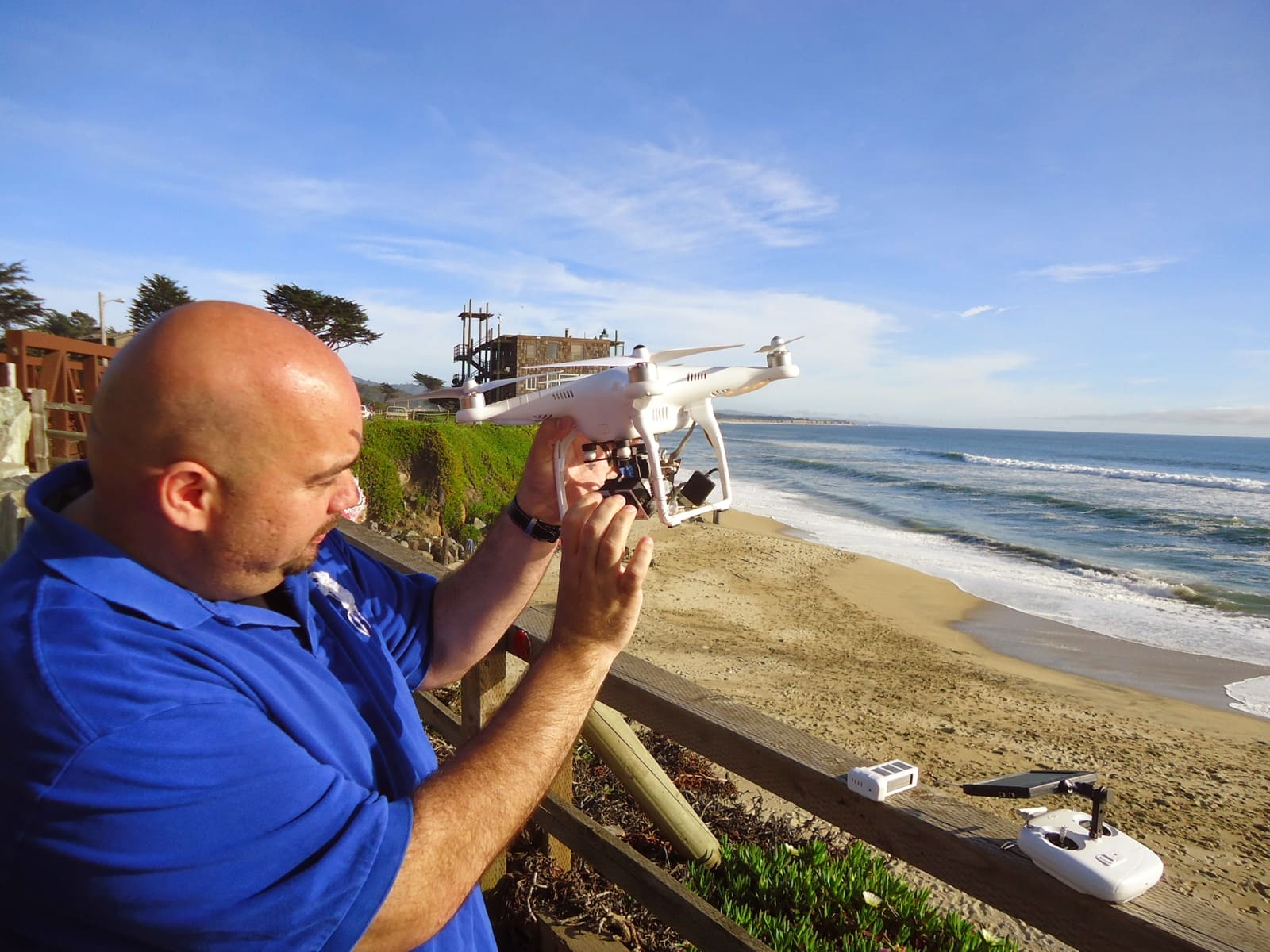
Drone flyaway insurance is a coverage question to resolve before an aircraft disappears. Liability-only insurance should not be assumed to pay for your own missing drone. BWI’s drone insurance information explains that flyaway protection can be included with physical-damage coverage, depending on the policy terms and cause of loss. Check the actual proposal and issued documents for your operation.
A flyaway describes what the operator experienced; it does not, by itself, establish the cause, the applicable policy provision or the settlement amount. Identify which aircraft and equipment are insured, how a missing aircraft is treated and what reporting and evidence requirements apply. Keep those questions separate from liability for any injury or damage involving another person.
This guide addresses the insurance review and records associated with a drone that cannot be recovered after an unexpected departure or loss of contact. It complements BWI’s broader drone coverage information and its separate equipment-schedule guide. It does not determine coverage for an actual claim or replace safety and reporting instructions.
Ask What the Policy Means by a Missing Aircraft
Begin with the physical-damage coverage, aircraft schedule, definitions, exclusions and relevant endorsements. Ask how the contract addresses a drone that is missing and cannot be recovered. Do not assume the word flyaway appears in every form or that a product page contains all of the conditions. The issued policy should provide the basis for the answer you rely on.
Describe the operation and equipment accurately when requesting the review. Explain whether the drone is owned, leased or borrowed, which aircraft is involved and who operates it. A coverage discussion for one scheduled aircraft should not silently become the basis for a different drone. Keep the actual registration or identifying information requested in the submission and verify the final documents against that record.
Ask what facts the insurer would need to assess an unrecovered loss. This is a preparation question, not a request to preapprove a hypothetical claim. Understanding the reporting channel, relevant documents and equipment identification helps the operator maintain a useful file. It should not be interpreted as a promise that a particular set of records guarantees payment.
Separate Hull Protection From Liability
Physical damage to your drone and legal responsibility to someone else are different insurance concerns. A missing aircraft may create a property question for the owner and a separate question if it damages another person’s property or causes injury. Identify which protection is actually included rather than treating a liability limit as money available to replace the aircraft itself.
Review the interests of the actual owner and operator. A business may use an employee’s drone, lease a specialist aircraft or borrow equipment from a production partner. Ownership and custody affect the question being asked, so provide the arrangement rather than simply describing the aircraft as part of the team’s fleet. Do not assume a policy for owned equipment automatically addresses every non-owned interest.
If another person reports damage or makes a demand, preserve the communication and notify the appropriate claims contact under the relevant instructions. Avoid assuming the matter is resolved because the drone’s value is modest or because its location is unknown. The aircraft’s replacement cost and potential liability are separate amounts that require their own assessment.
Confirm Which Drone and Payload Are Insured
| Item or interest | Record to maintain | Question to confirm |
|---|---|---|
| Drone airframe | Identification, ownership and accepted value | Is this aircraft included under the applicable physical-damage terms? |
| Attached payload | Item description, identifier and value | Is the payload included, separately scheduled or subject to another limit? |
| Non-owned drone | Owner, agreement and use | What protection addresses the operator’s actual interest or responsibility? |
| Controller and ground equipment | Inventory and location | Which items are insured and which were involved in the event? |
| Liability to others | Operation, allegations and communications | Which liability provisions and reporting instructions apply? |
| Business interruption or replacement needs | Actual costs and operational impact | Is any separate protection offered for these expenses? |
Keep a current record of the aircraft make, model, serial information, ownership and value. Match that record to the policy’s scheduling method and any accepted updates. If the drone was recently purchased or substituted, identify the relevant acceptance and effective time. A purchase receipt proves a transaction; it does not alone establish that the insurer has included the aircraft on the intended terms.
List the camera, gimbal, sensor and other payload separately where needed. A missing airframe can also mean a missing attached payload, but the policy may describe those interests differently. Ask how each item is identified and valued, whether it is included in the aircraft amount and which limit or deductible applies. Avoid counting the same equipment value twice when preparing the submission.
Ground equipment deserves its own record. A controller, tablet, base station or spare battery may remain with the operator even when the drone is lost. Describe which items were actually involved in an incident instead of assuming the whole equipment inventory disappeared. Accurate itemization helps distinguish the property at issue from the equipment used to document what occurred.
Read the Operational Conditions Before the Next Mission
Review the permitted operations, pilot provisions, territory and other relevant conditions in the actual policy. Describe the work you intend to perform and disclose proposed changes. A general statement that the drone is used commercially can omit an important feature of the mission. Ask about the specific operation rather than assuming an aircraft’s physical-damage coverage applies identically to every use.
Keep regulatory permissions separate from insurance acceptance. An authorization or waiver does not amend an insurance policy, and a policy does not authorize a flight. If a proposed mission requires a different operating approval or presents a changed risk description, address both processes before proceeding. Do not treat the acceptance of one document as confirmation that all other requirements have been met.
For travel, identify the country and location rather than assuming worldwide protection. Ask about the actual territory and any relevant restrictions or endorsements. A trip arranged after the original submission should be reviewed on its facts. Preserve the final accepted documents and avoid relying on a prior mission’s confirmation for a different aircraft, operator or destination.
Preserve the Original Flight Records
Maintain a practical routine for retaining mission records before an incident occurs. Identify where the flight application, controller and organization store the relevant data and who can access it through authorized means. Record the aircraft and operator associated with the mission. A consistent naming and retention practice makes later review easier than trying to reconstruct several similar flights from memory.
After a loss, preserve available original logs and files without editing them to support an early theory. Keep a separate working copy for notes and analysis. Retain the application’s displayed times and any relevant time-zone information so screenshots, flight records and operator notes can be compared consistently. A mismatch in time labels should be explained rather than silently corrected in the source file.
Screenshots of the last displayed position, warnings and flight status can be useful context, but they should not be presented as more precise than the record supports. Distinguish an observed location from a presumed impact point or a search estimate. Preserve what the equipment actually recorded, including uncertainty, and let the appropriate technical and claims reviewers assess its meaning.
Create a Factual Timeline Without Guessing the Cause
Write an account while the details are fresh. Identify the date, approximate time, location, mission, aircraft and operator, then describe the sequence of observations. Separate what the pilot saw from what another person reported and from what the application displayed. A factual timeline helps a reviewer understand the available evidence without having to untangle several interpretations blended into one narrative.
Do not select a technical cause merely because a familiar warning appeared or an internet discussion describes a similar event. Loss of contact, an unexpected movement and an unrecovered aircraft are observations, while the reason for them may remain uncertain. Give the claims contact the records and explain any qualified technical assessment separately. Unsupported certainty can make a useful file less reliable.
Keep subsequent discoveries in dated additions rather than rewriting the original account. If the drone is later found or another party supplies information, preserve both the new material and the earlier record. Note who supplied each item. An orderly history allows the review to follow changing facts while showing what the operator knew at each stage.
Keep Safety Recovery and Reporting Separate From the Claim Decision
Respond to immediate safety concerns through the appropriate channels. A missing drone may be near people, infrastructure, restricted property or another hazard. This guide does not provide a recovery procedure or permission to enter property. Follow applicable instructions and obtain the relevant assistance or access before attempting recovery. The desire to retrieve insured property does not override safety or legal requirements.
Review any applicable aviation reporting obligations independently of the insurance notice. The FAA’s Part 107 accident-reporting instructions describe its reporting routes. Determine whether the event meets the applicable requirements and deadlines using current rules and appropriate guidance. An insurance report does not automatically satisfy a separate government reporting obligation.
Follow the policy’s notice and cooperation requirements even when the aircraft has not been located. Ask the designated claims contact what additional information is needed and how recovery developments should be reported. Do not wait for a self-selected final cause or a replacement purchase before checking the actual reporting instructions. Keep copies of submitted material and the resulting claim reference or acknowledgment.
Compare Deductible Valuation and Replacement Timing
Ask how an unrecovered covered loss would be valued under the actual contract. A new retail price, original purchase cost and accepted insured amount may be different figures. Review the applicable deductible, limits and settlement provisions. Do not assume the policy promises a brand-new replacement drone, the latest model or reimbursement of every accessory merely because the aircraft cannot be found.
The Global Aerospace sample UAS policy shows why later recovery needs attention. Its recovered-property condition calls for prompt notice if either party recovers property after a physical-damage payment. It also describes what happens if the insured elects to take the property back. This is one specimen, not a promise that its wording appears in your contract or that a flyaway is covered. Ask the claims contact to identify your own recovery and salvage provisions before treating a found drone as available for unrestricted use, sale or disposal.
Plan for the cash and operational consequences without treating expected insurance proceeds as already available. A claim may require investigation and documentation before its outcome is known. Replacement, rental or mission-delay costs need their own coverage review. A business decision to buy another aircraft immediately does not establish that the insurer must reimburse the purchase on the same timeline or terms.
If a replacement is acquired, tell the insurance contact before relying on the old aircraft’s documents. Identify the new serial information, equipment, value and intended use, and obtain the required acceptance. Keep the original loss file separate from the new submission. A claim involving one drone and coverage for another are related administrative tasks, but one does not automatically complete the other.
Manufacturer Service Plans and Insurance Need Separate Review
An operator may have a manufacturer service plan, a warranty or another contractual benefit in addition to insurance. Read those documents separately and identify the provider’s process. Do not assume a product replacement program provides liability coverage or that an aviation policy follows the same eligibility, evidence or replacement rules as a service arrangement.
Tell the relevant contacts about other potentially applicable arrangements when requested. Preserve the documents and communications without submitting inconsistent accounts of the event. If one provider asks for an aircraft, component or record, clarify how that request should be coordinated with the insurance review. Avoid disposing of information or agreeing to terms that could affect the claim without appropriate guidance.
A denial or acceptance under one arrangement does not by itself determine the outcome under another. Each contract must be assessed on its own terms and the actual facts. Keep the provider names, reference numbers and decisions distinct in the file so a service conversation is not later mistaken for an insurer’s coverage determination.
A Hypothetical Survey Drone That Cannot Be Recovered
Consider a hypothetical survey business that loses contact with a drone carrying a detachable sensor and cannot locate the aircraft. The company has available flight logs, a last displayed position and a current equipment list. This example illustrates the questions to organize; it is not a customer case, a technical explanation of a flyaway or a prediction of insurance payment.
The team preserves the original records, writes a factual timeline and follows the appropriate safety and reporting instructions. It contacts the designated claims channel and identifies both the drone and sensor. The aircraft’s disappearance, the payload interest and any information about third-party damage are treated as distinct questions rather than compressed into one replacement-price request.
The company also explains that it is considering buying another drone to continue work. It asks about the new aircraft’s insurance separately and does not assume that a purchase decides the original claim. If the missing equipment is later recovered, that development is reported and documented. The lesson is to keep records, interests and decisions clear while the facts are still developing.
Use the Review to Improve the Next Policy Discussion
Before renewal or a new mission, review the aircraft inventory, payload values, operating locations and people who may fly. Ask whether the current arrangement still describes the business accurately. A fleet that has added sensors, substituted aircraft or changed services may need a different submission even when the company’s public name and general line of work remain the same.
Keep a short list of questions about unrecovered aircraft, reporting, equipment identification, valuation and deductibles. Ask BWI to identify the relevant provisions in any available proposal. Record what is included, restricted or unresolved. A precise answer to those questions is more useful than a general assurance that the business has comprehensive drone insurance.
Retain the final documents where the responsible people can access them, and make sure the reporting channel is known before a mission begins. This organizational step does not prevent every loss or guarantee a claim result. It helps the team respond with the right records and questions rather than searching for basic information only after equipment disappears.
Drone Flyaway Insurance FAQs
Does drone insurance automatically include flyaway coverage
Do not assume it does. Review the actual physical-damage coverage, definitions, exclusions and endorsements. BWI’s drone information states that flyaway protection can be included depending on policy terms and the cause of loss.
Will liability only insurance replace my missing drone
Liability protection and the owner’s property interest are different concerns. Do not assume the liability limit is available to replace the aircraft. Confirm the physical-damage protection offered for the specific drone.
Does the insurer need the drone back before reviewing a claim
Ask how the actual policy and claims process treat an unrecovered aircraft. Provide the requested evidence and explain that recovery has not occurred. Do not assume a universal rule for every form or loss.
Is an attached camera or sensor automatically included
Check the equipment description, values, applicable limits and deductibles. A payload may require separate identification or other terms. The airframe’s inclusion alone should not be treated as an answer for every attached item.
What if the drone is found after I report it missing
Notify the designated claims contact and preserve the recovery details. Ask for instructions concerning inspection, records and handling. A changed fact should be documented rather than treated as irrelevant to the existing file.
Get a Drone Insurance Quote From BWI
Bring BWI your drone and payload inventory, operating details, pilot information, requested limits and current insurance documents. Ask specifically how an unrecovered aircraft would be treated under any available physical-damage option. Include the locations and activities planned so the review addresses the operation you actually conduct.
BWI can help review available drone insurance terms and the protection being requested. Eligibility, pricing and coverage depend on underwriting and the issued policy. A quote inquiry does not bind protection or determine an existing claim; use the designated claims channel for an event that has already occurred.
Continue Reading


