
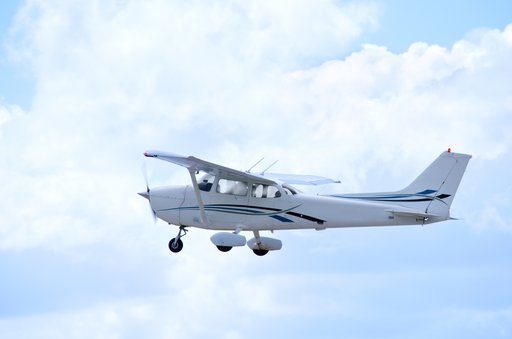
Owning an aircraft is one of life’s greatest privileges — but it also comes with one of the most complex responsibilities: proper insurance. From protecting your aircraft investment to safeguarding yourself against liability, aircraft insurance is the essential foundation of safe, smart aircraft ownership.
At BWI Aviation Insurance, we’ve spent more than 45 years helping aircraft owners, pilots, and aviation businesses navigate the intricate world of aviation insurance. With more than 10,000 active policies and over 800 five-star reviews, we know firsthand how to secure the best coverage, rates, and protection available anywhere in the U.S.
In this comprehensive guide, we’ll break down everything you need to know about aircraft insurance — how it works, what it covers, what it costs, and how to choose the right policy for your aircraft.
1. What Is Aircraft Insurance?
Aircraft insurance is a specialized policy designed to protect owners, operators, and passengers from financial loss related to the ownership or operation of an aircraft. It combines elements of auto, homeowner’s, and commercial insurance — but with far more complexity due to aviation’s unique risks and regulations.
A typical aircraft insurance policy may include:
- Liability coverage – Protects you if your aircraft causes bodily injury or property damage to others.
- Hull coverage – Covers physical damage to your aircraft itself, whether in flight or on the ground.
- Medical payments – Covers passenger injuries regardless of fault.
- Ground not in motion / ground in motion coverage – Options to protect stored or taxiing aircraft.
- Personal effects and equipment – Protects headsets, avionics, or onboard gear.
2. Why Aircraft Insurance Is So Important
Even the most skilled pilot can’t predict mechanical failures, weather damage, or ground accidents. An aircraft is not just a vehicle; it’s a high-value asset that faces both operational and environmental risk every time it moves or even sits in a hangar.
Key reasons to carry proper coverage:
- Financial protection — Aircraft repairs or replacement can cost hundreds of thousands (or millions).
- Legal compliance — Most airports, lenders, and hangar leases require proof of liability coverage.
- Peace of mind — Knowing you’re covered allows you to focus on flying, not worrying.
- Liability protection — Aviation accidents can involve serious injuries or damage claims.
- Flexibility for training and rentals — The right policy lets you add pilots, adjust use, and maintain coverage easily.
3. Aircraft Insurance Cost Breakdown
So, how much does aircraft insurance cost? The answer depends on several factors — but to give you a ballpark, most aircraft owners pay between $1,200 and $2,800 per year for light piston aircraft. Larger or turbine-powered aircraft may range anywhere from $5,000 to over $25,000 annually.
Here’s a typical cost breakdown for single-engine piston aircraft:
| Coverage Type | Typical Limit | Annual Cost Range |
| Liability Only | $1M combined single limit | $500 – $900 |
| Liability + Hull ($100k–$250k value) | $1M liability / full hull | $1,200 – $2,800 |
| Turbine or Jet | $1M liability / hull $1M+ | $5,000 – $25,000+ |
4. Factors That Affect Aircraft Insurance Rates
- Pilot Experience & Ratings – More time = less risk = lower premium.
- Aircraft Type & Value – Complex or high-performance aircraft have higher hull premiums.
- Intended Use – Private use costs less than commercial or flight instruction use.
- Training & Safety Courses – Completing training can reduce premiums by 5–10%.
- Location & Storage – Hurricane-prone or outdoor-based aircraft cost more to insure.
- Claims & Loss History – Clean records lead to preferred pricing and lower rates.
5. Real-World Example: BWI Customer Success Story
A new aircraft owner in Texas purchased a 2006 Cirrus SR22 valued at $325,000. He was a 600-hour instrument-rated private pilot with no prior incidents. After shopping around, he received quotes ranging from $3,900 to $5,200 per year. BWI secured a $3,150 annual premium — with $1M liability and $325k hull — through one of our top underwriters, including an open pilot warranty allowing multiple named pilots to fly the aircraft.
6. How to Get an Aircraft Insurance Quote
- Request a Quote Online – Fill out our short form at www.bwifly.com.
- Speak with an Aviation Specialist – Review your aircraft, pilot experience, and coverage needs.
- Compare Multiple Carriers – We shop the entire market for you.
- Review and Bind Coverage – We handle all paperwork and carrier communication.
Most piston aircraft quotes take less than 24 hours; turbine or jet aircraft take 2–3 business days.
7. Why Choose BWI Aviation Insurance
- 45+ years exclusively in aviation insurance
- 10,000+ active customers nationwide
- 800+ five-star Google reviews
- Fast turnaround: 24 hours for piston quotes, 2–3 days for turbine/jet
- Dedicated account managers for every policy
- Access to every major aviation underwriter in the U.S.
8. Common Aircraft Insurance Questions
Q: Is aircraft insurance required by law?
A: No, but most airports, lenders, and hangar facilities require proof of insurance.
Q: Can I add multiple pilots to my policy?
A: Yes, BWI offers named or open pilot warranties depending on pilot experience.
Q: Does renter’s or non-owned insurance cover me when flying other people’s planes?
A: Only if you purchase a non-owned aircraft policy.
Q: Will my rate go up after a claim?
A: Typically yes, around 10–25% depending on severity.
Q: Can student pilots get insured?
A: Yes, though premiums may be higher initially.
9. Final Thoughts: Protect Your Aircraft, Protect Your Freedom
Aircraft insurance is more than a piece of paper — it’s the safety net that keeps your passion for flight secure. Whether you’re flying a Cessna 182, a Cirrus Vision Jet, or a Falcon 2000, having the right coverage ensures peace of mind. At BWI Aviation Insurance, we’re proud to protect more aircraft owners than any other independent agency in the nation.
Get your quote today at www.bwifly.com and see why thousands of aircraft owners trust BWI to protect what matters most.
Continue Reading