
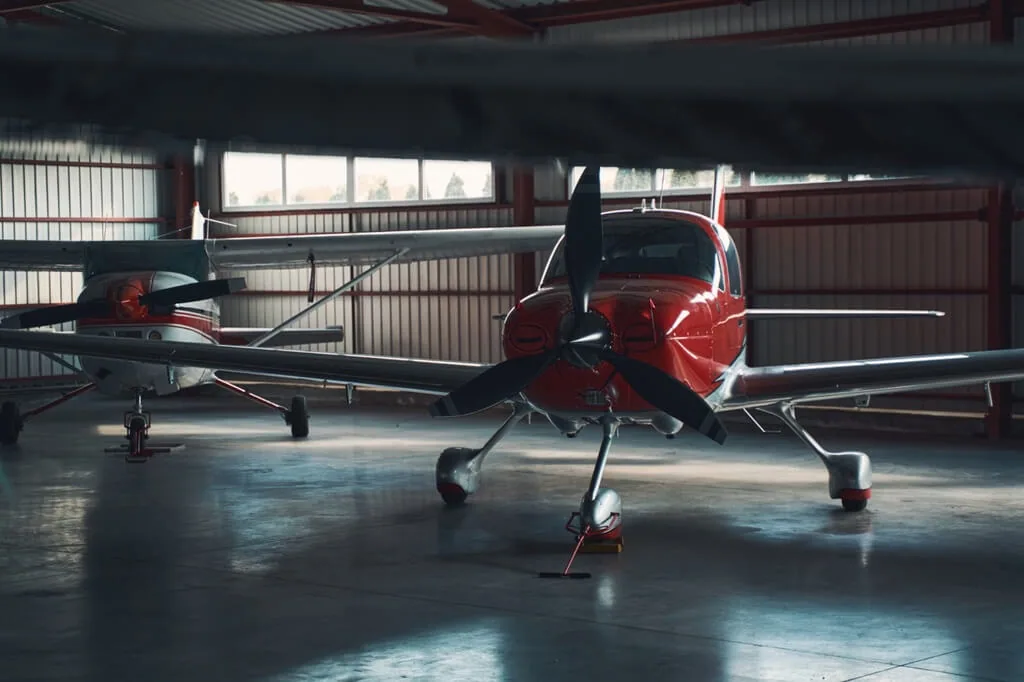
Most pilots focus on risk in the air.
Engine failure.
Weather.
Hard landings.
Runway excursions.
But in 2026, a significant percentage of aircraft damage claims occur on the ground, inside hangars, during taxi, during towing, or while parked.
That’s why airplane hangar insurance matters.
Aircraft are vulnerable when stored. Hangars can suffer:
- Fire
- Storm damage
- Structural collapse
- Flooding
- Theft
- Vandalism
- Hangar rash
- Neighbor aircraft incidents
And many aircraft owners wrongly assume their standard hull policy automatically covers every ground scenario.
It doesn’t always.
This article explains:
- What airplane hangar insurance is
- What your standard aircraft policy covers on the ground
- What it does not cover
- When separate hangar insurance is required
- How airport leases impact insurance
- And how to structure coverage correctly in 2026
If you want foundational aircraft insurance context first, start here:
https://bwifly.com/aircraft-insurance/
What Is Airplane Hangar Insurance?
“Airplane hangar insurance” can refer to two different things:
- Coverage for your aircraft while stored in a hangar
- Insurance for the hangar structure itself
These are not the same.
It’s critical to understand the difference.
Does Standard Aircraft Insurance Cover Hangar Damage?
Yes, but with limits.
If you carry hull insurance, your aircraft is generally covered for physical damage whether:
- In flight
- Taxiing
- Parked
- Stored in a hangar
Hull coverage typically applies if:
- The hangar collapses
- A storm damages the structure
- A fire spreads
- Another aircraft collides with yours inside the hangar
Hull coverage breakdown:
https://bwifly.com/airplane-hull-insurance/
However, and this is critical, hull coverage protects your airplane, not the hangar itself.
When You Need Separate Hangar Insurance
If you own the hangar structure, your aircraft policy does not insure the building.
Hangar owners require separate property insurance to protect:
- The building
- Doors and mechanical systems
- Electrical systems
- Structural damage
- Storm and fire loss
Aircraft insurance does not replace commercial property insurance.
This is where many owners misunderstand exposure.
Hangar Lease Requirements in 2026
In 2026, airport authorities increasingly require specific insurance provisions in hangar leases.
Common requirements include:
- Liability coverage minimums
- Additional insured endorsements naming airport authority
- Proof of aircraft hull insurance
- Indemnification clauses
If you do not meet lease insurance requirements, you can lose hangar access.
For broader insurance requirement context:
https://bwifly.com/blog/airplane-insurance-requirements-what-you-need-and-whats-actually-optional/
Hangar Rash: One of the Most Common Claims
“Hangar rash” refers to ground damage caused while moving aircraft inside or around hangars.
Common scenarios:
- Wingtip striking door frame
- Tow bar failure
- Tug collision
- Neighbor aircraft contact
These are among the most frequent claims filed.
Hull insurance typically responds, subject to deductible.
But if you damage someone else’s aircraft inside the hangar, liability coverage applies.
Liability breakdown:
Fire Risk in Hangars
Hangar fires are among the most severe aviation property losses.
Causes include:
- Electrical faults
- Fuel vapors
- Improper maintenance activities
- Battery charging
- Lightning strikes
If your aircraft is destroyed in a hangar fire, hull insurance pays the agreed value, assuming no exclusions apply.
If you own the hangar and it burns, that’s a separate policy issue.
Storm and Weather Exposure
Hangars reduce exposure, but do not eliminate it.
Windstorm and severe weather can cause:
- Door failure
- Structural collapse
- Water intrusion
- Flood damage
If a storm damages the hangar and your aircraft inside, hull insurance usually applies.
However, named storm deductibles may apply in hurricane-prone states.
Geographic risk context:
https://bwifly.com/florida-aviation-insurance/
Theft and Vandalism
Aircraft stored in hangars are less exposed to theft, but not immune.
Common losses include:
- Avionics theft
- Component removal
- Tool damage
- Vandalism
Hull policies typically cover theft-related damage.
But contents of the hangar (tools, equipment) may not be covered unless separately insured.
Liability Exposure Inside a Hangar
If someone is injured inside your hangar, for example:
- Slips on oil
- Trips over equipment
- Is struck during aircraft movement
Your aircraft liability policy may not respond.
You may need premises liability coverage depending on ownership structure.
Hangar ownership increases complexity.
Flying Clubs and Shared Hangars
Flying clubs often share hangars.
Insurance must address:
- Multiple insured aircraft
- Shared liability
- Damage responsibility
- Officer and member protection
Flying club insurance overview:
https://bwifly.com/airplane-club-insurance-policy/
Shared space increases coordination risk.
When Airport Authorities Require Hangar Liability
Some airports require hangar lessees to carry:
- General liability coverage
- Hangarkeepers liability (if servicing aircraft)
- Additional insured endorsements
Failure to comply can void lease agreements.
Review your hangar lease carefully.
Hangarkeepers Insurance vs Hull Insurance
Hangarkeepers insurance is required if you:
- Store aircraft belonging to others
- Perform maintenance on third-party aircraft
- Operate a service business
This is different from hull insurance.
Hangarkeepers covers liability for aircraft in your care, custody, or control.
Private owners storing only their own aircraft typically do not need hangarkeepers coverage.
Deductibles and Ground Claims
Most hull policies include:
- Zero or small ground deductible
- Separate in-flight deductible
Ground claims are common but usually less severe than in-flight incidents.
Deductible selection matters for frequent minor losses.
Hangar Ownership as a Business Asset
If you own your hangar:
It is a commercial real estate asset.
It requires:
- Property insurance
- Liability coverage
- Possibly business interruption coverage
Aircraft insurance does not replace property insurance.
Maintenance Work Inside Hangars
If you perform maintenance inside your hangar:
- Ensure compliance with fire safety regulations
- Understand policy exclusions
- Avoid unapproved modifications
Maintenance-related claims are scrutinized closely.
Maintenance insurance context:
https://bwifly.com/commercial-aviation-insurance/aircraft-maintenance/
Common Hangar Insurance Mistakes
- Assuming hull insurance covers the building
- Ignoring lease insurance clauses
- Failing to add airport as additional insured
- Not reviewing deductibles
- Storing high-value equipment without coverage
- Allowing unauthorized aircraft movement
These mistakes often surface during claims.
How Airplane Hangar Insurance Differs by State
States with:
- High storm risk
- Hurricane exposure
- Severe hail
- Coastal flooding
May require higher deductibles or special endorsements.
Geography influences underwriting.
The 2026 Bottom Line on Airplane Hangar Insurance
In 2026, aircraft are most vulnerable not just in the air, but on the ground.
Hangar-related claims are frequent and often expensive.
Understanding:
- What hull insurance covers
- What hangar property insurance covers
- What liability applies
- What lease agreements require
Is essential to full protection.
Why Aircraft Owners Work With BWI for Hangar Risk Strategy
BWI Aviation Insurance specializes exclusively in aviation.
That means:
- Clear explanation of hull vs hangar coverage
- Lease requirement guidance
- Liability structuring
- Claims advocacy
Start here:
Aircraft insurance overview:
https://bwifly.com/aircraft-insurance/
Renters and non-owned insurance (if applicable):
https://bwifly.com/aviation-insurance/aircraft-renters-insurance/
If you own or lease hangar space, review your insurance structure before the next storm season.
Because when something goes wrong on the ground, it often goes wrong fast.
bwifly.com / 800-666-4359
Continue Reading