
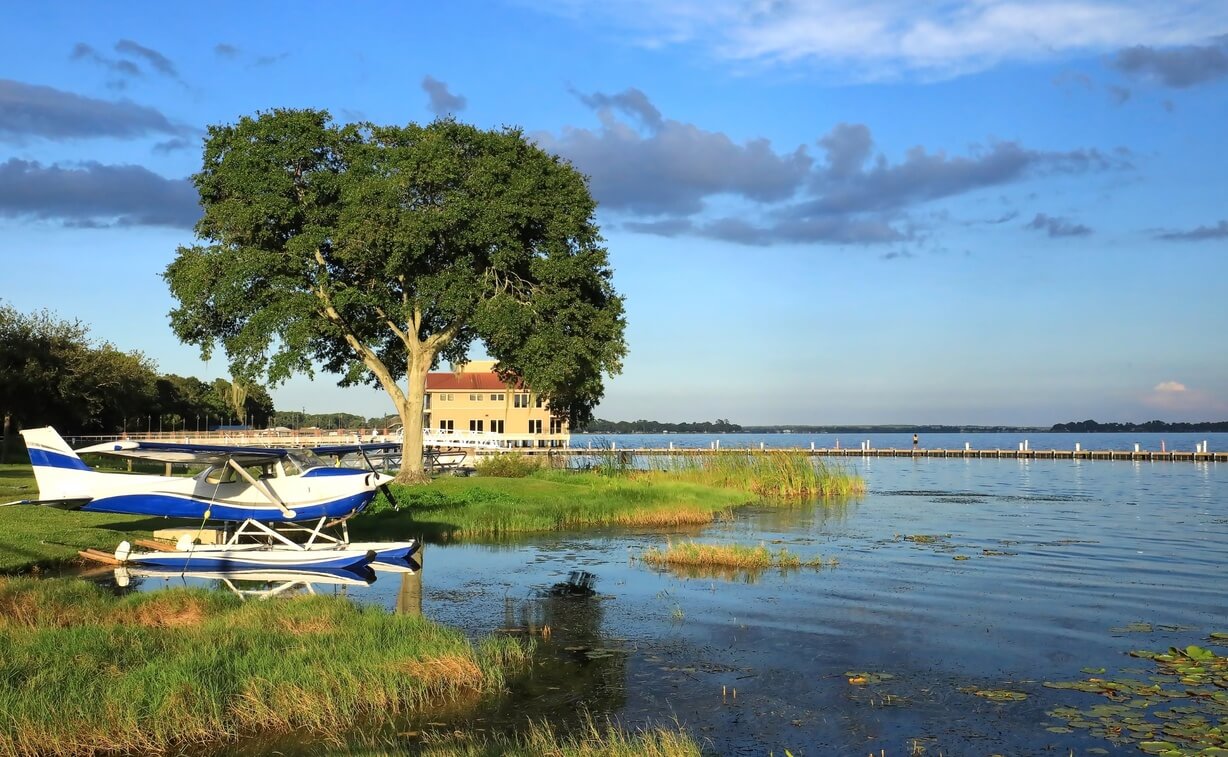
Airplane insurance in Florida operates in one of the most unique and demanding aviation environments in the United States. Florida has more registered aircraft, more flight training activity, more transient pilots, and more weather-related exposure than almost any other state. As a result, airplane insurance in Florida is not simply a regional variation of a national product. It is its own risk profile.
In 2026, Florida airplane insurance has become even more nuanced. Severe weather patterns, year-round flying, high-density airspace, and an active legal environment all influence how insurers underwrite risk in the state. Aircraft owners and pilots who treat Florida insurance the same way they would in lower-risk regions often encounter higher premiums, stricter policy terms, or unpleasant surprises during claims.
This article explains how airplane insurance works in Florida in 2026, why Florida is treated differently by insurers, what coverage matters most, how costs are determined, and how aircraft owners and pilots can structure insurance properly to protect both their aircraft and their financial future.
If you want a general overview of airplane insurance before diving into Florida-specific issues, start here:
https://bwifly.com/aircraft-insurance/
Why Florida Is a Unique Airplane Insurance Market
Florida’s aviation environment creates a concentration of risk that insurers must account for.
Florida has one of the highest numbers of flight schools and student pilots in the country. Year-round flying attracts pilots from across the U.S. and internationally. The state also has a high concentration of rental aircraft, flying clubs, and transient operations.
From an environmental standpoint, Florida is exposed to hurricanes, tropical storms, high winds, flooding, lightning, and intense heat. These factors increase hull risk and claims severity.
From a legal perspective, Florida is known for complex liability law and aggressive litigation, which affects how insurers price liability exposure.
These factors combine to make Florida a higher-scrutiny, higher-severity insurance market.
Is Airplane Insurance Required in Florida
Florida does not impose a blanket statewide law requiring all private aircraft owners to carry insurance. However, as in most states, that does not reflect practical reality.
In Florida, airplane insurance is effectively required due to:
Airport authority and municipal requirements
Hangar and tie-down lease agreements
Flight school and rental agreements
Aircraft financing requirements
Commercial and business operations
Most Florida aircraft owners cannot legally or practically operate without insurance while maintaining access to airports, facilities, or financing.
For a deeper discussion of legal versus practical requirements, see:
https://bwifly.com/is-airplane-insurance-required/
Airport and Hangar Insurance Requirements in Florida
Many Florida airports are owned or operated by cities, counties, or airport authorities that impose insurance requirements as a condition of use.
Hangar leases commonly specify minimum liability limits and require the airport authority to be named as an additional insured.
In 2026, Florida airports are enforcing these requirements more strictly due to increased exposure from storm damage and third-party liability claims.
Failure to maintain required insurance can result in lease termination or loss of access.
Flight Schools, Rentals, and Insurance Exposure in Florida
Florida is one of the largest flight training hubs in the world. As a result, renter and student exposure is a major insurance consideration.
Flight schools almost universally require renters insurance or non-owned aircraft insurance. Even when not explicitly required, rental agreements often assign financial responsibility for damage and loss of use to the pilot.
For Florida pilots who rent aircraft, this page is essential:
https://bwifly.com/aviation-insurance/aircraft-renters-insurance/
Given aircraft utilization rates in Florida, renter exposure can be significant.
Weather Risk and Its Impact on Florida Airplane Insurance
Weather is one of the most influential factors in Florida airplane insurance.
Hurricanes and tropical storms present a major risk to aircraft, particularly those stored outdoors. Wind damage, flooding, and debris impact are common loss causes.
Lightning strikes are more frequent in Florida than in most other states, increasing both hull and avionics damage risk.
High heat and humidity affect aircraft systems and maintenance schedules, indirectly influencing insurance claims.
Insurers evaluate storage location, hangar availability, and storm preparation procedures closely when underwriting Florida risks.
Hull Insurance Considerations in Florida
Hull insurance plays a critical role in Florida due to weather exposure.
Aircraft stored in hurricane-prone regions face higher hull premiums, especially if they are tied down rather than hangared.
Insurers may require specific storm preparedness measures or impose higher deductibles for named storm events.
For a deeper explanation of hull coverage, see:
https://bwifly.com/airplane-hull-insurance/
Owners should understand how storm-related deductibles and exclusions apply in Florida policies.
Liability Risk in Florida Aviation
Liability exposure in Florida is driven by population density, tourist activity, and legal environment.
Aircraft incidents are more likely to involve third-party property or people on the ground. Medical costs and legal fees in Florida are significant.
In 2026, liability claims in Florida frequently exceed minimum policy limits, particularly when injuries are involved.
Selecting appropriate liability limits is one of the most important insurance decisions Florida aircraft owners make.
Aircraft Types Commonly Insured in Florida
Florida insures a wide variety of aircraft types.
Training aircraft dominate many airports.
Light personal aircraft are common among seasonal residents.
High-performance singles and twins operate throughout the state.
Business aircraft and turboprops serve corporate corridors.
Each category has distinct underwriting considerations influenced by utilization and pilot experience.
Pilot Experience and Florida Underwriting
Pilot experience is a major factor in Florida airplane insurance.
High concentrations of student pilots and low-time pilots increase claims frequency in certain segments. Insurers evaluate total time, time in make and model, recency, and training rigor.
In 2026, insurers reward Florida pilots who complete structured training, recurrent training, and documented transition programs.
Allowing unauthorized or underqualified pilots to fly can void coverage.
Business Versus Personal Use in Florida
Many Florida aircraft owners use their aircraft for mixed purposes.
Seasonal residents may use aircraft for personal travel and business. Some owners lease aircraft to flight schools or clubs part-time.
Misclassifying use is one of the most common causes of coverage disputes in Florida claims.
Owners should disclose all uses accurately and update policies as operations change.
Maintenance and Insurance Claims in Florida
Maintenance plays a major role in Florida airplane insurance claims.
High utilization and environmental exposure increase maintenance demands. Deferred maintenance or incomplete logbooks complicate claims.
Insurers and adjusters review maintenance records closely, especially after weather-related or mechanical losses.
For a maintenance-focused insurance explanation, review:
https://bwifly.com/commercial-aviation-insurance/aircraft-maintenance/
How Much Airplane Insurance Costs in Florida in 2026
Airplane insurance in Florida can be more expensive than in some states due to weather and liability exposure, but pricing varies widely.
Cost is influenced by aircraft type, hull value, liability limits, pilot experience, use, storage, and location.
Well-managed risks with hangared aircraft and experienced pilots can still achieve competitive pricing.
For a broader cost breakdown, see:
https://bwifly.com/how-much-does-it-cost-to-insure-an-airplane/
Deductibles and Storm-Specific Considerations
Florida policies may include special deductibles for named storms or weather events.
Owners should understand how these deductibles apply and how they affect out-of-pocket exposure after a loss.
Selecting deductibles should be part of an overall risk strategy, not an afterthought.
Non-Owned and Renters Insurance in Florida
Florida’s rental-heavy environment makes non-owned insurance essential for many pilots.
Renters insurance protects pilots from liability and aircraft damage responsibility when flying aircraft owned by others.
For Florida renter pilots, review:
https://bwifly.com/aviation-insurance/non-owned-aircraft-insurance/
Common Florida Airplane Insurance Mistakes
Some of the most common mistakes include underinsuring hull value, carrying minimal liability limits, failing to plan for storms, misclassifying use, and not reviewing policies annually.
In Florida’s risk environment, these mistakes are especially costly.
Why an Aviation Insurance Broker Matters in Florida
Florida airplane insurance requires aviation-specific expertise.
An aviation insurance broker understands how Florida risk is underwritten, how weather exposure affects pricing, and how to structure policies that hold up during claims.
They also help owners plan for storm risk and navigate airport and lease requirements.
To understand BWI’s aviation-only approach, visit:
Annual Reviews and Florida Risk Management
Florida airplane insurance should be reviewed annually and whenever there is a significant change.
Changes include aircraft value updates, pilot experience changes, storage changes, seasonal relocation, or changes in use.
Automatic renewal without review is one of the most common reasons Florida owners carry inadequate coverage.
The 2026 Bottom Line on Airplane Insurance in Florida
In 2026, airplane insurance in Florida is about managing weather risk, liability exposure, and operational complexity in one of the busiest aviation environments in the country.
Owners and pilots who understand Florida-specific exposure, choose appropriate limits, and work with aviation specialists are far better positioned when something goes wrong.
Why Florida Aircraft Owners and Pilots Should Contact BWI
Florida aviation demands expertise. Generic insurance approaches often fail in storm-prone, high-utilization environments.
BWI Aviation Insurance focuses exclusively on aviation. That specialization allows BWI to help Florida aircraft owners and pilots structure coverage correctly, manage weather and liability risk, and avoid the mistakes that lead to denied claims or uncovered losses.
If you want airplane insurance in Florida done right in 2026, here is what to do next.
Review aircraft insurance coverage options:
https://bwifly.com/aircraft-insurance/
If you rent aircraft, review renters and non-owned insurance options:
https://bwifly.com/aviation-insurance/aircraft-renters-insurance/
Request aircraft insurance quotes tailored to your Florida operations:
https://bwifly.com/aircraft-insurance/
If you have questions about storm exposure, hangar requirements, or Florida-specific liability concerns, contact BWI directly to discuss your situation before there is ever a claim:
Florida offers year-round flying and incredible aviation access. BWI helps make sure your insurance is ready for it.
Continue Reading