
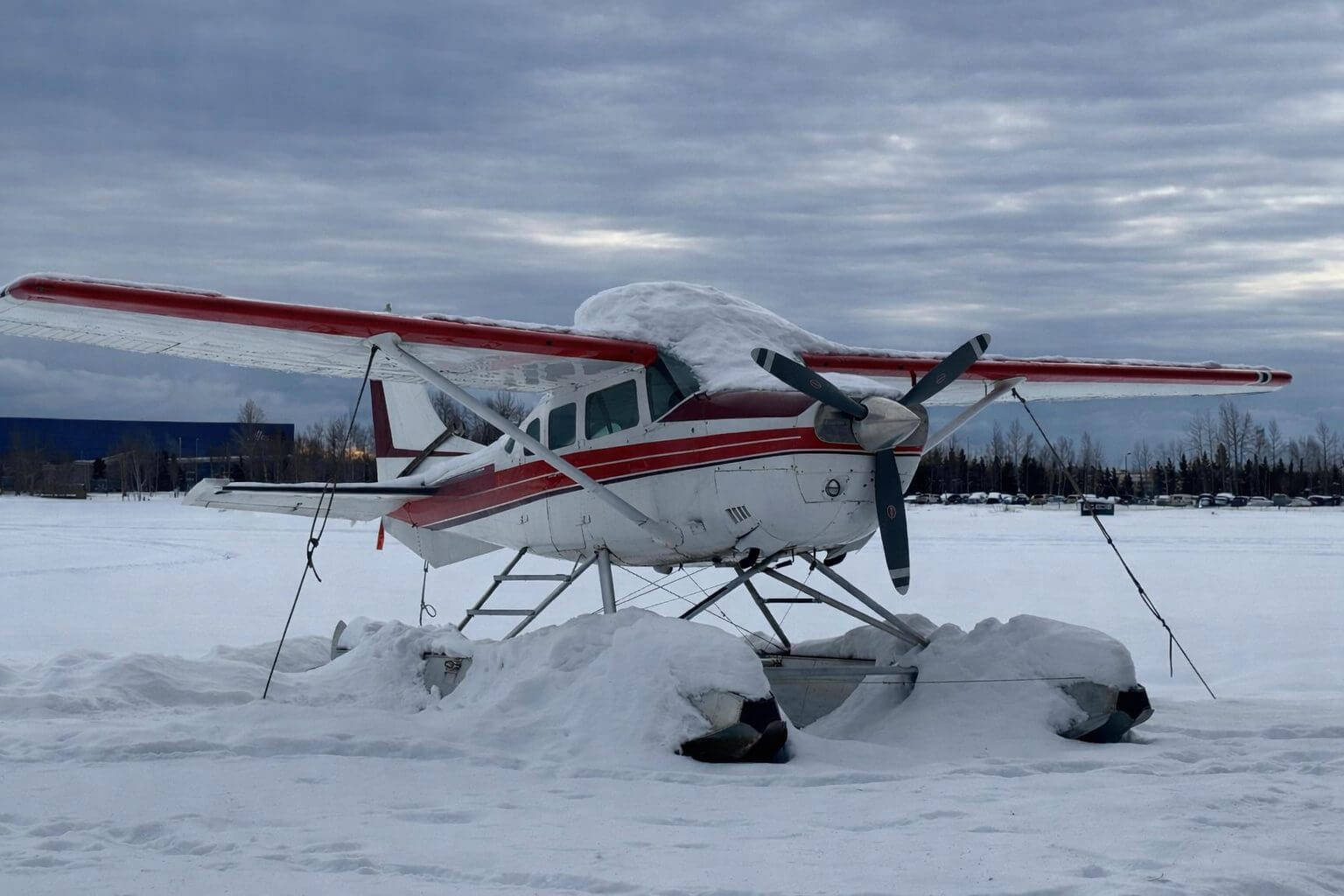
Airplane insurance in Alaska is fundamentally different from airplane insurance in the rest of the United States. Pilots new to Alaska aviation often assume that insurance works the same way it does in the lower forty eight states. After requesting quotes many are surprised by higher premiums stricter requirements and more detailed underwriting questions.
These differences are not arbitrary. Alaska presents a unique aviation environment with operating conditions risks and loss patterns that do not exist elsewhere. Underwriters treat Alaska as its own category and policies must be structured accordingly.
In this article we will explain why airplane insurance in Alaska is different how coverage and cost are affected by Alaskan operations what underwriters focus on and how aircraft owners can secure proper coverage without unnecessary friction or surprises.
Why Alaska Is Unique In Aviation Insurance
Alaska relies on aviation in a way no other state does. Aircraft are not recreational conveniences but essential transportation infrastructure.
Flights often operate into remote areas without paved runways weather reporting or immediate emergency response. Terrain weather and wildlife present constant operational challenges.
Underwriters recognize that the frequency and severity of claims in Alaska differ significantly from other regions. This drives a different approach to risk assessment and pricing.
Get Your Alaska Airplane Insurance Quote Today>>
Aircraft Types Commonly Insured In Alaska
Aircraft commonly used in Alaska often differ from those in other states.
Tailwheel aircraft are more common due to backcountry operations.
Aircraft equipped with tundra tires skis or floats introduce additional risk variables.
Utility aircraft operating from gravel bars lakes and unimproved strips face higher exposure.
Even common aircraft types are often configured differently to meet Alaskan operating needs.
Underwriters evaluate not just the aircraft model but its configuration and intended environment.
Operating Environment And Risk Exposure
The Alaskan operating environment introduces risks that affect insurance coverage and cost.
Remote operations increase the severity of losses because recovery and repair are more difficult and expensive.
Weather conditions change rapidly and may exceed forecast accuracy.
Limited infrastructure increases the likelihood of ground handling and taxi incidents.
Search and rescue operations may be delayed increasing loss severity.
These factors influence both premiums and coverage terms.
Pilot Experience Expectations In Alaska
Underwriters place heightened emphasis on pilot experience for Alaska operations.
Total flight time matters but Alaska specific experience is critical.
Time on skis floats or tundra tires is often required.
Mountain flying and backcountry experience may be evaluated.
Formal training for Alaska operations carries significant weight.
Pilots transitioning from the lower forty eight may face additional training requirements regardless of total time.
How Coverage Is Structured For Alaska Aircraft
Coverage structure for Alaska operations often includes additional considerations.
Approved uses may include bush operations that require specific endorsements.
Coverage territory may be expanded or restricted depending on policy terms.
Search and rescue endorsements may be included or excluded.
Hull coverage valuation must consider the higher cost of recovery and repair.
Deductibles may differ for in motion and not in motion losses.
Understanding these structures is essential to avoiding coverage gaps.
Why Airplane Insurance Costs More In Alaska
Airplane insurance premiums in Alaska are often higher than in other states for several reasons.
Higher frequency of claims due to challenging operating conditions.
Higher severity of losses due to remote recovery and repair costs.
Specialized aircraft configurations increase replacement costs.
Limited availability of repair facilities increases downtime and expense.
These factors combine to increase underwriting exposure and premium.
Common Coverage Gaps For Alaska Aircraft Owners
Aircraft owners new to Alaska often encounter coverage gaps.
Policies written by brokers unfamiliar with Alaska may exclude certain operations.
Float or ski operations may not be properly endorsed.
Coverage territory may not reflect actual operating areas.
Pilot warranty requirements may not align with real world operations.
These gaps often surface only after a claim occurs.
Importance Of Proper Hull Valuation In Alaska
Hull valuation is especially important in Alaska.
Aircraft recovery from remote locations can significantly increase loss cost.
Replacement parts and labor may be more expensive.
Aircraft configured for Alaska often carry higher market value than similar models elsewhere.
Under insuring hull value can leave owners exposed even after partial losses.
Accurate valuation protects both the aircraft and the owner’s investment.
Liability Exposure In Alaska Operations
Liability exposure in Alaska is often underestimated.
Aircraft are frequently used for transportation of passengers in remote areas.
Emergency landings may occur far from medical facilities.
Property damage may involve public land infrastructure or remote facilities.
Higher liability limits are often recommended to address these risks.
Training And Its Impact On Insurance Outcomes
Training plays a central role in Alaska insurance underwriting.
Formal mountain flying training improves underwriting confidence.
Ski and float training is often required.
Documented recurrent training supports premium stability.
Underwriters may require initial operating restrictions that ease over time with experience.
Training is not just a requirement but a strategic tool for improving insurance outcomes.
Why Generic Brokers Struggle With Alaska Insurance
Many insurance brokers lack experience with Alaska aviation.
They may submit risks without understanding operational realities.
They may place coverage with carriers unfamiliar with Alaska exposures.
They may fail to structure endorsements correctly.
This often leads to delays higher premiums or coverage issues.
Alaska insurance requires specialized knowledge.
How Market Access Affects Alaska Insurance
Not all aviation insurance carriers are comfortable with Alaska risks.
Some carriers limit exposure or decline Alaska operations entirely.
Access to carriers with Alaska experience improves both pricing and coverage options.
Strategic market placement is critical to successful outcomes.
Claims Handling In Alaska
Claims handling in Alaska requires coordination and experience.
Recovery logistics are complex.
Repair facilities may be limited.
Weather and access issues can delay repairs.
Brokers familiar with Alaska operations can advocate effectively during claims.
Claims expertise matters as much as policy structure.
Long Term Insurability For Alaska Aircraft Owners
Alaska aircraft owners benefit from long term insurance planning.
Consistent training builds underwriting confidence.
Claims free history improves renewal outcomes.
Clear documentation of experience supports future upgrades.
Poorly structured policies can limit options for years.
Strategic insurance management supports sustainable ownership.
Why Aircraft Owners Choose BWI Aviation Insurance For Alaska
BWI Aviation Insurance has extensive experience insuring aircraft operating in Alaska.
We understand the realities of bush flying remote operations and specialized aircraft configurations.
We work with carriers that actively insure Alaska risks and structure coverage accordingly.
We help pilots navigate training requirements coverage terms and underwriting expectations.
If you operate an aircraft in Alaska airplane insurance must be built for Alaska not adapted from elsewhere.
Request a quote through bwifly.com to work with aviation insurance professionals who understand Alaska aviation from the ground up.
bwifly.com / 800-666-4359
Continue Reading