
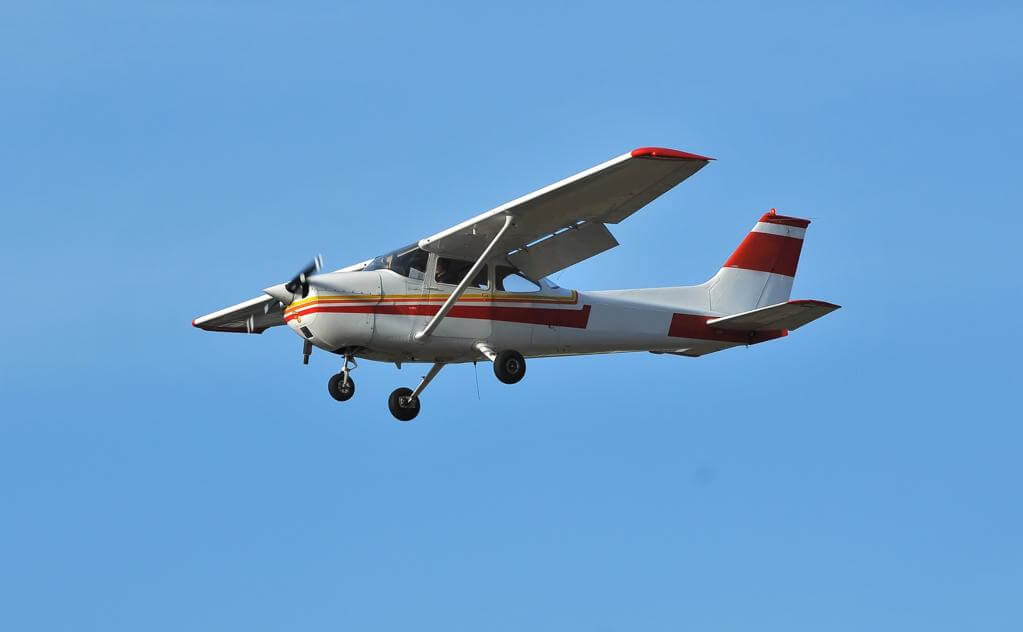
The Cessna 172 is the most popular training and personal aircraft in the world. Because of that, one of the most searched aviation insurance questions every year is:
“How much does airplane insurance cost for a Cessna 172?”
In 2026, the answer is more nuanced than ever.
Aircraft values have risen. Repair costs have increased. Liability claims are more aggressive. Training exposure remains high. And insurers are underwriting more carefully than they were even five years ago.
The good news? The Cessna 172 remains one of the most insurable aircraft types in general aviation.
The bad news? Pricing can vary dramatically depending on how the risk is structured.
This guide explains:
- Realistic 2026 premium ranges for a Cessna 172
- What factors drive pricing most
- How pilot experience affects cost
- How rental and instruction change premiums
- How to estimate your own cost
- And how to reduce your premium without sacrificing protection
If you want a general overview of aircraft insurance first, start here:
https://bwifly.com/aircraft-insurance/
Why the Cessna 172 Is Unique in the Insurance Market
The Cessna 172 is:
- The most widely produced aircraft in history
- One of the most common training platforms
- Used for both private ownership and rental fleets
- Well understood by underwriters
Because of its ubiquity, insurers have deep historical claims data on the 172. That makes underwriting more predictable than with rare or experimental aircraft.
However, utilization patterns vary significantly between:
- A privately owned 172 flown 60 hours per year
- A flight school 172 flying 600+ hours per year
Insurance cost depends heavily on which category your aircraft falls into.
Average Cessna 172 Insurance Cost in 2026
Let’s start with realistic premium ranges.
Privately Owned Cessna 172 (Personal Use)
Hull Value: $80,000 – $150,000
Liability: $1,000,000 smooth
Typical 2026 Annual Premium Range:
$1,200 – $2,500
This assumes:
- 250+ total hours
- Clean loss history
- Standard private use
- Hangared aircraft
Low-Time Pilot Cessna 172
Hull Value: $100,000
Liability: $1,000,000
Typical 2026 Premium Range:
$2,000 – $3,500+
Pilot experience is one of the biggest cost drivers. Under 150 hours total time will materially increase premium.
Flight School or Rental Cessna 172
Hull Value: $100,000
Liability: $1,000,000+
Typical 2026 Premium Range:
$4,000 – $8,000+
High utilization + student pilots = increased frequency risk.
For broader cost context, see:
https://bwifly.com/how-much-does-it-cost-to-insure-an-airplane/
The Two Parts of a Cessna 172 Insurance Premium
Understanding the premium requires understanding how it’s built.
1. Hull Premium
Most piston singles like the 172 are insured at roughly:
0.9% – 1.3% of hull value annually
Example:
$100,000 hull value × 1.1% = $1,100 hull premium
Hull coverage breakdown:
https://bwifly.com/airplane-hull-insurance/
2. Liability Premium
Liability is priced based on exposure and limit.
Typical liability cost for a Cessna 172:
$400 – $1,200 annually
Depending on:
- Limits selected
- Passenger sublimits
- Use classification
Liability context:
https://bwifly.com/airplane-liability-insurance/
What Impacts Cessna 172 Insurance Cost the Most
1. Pilot Experience
Underwriters evaluate:
- Total time
- Time in make and model
- Recency
- Instrument rating
- Loss history
A pilot with 1,000 hours and an instrument rating will pay materially less than a 75-hour VFR-only pilot.
Time in type matters.
2. Use Classification
There is a massive pricing difference between:
- Personal pleasure use
- Business use
- Instruction
- Rental
Even occasional rental exposure increases premium.
Misclassifying use is one of the most common and dangerous mistakes.
Coverage structure explanation:
https://bwifly.com/what-does-airplane-insurance-cover/
3. Location and Storage
Hangared aircraft are cheaper to insure than tiedown aircraft.
Geography matters:
- Hurricane exposure
- Hail risk
- Dense urban environments
- Alaska remote operations
State-specific pages like this one show how geography changes risk:
https://bwifly.com/florida-aviation-insurance/
4. Claims History
Even a minor prior loss can increase premium for 3–5 years.
Underwriters are cautious with repeat claims.
How Much Liability Should You Carry on a 172?
Many 172 owners default to:
$1,000,000 with $100,000 per passenger
In 2026, smooth liability (no passenger sublimit) is increasingly recommended for asset protection.
Liability claims are rising due to:
- Medical cost inflation
- Legal fee escalation
- Litigation trends
Reducing liability to save $300 annually is often not worth the exposure.
Deductibles and Premium Tradeoffs
Typical hull deductibles for a 172:
$0 ground / $1,000 in-flight
or
Flat $1,000 – $2,500
Higher deductibles reduce premium slightly but increase out-of-pocket exposure.
With repair costs rising, deductible selection matters more than ever.
Cessna 172 Total Loss Scenario
If your aircraft is insured for $120,000 agreed value and is declared a total loss:
You receive $120,000 (less deductible).
If you insured it for $95,000 to save premium and it is actually worth $120,000, you lose $25,000.
Underinsuring hull value is a common mistake.
Hull value strategy:
https://bwifly.com/aircraft-insurance/aircraft-hull-insurance-complete-guide-for-2025/
Cessna 172 Rental and Non-Owned Exposure
If you rent your 172 to others, your insurance must reflect that.
If you are a renter pilot flying someone else’s 172, you need separate coverage.
Non-owned coverage context:
https://bwifly.com/aviation-insurance/aircraft-renters-insurance/
How to Lower Your Cessna 172 Insurance Premium
1. Increase Time in Type
Underwriters reward demonstrated experience.
2. Complete Recurrent Training
Instrument proficiency and structured training help.
3. Keep Clean Maintenance Logs
Maintenance documentation reduces underwriting friction.
Maintenance guide:
https://bwifly.com/commercial-aviation-insurance/aircraft-maintenance/
4. Avoid Claims
Obvious, but powerful.
5. Use an Aviation Broker
Strategic submission to the right carriers matters.
Broker context:
https://bwifly.com/aviation-insurance/aviation-insurance-brokers/
Why Quotes Vary So Much for a Cessna 172
The 172 is common, but underwriting appetite differs.
Some carriers prefer low-time training aircraft.
Some prefer experienced private owners.
Some aggressively price rental risks.
Others avoid them.
Strategic market access matters.
Carrier overview:
The 2026 Market Outlook for Cessna 172 Insurance
The 172 remains one of the most stable insurance risks in aviation.
However:
- Repair costs are rising
- Liability claims are increasing
- Underwriting scrutiny remains high
Premiums are stable but not decreasing.
Owners who manage risk properly see the best results.
The Bottom Line: Cessna 172 Insurance Cost in 2026
Most private 172 owners will pay:
$1,200 – $2,500 annually
Flight schools and rental fleets will pay more.
Low-time pilots will pay more.
The aircraft itself is not expensive to insure.
The risk profile around it determines the cost.
Why Cessna 172 Owners Choose BWI
BWI Aviation Insurance specializes exclusively in aviation.
That means:
- Deep understanding of piston underwriting
- Access to all major aviation carriers
- Structured liability guidance
- Clear hull valuation strategy
- Claims advocacy if something goes wrong
Start here:
Aircraft insurance overview:
https://bwifly.com/aircraft-insurance/
Request a structured Cessna 172 quote:
https://bwifly.com/aircraft-insurance/
If you want to understand exactly what your 172 should cost to insure in 2026, and why, speak with an aviation specialist before your next renewal.
The Cessna 172 is predictable.
Your insurance strategy should be too.
bwifly.com / 800-666-4359
Continue Reading