
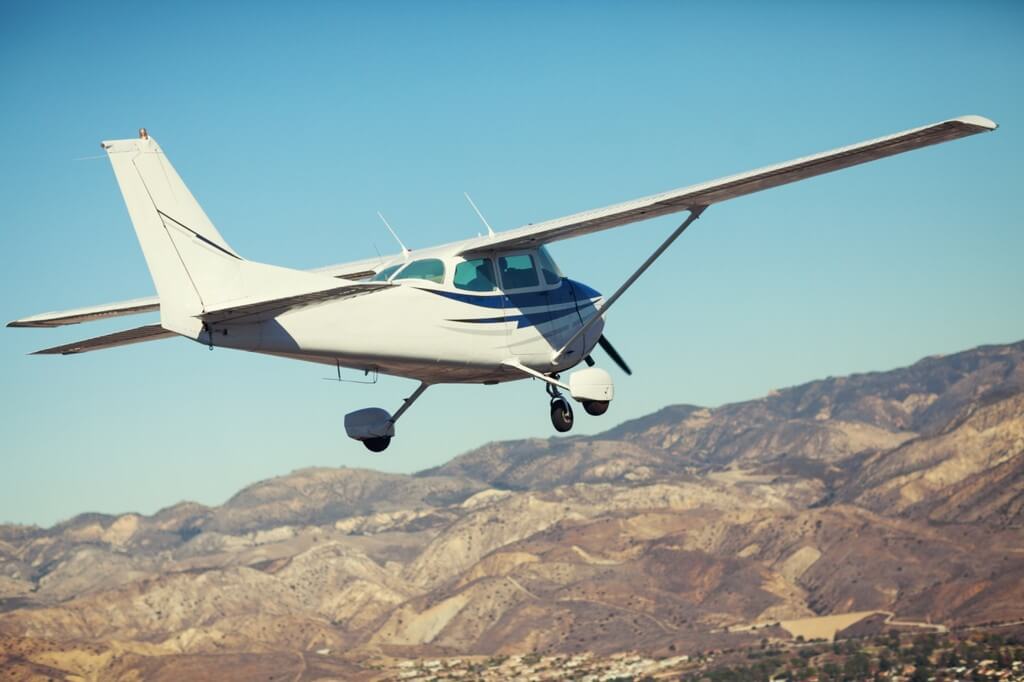
When aircraft owners think about insurance, most focus on protecting the airplane itself.
Hull value.
Repair cost.
Total loss payout.
But in 2026, the most important part of any aviation insurance policy is not the hull coverage.
It is airplane liability insurance.
Liability is what protects you if your aircraft causes:
- Injury to passengers
- Injury to people on the ground
- Damage to buildings or vehicles
- Multi-party lawsuits
- Legal defense costs
And in today’s environment, liability claims routinely exceed the value of the aircraft itself.
This article explains:
- What airplane liability insurance actually covers
- How liability limits are structured
- What passenger sublimits mean
- How much liability coverage you need
- How liability claims are handled
- Why cutting liability limits is one of the most dangerous insurance decisions
If you want a general overview of aircraft insurance first, start here:
https://bwifly.com/aircraft-insurance/
What Is Airplane Liability Insurance?
Airplane liability insurance protects you financially if your operation of an aircraft results in:
- Bodily injury
- Death
- Property damage
- Legal defense expenses
Unlike hull insurance, which protects your airplane, liability insurance protects your assets, income, and financial future.
If you are sued after an aviation accident, liability coverage is what responds.
The Two Types of Liability in Aviation Policies
Airplane liability insurance generally covers two categories:
1. Bodily Injury Liability
This covers medical costs, settlements, and judgments related to:
- Passengers
- People on the ground
- Occupants of other aircraft
Medical costs in 2026 are significantly higher than even five years ago. A single serious injury can result in:
- Six-figure medical bills
- Ongoing care expenses
- Pain and suffering claims
- Loss of income claims
2. Property Damage Liability
This covers damage to:
- Buildings
- Hangars
- Vehicles
- Airport infrastructure
- Other aircraft
Aircraft incidents often involve property damage even when injuries are minor.
Property claims can escalate quickly depending on location.
What Liability Insurance Also Pays For
In addition to settlements, liability insurance pays:
- Legal defense costs
- Attorney fees
- Court costs
- Investigation expenses
Even if you are not ultimately found liable, defense costs alone can exceed tens of thousands of dollars.
Legal defense is included within your liability limit.
How Liability Limits Are Structured
Most airplane liability insurance policies are written with a total limit.
Common structures include:
- $1,000,000 total smooth
- $1,000,000 with $100,000 per passenger sublimit
- $500,000 total
- Higher commercial limits
The difference between these structures is critical.
Smooth Limits vs Passenger Sublimits
A smooth limit means the full policy limit applies to any claim, regardless of how many passengers are involved.
A passenger sublimit means that while the total policy limit may be $1,000,000, each passenger may only be covered up to $100,000 or $250,000.
Example:
If you carry $1,000,000 with $100,000 per passenger and you have four injured passengers, the total payout could be capped at $400,000 for passengers, not $1,000,000.
Many aircraft owners do not fully understand this distinction when reviewing quotes.
For quote comparison context:
https://bwifly.com/airplane-insurance-quotes/
Why Liability Coverage Matters More Than Hull Coverage
A $120,000 Cessna 172 may generate:
- $120,000 hull exposure
But potentially
- $1,000,000+ liability exposure
The airplane has a cap on value.
Liability does not.
This is why sophisticated aircraft owners focus on liability limits first, hull second.
Hull breakdown:
https://bwifly.com/aircraft-insurance/aircraft-hull-insurance-complete-guide-for-2025/
How Much Liability Coverage Should You Carry in 2026?
There is no universal answer, but there are practical guidelines.
Most private owners carry:
- $1,000,000 smooth
Many high-net-worth individuals carry:
- $2,000,000 or more
Commercial operators carry higher limits depending on operation type.
The decision should consider:
- Personal net worth
- Exposure to passengers
- Airport environment
- Business use
- State legal environment
Minimum limits are rarely sufficient in today’s claim environment.
Real-World Liability Claim Scenarios
Consider these examples:
- A runway excursion damages parked aircraft and vehicles
- A passenger sustains spinal injuries in a hard landing
- An aircraft impacts a commercial building
- A prop wash incident injures ground personnel
In each case, liability claims can exceed hull value quickly.
Crash claim context:
https://bwifly.com/general-aviation-insurance/what-to-expect-during-an-aviation-insurance-claim/
Liability for Passenger Injury
Passenger injury claims are among the most complex and costly aviation claims.
They may involve:
- Long-term rehabilitation
- Loss of income
- Emotional distress
- Wrongful death
Medical cost inflation in 2026 has made passenger liability exposure more severe than ever.
Passenger sublimits can be devastating if selected improperly.
Liability for People on the Ground
Aircraft based near:
- Urban airports
- Dense residential areas
- Commercial corridors
Face higher third-party exposure.
Property damage in populated areas can easily exceed six figures.
This is especially relevant in states like California and Florida.
Liability Insurance and Business Use
If your aircraft supports business operations, liability exposure increases.
Even if you are not charging for flights, transporting employees or conducting business-related travel can affect underwriting and exposure.
Misclassifying business use can void coverage.
Coverage structure overview:
https://bwifly.com/aircraft-insurance/
Deductibles and Liability Coverage
Unlike hull coverage, liability insurance typically does not include deductibles for bodily injury or property damage.
However, defense costs are drawn from the total liability limit.
That means if you carry $1,000,000 in liability and spend $200,000 on legal defense, the remaining limit available for settlement is reduced.
Understanding this dynamic matters.
How Liability Claims Are Investigated
After an incident, insurers will evaluate:
- Pilot qualifications
- Aircraft airworthiness
- Compliance with policy conditions
- Maintenance records
- Use classification
Any deviation from policy terms can complicate coverage.
Maintenance context:
https://bwifly.com/commercial-aviation-insurance/aircraft-maintenance/
Why Some Owners Reduce Liability Limits
Common reasons:
- To reduce premium
- Belief that accident risk is low
- Overconfidence in skill level
But liability exposure is about severity, not probability.
The best pilots can still experience unforeseen events.
Cost Difference Between Liability Limits
Increasing liability from:
$1,000,000 to $2,000,000
Often costs far less than owners assume.
The premium increase is usually small relative to added protection.
Liability is often the most affordable risk-transfer tool available.
The Most Dangerous Liability Mistake
The most dangerous mistake is not understanding your liability structure.
Owners who:
- Do not know their passenger sublimit
- Do not understand smooth limits
- Have not reviewed limits in years
Are often underinsured without realizing it.
How an Aviation Broker Helps Structure Liability
A strong aviation broker:
- Explains liability structure clearly
- Recommends limits based on exposure
- Compares smooth vs sublimit quotes
- Aligns policy with real-world risk
Broker context:
https://bwifly.com/aircraft-insurance/
The 2026 Bottom Line on Airplane Liability Insurance
Airplane liability insurance is the most important coverage in your aviation policy.
It protects:
- Your assets
- Your income
- Your family
- Your business
Hull coverage replaces the airplane.
Liability coverage protects everything else.
In 2026’s legal environment, liability limits deserve serious attention.
Why Aircraft Owners Trust BWI for Liability Strategy
BWI Aviation Insurance focuses exclusively on aviation.
That means:
- Strategic liability structuring
- Clear explanation of passenger sublimits
- Carrier comparison
- Claims advocacy
Start here:
Aircraft insurance overview:
https://bwifly.com/aircraft-insurance/
Renters insurance context (if you fly non-owned aircraft):
https://bwifly.com/aviation-insurance/aircraft-renters-insurance/
Before your next renewal, review your liability limits with an aviation specialist.
Because in aviation insurance, liability is not the side coverage.
It is the core.
bwifly.com / 800-666-4359
Continue Reading