
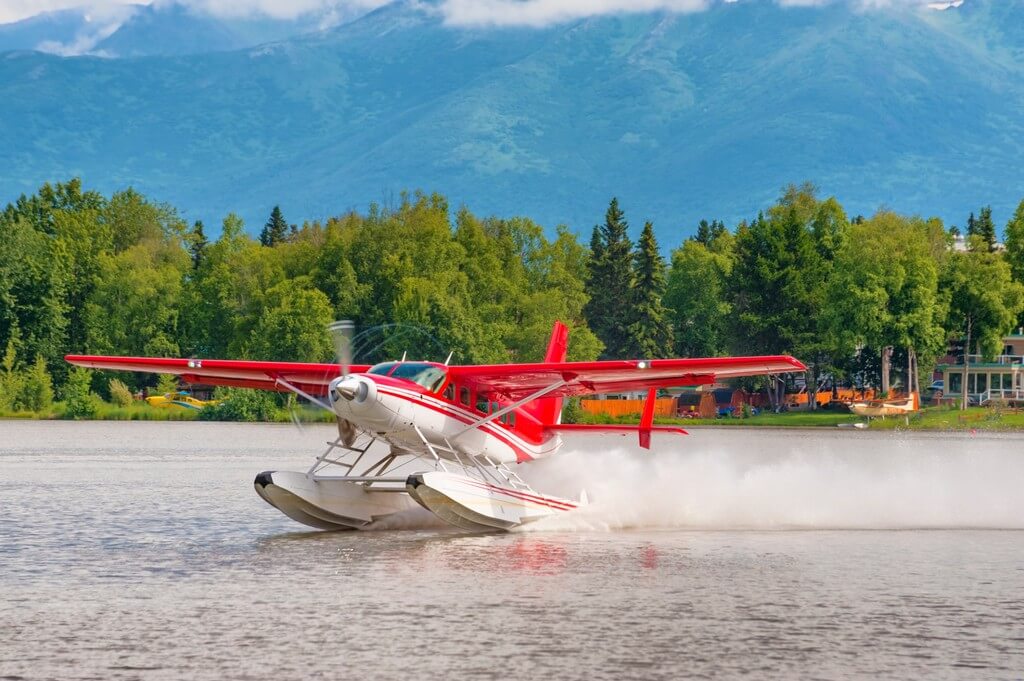
Alaska is unlike anywhere else in aviation.
In most states, an airplane is a convenience.
In Alaska, an airplane is often a necessity.
Across the state, aircraft serve as family transportation, business transportation, freight carriers, emergency medical support, hunting access, fishing access, and critical infrastructure connecting communities that may not have road access at all.
Because of this, Alaska aircraft insurance is fundamentally different from aircraft insurance in the Lower 48.
Insurance companies understand that Alaska pilots operate in an environment that presents unique challenges, unique risks, and unique opportunities.
At BWI Aviation Insurance, we’ve been insuring Alaska aircraft owners since 2016 and opened our Anchorage office on Lake Hood in 2019. Over the years, we’ve helped thousands of aircraft owners navigate the unique insurance challenges associated with flying in the Last Frontier.
Whether you fly a Cessna 206, Super Cub, Cessna 180, Cessna 185, Maule, Beaver, Bonanza, Cirrus, or helicopter, understanding the Alaska insurance market can help you make better decisions and potentially save money at renewal.
Why Alaska Aircraft Insurance Is Different
The first thing most insurance companies recognize is that Alaska flying is fundamentally different from flying almost anywhere else.
Aircraft in Alaska routinely operate:
- In mountainous terrain
- On gravel runways
- On river bars
- On glaciers
- On skis
- On floats
- In remote locations
- In rapidly changing weather
A pilot operating from Anchorage, Palmer, Wasilla, Soldotna, Homer, Fairbanks, Juneau, or Bethel may face operational challenges rarely encountered elsewhere in the United States.
This doesn’t mean Alaska aircraft are difficult to insure.
It simply means insurance companies evaluate risk differently.
Alaska Pilots Are Often More Experienced Than People Realize
One misconception outside Alaska is that insurers automatically view Alaska flying as dangerous.
That isn’t necessarily true.
Insurance companies understand that many Alaska pilots are among the most experienced aviators in the country.
Many Alaska aircraft owners accumulate:
- Significant mountain flying experience
- Remote operations experience
- Off-airport experience
- Float flying experience
- Commercial flying experience
Underwriters recognize this.
A pilot with 5,000 hours operating in Alaska for twenty years may actually be viewed more favorably than a lower-time pilot operating exclusively in the Lower 48.
Experience matters.
The Aircraft That Dominate Alaska
Certain aircraft continue to dominate Alaska operations.
Among the most commonly insured aircraft in Alaska are:
Cessna 206
The Cessna 206 may be the single most important utility aircraft in Alaska.
Its combination of payload, range, reliability, and versatility make it a favorite among:
- Private owners
- Hunting operators
- Lodge operators
- Commercial carriers
- Charter operators
Aircraft such as the U206G, TU206G, and T206H remain extremely popular throughout the state.
Cessna 180 And 185
Few aircraft have a stronger reputation in Alaska than the Skywagon family.
The Cessna 180 and Cessna 185 continue to serve pilots who require:
- Backcountry performance
- Float capability
- Cargo capacity
- Reliability
Insurance companies generally view experienced Skywagon pilots favorably, particularly when they have substantial time in type.
Piper Super Cub
The Super Cub remains one of Alaska’s most iconic aircraft.
Whether operating on wheels, skis, or floats, Super Cubs continue to support hunting, recreation, and remote transportation throughout the state.
Maule Aircraft
Maule aircraft have built a loyal following among Alaska pilots due to their utility and short-field performance.
Models commonly seen in Alaska include:
- M-4 series
- M-5 series
- M-6 series
- M-7 series
- M-8 series
- M-9 series
These aircraft are frequently used for backcountry operations and remote access flying.
Beech Bonanza
Many Alaska business owners and professionals use Bonanzas for transportation throughout the state.
Models commonly insured include:
- F33A
- S35
- V35
- V35A
- V35B
These aircraft often provide a balance between speed and utility for longer trips.
Cirrus Aircraft
Cirrus aircraft continue to grow in popularity throughout Alaska.
Common models include:
- SR22
- SR22T
- Vision Jet SF50
The ability to cover long distances efficiently makes these aircraft attractive to many Alaska owners.
Robinson Helicopters
Rotary-wing operations play a significant role in Alaska aviation.
Commonly insured Robinson models include:
- R22
- R44
- R66
These aircraft support sightseeing, utility operations, transportation, and commercial activity throughout the state.
Get Your Aircraft Insurance Quote With BWI Today>>
What Insurance Companies Look For In Alaska
When evaluating an Alaska risk, insurance companies often focus on several key factors.
Time In Alaska
Experience flying in Alaska matters.
A pilot with extensive Alaska experience often receives more favorable consideration than a pilot relocating from another state with limited exposure to Alaska operations.
Time In Make And Model
Aircraft-specific experience remains one of the strongest underwriting factors.
Insurance companies prefer pilots who have demonstrated proficiency in the aircraft they operate.
Mountain Flying Experience
Many Alaska operations involve terrain that requires advanced judgment and decision-making.
Mountain flying experience can be an important consideration.
Float Flying Experience
For floatplane operators, insurance companies frequently evaluate:
- Total float time
- Recent float time
- Aircraft-specific float experience
Float operations are common throughout Alaska and receive specialized underwriting attention.
Claims History
As with every aircraft category, claims history remains one of the most important factors affecting insurance pricing.
Why Alaska Aircraft Values Continue To Rise
One of the biggest insurance trends affecting Alaska owners has been increasing aircraft values.
Aircraft such as:
- Cessna 180s
- Cessna 185s
- Cessna 206s
- Super Cubs
- Maule aircraft
have experienced substantial value increases over the past several years.
Many aircraft that sold for relatively modest amounts a decade ago now command significantly higher prices.
When aircraft values increase, insurance premiums often increase as well because the insurance company is assuming greater financial exposure.
This trend has affected aircraft owners throughout Alaska.
Floatplane Insurance In Alaska
Alaska has more seaplane activity than any other state.
As a result, floatplane insurance represents a significant portion of the Alaska aviation insurance market.
Insurance companies often evaluate:
- Float experience
- Aircraft type
- Hull value
- Operational area
- Commercial versus private use
Aircraft commonly insured on floats include:
- Super Cubs
- Cessna 180s
- Cessna 185s
- Cessna 206s
- Beavers
- Maules
Pilots with strong float backgrounds often receive more favorable underwriting outcomes.
Which Insurance Companies Write Alaska Aircraft?
Several major aviation insurance companies remain active in Alaska.
Across BWI’s broader market review, the most active carriers included:
- Global Aerospace
- AIG
- Old Republic
- Starr
- USSIC
- IAT
- AIM
- Beacon
Each company has different underwriting preferences.
One carrier may be particularly competitive for a private owner.
Another may focus on commercial operators.
Another may have a strong appetite for float operations.
This is one reason why working with an aviation insurance specialist remains important.
How Alaska Pilots Can Improve Their Insurance Profile
While market conditions play a role, there are several things Alaska pilots can do to improve underwriting outcomes.
Maintain strong recent flight activity.
Participate in recurrent training.
Document mountain and backcountry experience.
Maintain accurate logbooks.
Complete transition training when moving into a new aircraft.
Keep a clean claims history.
Build time in make and model.
Insurance companies consistently reward experience and professionalism.
Why BWI Invested In Alaska
BWI has been serving Alaska aircraft owners since 2016.
As our Alaska customer base grew, we recognized the importance of having a local presence.
In 2019, we opened our Anchorage office on Lake Hood.
Today, we continue to help aircraft owners throughout Alaska secure coverage for:
- Personal aircraft
- Business aircraft
- Floatplanes
- Helicopters
- Backcountry aircraft
- Commercial operations
Our team understands the unique challenges and opportunities associated with Alaska aviation.
Final Thoughts
Alaska remains one of the most unique aviation environments in the world.
The aircraft, pilots, weather, terrain, and missions found throughout the state create an insurance market unlike any other.
While Alaska flying presents challenges, it also produces some of the most experienced and capable pilots anywhere in aviation.
For insurance companies, the key factors remain the same: experience, training, claims history, and operational discipline.
Whether you fly a Cessna 206 into remote villages, a Super Cub into the backcountry, a Maule on hunting trips, or a Cirrus across the state, understanding how insurers evaluate Alaska risks can help you secure better coverage and make more informed decisions.
As we move through 2026, competition among aviation insurance carriers remains healthy, creating opportunities for many Alaska aircraft owners to improve coverage and pricing while protecting one of their most valuable assets.
bwifly.com / 800-666-4359
Continue Reading