
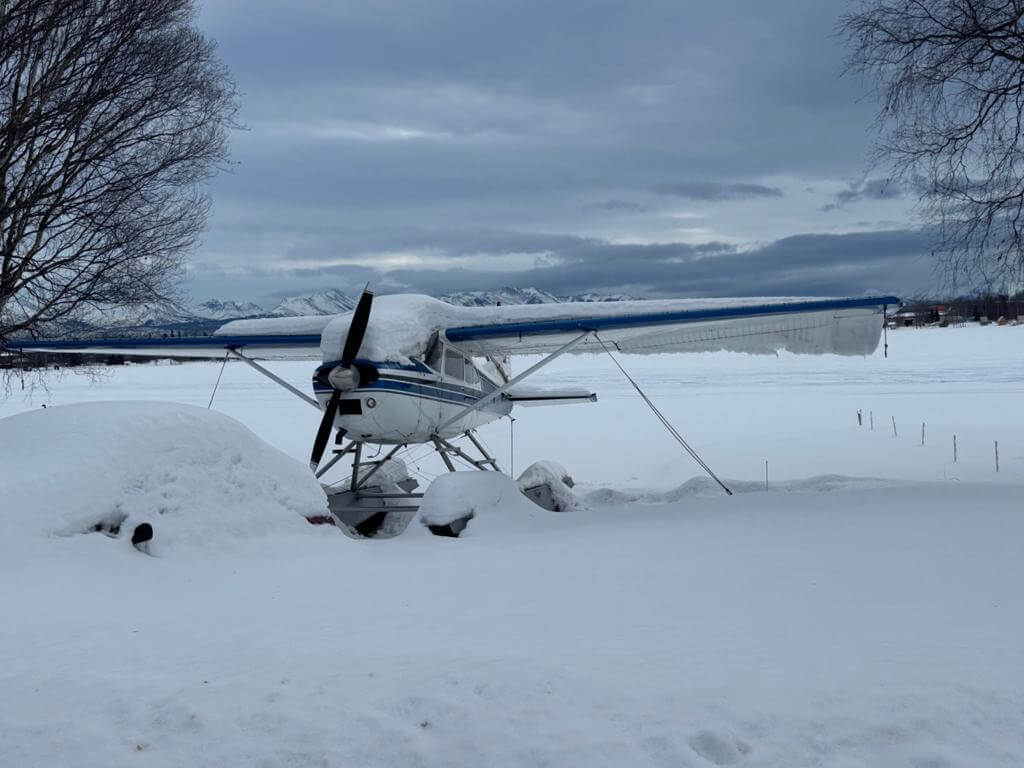
Anchorage airplane insurance operates in a category of its own. Anchorage is not just another city with airports and airplanes. It is one of the most aviation-dependent urban centers in the United States. Aircraft in Anchorage are not recreational luxuries; they are essential tools for transportation, business, logistics, medical access, and daily life.
In 2026, airplane insurance in Anchorage reflects this reality. Aircraft operate year-round in challenging weather, remote terrain, and high-utilization environments. Insurers treat Anchorage-based aircraft differently than aircraft based in the Lower 48, not because flying is unsafe, but because the exposure profile is fundamentally different.
This article explains how airplane insurance works in Anchorage in 2026, what makes Anchorage unique from an insurance standpoint, what coverage matters most, how costs are determined, and how aircraft owners and pilots can structure insurance correctly to protect both their aircraft and their livelihood.
If you want a general overview of airplane insurance before diving into Alaska-specific issues, start here:
https://bwifly.com/aircraft-insurance/
Why Anchorage Is a Unique Airplane Insurance Market
Anchorage sits at the center of Alaska’s aviation ecosystem. While Anchorage is a city, it functions as a hub for bush operations, cargo flights, medical transport, charter operations, and private aviation serving remote communities.
From an insurance standpoint, several factors make Anchorage unique:
-Aircraft fly more frequently and more hours than in most U.S. cities
-Operations often involve short runways, gravel strips, snow, and ice
-Weather conditions include extreme cold, icing, wind, and low visibility
-Aircraft often operate far from maintenance facilities
-Many aircraft are mission-critical rather than recreational
Insurers understand that Anchorage aircraft face higher operational exposure but are often flown by highly experienced pilots. Underwriting focuses on balancing these factors.
Is Airplane Insurance Required in Anchorage
There is no Anchorage-specific law requiring all private aircraft owners to carry insurance. However, in practice, airplane insurance is effectively mandatory for almost all Anchorage-based aircraft.
Insurance is required or enforced through:
-Airport and hangar lease agreements
-Municipal and state airport authorities
-Aircraft financing and lender requirements
-Commercial and business operations
-Charter, cargo, and medical flight contracts
Most Anchorage aircraft owners cannot operate without insurance while maintaining access to facilities, financing, or contracts.
For a broader legal discussion, see:
https://bwifly.com/is-airplane-insurance-required/
Anchorage Airports and Insurance Requirements
Anchorage is home to some of the busiest and most operationally diverse airports in the country, including major international cargo hubs and general aviation facilities.
Airport authorities typically require proof of insurance as a condition of leasing hangar space or operating commercially. These requirements often include:
-Minimum liability limits
-Additional insured endorsements
-Specific wording related to aviation operations
In 2026, enforcement of these requirements remains strict due to the critical role aviation plays in Alaska’s infrastructure.
Liability Risk in Anchorage Aviation
Liability exposure in Anchorage differs from densely populated cities, but it is no less significant.
Aircraft incidents may involve:
-Passengers traveling to remote locations
-Cargo operations with contractual liability
-Third-party property damage in limited infrastructure areas
-Environmental exposure concerns
Medical evacuation costs in Alaska are extremely high. Even a single injury can generate substantial liability exposure.
In 2026, carrying minimal liability coverage in Anchorage is rarely sufficient for aircraft owners who rely on their aircraft for business or essential transportation
Hull Insurance Considerations in Anchorage
Hull insurance is especially critical in Anchorage due to operational and environmental factors.
Cold weather affects aircraft systems and materials. Snow, ice, and freezing temperatures increase the likelihood of ground damage and operational incidents.
Many aircraft operate on gravel, snow, or ice strips, increasing wear and risk of damage.
Repair facilities may be limited or distant, increasing downtime and total loss considerations.
For a deeper explanation of hull coverage, see:
https://bwifly.com/airplane-hull-insurance/
Hull insurance must be structured with realistic values and deductibles that reflect Alaska’s operating environment.
Aircraft Types Commonly Insured in Anchorage
Anchorage insures a unique mix of aircraft types compared to most U.S. cities.
-Bush planes and utility aircraft
-Single-engine piston aircraft with tundra tires or skis
-Cargo aircraft supporting regional logistics
-Charter and air taxi aircraft
-Medical transport and specialty aircraft
Each category has distinct insurance considerations based on utilization, terrain, and mission profile.
Pilot Experience and Anchorage Underwriting
Pilot experience is a critical underwriting factor in Anchorage airplane insurance.
Insurers place heavy emphasis on:
-Total flight time
-Time in Alaska operations
-Experience in winter and off-airport operations
-Training specific to bush flying or cold weather operations
In 2026, Anchorage pilots with strong local experience often receive favorable underwriting consideration despite higher operational exposure.
Allowing an unauthorized or inexperienced pilot to operate an Anchorage-based aircraft can void coverage entirely.
Commercial Versus Personal Use in Anchorage
In Anchorage, the line between personal and commercial use is often blurred.
Many private owners use aircraft to support business activities, remote property access, or subsistence travel. Others lease aircraft part-time for charter or cargo operations.
Misclassifying use is one of the most common causes of coverage disputes in Alaska claims.
Owners should disclose all uses accurately and update policies as operations evolve.
Maintenance Challenges and Insurance Claims in Anchorage
Maintenance plays a central role in Anchorage airplane insurance claims.
Cold weather increases maintenance demands. Parts availability can be limited. Aircraft often fly long distances to reach approved maintenance facilities.
Insurers and adjusters scrutinize maintenance records closely, especially after mechanical or weather-related losses.
For a maintenance-focused insurance explanation, review:
https://bwifly.com/commercial-aviation-insurance/aircraft-maintenance/
Clean logbooks and proactive maintenance planning are essential for smooth claims resolution.
How Much Airplane Insurance Costs in Anchorage in 2026
Airplane insurance in Anchorage can be higher than in some Lower 48 markets, but pricing varies widely.
Cost is influenced by:
-Aircraft type and hull value
-Operational use and utilization
-Pilot experience and Alaska-specific training
-Liability limits
-Storage conditions
-Operating terrain
Well-managed Anchorage risks with experienced pilots often receive competitive pricing despite higher exposure.
For a broader cost overview, see:
https://bwifly.com/how-much-does-it-cost-to-insure-an-airplane/
Deductibles and Risk Strategy in Anchorage
Deductibles play a significant role in Anchorage airplane insurance strategy.
Higher deductibles can reduce premium but increase exposure in a market where repairs may be expensive and delayed.
Lower deductibles increase premium but provide more predictable outcomes after losses.
Anchorage operators should choose deductibles based on cash flow, downtime tolerance, and mission criticality.
Non-Owned and Renters Insurance in Anchorage
Anchorage has a large population of pilots who fly aircraft they do not own, including charter pilots, seasonal operators, and flight school students.
Non-owned insurance is essential for these pilots.
Renters insurance protects pilots from liability and aircraft damage responsibility when flying aircraft owned by others.
For Anchorage renter pilots, review:
https://bwifly.com/aviation-insurance/non-owned-aircraft-insurance/
Common Anchorage Airplane Insurance Mistakes
Some of the most common mistakes include:
-Underinsuring hull value
-Carrying minimal liability limits
-Failing to disclose off-airport operations
-Allowing unauthorized pilots
-Not accounting for winter operations
In Alaska’s aviation environment, these mistakes are often severe rather than minor.
Why an Aviation Insurance Broker Matters in Anchorage
Anchorage airplane insurance requires aviation-specific and Alaska-specific expertise.
An aviation insurance broker understands how Alaska risks are underwritten, how bush operations affect coverage, and how to structure policies that hold up during claims.
They also help coordinate coverage across multiple aircraft, seasonal operations, and evolving mission profiles.
To understand BWI’s aviation-only approach, visit:
Annual Reviews and Anchorage Operational Changes
Anchorage airplane insurance should be reviewed annually and whenever operations change.
Changes include new routes, seasonal shifts, aircraft modifications, pilot changes, or storage changes.
Automatic renewal without review is one of the most common reasons Anchorage operators carry outdated or inadequate coverage.
The 2026 Bottom Line on Anchorage Airplane Insurance
In 2026, airplane insurance in Anchorage is about managing real-world aviation risk in one of the most demanding flying environments in the country.
Owners and pilots who understand Anchorage-specific exposure, choose appropriate limits, and work with aviation specialists are far better positioned when something goes wrong.
Why Anchorage Aircraft Owners and Pilots Should Contact BWI
Anchorage aviation requires expertise that goes beyond generic insurance knowledge.
BWI Aviation Insurance focuses exclusively on aviation, with deep experience in Alaska operations. That specialization allows BWI to help Anchorage aircraft owners and pilots structure coverage correctly, manage operational risk, and avoid the mistakes that lead to denied claims or uncovered losses.
If you want airplane insurance in Anchorage done right in 2026, here is what to do next.
Review aircraft insurance coverage options:
https://bwifly.com/aircraft-insurance/
If you rent aircraft, review renters and non-owned insurance options:
https://bwifly.com/aviation-insurance/aircraft-renters-insurance/
Request aircraft insurance quotes tailored to Anchorage operations:
https://bwifly.com/aircraft-insurance/
If you have questions about bush operations, winter flying, or Alaska-specific insurance requirements, contact BWI directly to discuss your situation before there is ever a claim:
In Anchorage, aviation is not optional. Your insurance shouldn’t be either. BWI makes sure it works when it matters most.
Continue Reading