

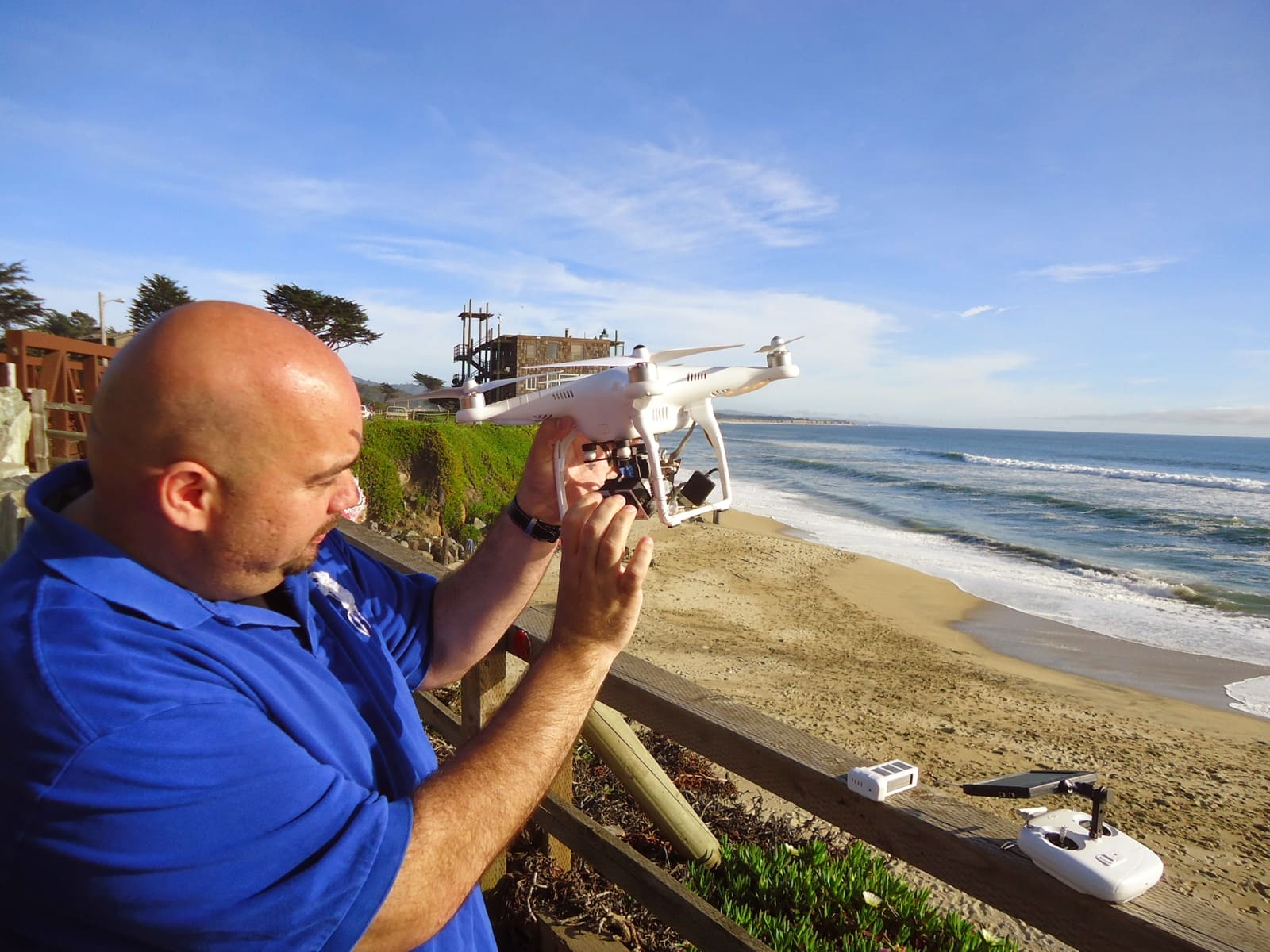
Before agreeing to supply a live drone feed to a news organization, describe the flight work and equipment for BWI’s drone aviation liability and equipment review. Tell BWI who operates the aircraft, where it will work and who owns the payload and other property. Transmission, publication, content and missed broadcast commitments remain important contractual context; this inquiry does not offer placement of protection for those technical or editorial errors.
A live news subcontract differs from selling a finished clip after a flight. The customer may control the program while the operator supplies imagery, equipment or production services under a deadline. Identify the actual roles and responsibilities. A station’s certificate request should be answered using the accepted drone aviation liability or equipment arrangement, without adding wording that implies the whole broadcast or every production promise is insured.
This guide focuses on the subcontract to supply a live feed. BWI’s broader media and news gathering page remains the starting point for that category. This article does not provide flight technique, editorial advice, transmission setup instructions or a legal opinion about publication. Those subjects require their appropriate qualified sources, and an insurance response cannot authorize access, flight or use of content.
Start with BWI media and news gathering drone insurance for the broader category. Bring the specific live feed subcontract and responsibilities to an individual review.
Define what the broadcaster is buying
Define the handoff the broadcaster is buying. Does your company provide a pilot and camera output to a production vendor, or also undertake transmission to the station? Identify the receiving party and the contractual point of delivery. A camera image being available is not necessarily completion of a promise to supply a continuous live segment. Keep that difference visible before comparing an equipment limit with a possible service-failure demand.
Identify whether the assignment involves a specific segment, a continuing service or a proposed series of locations. The customer may regard a new location as part of one account even when conditions and obligations differ. Tell the reviewer what is known and what will be supplied later. Do not describe an indefinite service commitment as one simple flight if the signed agreement promises substantially more.
Identify the actual transmission window, availability obligation and remedy for interruption for qualified technical and legal review. A best-efforts undertaking, service credit and guarantee of the whole broadcast create different commercial expectations. Keep these contractual questions separate from BWI’s aviation liability and equipment inquiry. Neither a segment’s news value nor an annual drone policy establishes payment for a lost broadcast opportunity, returned fee or penalty. If scheduling changes the actual flights, equipment custody or location, return those facts for review.
Identify the station producer and contracting entity
Identify the hiring entity behind the station or network brand. The purchase order may come from a production vendor while a station producer gives day-to-day directions and another entity requests evidence. Record each role and who can change the service contract. The most recognizable on-air name is not necessarily the contracting party, aircraft operator or entity whose requested status can be supported by the actual policy.
Separate control of the aircraft and supplied image from control of the program. Another producer may add commentary, captions or a later edit after receiving the feed. Describe what your company actually contributes and what rights or indemnities it accepts. A broadcaster making editorial decisions does not automatically erase a subcontractor’s contractual obligations, but a logo on the resulting program should not be used to invent duties the operator never undertook.
If a prime contractor hires your business, provide the subcontract and relevant requirements passed through from its client. Ask which entity requests insured status and for what work. Do not assume the prime’s policy protects every subcontractor or that a certificate naming the station automatically satisfies a different production company’s requirements. The evidence should follow the actual relationships and accepted wording.
Keep the operating decision independent of the broadcast deadline
Give BWI the actual aircraft, personnel, locations and proposed aviation work. The commercial desire to get a picture on air does not establish operating permission or acceptance under an insurance policy. Appropriate aviation sources must address the flight, while the people controlling the location must address access. A producer’s instruction cannot replace either subject or make an unreviewed change part of an earlier insurance acceptance.
Have qualified aviation professionals establish the actual operating requirements from current official sources. The FAA’s Emergency Situations page describes a specific expedited review that may be available for eligible operations, including certain crucial media coverage. It does not classify this assignment or create permission through a press deadline. For insurance, identify the actual proposed operation and status of any required decision; do not turn a pending request into an issued authorization.
If conditions, location or requested activity change, update the relevant decisions through their proper channels. A previously accepted assignment can become a different undertaking while the broadcaster’s program title stays the same. Keep the revised scope and actual responses. Do not represent an old certificate as proof of acceptance for a flight or service that was absent from the description supplied to the insurer.
Compare the responsibilities in a live feed subcontract
The following comparison separates aircraft work, transmission, program decisions and later use. It is a submission organizer, not a production or flight checklist. The purpose is to identify the service and responsibility the business wants reviewed. Two operators using similar drones can accept very different obligations depending on whether they supply imagery only or promise a completed live production.
Supply the complete contract and identify its aviation insurance requirements, including the requested liability amount, additional insured status and any waiver. Ask BWI which of those requests can be supported under the actual drone aviation liability and equipment terms. Publication warranties and professional or transmission promises need their own qualified legal and technical assessment. A certificate should not imply they have all been met merely because another station accepted a similar document.
| Live feed subject | Responsibility to clarify |
|---|---|
| Flight | Actual operator, aircraft, locations and operating decisions |
| Transmission | Supplier, equipment, dependencies and promised service |
| Program | Producer, broadcaster and editorial control |
| Equipment | Ownership, rentals, values and proposed substitutions |
| Later use | Recording rights, recipients and accepted publication duties |
| Evidence | Final agreement, insurance wording and issued documents |
Separate aviation liability from media allegations
Ask BWI how the actual drone aviation liability and equipment terms address the disclosed aircraft operation, insured parties and property. Keep an aircraft accident distinct from a privacy allegation or disputed publication. Describe what the company captures, controls and supplies without treating the presence of any general liability wording as unrestricted media protection. This inquiry does not offer placement for editorial mistakes, broadcast content or the financial consequences of a failed transmission.
If your business adds commentary, titles, identifying information or editorial conclusions, disclose that service. It can change the undertaking from providing images to contributing content in another way. Appropriate legal and professional advisers should address the resulting responsibilities. Do not promise that the broadcaster alone bears every publication risk if your contract assigns obligations to you or your own company makes the disputed statement.
Keep the agreement’s responsibility for third party demands visible. An indemnity may ask your business to respond beyond the service it actually controls. Send the wording for review before accepting it. A larger aviation liability limit does not independently remove a relevant exclusion, establish another entity’s insured status or make every contractual media obligation insurable.
Ask about transmission failure and professional service promises
Explain who transmits the feed, supplies the communications equipment and receives the output. Identify the agreed handoff and dependencies for technical and legal review. An alleged failure to deliver during a broadcast window differs from a physically damaged camera. BWI’s inquiry here concerns drone aviation liability and equipment interests. Do not relabel an interrupted signal or unfulfilled service promise as a physical loss, or assume a device’s insured value establishes protection for the broadcaster’s resulting commercial demand.
Provide any performance commitment concerning continuity, timing or quality for appropriate review. Technical specialists should determine what the proposed service can support. Avoid agreeing to a guarantee that exceeds the actual undertaking and then assuming insurance will fund the shortfall. The issued terms and facts determine a response; a customer’s lost program opportunity is not automatically an insured expense.
For a split service, identify which company supplies the camera output, communications equipment and receipt at the broadcaster’s chosen handoff. Preserve the agreements rather than assuming a vendor’s involvement transfers the whole delivery promise. If your business has agreed to provide the finished feed, disclose that broader obligation. If another company undertakes transmission after handoff, make the actual boundary clear without giving a technical setup instruction or predicting responsibility for a failure.
List the aircraft and production equipment accurately
Identify the drone, camera, payload and relevant ground equipment proposed for the assignment. Provide ownership, identifiers and values requested for review. The aircraft’s scheduled amount should not be assumed to include every production item packed into the vehicle. Ask which property is addressed under the actual terms and whether a separate equipment arrangement is needed for the interests being requested.
For rented or borrowed items, supply the agreement and period of responsibility. The customer may provide a device while another vendor owns the transmission equipment. Those interests should be described separately from property your business owns. A receipt or list on a call sheet is supporting information, not an amendment accepting every rental obligation or changing an equipment limit.
If a replacement package or operator is proposed, update the submission as appropriate. A broadcaster may regard the substitution as routine scheduling, while the ownership, personnel and contract relationships change. Obtain accurate insurance evidence for the actual arrangement. Do not reuse a certificate naming the first company to imply that a replacement has identical protection or has received an acceptance it never requested.
Clarify recording ownership and later use
Read recording and later-use rights separately from the live segment. A broadcaster may seek an archive, repeat transmission, promotional use or onward distribution. Give qualified legal advisers the actual rights and warranties your company is asked to grant. Identify whether the operator retains its own footage. A one-time assignment and a perpetual reuse promise need an accurate description; insurance does not itself grant either party rights to publish the material.
If the operator retains material for its portfolio, address that through the actual agreement and qualified legal review. Capturing footage does not establish a right to publish it. Keep recording, reuse and promotional permissions with the project so a later post does not rely on an assumption from the flight request. If the proposed use requires additional flights or equipment changes, give BWI those operating facts. The aircraft certificate itself grants no publication rights or acceptance of editorial responsibilities.
Maintain a record of the version and material actually delivered through suitable procedures. If a complaint concerns a later edit or use, the relevant reviewers need the real communications and underlying agreement. Do not alter earlier descriptions to make the project appear narrower or broader after a dispute begins. A traceable file supports review without guaranteeing a favorable legal or insurance outcome.
Review equipment and information security obligations
Identify who supplies and controls the delivery account or platform. The station may manage an account while the operator supplies imagery, or the subcontract may assign additional access duties. Have qualified technical and legal advisers establish those commitments. Keep platform access and security separate from the physical device inventory. An equipment schedule does not certify technical security, promise uninterrupted delivery or establish that an alleged account or transmission error is an insured physical loss.
Keep the roles of the broadcaster, platform providers and subcontractors clear. A customer may control a publishing account while your business supplies only a feed. Do not claim responsibility for systems you do not manage, or omit duties the agreement expressly assigns to you. Accurate descriptions help identify which questions belong with which adviser and prevent a certificate from being treated as proof of technical security.
Record changes in receiving vendor, delivery platform or account responsibility through the proper contractual channels. A producer may call the change routine while the operator is being asked to accept another service obligation. Clarify who can approve it and obtain appropriate technical and legal review. Return related changes in aircraft, pilots, sites, payloads or custody to BWI for the aviation and equipment inquiry. An unchanged program title does not establish acceptance of new editorial or transmission promises.
Keep cancellation and standby terms realistic
News schedules can change, but the commercial consequences need defined terms. Have the agreement address standby, cancellation, rescheduling and payment appropriately. Ask about any expense for which you intend to rely on insurance rather than assuming it follows the same treatment as aircraft damage. Maintaining an annual drone policy does not establish reimbursement whenever the station cancels a segment or the operator cannot supply a requested shot.
Separate a fee disagreement from a reported injury, property loss or professional allegation. Preserve what the customer actually says and obtain suitable guidance. A producer may dispute an invoice without making the same demand as a person claiming harm from publication. Do not rewrite the concern into a preferred coverage category. The actual communication and relevant issued terms should guide the insurance reporting question.
Prepare the file for a reported problem
Follow the applicable policy notice instructions when an incident or allegation needs reporting. Identify the assignment, contracting entity, aircraft, service and known circumstances. Provide relevant agreements, delivered material and communications through the appropriate process. If the allegation is still unclear, state what is known and what remains pending instead of presenting an early interpretation as a confirmed technical or legal finding.
Obtain suitable advice before admitting fault, agreeing to reimbursement or signing a release. Coordinate the requested response with the relevant claim contact and qualified advisers. An acknowledgment that a report was received is not approval of every settlement, invoice or proposed action. Keep the actual response so the business and broadcaster understand which questions have been answered and which remain unresolved.
A fictional live broadcast subcontract
Imagine a drone company hired to supply imagery to a station’s production vendor. Its proposal describes image collection, but the subcontract includes continuous transmission and broad publication responsibilities. Before signing, the operator identifies those additional obligations and obtains the appropriate review. The final scope explains who operates the aircraft, supplies the feed and controls the program rather than treating all three as one photography task.
The station later requests a new location and a different delivery arrangement. Those facts are reviewed as changes before the company represents that prior insurance evidence applies. This fictional example illustrates contract clarity, not a real BWI assignment, approved operation or claim outcome. Actual availability and protection depend on the services, agreements, policy wording and circumstances involved.
Questions operators ask about live news insurance
Does the broadcaster policy replace my drone insurance
Do not assume it protects your separate business, aircraft or contractual interests. Obtain the relevant agreement and ask what responsibilities your company accepts. Review your own program on those facts. Another party’s certificate does not independently establish insured status or protection for every subcontractor contributing imagery to the program.
Is a failed live feed automatically an equipment claim
No. Identify what happened, what was promised and the actual allegation or expense. A damaged device, service interruption and claimed commercial loss are different facts. Follow the issued drone policy’s notice instructions when reporting a potentially relevant event. Do not characterize every interruption as covered physical damage, or represent this BWI aviation liability and equipment inquiry as an offer for failed-broadcast or report-error protection.
Does a press assignment authorize flight in an emergency
It does not supply blanket operating permission. Have the applicable aviation and site requirements addressed through the responsible official and qualified sources. Insurance acceptance is separate. The FAA publishes emergency approval information, but the actual operation requires its own applicable review and evidence rather than an assumption based on the assignment’s news value.
Should later use of the footage be disclosed
Yes. Have qualified legal and technical advisers review rights and responsibilities for delivery, recording, archives and later distribution. Keep the actual agreement rather than assuming the original flight request grants every later permission. If a new use changes aircraft operations, personnel, equipment or custody, return those facts to BWI. This aviation liability and equipment review does not establish unrestricted protection for publication activities or broadcast commitments.
Request a live news drone review from BWI
Request a drone aviation liability and equipment review from BWI with the subcontract, legal parties, intended locations, aircraft, payload values and custody arrangements. Identify the actual operator and the client’s aviation insurance wording. Include the broader service description as context, while keeping technical delivery guarantees, data obligations and editorial promises outside any representation of what this quote inquiry offers to insure.
Keep the accepted operating description, issued terms and accurate evidence together before representing compliance to the broadcaster. Operational, technical and legal decisions require their responsible sources. Compare the BWI response with the aircraft, equipment, parties and activity actually submitted. A clear record distinguishes the insured interests addressed by those documents from the broader production program and commercial promises; it does not establish placement for a content error or interrupted feed.
Continue Reading


