

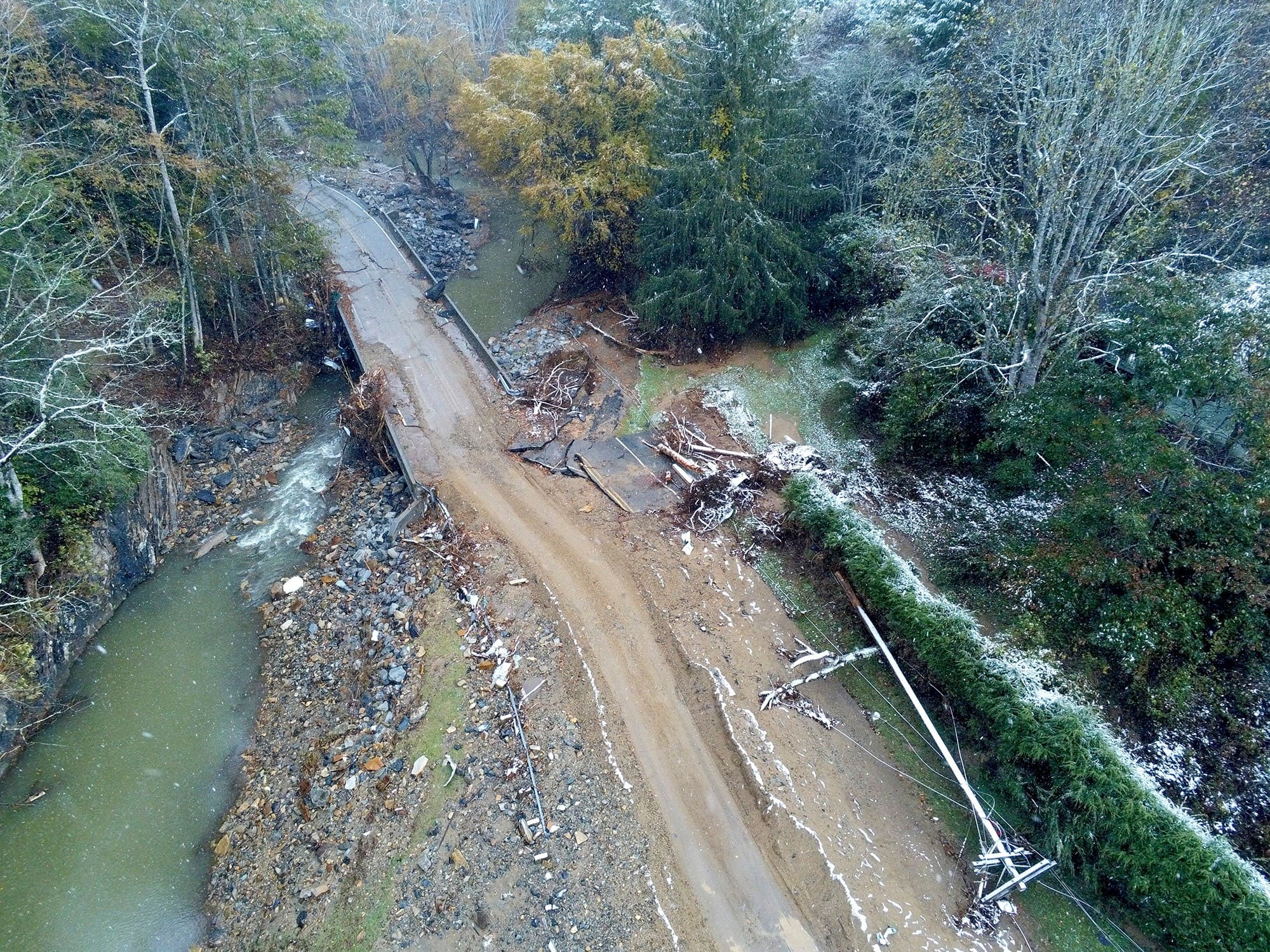
Drone insurance for flood damage assessment should describe the actual aircraft operation and equipment interests. A business may collect images for an adjuster, map exterior conditions for an owner or supply information to a recovery contractor. Give BWI the sites, aircraft, pilots, equipment, legal parties and aviation insurance requirements. This guide’s inquiry concerns aviation liability and drone equipment, not insurance for assessment accuracy, claim advice or a client’s reliance on an interpreted report.
This guide focuses on the drone operator’s own insurance preparation. It does not determine whether a property owner’s flood claim is covered, authorize access to a disaster area or provide emergency flight procedures. Use qualified operating, technical and legal advisers for those questions. BWI’s drone insurance information is the broader starting point; a specific assessment contract needs a review of its own facts and offered terms.
For the broader coverage discussion, see BWI drone insurance. Keep this review focused on the specific arrangement described in this guide.
Identify who commissioned the assessment
Name the legal customer and explain its role in the recovery process. An insurer, adjusting firm, engineering business, property owner and remediation contractor are not interchangeable clients. Identify who signs the service agreement, who directs the deliverable and who may rely on it. A referral from an adjuster does not necessarily make the drone operator an employee or an insured party under the adjuster’s arrangements.
Describe the subcontract chain if your business works through a larger vendor. The property address on a work order may not identify the entity that owes payment or controls the contract. Obtain the relevant agreement and attachments. The insurance review should consider the actual duties your business accepts rather than a broad assurance that the prime contractor handles insurance for everyone.
If multiple clients request visits to the same location, keep the assignments and recipients distinguishable. One client might want original images while another asks for an opinion on repair scope. Do not assume that a submission for the first assignment accepts the second. Explain the overlap honestly and obtain advice about conflicts, information ownership or other obligations where appropriate.
State what the report will and will not contain
Describe the promised product in concrete terms. Original photographs, a map, annotated observations, measurements and a professional opinion are different services. Establish authorship and qualification requirements with the client and qualified technical and legal professionals. If your business interprets structural damage or signs conclusions used in financial decisions, resolve those responsibilities in that review rather than treating an aircraft quotation as acceptance of the professional service.
Avoid treating the flight as the entire commercial service when the fee includes analysis or recommendations. The business may be asked to certify completeness, identify every affected area or support a repair decision. Qualified technical and legal professionals should evaluate those promises and the team’s capacity to perform them. Describe actual business activities accurately in applications, while keeping the BWI inquiry here limited to aviation liability and equipment.
Explain who performs specialist assessment. If an engineer independently interprets imagery, record that relationship and who accepts the completed opinion. Do not imply your business holds credentials it lacks or controls another firm’s professional judgment. Obtain the responsible person’s instructions for collecting and handing off material. An aircraft policy response does not decide the interpretation standard or insure every conclusion supplied by another participant.
Describe the intended field deployment
Provide the expected areas, dates, duration and number of assignments as accurately as possible. A local daytime visit and a travelling team supporting several weeks of recovery should not be described identically. Explain lodging, equipment storage, vehicle arrangements and staff changes where relevant. These facts support the insurance review without establishing that a deployment is authorized or that every related expense is insurable.
State whether the work is planned recovery activity or a proposed time sensitive response. Keep uncertainty visible when sites or dates are not yet confirmed. An anticipated contract should not be presented as fully authorized fieldwork. Ask how material changes should be reported once the scope develops, particularly if additional locations, aircraft, operators or services enter the assignment.
Describe unusual arrangements separately, including work from boats or other mobile platforms if proposed. Do not assume they are included because the project concerns flooding. Use the actual operational plan for the relevant reviews and preserve any specific restrictions or conditions. A general response for exterior property imaging should not be treated as acceptance of every possible method of reaching a damaged area.
Compare the contract against the insurance submission
The table below identifies practical subjects for a flood assessment submission. It is not a coverage schedule or a declaration that the proposed activities are permissible. Use it to compare the real assignment with the offered documents and identify unanswered questions. A policy quotation is useful only if it addresses the work and equipment that the business actually intends to supply.
Retain the contract version used in the comparison. Disaster assignments can change quickly as clients obtain access or add properties. If the final agreement differs, request review of the affected facts before relying on the earlier response. An old certificate or an accepted work order for another site should not silently become evidence that the enlarged program has been reviewed.
| Assessment subject | Information for review |
|---|---|
| Customer | Legal client prime contractor and evidence recipients |
| Aircraft activity | Actual image collection or mapping flight assignment |
| Deployment | Sites dates travel storage and proposed activities |
| Personnel | Pilots employment relationships and subcontractors |
| Equipment | Aircraft sensors values ownership and custody |
| Agreement | Aviation insurance limits names and evidence requirements |
Keep aviation permission separate from insurance acceptance
Use current FAA resources and qualified operational review for the actual proposed activity. The FAA’s emergency situations page describes a process for certain expedited authorization requests and identifies disaster recovery damage assessment among examples that may be considered. It does not give every contractor automatic permission to fly, and insurance documentation does not replace an applicable authorization or restriction.
Confirm access and coordination requirements with the responsible authorities and site contacts. Client urgency, public benefit and property owner permission do not resolve every aviation or disaster area requirement. Describe pending permissions honestly in the insurance inquiry. Do not present a proposal as accepted merely because the business expects an authorization to be available later.
This article does not provide an emergency application procedure, flight planning advice or a determination about restricted airspace. The operator should use authoritative current information for the actual location and date. If those requirements alter the assignment, update the insurance facts and contract scope. Keeping the workstreams distinct allows the business to see which questions remain unresolved.
Separate aircraft damage from report disputes
An aircraft causing injury or property damage raises a different issue from a report allegedly omitting a condition. For BWI’s aviation inquiry, supply the real flight activity, insured parties and equipment interests. Preserve report specifications, observations and authorship for separate qualified technical and legal review. This guide does not offer protection for assessment errors or suggest that every service complaint is an aircraft liability event.
Determine who interprets the material and what use the client is allowed to make of it. A report supporting a repair estimate or claim decision needs a clearly defined technical role and legal agreement. Record any limits on reliance, review requirements and correction process through the responsible professionals. These are contract and service decisions, not a request here for BWI to arrange protection for a disputed assessment or financial outcome.
Also separate the client’s own flood policy from your business’s insurance. Your certificate does not settle the property owner’s claim, and a client insurer’s coverage decision does not determine whether your contract obligations are insured. Keep communications clear about which policy and responsibility are being discussed so a broad statement about insurance is not misunderstood by the project team.
Review aircraft and equipment in the deployment
List the drones, relevant sensors and ground equipment being submitted for protection. Include requested values, identifiers and ownership information supported by records. A work package may involve personal aircraft, rented equipment or a camera owned by the client. Explain those interests rather than assuming that everything carried by the team is included in the same property arrangement.
Describe the custody period for borrowed or rented equipment, including transport, temporary storage and return. Ask how the offered terms address the actual circumstances. A flight damage discussion does not answer every question about equipment held in a hotel, vehicle or contractor facility. If another policy or provider is involved, supply relevant information for an appropriate coordination review without assuming the arrangements automatically fit.
Do not infer that the equipment may be exposed to water or used under any condition merely because the job concerns a flood. Qualified technical and operating professionals must establish suitability and procedures. The insurance submission should accurately describe the accepted plan and ask about the relevant protection. Equipment capability, legal permission and insurance acceptance are separate decisions.
Include temporary personnel and subcontractors
Describe who employs or engages each pilot and field worker. A business may increase staffing during a recovery contract, but the legal relationships and actual responsibilities still need to be established. Identify independent subcontractors, temporary staff and other participants truthfully. Qualified advisers should address classification and employment obligations; the insurance inquiry should reflect the resulting facts.
Explain whose aircraft each pilot will operate and who controls the work. A pilot’s certificate does not establish their acceptance under a particular insurance arrangement. Ask what pilot information and conditions are required for the offered terms. If the client supplies a drone or hires a separate operator, review your role instead of assuming that everyone shares one policy merely because they work from the same staging location.
Consider employee injury, vehicles and other business exposures through their appropriate insurance reviews. A drone liability proposal should not be assumed to address all personnel or travel risks. Providing an accurate deployment description helps the relevant advisers identify those separate subjects without treating a list of policies as a guarantee that every circumstance will be covered.
Examine the client’s contract before issuing documents
Obtain the full agreement, insurance requirements and incorporated attachments. Additional insured requests, indemnity, confidentiality and data ownership can require different reviews. Send the exact wording and legal names rather than summarizing the requirement as standard disaster insurance. A certificate request is an administrative step, not proof that every obligation in the agreement is accepted by the offered policy.
Have qualified legal advisers evaluate guarantees, deadlines and liability assumptions. A client may demand complete documentation of every property or condition payment on a particular claim result. Compare those promises with the agreed technical scope, available personnel and the business’s resources. Resolve or negotiate them before signing. The aircraft insurance inquiry does not establish financial support for completeness guarantees, report delays or a client’s desired claim payment.
Keep the accepted final agreement with the insurer’s response and issued documents. If the client replaces a work order or adds an entity, provide the change when relevant. A certificate issued for an earlier customer or narrower assignment should not become the only record used by the team to authorize an expanded service.
Protect the usefulness of assessment records
Identify the commissioned property, work-order reference, capture date, intended recipients and person authorized to release the deliverable. A mailing address, parcel identifier and customer’s internal job number may refer to different things. Resolve those references through the client rather than guessing which building a photograph concerns. Accurate administrative identification supports a usable record without claiming that an image proves causation, the full extent of damage or entitlement to an insurance payment.
Preserve original observations and clearly identify later annotations, authors and revisions according to the applicable obligations and professional advice. A client’s request for a clearer label differs from a request for an opinion on a repair or coverage question. Refer that request to the appropriate qualified party. Do not silently add another professional’s conclusion to a photography report under the drone operator’s signature.
Confirm who is entitled to receive or redistribute the material. An adjusting firm may pay while the owner and restoration contractor have separate interests. Use the authorized client and legal channels for data handling and reliance terms. Keep a factual handoff record and avoid sending unnecessary personal information through an aircraft quotation inquiry. A drone policy does not itself authorize publication or determine who may rely on an assessment opinion.
Consider a fictional recovery assignment
Imagine fictional Cedar Adjusting commissioning Field Images LLC to photograph three identified properties on October 10. Cedar will interpret the images; Field’s proposed output is a dated image set for the listed work orders. These invented names and dates distinguish the commissioning firm from the drone contractor and property owners. They describe no BWI customer, accepted insurance arrangement or real claim outcome.
Before signing, Cedar adds a mapped assessment and asks Field to state that every damaged area has been documented. It also adds two properties and a subcontractor pilot for October 12. Field obtains technical and legal review of the completeness promise and revised deliverable. It separately sends BWI the new sites, dates, aircraft, equipment and pilot relationship for aviation review. An aircraft response is not represented as accepting the assessment’s accuracy or every contract remedy.
After delivery, a restoration business asks Field to change a property label and add a repair-priority opinion. Field keeps the request attributable to its sender and checks who can authorize a revised assignment. Correcting an identifier and accepting a new professional opinion are different responsibilities. The business preserves dated versions and the actual agreement, follows any applicable reporting duties and obtains the proper review. This illustration determines no fault, claim value, coverage or adjusting authority.
Keep a changed assignment current through renewal
Record deployment extensions using the actual dates, locations, pilots and equipment. Send relevant operating or property changes for aircraft insurance review as required by the arrangement. Keep later report corrections and new interpretation requests attributable to the client, with the agreement and qualified reviewer responsible for each. Do not treat a new professional opinion drawn from retained images as another insured flight or as automatically accepted by the initial certificate.
At renewal, distinguish completed flights, anticipated return visits and current equipment custody. Answer actual application questions accurately, using appropriate advice where needed. Keep outstanding assessment and report commitments in the separate contract register so the client knows who remains responsible. An aircraft renewal does not certify completion of the professional work or accept a promise about the accuracy of a later interpreted assessment.
Questions about flood assessment drone insurance
Does an adjuster’s assignment make us insured under its policy
Do not assume that being hired establishes insured status or protects your business’s equipment and independent obligations. Describe the relationship and provide the agreement for review. The client’s arrangements and your own offered insurance need to be assessed on their actual terms. A referral, work order or shared staging location does not decide every insurance interest.
Does a disaster create an automatic right to fly
Use current authoritative guidance and qualified operating review for the location and date. The FAA describes certain expedited request pathways, but those are not automatic permission for every contractor. Client urgency and insurance acceptance do not replace required approvals, access or coordination. State the real permission status accurately in the submission.
Is an annotated damage report the same as photography
Explain whether annotations merely identify supplied observations or add a professional judgment about damage. Qualified technical and legal professionals should establish the required credentials, authorship, standard and client’s permitted use. The BWI inquiry described here concerns aviation liability and equipment; it does not offer protection for repair opinions, assessment completeness or the financial decisions made from a report.
Will drone insurance pay the property owner’s flood claim
Your business’s insurance is separate from the property owner’s coverage and claim evaluation. Describe your actual role to the client and avoid making payment assurances outside your authority. Questions about allegations against your business should be reviewed under the applicable terms and facts, not inferred from the outcome of another policy’s claim.
What information should accompany a temporary recovery crew
Provide the actual legal entities, personnel relationships, pilots, aircraft, equipment interests, sites and anticipated period. Include the final deliverable and client agreement. Ask which further details and conditions the offered arrangement requires. A short crew list without the underlying assignment may leave important operational and professional questions unresolved.
Prepare the recovery contract review with BWI
Bring BWI the aircraft inventory, equipment ownership and custody, pilot information, locations, dates, contracting entities and aviation insurance requirements. Describe the actual field activity truthfully, including unresolved operating permissions. Use separate qualified technical and legal review for the assessment standard, client reliance and report remedies. A specific aircraft inquiry is more useful than a broad request for disaster coverage that mixes these different responsibilities.
Request an aviation liability and drone equipment insurance review and quote from BWI for the flood assessment operation. Compare the response using the aircraft, people, locations and property interests proposed, then return relevant changes for review. This inquiry does not offer protection for report accuracy or claim advice. Keep assessment conclusions, emergency permissions and property-owner claim decisions with the responsible professionals.
Continue Reading

