

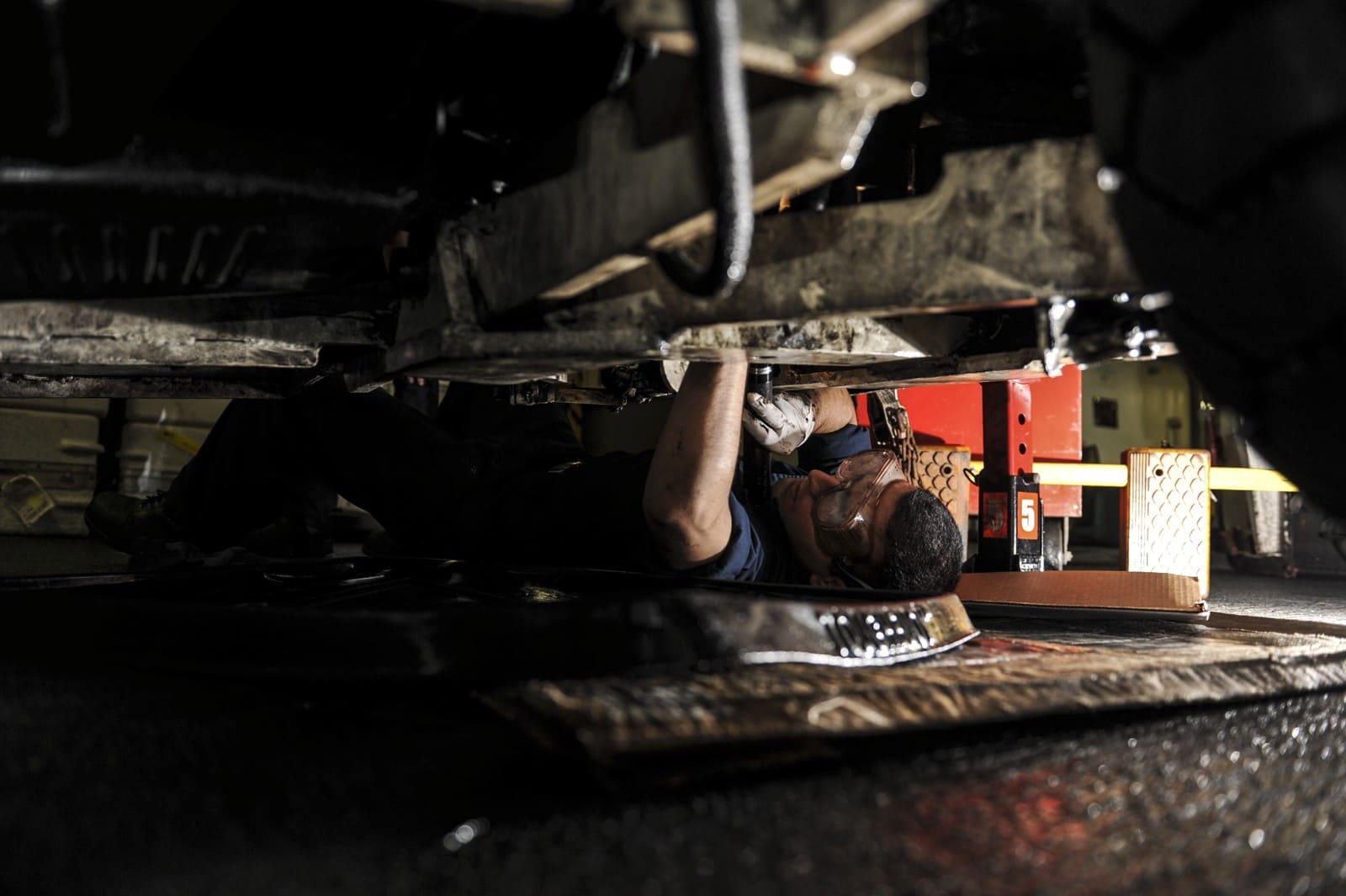
A business repairing aviation ground support equipment should explain what it repairs, where the work takes place and how the repaired unit is tested and returned to the customer. A disabled tug in a workshop, a ground power unit beside an aircraft and a servicing vehicle awaiting collection create different responsibilities. The insurance review should follow those responsibilities rather than assume that an ordinary vehicle repair description or an aircraft maintenance policy automatically fits the business.
Start by separating customer equipment in your custody, your tools and property, and allegations arising from completed work. Then describe work that brings employees into contact with aircraft, airport facilities or other businesses. The purpose is to identify the protection being requested and compare it with the actual terms available. The name ground support equipment repair cannot supply those details on its own.
This article is for the independent repair business serving equipment owners and operators. It is separate from a handler maintaining only its own fleet or a lessor arranging repairs within a rental program. BWI's aviation products liability information provides related context, but the eligibility and terms for your actual ground equipment services require a specific commercial review. No policy benefit, repair authorization or technical procedure is established by this guide.
Describe the Equipment and Repairs Actually Accepted
List the categories of equipment the business receives and the services performed on each. Tugs, baggage equipment, ground power units and specialized servicing vehicles should not be grouped into a description that conceals materially different tasks. Identify mechanical, electrical, hydraulic, structural or other work in plain language and have the responsible technical personnel verify the description.
Explain what the business does not undertake. Replacing a specified part differs from diagnosing an entire system, modifying a unit or recommending its suitability for an aircraft application. The accepted work can expand during a customer conversation without a new line appearing on the original estimate. Describe how changes reach the person responsible for the job and the insurance submission.
Include equipment sales, rentals, refurbished units, parts supply and technical advice where relevant. A workshop may begin with customer-owned repairs and later sell repaired equipment under its own name. That change should be reviewed before the new business model starts. Presenting all receipts as repair revenue can obscure the company's role in supplying a finished product to another operator.
Follow the Unit From Collection to Return
Identify who arranges collection and whether employees move disabled equipment at the airport or on public roads. Explain the vehicles, trailers, carriers and loading arrangements involved without treating them as incidental details. Ask which proposed terms address the customer equipment during those movements and which arrangements address the transport vehicle itself.
At receipt, connect the equipment identifier, owner, customer instruction and observed condition. The company arranging the repair may be an operator renting the unit from another business. Keep that distinction visible. A work order identifying the person who called the shop may not explain ownership or the obligations the shop has accepted toward the equipment owner.
Describe where units wait for diagnosis, parts, customer approval and collection. Estimate the maximum concentration of customer property using supported values and identify any outside storage. Work delayed by unavailable components can increase the amount held without increasing current revenue. Ask how the offered wording treats customer equipment throughout the actual custody period, not only while a mechanic is actively working on it.
Separate Repair Responsibility From Aircraft Responsibility
Explain whether the shop handles aircraft at any stage. A repair business might test a tug without moving an aircraft, or it might agree to a demonstration involving a customer's airplane. A ground power unit might be tested independently or connected at the customer's site. Those are different factual descriptions to present before relying on a policy.
Ask how the insurance addresses customer equipment being repaired and any aircraft or other property involved in testing. Do not assume that protection for a ground unit extends automatically to the aircraft beside it. Likewise, a policy intended for aviation operations may contain definitions or restrictions that require a separate review of ground equipment, motor vehicles or property being worked on.
Keep operating permission and technical competence separate from insurance acceptance. The customer, airport, manufacturer and relevant authorities may have requirements appropriate to the actual activity. Qualified personnel must establish those requirements and whether the task can be performed safely. An insurance certificate does not authorize a tow, connection, load test or return of equipment to service.
Review Completed Work and the Cost of Rework
A later allegation may concern a malfunction after the customer has collected the equipment. Describe the work, supplied parts, tests performed and handover record accurately. Ask what products or completed operations provisions, if any, are intended to address the business's actual activities. The relevant terms need to support the service being sold rather than a broader activity inferred from the word aviation.
BWI's aviation products liability guidance distinguishes third-party liability arising from products from protection for the products themselves. That distinction is useful when reviewing equipment repairs, but it does not prove that a particular ground unit or repair service fits a proposed aviation product definition. Ask for the actual application of the wording to your operation. [1]
Separate redoing your own work, replacing a supplied part, alleged damage to other property and customer financial demands. A warranty adjustment offered to preserve a relationship is not automatically an insured expense. Give the reviewer the actual cost categories and contract rather than presenting one combined amount as a completed operations claim that must be covered.
Make Diagnostic and Testing Boundaries Clear
Record what the customer requested, what the shop agreed to investigate and what additional work was authorized. An instruction to replace a damaged fitting does not necessarily assign responsibility for assessing the whole unit. If technicians identify another concern, preserve the factual communication and the customer's response instead of allowing the final invoice to become the only record of the job.
Explain how testing is described in work orders and customer agreements. The insurance reviewer needs to know whether the company performs a narrow functional check, operates equipment under load, connects it to aircraft or provides a broader performance assessment. Avoid unsupported technical promises in the submission. The responsible technicians should verify what the business actually undertakes and what remains outside its accepted scope.
Where a customer wants equipment returned before all proposed work is authorized, obtain appropriate technical and legal guidance on the action being considered. The insurance discussion should identify the facts and responsibilities without purporting to approve an unsafe release. Keep any restrictions or unresolved observations accurately documented; do not turn a commercial deadline into an assertion that every technical question has been resolved.
Describe Mobile Repair at Airport Locations
List the locations where technicians work and who controls access to the equipment. Explain whether it is parked in a designated maintenance area or remains near active aircraft operations. Provide the relevant customer and facility requirements for review. Permission to enter an airport and insurance acceptance of the work are separate matters.
Identify who moves the unit, provides lifting or access equipment and coordinates with other contractors. If the customer supplies an operator for testing, explain that relationship too. The repair business may still face allegations about its instructions, supervision or work. Another employer's involvement should be described accurately rather than assumed to remove every responsibility from your company.
Ask about your own tools and mobile equipment, including temporary storage in service vehicles or at customer sites. A workshop property schedule does not independently establish acceptance of every item away from the premises. Provide the locations, values and movement pattern requested. Keep the protection for tools separate from vehicle liability and from liability involving a customer's aircraft.
Identify Electrical and Other Specialist Services
A changing equipment fleet can change the repair business. IATA's ground support equipment overview discusses electric equipment and the industry's transition toward it. That operational context is a reason to describe your actual work accurately, not evidence of an insurance discount or a blanket requirement applying to every repair shop. [2]
Identify services involving batteries, charging systems, electronic controls, fuel systems or other specialist equipment where those services are performed. Explain whether the company diagnoses, removes, installs, repairs or merely replaces an identified component. Qualified personnel should determine the technical procedures and applicable safety requirements. This guide does not prescribe handling, isolation, charging, disposal or testing methods.
Disclose modifications and software or controller-related work separately from like-for-like replacement. State whether the business develops a change, applies a manufacturer's instructions or refers the task to another provider. A repair authorization from a customer does not independently establish acceptance by an insurer or approval by a manufacturer. Give the reviewer the real service boundary and any related advice your company provides.
Explain Manufacturer Warranty and Dealer Relationships
If the company performs warranty work for a manufacturer or distributor, supply the relevant agreement. Identify who authorizes repairs, pays the invoice and communicates with the equipment user. A manufacturer may reimburse a specified task while the shop has a separate contract with the operator. Those relationships deserve a clear description rather than a general statement that all work is covered by the factory.
Have qualified counsel review indemnities, guarantees, parts-return duties and other material obligations. Ask the insurance reviewer which accepted services and liabilities the proposed arrangement addresses. The manufacturer's insurance does not automatically establish the repairer's protection, and a factory warranty should not be presented as a policy protecting every party from all resulting losses.
Keep nonwarranty work visible. A customer may authorize additional repairs while a warranty task is under way, creating a separate instruction and charge. Explain how that work is documented and approved. The final job history should allow the business to identify what it did for the manufacturer, what it did for the operator and what was completed by another provider.
Include Subcontract Repairs and Customer Supplied Parts
List work sent outside the company, including specialist testing, fabrication or repair. Identify who owns the equipment or component, who arranges shipment and who contracts with the outside business. If your company remains the customer's contracting party, explain that position. Outsourcing a task does not by itself establish that every allegation passes to the other provider.
Supply representative subcontract terms and the insurance evidence your contracts require. Ask how the company's proposed policy treats responsibility for subcontracted work. Review changes when the provider or scope changes. A certificate retained for a previous contractor should not be treated as current evidence for the replacement business merely because the same individual contact arranged the work.
When customers supply parts, record the source, identification and agreed service. Have qualified personnel address technical suitability. For insurance review, explain whether the company only installs the specified item, recommends the selection or supplies associated advice. The absence of a parts sale does not independently resolve the responsibility the shop accepts in choosing, installing or assessing a component.
If a loaner unit is provided while repairs continue, identify its owner, value and terms of use. Explain whether it belongs to the shop, the manufacturer or an outside rental company. Ask how the proposed insurance treats supply of that replacement as a separate activity. The original repair work order should not be assumed to explain a loan arrangement, customer operation of the unit or your obligation to return hired equipment to its owner.
Read Service Contracts Before Promising Downtime Payments
An equipment failure can disrupt a customer's operation, and the repair agreement may include obligations about response times, availability or reimbursement. Provide those clauses in full. A promise to pay for replacement rental equipment or a customer's lost use should be reviewed as a specific commercial obligation, not assumed to fit within a headline liability limit.
Compare the contract with the policy's services, insuring agreements, exclusions, limits, deductibles or retentions and defense provisions. Ask about unresolved differences before signing. Legal counsel should assess the obligation itself while insurance professionals assess the available terms. A quotation that includes a liability limit does not demonstrate that every warranty or service-level promise has been insured.
If the customer asks for additional insured status or other evidence, supply the exact requirement and correct parties. Obtain documents supported by the issued arrangement rather than copying requested language onto a certificate. Keep acceptance of the commercial agreement separate from the insurer's acceptance of an endorsement or activity; one should not be represented as proof of the other.
Prepare for a Complaint Without Losing the Job History
Follow applicable reporting instructions when a customer raises a potentially relevant allegation. Identify the unit, work order, dates, parts and actual demand. Preserve the customer's words as an allegation where the cause is not established. Do not rewrite the original diagnosis to match a later theory or describe an unconfirmed fault as a proven repair error.
Keep the equipment, removed parts, photographs, technician notes, tests and communications available as appropriate to the circumstances and qualified guidance. Coordinate proposed examinations and repairs with the responsible technical professionals and claim contact. A necessary safety action and an insurance decision involve different responsibilities; make the proposed action and urgency clear rather than assuming that notification authorizes every expense.
At renewal, use the complaint history and current business records to answer the application accurately. Explain changes in services, customer contracts, equipment categories or locations. Disclose information requested about known matters even when no lawsuit has been filed. An accurate continuing account of the business is more useful than repeating the previous year's description after the operation has changed.
A Fictional Ground Power Unit Repair
Consider a shop engaged to repair an identified fault in a customer's ground power unit. The customer later asks the shop to deliver the unit and demonstrate it at an aircraft. The shop's review needs to identify the expanded delivery and demonstration role, the people controlling the aircraft and the terms applying to the repaired equipment and completed work.
If a subsequent complaint concerns an alleged malfunction, the company preserves the accepted instructions, repair records and handover information and follows the applicable reporting process. It separates rework from alleged damage and commercial demands. This fictional example illustrates submission and reporting questions, not a real BWI client, a technical diagnosis or a promise that an insurer pays the costs described.
Request a Ground Equipment Repair Business Review
Request a commercial aviation insurance review from BWI with the equipment categories, repair services, locations, customer property values, testing arrangements and contracts. Include delivery, mobile work, aircraft involvement, sales, rentals, modifications and outside providers. Identify specialist services and proposed changes so the submission describes the actual responsibilities being accepted.
For changes to existing insurance, use the service channel confirmed for your account before starting the new activity. Review the accepted terms and issued documents, including important conditions and unresolved questions. The useful result is a deliberate comparison between the repair business's work and available protection, with separate attention to customer equipment, aircraft involvement, completed work and the company's own assets.
Sources
Continue Reading


