

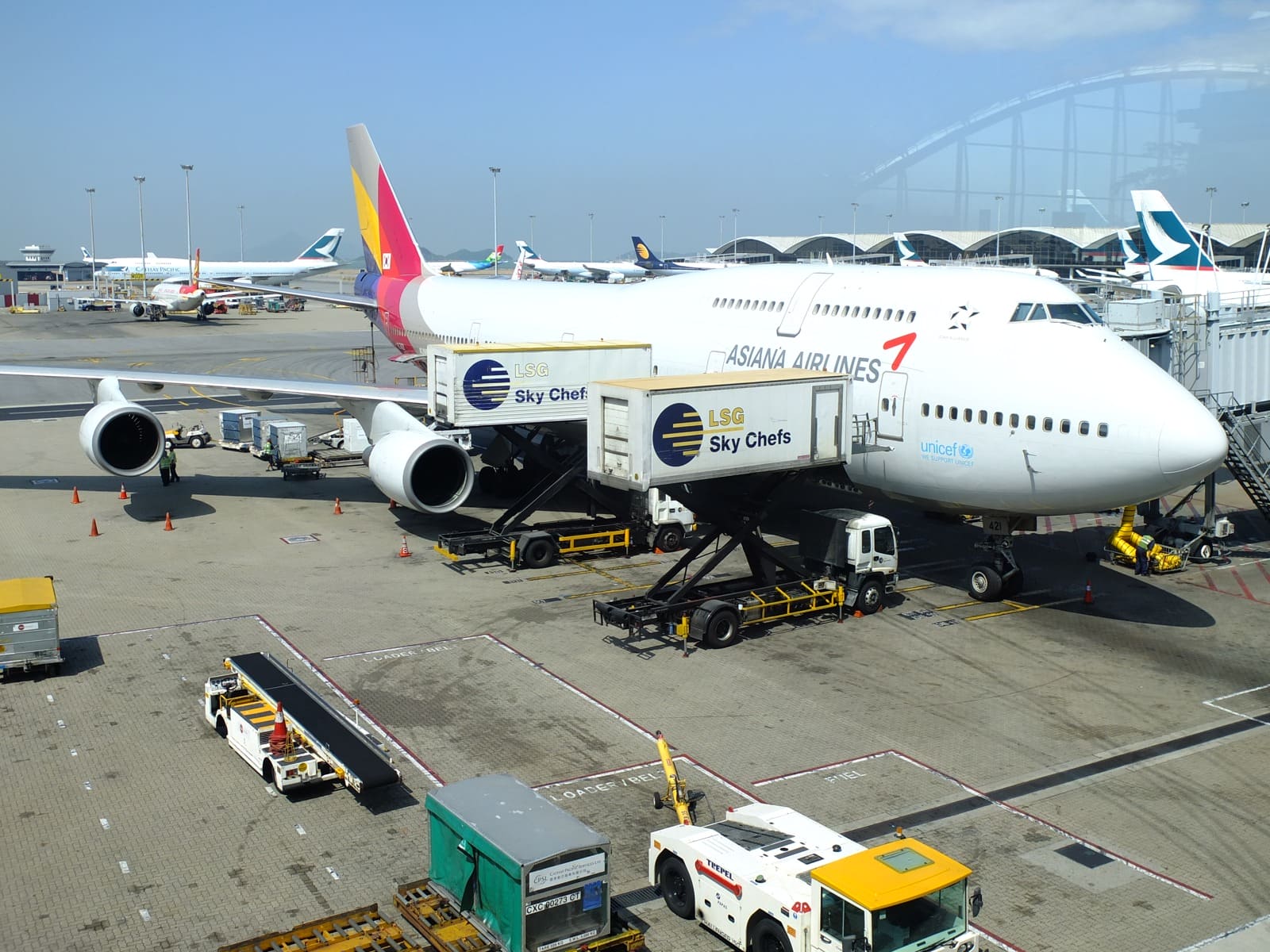
A ground support equipment rental company needs an insurance review that follows its equipment beyond the storage yard. A tug, ground power unit, passenger stair or servicing vehicle may spend most of its rental period at a customer's airport. Ownership stays with one business while possession, operation and some contractual responsibilities move to another. The insurance discussion should identify each interest instead of assuming the renter's policy protects everything the lessor owns or agrees to do.
Begin with the equipment supplied, the rental arrangements and the services your employees perform. Separate equipment damage from allegations that the rental business supplied an unsuitable unit, performed faulty maintenance or caused damage during delivery. Then ask which offered terms address the particular activities. A general description such as aviation liability is not enough to establish protection for a rental fleet.
This guide is for the business renting equipment to aviation customers. It complements BWI's commercial aviation insurance information and aviation products liability information. It is separate from an aircraft operator deciding whether to hire a tug for one movement. Specific rental operations, equipment and policy terms require individual underwriting review; this article does not establish that a particular rental program is available.
Define What the Rental Company Supplies
List the equipment categories and explain their intended use in plain language. Identify powered and unpowered equipment, attachments, accessories and any specialized servicing units. Distinguish equipment your company owns from units leased from a financier, hired from another supplier or held on consignment. A rental fleet can contain several ownership interests even when the units carry the same company branding.
Explain the customers and locations served. A short rental to a maintenance shop at a local airport differs from a long placement with a handling company operating at several sites. Describe the territories and typical rental duration without claiming that one arrangement is necessarily acceptable to every insurer. Include unusual or proposed uses rather than relying only on the most common transaction.
State whether the company provides equipment alone or also supplies operators, installation, setup, demonstrations, maintenance or repairs. Those activities can change the responsibilities accepted. If a rental agreement includes an employee who operates the unit during handover, disclose the actual work. The description should follow what the business does rather than the heading used on the invoice.
Track Each Unit Through the Rental Period
Keep a record connecting the unit identifier, customer, contract, dates and location. Include significant accessories that travel with it and explain how substitutions are documented. If a customer's agreement describes one unit while another is delivered, the insurance reviewer may need to understand both the transaction and the reason for the change.
Identify the point at which the equipment leaves your control and the conditions for its return. Customer collection, company delivery and delivery by an independent carrier create different custody sequences. Ask how the proposed equipment protection applies at the yard, in transit, while rented out and during collection. A premises address alone does not establish acceptance of all those stages.
Describe extended rentals and overdue returns accurately. A unit remaining at a customer's facility after its expected return date should not simply disappear from the fleet record. Ask what policy conditions apply to rental duration, location changes, unauthorized use or failure to return equipment. Do not assume that an unpaid invoice, theft and a disputed contractual return are treated identically.
Review Fleet Values and Ownership Interests
Prepare values using the basis requested by the insurer and explain supporting records. Purchase price, replacement cost, market value and the balance due to a financier are different figures. A single column copied from the accounting system may not establish the amount required for an insurance schedule or the basis on which a loss would be settled.
Identify leased or financed equipment and provide the relevant insurance requirements. Ask how an owner's or lender's interest is recognized in the actual documents and whether the requested provisions are available. A finance agreement may require particular evidence, but that request does not independently amend the insurance. Retain the accepted schedules and documents with the relevant unit record.
Consider concentration as well as the value of each unit. Equipment may gather at the main yard during a quiet period or at a customer's location during a major project. Describe the largest plausible accumulation supported by the operation. Ask how limits, location conditions and deductibles apply instead of assuming that the sum of individual values equals the amount available for every event.
Separate Equipment Damage From Liability to Others
Damage to the rental company's own equipment is a property interest. An allegation that equipment caused injury or damaged an aircraft is a liability question. The same event can involve both. Ask the reviewer to identify the provisions intended to address each interest and any important restrictions affecting rental equipment or aviation activities.
The business's role in supplying, maintaining or modifying equipment also deserves attention. BWI's aviation products liability information distinguishes liability arising from aviation products from protection for the products themselves. For a ground equipment rental business, ask whether the actual supplied equipment and related services fit any proposed products or completed operations wording. Do not assume that an aircraft component description automatically includes every ground unit. [1]
If employees tow aircraft, connect equipment, load goods or provide other ground services, describe that work separately. The company may have moved beyond renting a unit into handling a customer's aircraft or property. Review the aircraft custody and service responsibilities rather than relying solely on a lessor description that was accurate before employees began performing the additional tasks.
Read the Rental Agreement Alongside the Insurance
Provide the complete agreement, including damage responsibility, permitted use, maintenance duties, insurance requirements and return provisions. Highlight promises about equipment condition, suitability, availability and replacement. A short order form may refer to separate standard terms; include those terms too. The reviewer cannot assess obligations that are absent from the documents supplied.
Have qualified counsel assess indemnities, limitations of liability and the legal effect of the transaction. Separately, ask the insurance contact which obligations the proposed policies can address. A renter's promise to reimburse the owner can be useful commercially without establishing that the renter's insurer will pay every amount demanded under that promise.
Clarify whether the renter may lend the unit to another business, move it to another airport or use it with different equipment. The contract and insurance submission should describe the permissions actually granted. If commercial staff routinely approve exceptions, identify the process and retain the accepted changes. A restriction printed in the contract does not explain the real arrangement if the company regularly agrees to waive it.
Treat Damage Waivers as Their Own Contractual Subject
If the company offers a damage waiver or reduced-responsibility option, send the complete wording for legal and insurance review. Identify what the company agrees to waive, what remains the customer's responsibility and any charge associated with the option. Do not describe the arrangement as insurance unless its nature, authority and applicable requirements have been properly established.
Ask how the company's own equipment policy treats the waiver. An agreement that reduces recovery from a customer can create a different question from a rental contract that preserves that responsibility. Do not assume that collecting a waiver fee purchases additional insurer protection or that the insurer has accepted every version used by the rental desk.
Keep damage waivers separate from security deposits and customer credit arrangements. A deposit can secure a contractual obligation without being an insurance policy. A waiver can change a contractual demand without insuring the renter against liability to someone else. Clear explanations help staff avoid promising protection that the paperwork does not support.
Verify Customer Insurance Without Replacing Your Own Review
Identify what evidence the rental agreement requires and who checks it before release. Match the customer legal entity, rental period and requested interests to the documents provided. A certificate with a familiar company name can still leave questions about the relevant equipment, rented property restrictions or the protection requested for the lessor.
For example, New York's insurance regulator explains in its certificate guidance that a certificate supplies evidence rather than changing the policy. This is a jurisdiction-specific regulatory reference, not a substitute for reviewing the terms and rules applicable to your transaction. Ask for the relevant policy support when a particular status or provision is important. [2]
Record unresolved requirements before deciding whether to release equipment. Do not have employees alter another party's certificate or treat a customer's assurance as an insurer's confirmation. Your company's own program still needs review for its interests and allegations against it, even when the rental agreement requires the customer to maintain insurance.
Describe Delivery Setup and Collection Activities
Explain who loads, secures, transports and unloads the equipment, and which vehicles or carriers are involved. Identify whether employees use public roads, airport service roads or both. Ask which vehicle, equipment and liability arrangements are intended to address the actual movements. A transport invoice does not by itself establish when your responsibilities begin or end.
If the company demonstrates operation or connects a unit to an aircraft, include those activities in the submission. Describe who supervises the handover and who accepts the equipment. Appropriate technical personnel must establish safe operation and compatibility. An insurance guide or policy acceptance cannot authorize a connection, lifting task or aircraft movement.
Follow the same detail at collection. Equipment may be returned with changed condition, missing accessories or an unresolved customer complaint. Preserve the facts and follow applicable notice requirements before promising a reimbursement or settlement. A return signature can record receipt without establishing the cause of damage or determining the response of any insurer.
Explain Maintenance and Changes to Rental Units
Describe who maintains the fleet and the services performed internally or by outside repair businesses. Keep the maintenance provider and agreement with the unit history. Explain whether the company modifies equipment, changes attachments, refurbishes units for sale or repairs equipment belonging to customers. These are additional activities to disclose even if rental income remains the largest part of the business.
For insurance purposes, distinguish the company's cost to correct its own work from a third party's allegation following an equipment malfunction. Ask how the proposed wording treats each subject. The fact that a repair bill and an aircraft damage demand relate to the same unit does not establish that they receive the same coverage treatment or deductible.
When taking a unit out of service, record its status so it is not represented as available merely because it remains on the fleet list. If customers receive replacement equipment, identify the substitute and updated agreement. The insurance review benefits from a clear account of what was supplied and when, while qualified technical personnel address whether equipment is suitable for release.
Review Cross Rentals and Outside Suppliers
A company may hire equipment from another supplier to fulfill a customer order. Explain both contracts: the obligation your company accepts from the owner and the arrangement under which it supplies the unit to the final customer. Do not assume the second agreement passes every obligation through on matching terms.
Identify who handles maintenance, inspection, transport and customer instruction for the cross-rented unit. Ask how the company's equipment and liability policies treat property owned by others and equipment supplied through another business. A hired-in unit may appear in the same rental transaction while involving a different ownership interest from your normal fleet.
Keep the source supplier's identity and insurance documents current where required. If a substitute supplier is used at short notice, record the change and review material differences before relying on the old arrangements. An emergency customer request does not eliminate the need to understand the actual equipment, contract and responsibilities being accepted.
Reconcile Seasonal Fleet Changes With the Schedule
Keep additions, disposals and temporarily inactive units visible in the records supplied for review. Buying equipment before a busy season does not establish that an existing policy automatically includes it on the intended basis. Ask what acquisition provisions and reporting deadlines the actual policy contains, then follow the required process. Identify equipment ordered but not yet received separately from units already delivered and ready for hire.
When equipment is returned to storage, explain the location and arrangement rather than assuming rented-out terms continue unchanged in every setting. Storage at an outside warehouse, a repairer's yard and the main premises are different facts to disclose. Include equipment awaiting sale or disposal and identify any property belonging to another business at the same location. The fleet's accounting status should not substitute for an accurate description of possession and use.
Compare the final schedule with dispatch and finance records at agreed intervals. Resolve missing identifiers, duplicate entries and units that remain listed after sale. Ask the insurer how corrections affect the required reporting basis instead of silently changing values in an internal spreadsheet and assuming the insurance follows. Keep the accepted submission and response so the next person reviewing the fleet can understand what was communicated.
Prepare for a Reported Problem and a Business Change
Make the applicable notice instructions accessible to the people who receive customer complaints. A report could involve damage to a unit, an accident involving other property or an allegation about the advice given at handover. Identify the facts and relevant contracts, preserve equipment and records appropriately, and distinguish a customer's allegation from a confirmed technical finding.
Ask before accepting costs, disposing of damaged property or making a settlement that could affect an insurer's interests. Where there is urgency, describe the proposed action and reason clearly. Notification does not establish that an insurer has approved every expense. Keep the repair, rental and claim discussions connected without presenting commercial concessions as promised insurance payments.
At renewal, disclose changes in fleet categories, locations, customer use, contract terms and services. If the business starts supplying operators or selling refurbished equipment, the application should change accordingly. Explain what is already happening and what is planned, with dates. A rental company can change materially while retaining the same trading name and business address.
A Fictional Rental Fleet Review
Consider an equipment lessor that rents a tug to a handling company and hires a replacement from another supplier when the original unit becomes unavailable. The lessor arranges transport and provides an on-site demonstration. A useful submission identifies the cross-rental, customer agreement, demonstration activity and the equipment location rather than describing the transaction only as a standard tug rental.
If a later complaint alleges damage involving the unit, the company preserves the handover and maintenance records and follows the appropriate reporting process. It separates damage to the equipment from allegations against the supplying business and from any customer delay demand. This fictional example illustrates information needed for review; it is not a BWI customer story, an operating instruction or a promise that any particular policy responds.
Request a Ground Equipment Rental Insurance Review
Request a commercial aviation insurance review from BWI with the fleet schedule, ownership and values, rental terms, customer uses, locations and services provided. Include delivery, demonstrations, maintenance, cross-rentals, damage waivers and customer insurance requirements. Explain the interests you want reviewed and ask which terms are available for your actual equipment rental operation.
For a change to existing insurance, use the service channel confirmed for your account before relying on protection for the proposed activity. Review the issued documents and conditions with the final arrangement. The goal is to understand the lessor's equipment, liability and contractual interests throughout the rental period, with clear answers about what is accepted and what remains unresolved.
Sources
Continue Reading


