
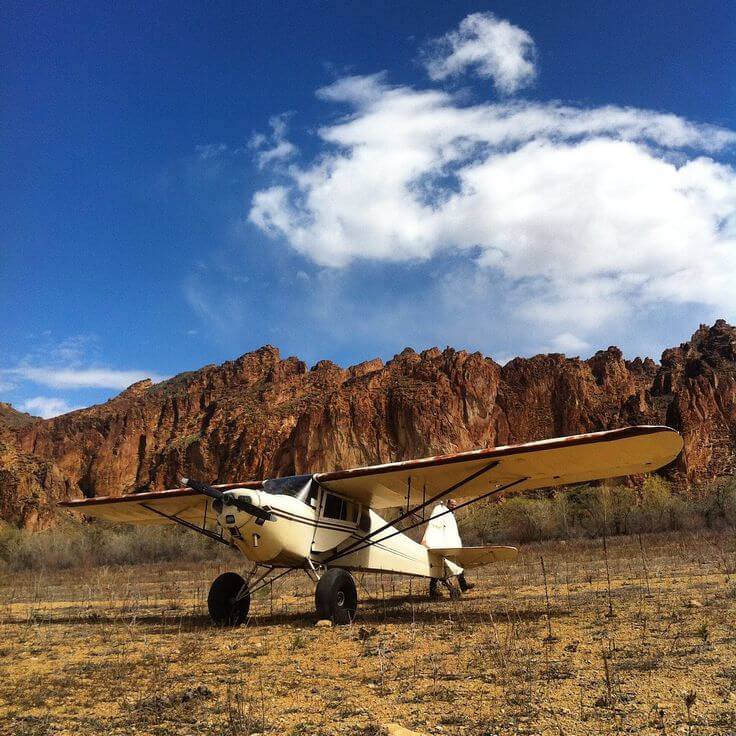
If you’re buying a Taylorcraft, renewing your current policy, or trying to understand what affects Taylorcraft insurance rates, this guide will help you understand how aviation insurance companies evaluate risk and what you can do to secure the best possible coverage.
Few aircraft embody classic stick-and-rudder aviation like the Taylorcraft.
Known for their simplicity, efficiency, and excellent handling characteristics, Taylorcraft aircraft have remained popular with recreational pilots for decades. Their lightweight design, economical operation, and vintage appeal continue to attract owners who appreciate traditional flying.
Today, Taylorcraft aircraft are commonly used for:
- Recreational flying
- Tailwheel training
- Grass strip operations
- Vintage aircraft ownership
- Antique aircraft events
- Local sightseeing
Because of their vintage status and tailwheel configuration, Taylorcraft aircraft occupy a unique position within the aviation insurance marketplace.
At BWI Aviation Insurance, we help thousands of aircraft owners compare coverage options every year and work with the leading aviation insurance companies actively competing for vintage aircraft business.
This guide combines what we’ve learned from insuring thousands of aircraft owners and helping pilots navigate today’s aviation insurance market.
Get Your Aircraft Insurance Quote With BWI Today>>
Why Taylorcraft Aircraft Are Different From Most Aircraft
Insurance companies do not evaluate a Taylorcraft the same way they evaluate a Cessna 172 or Piper Archer.
Why?
Because Taylorcraft aircraft are typically:
- Tailwheel aircraft
- Vintage aircraft
- Recreational aircraft
- Grass-strip aircraft
- Restored antique aircraft
These characteristics create unique underwriting considerations.
That does not mean the aircraft is difficult to insure.
It simply means insurance companies spend more time evaluating pilot qualifications and operational exposure.
The Taylorcraft Models Covered In This Guide
Common Taylorcraft aircraft include:
- BC-12
- BC-12D
- BC-12-65
- BC-12-85
- BL-65
- BF-65
- F-19
- F-21
Many aircraft have also undergone:
- Engine upgrades
- Electrical system conversions
- Modern avionics installations
- Restoration projects
- Interior refurbishments
Insurance companies frequently evaluate these aircraft individually because no two vintage aircraft are exactly alike.
What Does Taylorcraft Insurance Cover?
Most aircraft insurance policies contain two primary sections.
Liability Coverage
Liability coverage protects you if your aircraft causes bodily injury or property damage to another party.
This coverage may help pay for:
- Bodily injury claims
- Property damage claims
- Passenger liability claims
- Legal defense costs
- Settlement expenses
Hull Coverage
Hull coverage protects the aircraft itself.
This can include:
- Ground accidents
- Taxi incidents
- Weather damage
- Hangar damage
- Hard landings
- Covered in-flight losses
The amount of hull coverage is generally based on the insured value of the aircraft.
What Determines Taylorcraft Insurance Cost?
Insurance companies evaluate dozens of variables.
However, several factors consistently carry the most weight.
Tailwheel Experience
One of the first things underwriters review is tailwheel experience.
Insurance companies evaluate:
- Total tailwheel time
- Recent tailwheel activity
- Taylorcraft experience
- Training history
Claims History
Insurance companies evaluate:
- Previous claims
- Claim severity
- Claim frequency
- Recent losses
Aircraft Value
Many restored Taylorcraft aircraft are worth significantly more than owners realize.
Values often range from:
- $25,000
- $50,000
- $75,000
- $125,000+
depending on restoration quality and equipment.
Training
Insurance companies consistently reward pilots who complete:
- Tailwheel training
- Flight reviews
- Recurrent training
- Safety seminars
- Transition training
Why Tailwheel Experience Matters
Few underwriting factors matter more than tailwheel experience.
Insurance companies understand tailwheel aircraft require:
- Different landing techniques
- Different crosswind management
- Different ground handling skills
- Different operational judgment
As a result, underwriters place substantial emphasis on:
- Tailwheel time
- Recent tailwheel activity
- Aircraft-specific experience
- Transition training
For many pilots, building additional tailwheel time remains one of the most effective ways to improve insurability.
Get Your Taylorcraft Insurance Quote With BWI>>
Why Vintage Aircraft Experience Matters
Many Taylorcraft owners also have experience in:
- Piper Cubs
- Aeroncas
- Cessna 120/140 aircraft
- Luscombes
- Other antique aircraft
Insurance companies frequently view this favorably.
Vintage aircraft experience demonstrates familiarity with the unique operating characteristics common to classic airplanes.
Grass Strip Operations And Insurance
Many Taylorcraft aircraft operate from:
- Grass strips
- Farm fields
- Private airparks
- Antique aircraft events
Insurance companies frequently evaluate:
- Surface type
- Operating environment
- Pilot experience
- Frequency of operation
Qualified pilots generally continue to find strong carrier interest.
However, operational experience matters.
Restoration Quality Matters
Unlike many modern aircraft, restoration quality can significantly impact insurance outcomes.
Insurance companies often evaluate:
- Restoration documentation
- Maintenance history
- Fabric condition
- Inspection records
- Modification history
Aircraft with complete records often receive stronger underwriting consideration.
How To Lower Your Taylorcraft Insurance Premium
There are several practical ways to improve your insurance profile.
- Build additional tailwheel time
- Build more Taylorcraft time
- Complete transition training
- Participate in recurrent training
- Fly consistently
- Maintain accurate logbooks
- Review hull value annually
- Maintain a clean claims history
Insurance companies consistently reward proficiency and professionalism.
What Underwriters Really Look For
When evaluating a Taylorcraft owner, underwriters typically focus on:
- Total flight time
- Tailwheel time
- Time in make and model
- Claims history
- Recent flight activity
- Training history
- Aircraft value
- Operational environment
These factors collectively determine how attractive a risk appears to the insurance company.
Which Insurance Companies Insure Taylorcraft Aircraft?
Several major aviation insurance carriers actively insure vintage aircraft.
These include:
- Global Aerospace
- AIG
- Old Republic
- Starr
- USSIC
- IAT
- AIM
- Beacon
Each carrier has different underwriting preferences and appetites.
This is one reason comparing multiple markets remains important.
Why The Current Insurance Market Is Favorable
The good news for qualified Taylorcraft owners is that today’s market remains competitive.
Insurance companies continue to pursue experienced tailwheel pilots with strong training records and clean claims histories.
Pilots who demonstrate professionalism and operational discipline often attract substantial carrier interest.
Why Thousands Of Aircraft Owners Trust BWI
BWI Aviation Insurance has helped thousands of aircraft owners secure coverage for their aircraft.
Whether you fly a BC-12, F-19, or restored vintage Taylorcraft, our team understands the underwriting factors that influence pricing and carrier appetite.
We work with leading aviation insurance companies and help aircraft owners compare options based on their specific aircraft, experience level, and mission profile.
Final Thoughts
Taylorcraft aircraft remain among the most respected vintage airplanes ever built.
Their simplicity, efficiency, affordability, and flying enjoyment continue to make them attractive to both pilots and insurance companies.
The good news is that today’s insurance market remains favorable for qualified owners.
By understanding how insurance companies evaluate risk—and by focusing on the factors within your control—you can position yourself for stronger coverage options, increased carrier competition, and more favorable pricing for years to come.
bwifly.com / 800-666-4359
Continue Reading