
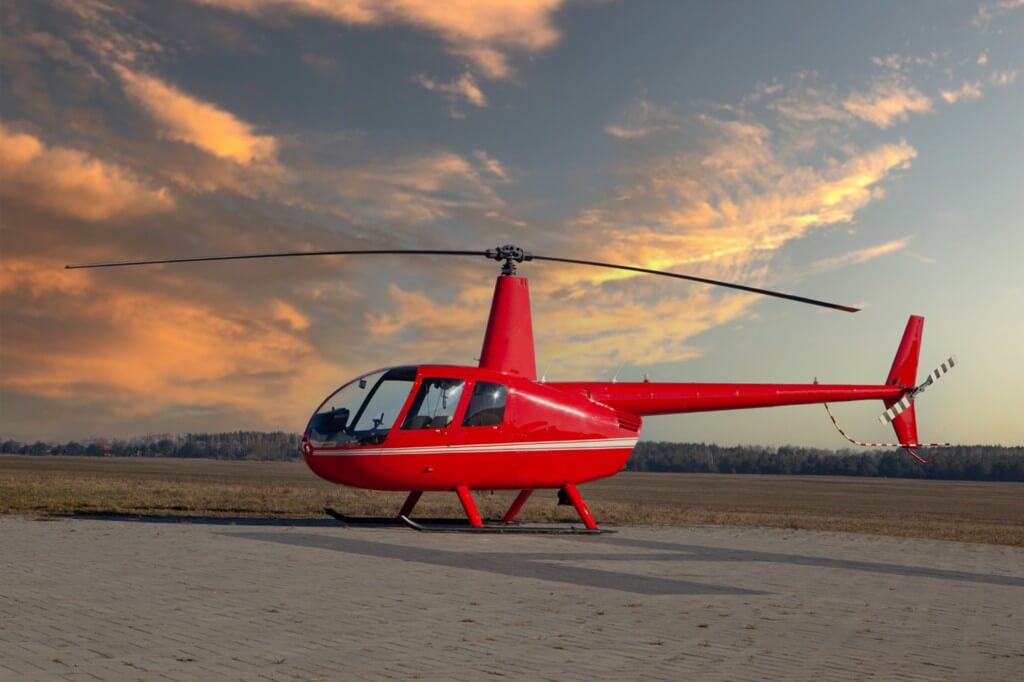
One of the most common questions helicopter owners ask is:
“My friend owns the same helicopter I do. Why is his insurance premium lower than mine?”
It’s a fair question.
After all, two Robinson owners may fly identical helicopters, operate from the same airport, and even have similar aircraft values.
Yet one owner may receive multiple competitive quotes while another pays significantly more.
The reason is simple.
Insurance companies do not insure helicopters.
They insure risk.
And every pilot, aircraft, and mission profile represents a different level of risk.
At BWI Aviation Insurance, we analyzed 38 helicopter insurance renewals during the first quarter of 2026 representing more than $277,352 in annual premium.
One trend appeared repeatedly.
The helicopter itself is often only a small part of the equation.
The pilot, the mission, and the operating environment frequently matter much more.
Understanding how insurance companies evaluate risk can help explain why some Robinson owners pay more than others—and what you can do to improve your own insurance profile.
The Helicopter Usually Isn’t The Biggest Factor
Many helicopter owners assume insurance companies begin by evaluating the aircraft.
They don’t.
Most underwriters begin by evaluating the pilot.
Insurance companies want to understand:
- Who is flying the helicopter?
- How much helicopter experience do they have?
- How often do they fly?
- What type of flying do they do?
- Have they had claims?
- What training have they completed?
Two identical R44s can receive dramatically different premiums because the pilots behind the controls are different.
Total Rotorcraft Time Matters
One of the first numbers insurance companies review is total helicopter time.
This is not the same thing as total flight time.
A pilot with:
- 5,000 airplane hours
- 100 helicopter hours
is generally evaluated differently than a pilot with:
- 1,500 rotorcraft hours
Insurance companies know that helicopter flying requires specialized skills.
Rotorcraft experience carries substantial weight during the underwriting process.
Time In Make And Model Matters Even More
After reviewing total rotorcraft time, many underwriters focus heavily on time in make and model.
This is especially important for Robinson owners.
Aircraft commonly reviewed include:
- R22
- R22 Alpha
- R22 Beta
- R22 Beta II
- R22 Mariner
- R44 Astro
- R44 Raven
- R44 Raven II
- R66
A pilot with:
- 500 hours in an R44
is often viewed differently than a pilot with:
- 5,000 total hours
- 10 hours in an R44
Aircraft-specific experience creates confidence.
And confidence creates carrier competition.
Get Your Robinson Helicopter Insurance Quote With BWI Today>>
Why R22 Owners Often See Different Pricing
The R22 occupies a unique position in aviation.
Many helicopter pilots receive their initial rotorcraft training in an R22.
As a result, the aircraft frequently attracts lower-time helicopter pilots.
Insurance companies know this.
When evaluating R22 risks, underwriters often pay close attention to:
- Total rotorcraft experience
- Recent flight activity
- Instructor sign-offs
- Training history
The pilot frequently matters more than the aircraft.
Why R44 Owners See A Wide Range Of Premiums
The R44 is one of the most versatile helicopters ever produced.
Owners use them for:
- Personal transportation
- Business transportation
- Photography
- Utility work
- Flight instruction
- Sightseeing operations
Because the aircraft supports so many different missions, premiums can vary substantially.
An R44 used privately 50 hours per year often receives different underwriting treatment than an R44 used commercially 500 hours per year.
The helicopter is the same.
The mission is not.
Why R66 Premiums Are Often Higher
The R66 introduces turbine power and substantially higher aircraft values.
Many R66 aircraft are insured for:
- $900,000
- $1.1 million
- $1.3 million
- $1.5 million+
As aircraft value increases, insurance company exposure increases.
That increased exposure often contributes to higher premiums.
However, the pilot remains the most important factor.
A highly experienced R66 operator may receive better underwriting outcomes than a lower-time pilot operating a less expensive helicopter.
Aircraft Usage Can Dramatically Affect Premiums
Few factors influence helicopter insurance pricing more than how the aircraft is used.
Insurance companies commonly ask:
- Personal use?
- Business use?
- Flight instruction?
- Sightseeing operations?
- Photography?
- Utility work?
- Agricultural work?
Each mission presents different risks.
A private helicopter owner generally represents a different underwriting profile than a commercial operator.
Insurance companies adjust premiums accordingly.
Commercial Operations Receive Additional Scrutiny
Commercial helicopter operations often involve:
- More flight hours
- More passengers
- More operational exposure
- More demanding missions
Insurance companies understand this.
As a result, commercial operators often face additional underwriting review.
This does not mean coverage is difficult to obtain.
It simply means underwriters require more information before making a decision.
Claims History Is One Of The Biggest Pricing Factors
Nothing consistently impacts premiums more than claims history.
Insurance companies review:
- Prior claims
- Loss frequency
- Loss severity
- Recent losses
Pilots with clean records often receive:
- Better pricing
- More carrier options
- Greater underwriting flexibility
Pilots with recent losses may face additional scrutiny regardless of which helicopter they operate.
Recent Flight Activity Matters
Insurance companies prefer active pilots.
A pilot who flew:
- 150 hours last year
is often viewed differently than a pilot who flew:
- 10 hours last year
Why?
Because proficiency is perishable.
Helicopter flying demands regular practice.
Insurance companies know that active pilots often maintain stronger skills than inactive pilots.
Training Can Lower Long-Term Insurance Costs
One of the easiest ways to improve an insurance profile is through training.
Insurance companies consistently reward:
- Recurrent training
- Factory training
- Flight reviews
- Safety courses
- Transition training
Pilots who actively invest in proficiency often receive stronger underwriting consideration.
Training creates confidence.
Confidence creates competition.
Competition frequently leads to better insurance outcomes.
Aircraft Value Matters
Many helicopter owners focus entirely on pilot experience.
However, hull value remains important.
Typical Robinson values often include:
R22:
- $125,000 to $350,000
R44:
- $350,000 to $750,000
R66:
- $900,000 to $1.5 million+
As values increase, premiums generally increase as well.
The insurance company is assuming greater financial exposure.
What The Lowest-Priced Robinson Risks Have In Common
After reviewing thousands of helicopter policies over the years, the strongest insurance risks often share similar characteristics.
They typically have:
- Significant rotorcraft time
- Time in make and model
- Recent flight activity
- Annual recurrent training
- Clean claims histories
- Stable operational histories
These factors consistently create stronger underwriting outcomes.
Why Today’s Market Is Better Than It Was A Few Years Ago
The good news is that helicopter owners are benefiting from improving market conditions.
Our Q1 2026 analysis showed a weighted average premium decrease of 7.1% across the helicopter segment.
That reflects increasing competition among aviation insurance carriers and a healthier insurance environment than many operators experienced during the hard-market years.
Why Robinson Owners Trust BWI
BWI Aviation Insurance has helped helicopter owners across the country secure coverage for their aircraft.
Whether you fly an R22, R44, or R66, our team understands the underwriting factors that influence pricing and carrier appetite.
We work with leading aviation insurance companies and help operators compare options based on their helicopter, experience level, and mission profile.
Final Thoughts
If you’ve ever wondered why another Robinson owner pays less for insurance, the answer is rarely the helicopter.
The answer is usually the overall risk profile.
Insurance companies evaluate:
- Rotorcraft experience
- Time in type
- Claims history
- Training
- Aircraft usage
- Recent flight activity
- Aircraft value
before determining premium.
The good news is that many of those factors are within your control.
By understanding how underwriters evaluate risk, you can strengthen your insurance profile, improve your insurability, and position yourself for better coverage and more competitive pricing for years to come.
bwifly.com / 800-666-4359
Continue Reading