
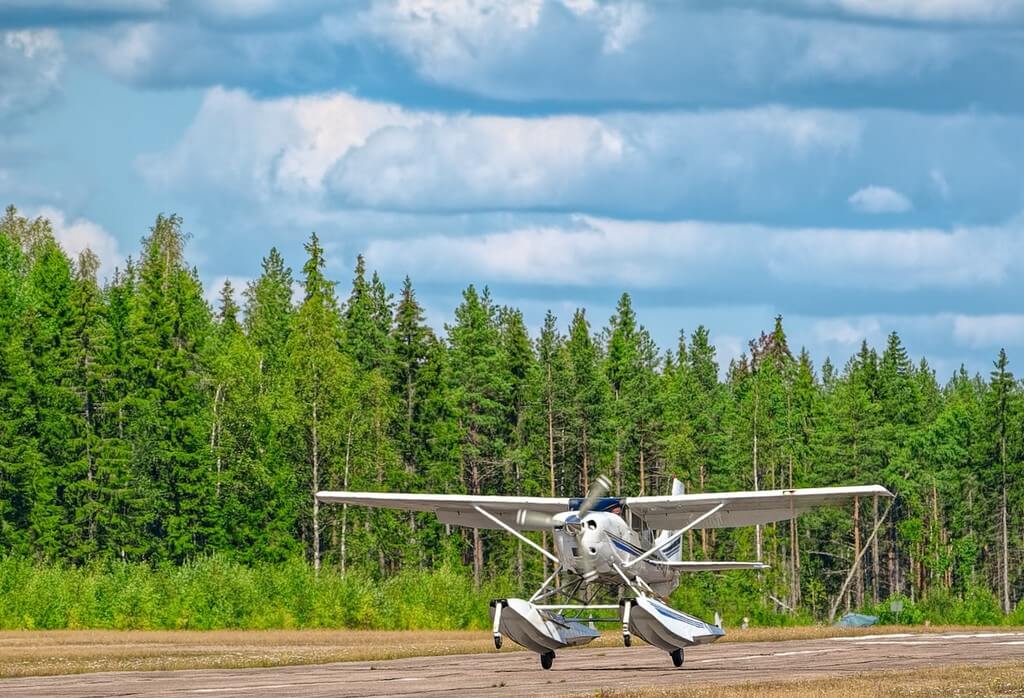
If you’re trying to decide between a Cessna 182 and a Cessna 206, insurance is probably one of the factors you’re considering.
It’s a question we hear all the time.
“How much more does a Cessna 206 cost to insure than a Cessna 182?”
The answer surprises many aircraft buyers.
In some cases, the difference is significant.
In other cases, it’s surprisingly small.
The reason is that insurance companies are not simply comparing airplanes.
They’re comparing risk.
At BWI Aviation Insurance, we’ve insured thousands of Cessna aircraft owners and analyzed hundreds of Cessna renewals representing more than $2.2 million in annual premium volume during the first quarter of 2026.
One thing becomes very clear.
The pilot often matters more than the aircraft.
However, there are several important differences between the Skylane and Stationair that every aircraft buyer should understand before making a purchase decision.
Why These Two Aircraft Are Frequently Compared
The Cessna 182 and Cessna 206 occupy a similar space in general aviation.
Both aircraft offer:
- Excellent reliability
- Strong useful loads
- High-wing visibility
- IFR capability
- Cross-country performance
- Broad aftermarket support
Many buyers find themselves choosing between the two.
However, the missions are often very different.
The Cessna 182 is typically viewed as a personal transportation aircraft.
The Cessna 206 is often viewed as a utility aircraft.
That distinction influences insurance underwriting.
The Cessna 182 Mission Profile
The Skylane is one of the most popular owner-flown aircraft in aviation.
Common missions include:
- Family travel
- Business transportation
- Weekend trips
- IFR flying
- Recreational flying
Most Cessna 182 owners operate from:
- Paved airports
- Municipal airports
- Regional airports
Insurance companies have decades of claims history involving these aircraft.
They understand the risk profile extremely well.
The Cessna 206 Mission Profile
The Stationair often serves a much broader range of missions.
Common uses include:
- Cargo hauling
- Hunting trips
- Fishing trips
- Backcountry operations
- Float operations
- Business transportation
- Commercial operations
- Alaska operations
Insurance companies recognize that many 206 owners operate in environments rarely encountered by typical Skylane owners.
As a result, underwriting tends to focus more heavily on mission profile.
Which Aircraft Is More Expensive To Insure?
Generally speaking, the Cessna 206 often costs more to insure than a comparable Cessna 182.
But not for the reasons many people assume.
Insurance companies are not necessarily charging more because they dislike the aircraft.
They’re often charging more because:
- Aircraft values may be higher
- Payload capabilities are greater
- Operational environments can be more demanding
- Commercial usage is more common
- Backcountry exposure is more common
The mission frequently drives the premium.
Aircraft Value Often Drives The Biggest Difference
One of the largest insurance cost drivers is hull value.
Consider a typical market.
A Cessna 182 may be insured for:
- $150,000
- $250,000
- $400,000
- $700,000
A Cessna 206 may be insured for:
- $250,000
- $400,000
- $600,000
- $900,000+
The insurance company’s exposure increases as aircraft value increases.
That increased exposure often explains a significant portion of the premium difference.
The Pilot Matters More Than The Airplane
Consider these two examples.
Pilot A owns a Cessna 206.
He has:
- 3,500 hours
- Instrument rating
- 1,000 hours in type
- Annual recurrent training
- Clean claims history
Pilot B owns a Cessna 182.
He has:
- 250 hours
- No instrument rating
- Minimal recent flight activity
- No recurrent training
Pilot A may actually receive a more favorable underwriting outcome despite operating the larger aircraft.
The pilot often matters more than the airplane.
Why Insurance Companies Like Skylanes
The Cessna 182 enjoys one of the strongest reputations in aviation.
Insurance companies appreciate:
- Predictable handling
- Extensive training resources
- Large owner base
- Strong safety history
- Stable operational profile
For qualified pilots, the Skylane is often viewed very favorably.
Why Insurance Companies Like Stationairs
Insurance companies also like Cessna 206s.
However, they often ask more questions.
Common underwriting concerns include:
- Alaska operations
- Float operations
- Backcountry flying
- Commercial usage
- Cargo hauling
The aircraft itself is not the concern.
The operational exposure is.
Alaska Operations Create Differences
Few aircraft are more closely associated with Alaska than the Cessna 206.
Insurance companies know that many Stationairs operate in:
- Remote villages
- Mountain terrain
- Gravel strips
- Float environments
As a result, Alaska operations often receive additional underwriting attention.
The Cessna 182 certainly operates in Alaska as well.
However, the 206 tends to dominate many utility and commercial missions throughout the state.
Float Operations Matter
Float operations are another major difference.
While both aircraft can operate on floats, the Cessna 206 is frequently used as a working floatplane.
Insurance companies often evaluate:
- Float experience
- Recent float time
- Operating environment
- Commercial exposure
Float operations naturally introduce additional underwriting considerations.
Instrument Ratings Matter For Both Aircraft
One factor remains consistent regardless of aircraft type.
Insurance companies love instrument ratings.
Both Skylane and Stationair owners benefit from:
- Additional training
- Better weather decision-making
- Improved proficiency
- Stronger underwriting profiles
An instrument rating remains one of the most valuable qualifications from an insurance perspective.
Get Your Cessna 206 Aircraft Insurance Quote With BWI Today>>
Claims History Remains Critical
Regardless of aircraft type, claims history remains one of the biggest underwriting factors.
Pilots with clean records often receive:
- More carrier options
- Better pricing
- Greater underwriting flexibility
Claims influence underwriting far more than many aircraft owners realize.
Which Aircraft Is Easier To Insure?
For qualified pilots, both aircraft are highly insurable.
The larger challenge is usually pilot qualifications rather than aircraft selection.
Insurance companies have extensive experience underwriting both aircraft types.
The strongest risks are generally pilots who combine:
- Experience
- Training
- Proficiency
- Clean claims histories
regardless of which aircraft they operate.
Which Aircraft Should You Buy?
Insurance should absolutely be part of the decision-making process.
However, it should not be the primary deciding factor.
Instead, focus on:
- Mission requirements
- Payload needs
- Operating environment
- Budget
- Long-term ownership goals
If a Skylane accomplishes your mission, it remains one of the best ownership values in aviation.
If you need the utility and flexibility of a Stationair, insurance alone is rarely a reason to avoid it.
The best aircraft is the one that supports your mission.
Why Thousands Of Cessna Owners Trust BWI
BWI Aviation Insurance has helped thousands of Cessna owners insure their aircraft.
Whether you fly a 182P, 182T, U206G, TU206G, T206H, or another variant, our team understands the underwriting factors that influence pricing and carrier appetite.
We work with leading aviation insurance companies and help aircraft owners compare options based on their aircraft, experience level, and operational profile.
Final Thoughts
The difference between Cessna 182 insurance and Cessna 206 insurance is often smaller than buyers expect.
While the Stationair frequently costs more to insure due to higher values and more demanding missions, the pilot remains the most important underwriting factor.
Experience, training, claims history, aircraft value, and operational profile ultimately drive insurance outcomes.
The good news is that both aircraft remain highly desirable risks in today’s aviation insurance market.
And for qualified pilots, both continue to enjoy strong carrier competition and favorable insurance opportunities.
bwifly.com / 800-666-4359
Continue Reading