

Mosquito control drone insurance should be reviewed against the service being purchased: finding habitat, delivering pesticide, documenting treatment or advising a public health program. These activities can involve different aircraft, materials, decision makers and contractual promises. A commercial drone policy or an agricultural spraying description does not, by itself, establish that a mosquito control assignment has been accepted.
For a private drone contractor, the practical starting point is a clear work order and the customer's actual insurance requirements. Give BWI the proposed aircraft, material, operating territory, personnel and contract before promising proof of insurance. This guide explains how to prepare that review while keeping public health decisions, aviation authority, pesticide requirements and policy terms separate. It does not prescribe treatment methods or promise that a particular operation can be insured.
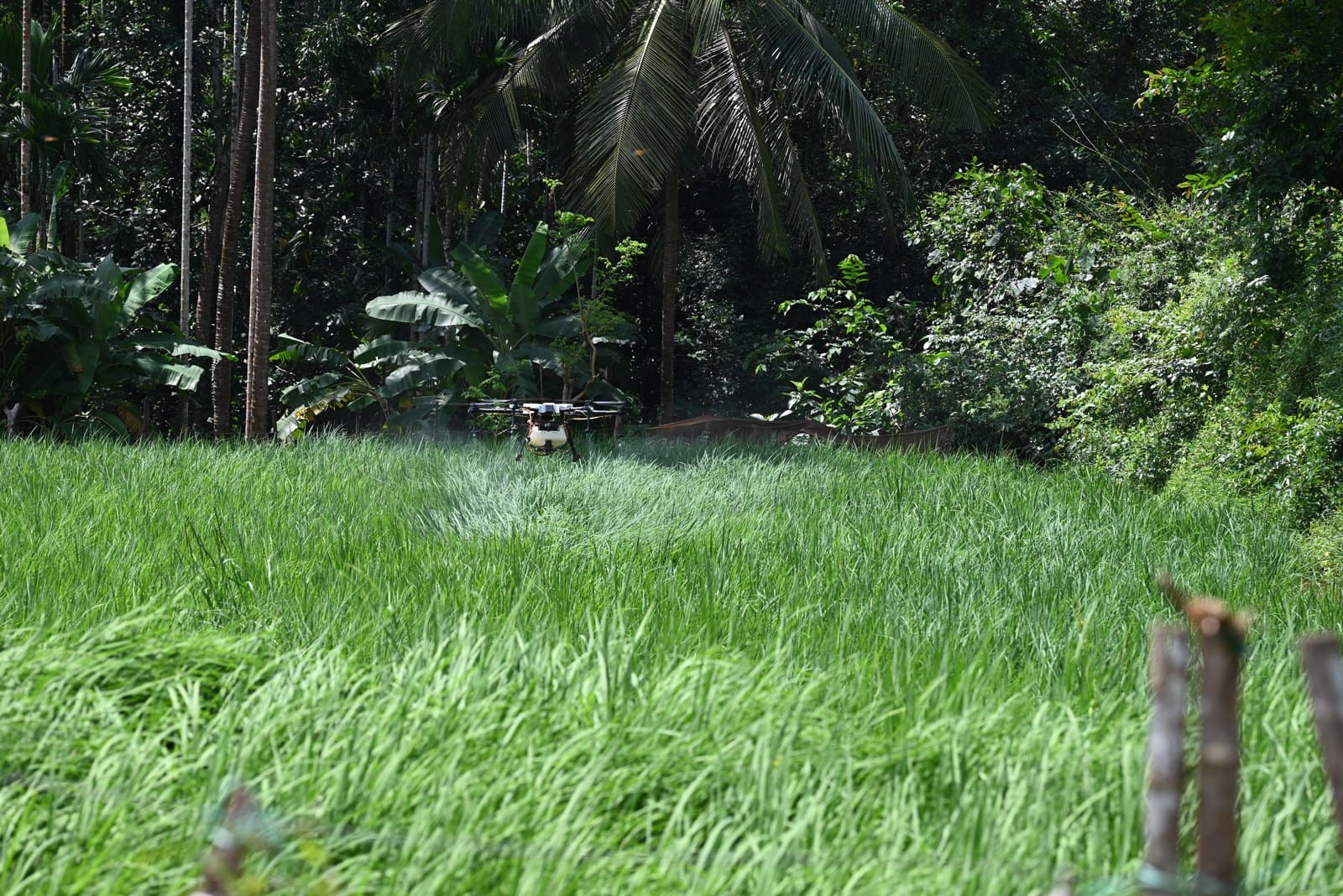
Define the mosquito control service before requesting a quote
Begin with the task the customer expects your business to perform. A drone may collect images of standing water, help document habitat or carry dispensing equipment. A contract might include both observation and application, but the submission should identify each activity. Calling every assignment mosquito spraying can misstate work that actually involves mapping or professional interpretation.
Explain the limits of the service. Do you locate potential habitat and send images to the customer's specialist, or decide which locations should receive treatment? Does the customer supply the material and plan, or do you choose them? State who approves changes in the field and who decides whether the result meets the program's objectives.
Use the actual contract to check the description. A proposal may describe flight services while another clause requires the contractor to deliver effective vector control. Those are different commitments. Resolve that discrepancy with the appropriate advisers before using the narrower description in an insurance application. The reviewer needs the responsibility the business is accepting, not just the equipment it will fly.
Distinguish habitat assessment from pesticide application
Public programs use drones for more than one purpose. Placer Mosquito and Vector Control District's published drone material, for example, describes aircraft used for habitat assessment separately from dispensing aircraft. That is evidence of different tasks within one program, not a model for the permissions or insurance of every contractor.
For assessment work, identify the images, maps and reports you will supply and who interprets them. A location record differs from an opinion about a mosquito population or disease risk. If a public agency makes the public health decision, state that accurately. If the contract assigns that decision to your business, disclose it instead of assuming the agency remains responsible.
For dispensing work, identify the aircraft configuration, materials and service scope requested for underwriting. Do not reuse an imaging-only description. Ask whether the proposed insurance addresses the actual application and which exclusions, limits and conditions matter. Neither the customer's approval of the plan nor a successful demonstration establishes insurance acceptance of the full contract.
Describe larval and adult mosquito work accurately
CDC's aerial spraying information distinguishes larvicides targeting mosquito larvae from adulticides targeting adult mosquitoes. The article discusses aerial control more broadly; it should not be treated as approval of a specific drone, product or contractor's operation. Use qualified public health and pesticide professionals to establish the actual treatment decision.
In the insurance submission, provide the products and uses requested rather than describing all materials as mosquito treatment. Explain whether the business will apply liquid or granular material and whether the same aircraft will perform multiple services. The reviewer may need to understand changes in equipment, product or operating circumstances even when the customer remains the same agency.
Do not describe a material as harmless, automatically insurable or free of environmental questions based on its intended purpose. Give the reviewer accurate product information and ask about the actual proposed terms. A public health objective does not eliminate the need to examine material restrictions, application liability and responsibilities outside the flight itself.
Identify the contracting chain and legal entities
A private operator may contract directly with a mosquito control district, work for an environmental services company or provide a subcontracted flight crew. Identify the customer, prime contractor, aircraft owner and operating company. Give the actual legal names and agreements where requested. A shared project name does not establish that every participant is insured under one policy.
Record who owns the dispensing equipment and material. An agency might supply product while the operator provides the aircraft, or a prime contractor might rent a complete system for the project. Ownership, custody and the responsibility to return property should be reviewed separately from the fee for performing the service.
Ask which entities should be included in the proposed insurance and how any customer requests are addressed. Do not assume that a subcontractor's certificate protects the prime contractor or that an agency's insurance extends to a private service provider. Read the actual arrangements and obtain the relevant advice before representing the contracting chain as fully protected.
Keep public agency authority separate from contractor authority
A public agency's operating framework may differ from the framework available to a private contractor. Do not assume a district's published authorizations, aircraft approvals or internal procedures transfer to your business simply because you work on its behalf. Establish the applicable aviation requirements for your operator, aircraft and activity with qualified advisers and the responsible authority.
FAA agricultural UAS dispensing guidance includes pest control within the activities it discusses and describes certification and exemption pathways. Use that current guidance and the permissions issued for the actual operation. This article does not determine which framework applies to a particular public or civil flight, nor whether a proposed mission is authorized.
For the insurance review, distinguish issued approvals from pending requests. Provide the documents and conditions the reviewer asks for, and explain who is responsible for compliance. An insurer's willingness to consider a submission does not authorize a flight. An agency's procurement award is also separate from both aviation authority and insurance acceptance.
Verify pesticide credentials and product requirements separately
EPA's applicator guidance explains that restricted use pesticide work is subject to certification requirements and that jurisdictions can impose stricter rules. Confirm the credentials and other requirements for the actual location, product and service with the responsible pesticide authority. Do not infer a nationwide rule from the requirements of one district or state.
Keep the customer's program requirements alongside the applicable regulatory requirements without treating them as identical. A contract may require experience, training or documentation beyond a credential. The insurance application may ask additional questions about the people and activity. Identify which requirement comes from which source so staff can obtain the right confirmation.
Qualified personnel should establish product suitability, label compliance, handling and treatment methods. The insurance file should accurately describe those decisions and the responsible parties. An insurance quote is not technical approval of a pesticide or a substitute for any required permission concerning a site, material or application. Update the submission when those facts materially change.
Review aircraft liability and application exposures individually
Ask how the proposed arrangement addresses bodily injury and property damage arising from the disclosed drone operation. Include the aircraft, pilots, territory and work description. A general commercial drone label does not establish that dispensing is included, that every participant qualifies as an insured or that a customer's contract requirements are met.
Then ask specifically about release of the material. Possible concerns might involve application outside the intended area, damage alleged by a landowner or a complaint concerning a nearby property. Describe factual scenarios and request the relevant exclusions and endorsements. Do not ask for or promise a guaranteed outcome on a hypothetical claim with unknown facts.
Separate public health performance allegations from physical damage questions. A customer might claim that a report was inaccurate, a treatment record was incomplete or an accepted result was not achieved. Ask whether those services and commitments need professional liability or other review. A flight liability limit should not be presented as universal protection for the program's success.
Consider ground handling transport and storage
Explain who receives, stores, transports, mixes and loads materials as relevant to the contract. A private contractor may control some stages while the district or supplier handles others. State the actual arrangement. A flight-only description can omit important responsibilities when the same crew also manages material at a temporary staging location.
Describe support equipment, vehicles and storage sites separately. A generator, trailer, service vehicle and chemical inventory are not interchangeable with the aircraft's insured value. Ask which interests can be considered under the proposed arrangement and which require other business insurance review. Do not imply that an aviation quotation automatically addresses every ground stage.
Include custody handoffs in the administrative plan. Retain the relevant delivery, rental or storage agreement and record when possession changes. The insurance reviewer should be able to understand who holds the equipment or material at each stage without reconstructing the arrangement from invoices. Technical handling procedures remain the responsibility of qualified personnel and applicable requirements.
Prepare a system inventory for the assignment
List each aircraft, identifying number, configuration, owner and requested value. Identify attached dispensing equipment or sensors and ask whether they are included with the aircraft or scheduled separately. Explain detachable equipment and borrowed components instead of assuming every item follows the drone under the same terms.
If the project uses different aircraft for assessment and application, make that visible. A camera drone and a dispensing platform may have different values, pilots and permitted services. The reviewer needs the actual fleet and operation rather than a single representative model selected because it appears familiar in an online application.
Record planned equipment changes and the date they are expected to occur. Ask how additions, substitutions or rentals are handled under the offered terms and what confirmation is needed. Do not promise that a replacement aircraft will be automatically acceptable because the original unit was insured. A clear reporting process supports both the submission and later document checks.
Explain pilots ground crews and subcontractors
Give the experience, training and qualification information requested for the people who will participate. Distinguish aircraft experience from mosquito control experience. A pilot may have substantial imaging experience while still learning the dispensing system, or a pesticide specialist may depend on another person to fly. Describe that division accurately.
Identify who employs or engages the ground crew and any temporary staff. Obtain appropriate advice about employment responsibilities and other business insurance needs. A drone liability proposal should not be described as complete protection for every worker or site activity. Avoid assuming that everyone present becomes an insured crew member under one arrangement.
For subcontracted work, explain whose procedures and equipment are used and who accepts the customer obligation. Ask what evidence must be collected and how subcontractor changes should be reported. A certificate can be part of that review, but it does not by itself resolve the hiring business's responsibility or establish coverage under another company's policy.
Read procurement insurance clauses before submitting a bid
Ask for the full insurance requirements with the solicitation or proposed contract. Public procurement documents may specify limits, endorsements, evidence, dates or notice requirements. Have BWI review the actual wording early enough to identify unresolved subjects. Do not assume a previous customer's certificate will satisfy a new agency's requirements.
Keep the commercial bid distinct from insurer acceptance. A business may choose to bid while some arrangements are still being evaluated, but it should accurately identify what remains conditional. Do not promise an endorsement, policy wording or certificate date that has not been confirmed by the appropriate authorized party.
Read indemnity, performance and payment provisions with the appropriate adviser. A contract may allocate liabilities that do not match the insurance offered. Ask which requested responsibilities can be addressed and which require negotiation or another business decision. The existence of a procurement deadline is not evidence that the requested protection is available on the required terms.
Make the insurance comparison useful to the project team
| Contract subject | Evidence to provide | Question for review |
|---|---|---|
| Habitat assessment | Deliverables interpretation duties and intended users | Which flight data and professional services are accepted |
| Application | Products configuration sites and responsible decision maker | Which material release terms and exclusions apply |
| Agency requirements | Complete insurance clauses and requested dates | Which requirements can the offered arrangement satisfy |
| Equipment | Aircraft payload and support property interests | Which values owners and custody stages are addressed |
| Personnel | Pilot roster employer and subcontracting roles | Which people and changes need review |
| Continuing obligations | Reporting retention and contract period | What duties continue after the final flight |
Use this comparison to assign a person to each open question. Record the relevant document and written response, not just a checkmark indicating that an email was sent. The project manager should be able to distinguish an insurance requirement requested by the customer from a condition accepted by an insurer.
Handle treatment records data and public communication deliberately
Agree on the records the customer expects and who may interpret or release them. A map showing a completed flight differs from evidence supporting an application record or a public health conclusion. Do not label a flight track as proof of an outcome the business has not established. Match the report to the service promised in the contract.
Describe outside processing platforms and any sensitive information the business will hold. Ask the appropriate advisers about contractual confidentiality, retention, access and security responsibilities. Drone liability insurance should not be assumed to address every data loss or inaccurate report allegation. Explain the actual concern rather than relying on a generic data services description.
Identify who communicates with residents, landowners and the media. The public agency may retain that role while the contractor supplies factual records, but the contract should establish the actual arrangement. Do not publish treatment assurances, safety claims or images identifying a site without the authority and expertise needed. Insurance does not validate public health messaging.
Use a changed work order to test the boundaries
Consider a fictional contractor hired to photograph potential mosquito habitat and deliver images to a district specialist. The customer later asks the same business to apply a supplied larvicide and provide a treatment report. This is a planning example, not a verified BWI customer, an approved treatment plan or a claim scenario with an assumed payment.
The operator should review the changed service before treating it as an extension of the original imaging job. The aircraft, material, pilot experience, authority, ground handling and contractual responsibilities may all differ. Give the insurance reviewer the revised facts and ask what arrangements and conditions apply. The agency's request does not itself amend a policy or grant operating permission.
Now suppose the customer also requests a guarantee that mosquito complaints will stop. That adds a performance commitment beyond collecting images or applying material according to an accepted scope. The business needs appropriate contract and technical advice and an accurate insurance discussion. A useful change process identifies the new promise before the owner agrees to it.
Preserve records and follow the correct reporting instructions
Keep the accepted contract, revised work orders, required activity records, communications and equipment documents together by assignment. Preserve originals when someone reports a concern. Separate observations, allegations and established findings so the file does not turn a customer's first report into an unsupported conclusion about cause or responsibility.
Follow the applicable policy instructions when notice is required. A customer report to the district or an ordinary renewal email may not be the correct insurance notice. Safety, emergency and regulatory responsibilities may also need action through different channels. Ask the responsible advisers or authorities about the actual circumstances rather than assuming one report satisfies every obligation.
Do not guarantee reimbursement, speak for the insurer or dispose of potentially relevant evidence without appropriate guidance. Ask what records are needed and how they should be transferred securely. A clear chronology helps the appropriate reviewers assess the matter; it does not establish that any alleged loss is covered or that the contractor is legally responsible.
Mosquito control drone insurance questions
Does agricultural drone insurance automatically include mosquito control
Do not assume that it does. Submit the exact service, products, aircraft, people and customer requirements for review. A farming description or an earlier spray quotation does not establish acceptance of a public health assignment. Ask for the relevant forms and confirmation of the accepted operation.
Can I rely on the public agency's operating permissions
Do not assume that an agency's authority transfers to a private contractor. Establish the applicable framework and permissions for the actual operator and mission with qualified advisers and the responsible authority. Keep that determination separate from procurement approval and insurance acceptance.
Is habitat mapping the same insurance submission as spraying
No. Explain each service and any interpretation or recommendation duties. Imaging and pesticide delivery can involve different aircraft, property and contractual commitments. If the customer changes the work, update the submission rather than relying on the original description.
Does the policy guarantee a mosquito control result
Do not represent it that way. Review the contract's performance commitments separately from the insurance wording. Ask how the proposed arrangement addresses specific allegations, without promising that it pays for every complaint, unsuccessful treatment or contractual refund.
Prepare a mosquito control insurance review with BWI
Send the work description, customer insurance clauses, aircraft schedule and personnel information, along with the product and operating details requested for review. Explain whether the assignment involves assessment, application, reports or a combination. Identify pending permissions and proposed changes accurately so the review reflects the service you intend to deliver.
Read BWI's drone insurance guide for the broader aircraft and equipment discussion, then use the current BWI drone insurance application to request review of the actual mosquito control operation. BWI currently requires a Part 107 certificate for drone quote requests; contact the team if eligibility needs clarification. The current application is a starting point for an inquiry. Coverage, availability, pricing and effective dates require review and the appropriate written confirmation.
Continue Reading


