

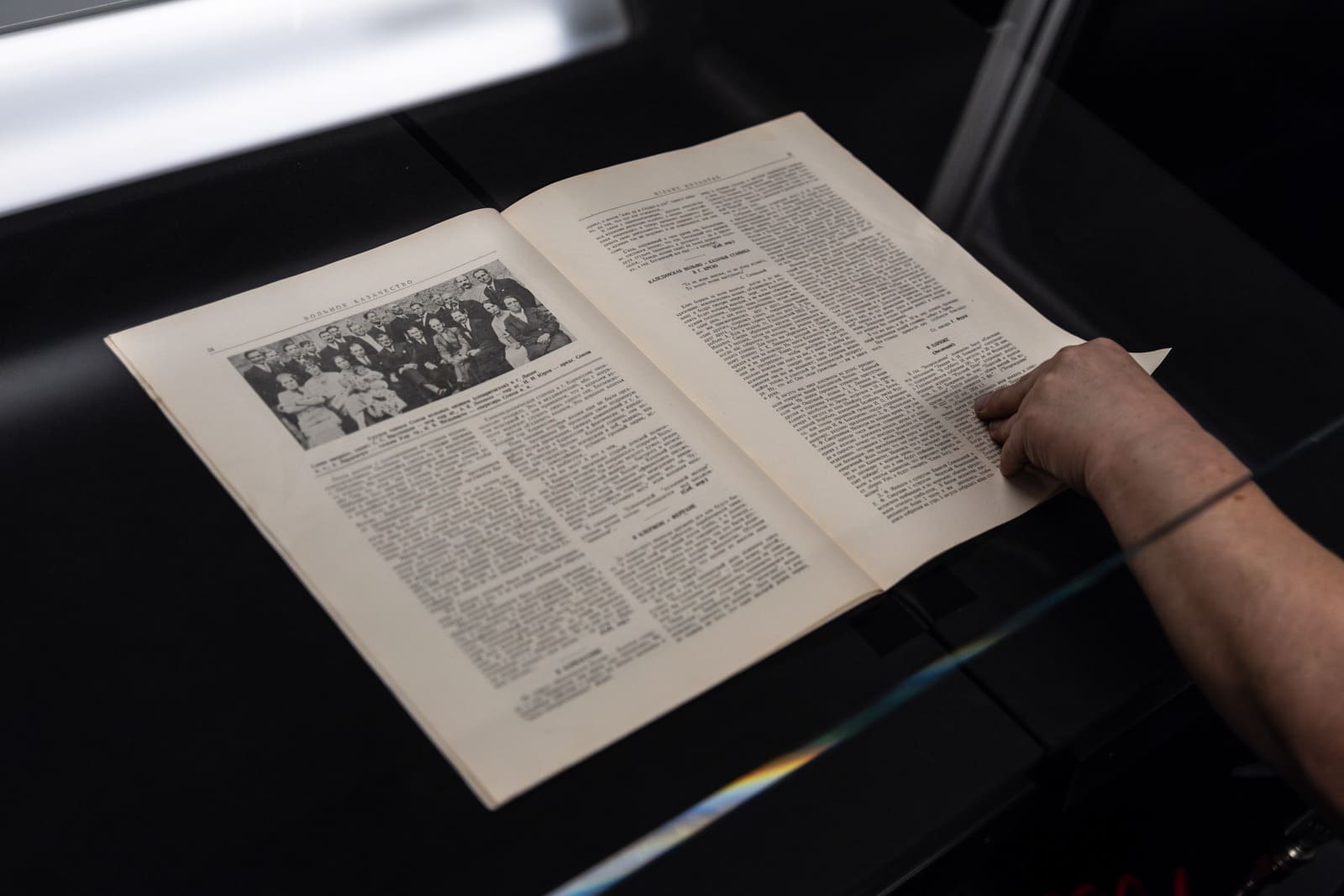
An aircraft records digitization business should review insurance for both the original documents it handles and the digital service it delivers. Scanning a logbook, indexing records, interpreting an entry and hosting files for customers are different responsibilities. A submission describing only office administration can leave important aviation and information-service activities unexplained.
Begin with the service boundary. Does your company produce image copies, create a searchable index, migrate an existing database or provide a technical records assessment? Explain what customers pay you to do and what remains with the aircraft owner, operator or qualified maintenance professional. The distinction should be visible in the contract and the insurance application.
This guide helps document service providers organize an insurance review. It does not authorize destruction of original aircraft records, determine regulatory acceptance of an electronic system or certify maintenance history. Start with BWI's aviation professional liability information and bring the actual document custody, deliverables, hosting arrangements and customer obligations into the discussion.
Define the Deliverable Before Selecting a Policy
Describe each service in plain language. Image capture preserves the appearance of a page, while transcription produces text and indexing adds searchable references. A customer may expect all three, but they should not be treated as the same task without an agreed scope and an accurate account of the work performed.
Identify whether the business makes technical judgments. Determining which document belongs to an aircraft component, interpreting an ambiguous maintenance entry or advising whether records establish a condition can extend beyond administrative copying. Explain any such service and the qualifications of the people performing it rather than hiding it within a scanning fee.
State whether the customer retains the source material and approves the output. Describe acceptance and correction arrangements without treating them as proof that the business cannot face a later allegation. A signature acknowledging delivery and a conclusion that every page is complete or technically correct can be different commitments.
Include occasional services and proposed expansions. A company that begins with scanning may later offer continuing hosting or transaction support. Those changes can affect custody, information access and professional responsibilities even if the same scanner and office remain in use.
Map the Original Records From Receipt to Return
Identify who owns the physical documents, who sends them and who may authorize their release. A management company may deliver records belonging to another entity. The person carrying a box into the office should not automatically be assumed to have authority to approve every use, transfer or disposal decision.
Describe the intake record your business actually maintains. Identify collections, volumes, visible condition and exceptions at an appropriate level for the assignment. If the company cannot verify the historical completeness of the records, say so rather than converting an intake count into a certification of the aircraft's entire history.
Ask how proposed insurance addresses customer documents in your custody. Physical damage to originals and the cost or feasibility of reconstructing information can raise different questions from damage to ordinary office supplies. Explain why the documents matter and ask what values, records and limits the underwriter needs.
Include storage outside the main office and transport in both directions. A courier, temporary scanning site or employee's vehicle can become part of the custody chain. Describe those actual stages instead of assuming a premises address or general business property limit follows the documents everywhere.
Keep Electronic Record Acceptance Separate From Scanning
FAA's active AC 120-78B provides guidance for electronic signatures, recordkeeping and manuals involving records required under Title 14 in digital or electronic form. Its landing page describes an acceptable means, rather than the only means, for certificate holders. This is a regulatory context source, not approval of a scanning contractor or particular customer system. [1]
Qualified aviation and legal personnel should determine which requirements apply to the customer's records and proposed process. A readable image does not by itself settle questions about acceptance, signatures, retention or the ability to discard originals. An insurer's quotation does not decide those matters either.
For the insurance submission, explain the actual promises made. Supplying image files differs from guaranteeing that a customer's entire electronic recordkeeping program meets its obligations. If a contract uses broader language than your service description, resolve the difference before relying on the policy proposed for the narrower work.
Avoid promising that digitization cures gaps in historical records. Missing pages, unclear entries and uncertain links to a component should remain identified as such. The company's service can document the material supplied without presenting an assumption about completeness or technical validity as an established fact.
Separate Missing Images From Professional Interpretation
An omitted page, a wrongly indexed serial number and an incorrect technical recommendation involve different allegations. Describe which services your business performs and ask how the proposed professional liability wording defines them. Do not assume a policy accepting administrative work also accepts an aviation assessment service.
BWI's current professional liability information emphasizes specified services and review of the actual wording. For a records business, that supports asking how capture, transcription, indexing and interpretation are treated. It does not establish that every technology or aviation records service is eligible under one arrangement. [2]
Ask separately about the cost of repeating your own work and a customer's alleged financial loss. Rescanning pages, refunding a project fee, delaying a transaction and defending a demand may have different treatment under the actual terms. A quoted limit is not a promise to reimburse every consequence alleged by a customer.
Explain the people who verify the work and what their review covers. A quality check of image readability should not be described as a maintenance records audit unless that is the actual qualified service. The application and customer-facing description should identify the same responsibilities.
Describe Searchable Text and Automated Tools Accurately
If the company uses optical character recognition, automated classification or another processing tool, identify its role in the service. Explain whether a customer receives image copies, machine-produced text, reviewed transcription or a combination. The deliverable should not be represented as fully verified merely because the file can be searched.
Ask how the proposed wording addresses errors in the digital service and any technology-related limitations. A mislabeled file and an unavailable hosting platform may involve different causes and provisions. Describe the event the business wants considered rather than asking whether all data problems are covered.
Identify who may approve a correction and how versions are distinguished. Preserve the source and documented change history through the appropriate process. A corrected index should not erase the information needed to understand what was originally delivered or why a customer raised a concern.
Where tools or processing providers receive customer material, disclose that relationship accurately. Do not promise that records remain entirely within your company if an outside service handles them. The contractual and insurance review should use the actual information flow, including any restrictions the customer places on outside access.
Review Hosting and Ongoing Access as Additional Services
A completed scanning project can end with delivery of files, or it can begin a continuing hosting relationship. Explain which your business offers. Identify who maintains the platform, who controls accounts, what access the customer receives and what happens when the subscription or service agreement ends.
Ask separately about the company's own restoration expenses, customer allegations and business interruption. A professional liability policy and a cyber policy should not be treated as interchangeable. The actual definitions, event triggers, exclusions and conditions determine which questions each proposal addresses.
Provide material service commitments for review. Promises concerning availability, restoration, access during an aircraft sale or emergency retrieval can have commercial significance. Have counsel assess the obligation and ask the insurance contact what terms support it rather than assuming every service guarantee is insurable.
Describe the actual backup and recovery arrangements without overstating them. A planned backup, a stored copy and a demonstrated ability to restore access are different facts. Qualified technology staff should verify application answers and identify known limitations before the company signs the submission.
Read Confidentiality and Ownership Terms Carefully
Identify the categories of information held without sending sensitive records in an initial quote request. Aircraft records may include names, business information and other material subject to customer restrictions. Explain who can access the files and which outside parties receive them under the service arrangement.
Have counsel review ownership, confidentiality, permitted use and release provisions. A customer may authorize scanning but restrict sharing with prospective buyers or other service providers. Do not infer permission to distribute records merely because the business stores them or receives a request from someone connected with the aircraft.
Ask how the insurance program addresses allegations involving disclosure or misuse of information. Distinguish those questions from the accuracy of indexing or technical advice. A single customer complaint can mention both without making them one identical insured event.
If a contract requests additional insured status or other evidence, send the exact wording for review. A certificate should reflect supported policy information. It should not be used to promise broader data or professional protection than the actual documents provide.
Include Couriers Temporary Staff and Outside Processing
Map the businesses and people handling originals or digital files. Identify collection couriers, temporary scanning staff, subcontract indexing providers and hosting services. State who engages them and what responsibilities your company retains to the customer. Outsourcing a task does not automatically eliminate allegations about your own service.
Ask how proposed insurance treats subcontracted work and customer property outside your direct possession. Review the provider agreement and insurance evidence separately. A courier's declared value arrangement or liability terms should not be treated as identical to direct protection for the customer's original records.
Explain remote work and temporary sites where they form part of the business. A project performed at a customer's hangar can create different premises and access questions from office scanning. Describe whether staff handle other property, enter aircraft or perform activities beyond collecting and copying records.
Keep the actual provider identity with the project file. If a replacement processing company or courier is introduced, record the change and review material new responsibilities. An old certificate or vendor description should not stand for a company that no longer performs the task.
Consider Project Size and Irreplaceable Material
A project's fee may be small compared with the consequences alleged if originals are lost or output is incomplete. Describe the largest collections handled and the number of customer projects held simultaneously. Annual revenue alone does not explain the concentration of documents in one office or vehicle.
Ask what valuation basis and limitations apply to original documents, information reconstruction and related expenses under the offered terms. Do not invent a replacement value for records whose practical significance depends on their contents and history. Give supported information and ask how uncertainty should be presented.
Identify dependencies within the business. A scanner failure, loss of the office or interruption at a hosting provider can affect work differently. Ask which property, equipment, interruption and technology provisions address the specific concerns instead of treating every missed deadline as the same insured loss.
For financial-loss allegations, review the defined services, relevant limits, deductibles or retentions and defense treatment. Compare proposals using the same work description. A lower premium may reflect different activities or restrictions, and a larger headline limit does not make those differences disappear.
Preserve Earlier Projects When the Business Changes
When changing insurers, closing a service line or transferring the business, ask about earlier projects and the actual policy trigger. If a proposal uses a claims-made structure, review relevant dates and reporting conditions. Do not assume a new policy accepts all past digitization work or that ending a subscription ends every later allegation.
Explain changes in legal entities, ownership and services accurately. A purchaser acquiring scanners and a trading name may have a different arrangement from a purchaser acquiring the operating company and customer contracts. Give counsel and insurance professionals the actual transaction facts for their respective reviews.
Retain issued policy documents and relevant project records through the appropriate business and legal process. Staff may need to explain an older deliverable after a platform migration or personnel change. A retrievable contract, intake record and delivery history can support a factual review without guaranteeing a particular outcome.
Use a Fictional Conversion Project to Test the Questions
Consider a hypothetical company hired to scan several aircraft record volumes, create a searchable index and return the originals. The customer later asks the company to host the files for an aircraft transaction. A reviewer reports that one component identifier points to the wrong page. This is an illustration, not a BWI customer or claim result.
The factual review would identify the supplied documents, agreed deliverable, index versions and later hosting scope. It would distinguish a copying or indexing allegation from any technical conclusion made by another person. The existence of a searchable file would not by itself settle whether the original assignment was completed correctly.
Use the example before buying insurance to ask which terms address originals in custody, indexing services, hosting and customer financial allegations. Identify unresolved questions and the records needed for each. The purpose is a clear account of the operation, not a prediction that every correction or delayed transaction is covered.
Prepare a Records Digitization Insurance Submission
Present an understandable workflow from collection through return or continuing access. Identify the services already performed and the proposed changes. Include representative contracts and explain what the customer is expected to verify or approve without overstating the effect of that acceptance.
- Legal entities, locations, aviation and other customer categories, and activity figures.
- Image capture, transcription, indexing, interpretation and hosting services supplied.
- Physical record custody, transport, storage and maximum project concentrations.
- Processing tools, outside providers, platform responsibilities and access arrangements.
- Customer contracts, confidentiality promises and requests for insurance evidence.
- Current policies, earlier work, available loss information and effective dates.
Compare actual proposals by insured entities, defined services, customer property interests, relevant dates, territory, limits and material exclusions. Review retentions, defense treatment and notice procedures. Confirm issued terms and any outstanding conditions before describing a new service as accepted insurance protection.
Questions From Aircraft Document Service Providers
Does scanning make it safe to discard original records
This guide does not establish that authority. Qualified aviation and legal personnel should determine the applicable requirements and customer permissions. A completed scan, customer payment or insurance quotation should not be presented as approval to destroy originals.
Is an indexing error automatically a cyber claim
No classification should be assumed from the fact that a file is electronic. An error in a professional deliverable and a security or system failure can raise different questions. Describe the actual allegation and review the relevant wording and reporting requirements.
Does the customer aircraft policy replace our business insurance
Do not assume it protects your company against every document or service allegation. Review your own custody, professional and technology interests alongside the actual customer arrangements. An aircraft policy label does not establish the document provider's insured status or accepted activities.
Request an Aviation Records Business Insurance Review
Request a commercial aviation insurance review from BWI with your digitization services, original record custody, processing tools and hosting arrangements. Include representative customer contracts and explain technical interpretation or advisory work separately. BWI can review the aviation submission and identify questions requiring the responsible technology, property or other specialist insurance contact. Available terms depend on the actual operation and underwriting.
Sources
Continue Reading


