

Drone aerial ignition is a materially different insurance proposal from photographing a burn. The aircraft may participate in starting fire as part of a professionally managed prescribed-burn project. Tell the insurance reviewer that purpose directly, including the actual role your company accepts. A policy described as commercial drone insurance should not be presented as acceptance of every fire-related activity merely because the same aircraft can also carry a camera.
The useful starting point is the project responsibility map. Identify the land manager, organization directing the prescribed burn, drone operator, equipment owner and contracting parties. Then explain the protection each business wants reviewed. Aircraft damage, liability involving ignition work, employee injury, contractual promises and allegations involving fire or smoke should remain distinct questions until the actual terms are explained.
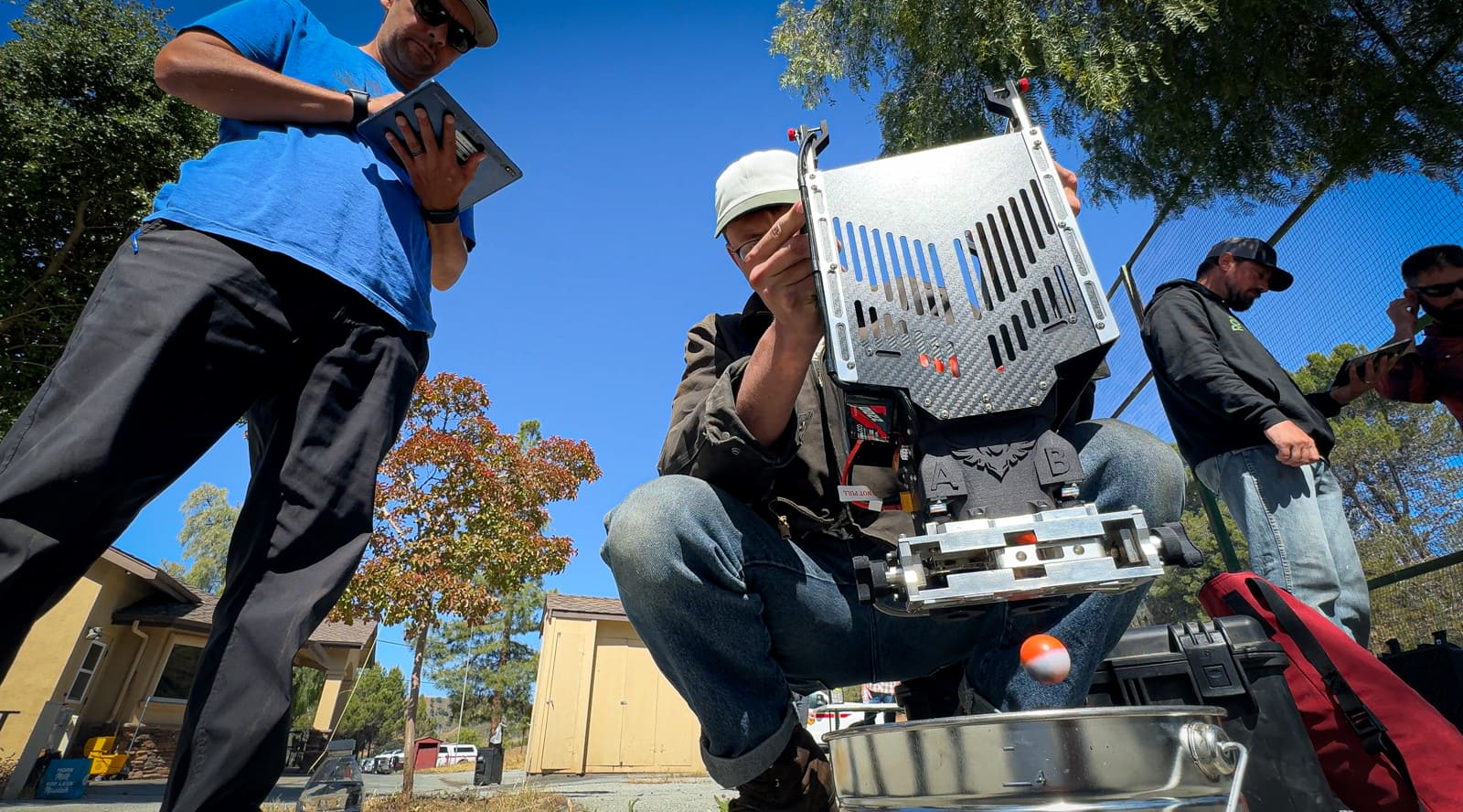
This guide concerns insurance preparation, not planning or conducting a burn. It provides no ignition method, equipment preparation, flight instruction or fire-control advice. Qualified fire-management, aviation and legal professionals must establish the actual project and applicable authority. BWI's drone insurance guide offers operating-policy context, while a specialist commercial inquiry should establish whether the disclosed aerial-ignition interest can be considered at all.
Name Aerial Ignition in the Business Description
Describe whether the company supplies ignition flights, imagery, monitoring, equipment or several defined services. Do not reduce an ignition assignment to aerial photography on the application. Conversely, an operator hired only to collect images should not be described as directing or performing ignition unless that is its actual role. The submitted facts must match the contract and the work proposed.
The Interagency UAS Program's ordering page distinguishes agency aerial-ignition resources from situational-awareness and mapping resources. That current federal program example supports describing capabilities separately; it does not establish eligibility for a private contract or determine insurance terms. Use the actual project's accepted scope and parties rather than copying an agency resource label as if it were a coverage endorsement.
Separate a Planned Burn From an Incident Assignment
Explain the proposed setting and service accurately, including whether the inquiry concerns a scheduled prescribed-burn project or another fire-management assignment. Identify what is established, what remains proposed and who can authorize a material change. Do not treat a customer relationship as permission to accept every later fire-related task under an earlier limited insurance description.
If the project changes, give the revised facts to the relevant advisers before relying on the earlier response. A different location, changed service, substituted aircraft or request involving another organization's incident can alter the proposal. This guide does not decide whether the changed activity is authorized or insurable. It helps keep the insurance file connected to the real project rather than an outdated seasonal summary.
Identify the Organization Directing the Burn
Record the legal organization directing the prescribed burn and its relationship with the landowner, client and drone business. Explain who contracts for the aerial service and who supplies the accepted project requirements. An individual coordinating a field date may not be the legal party named in the agreement. Obtain the relevant facts through the proper project channels before requesting insurance evidence.
Describe your own role without assuming that another party's leadership transfers every allegation away. A contractor can have responsibilities under its own agreement even when it does not direct the entire burn. Give appropriate counsel the allocation of duties and give the insurance contact the resulting factual account. A land manager's or prime contractor's certificate is not a substitute for reviewing your company's interests.
Keep Agency Standards and Private Insurance Acceptance Separate
The Forest Service Standards for UAS Operations includes a dedicated aerial-ignition appendix and addresses specialized training and certification within its program. Those agency materials should not be converted into a universal private-operator checklist. Have qualified advisers identify the framework that actually applies, and accurately describe completed qualifications and pending decisions when information is requested for insurance.
An agency designation, technical acceptance or contractual approval does not itself bind an insurer. Likewise, an insurance quotation does not authorize a burn or a flight. Keep each confirmation attributable to the party issuing it and record outstanding conditions plainly. Do not describe a planned qualification or pending approval as complete simply to satisfy a customer's preferred project date.
Ask About Fire and Smoke Allegations Explicitly
Describe the loss concerns the business wants considered, including allegations involving fire spreading beyond the intended project area, smoke affecting another interest or damage to property. These are questions for actual policy review, not a statement that any event is covered. The relevant facts, causes, legal responsibility and operative terms would need examination if a demand arose.
Ask the insurance professional to explain any relevant exclusions, restrictions and conditions, including how the offered terms address the disclosed ignition work. Do not infer an answer from a large liability limit or a generic reference to property damage. Keep unresolved subjects visible. If the interest cannot be considered as proposed, the business needs that information before it promises a client a supported insurance arrangement.
Separate Project Costs From Third Party Liability
A project can generate several financially different requests: damage alleged by another party, a demand for suppression-related costs, contractual reimbursement or expenses incurred to complete an interrupted assignment. Identify the actual concern and provide relevant contract language. Do not group every potential cost into an assumed fire claim or tell the client that any amount below a policy limit will automatically be paid.
Have counsel explain obligations the business would accept and ask the insurance contact how the offered wording relates to them. A contract can impose a payment obligation without creating a policy benefit. Keep the client's requested allocation, the available insurance response and the company's retained responsibilities separate in the decision record. Increasing a limit does not by itself resolve a restriction on the underlying activity or expense.
Prepare an Aerial Ignition Insurance Review Record
Assemble a concise account of the actual proposal, with the relevant agreements and equipment information identified. Use secure and appropriate channels for detailed project material. The purpose is an accurate insurance submission, not distribution of operational plans beyond the people who need them. Identify who will answer unresolved questions and distinguish an application from the final accepted arrangement.
| Review subject | Information to establish | Question to resolve |
|---|---|---|
| Service | Ignition imagery or other accepted work | Which actual activities are being considered |
| Parties | Client land manager directing organization operator | Whose interests and obligations need review |
| Equipment | Aircraft ignition payload ownership values | What property and use are described |
| Liability concerns | Actual requested fire smoke and other interests | Which offered terms address the concern |
| Contract | Duties evidence and reimbursement provisions | What requests remain unsupported or pending |
| Changes | Revised service location equipment or personnel | What must return for review before reliance |
Describe the Aircraft and Ignition Payload as Property
List the aircraft, ignition equipment, sensors and other property interests in the detail requested for review. Identify ownership and supported values rather than assuming an aircraft description includes every detachable item. If the equipment belongs to an agency, another contractor or a rental business, explain the agreement and the custody period. A liability certificate does not establish physical-damage protection for that property.
Ask how the actual property definitions, schedules, limits, deductibles and settlement terms address the disclosed items. Keep a substitution visible if the supplier changes the aircraft or payload before the project. Similar functionality or the same rental fee does not establish the same insured property description. Qualified equipment professionals must separately assess suitability and condition; an insurance response is not technical validation.
Include Ground Custody Transport and Storage
Explain the business's actual equipment custody before and after flight, including relevant transport and storage arrangements. The insurance period requested for a project should reflect the facts submitted, not just the expected time airborne. Give the complete relevant agreement where requested so the reviewer can distinguish ownership, possession and contractual responsibility without deciding those questions from a short invoice.
Discuss separately any business property, vehicle or premises interests requiring another adviser. A drone policy should not be represented as the complete insurance arrangement for every item or activity supporting a fire-management business. This guide supplies no handling or storage instructions. Those requirements belong with qualified professionals and the applicable equipment and project authorities; the submission should accurately describe the arrangement they establish.
Identify Employees Contractors and Agency Personnel
Explain the relevant employment and contracting relationships rather than grouping everyone under crew. Identify which business supplies pilots, equipment personnel or other services and whose responsibilities your company accepts. A shared project objective does not make every participant an employee or insured party under the same policy. Give the actual relationships for appropriate review instead of relying on informal field titles.
Employee injury, employer obligations and other personnel interests need their own insurance assessment. Do not assume aircraft liability replaces workers' compensation or every other arrangement relevant to the people involved. Appropriate advisers should establish the applicable requirements and classification. If the staffing model changes, return material facts for review rather than assuming that accepting one operator also accepts every substituted person or business.
Review the Full Client Requirement Before Supplying Evidence
Obtain the complete insurance provisions, incorporated attachments, legal names and requested dates. Identify additional-insured requests or other proposed changes by their actual wording. A customer asking for a certificate may also be asking for a contractual obligation that the certificate cannot establish. Provide the real requirement before promising that the business can meet every term.
Insurance evidence should reflect the supported response. A description of aerial ignition on a certificate does not independently create acceptance of that service, remove a restriction or enlarge the policy. Ask what issued documents establish any accepted change and retain them with the relevant agreement. Keep pending requests clearly marked so the project team does not treat an unanswered inquiry as confirmation.
Keep Monitoring and Professional Advice Visible
An aerial-ignition contract may separately request imagery, mapping, observations or another deliverable. Identify whether your company supplies data under another professional's instructions or accepts responsibility for an interpretation or recommendation. Do not assume a flight-related offer addresses every professional service included in the same invoice. A statement about a project's result can create a different question from the operation itself.
If another organization supplies analysis, describe its agreement and your own remaining commitments. Ask the relevant insurance advisers whether the actual professional interest can be considered and what separate terms would need review. No particular placement is promised here. Keeping the work visible is more useful than describing every related service as automatically included with an insured aircraft.
Compare Proposals Using the Same Fire Related Scope
Use consistent activities, entities, equipment, locations, personnel arrangements and contracts when comparing any available offers. Record important restrictions and outstanding conditions beside the premium. A response based on imaging alone should not be ranked as a cheaper equivalent to one that considered disclosed aerial ignition without explaining the material difference in what was submitted.
Ask about relevant limits, deductibles or retentions, defense terms and reporting conditions in the actual proposal. This guide gives no standard premium or universally sufficient limit for ignition work. The useful comparison shows what has been considered, what the terms say and which interests remain unresolved. Confirm what must occur before binding rather than representing a preliminary indication as active protection.
Describe Multiple Properties and Seasonal Agreements Clearly
If a seasonal agreement covers several properties, identify the actual structure instead of presenting the whole program as a single flight. Explain whether sites are already selected, whether individual work orders define each assignment and how a new client or land manager enters the contract. Give the insurance reviewer the requested geographic and activity information without claiming that a broad territory description automatically accepts every future project.
Keep work orders connected to the underlying agreement and relevant insurance response. A customer may use the same service name while changing the legal parties, equipment interest or obligations for an individual property. Ask which differences require further information or acceptance and assign responsibility for supplying it. The purpose is a current account of the seasonal business, not a promise that an annual policy eliminates project-level questions.
Address Dates Cancellations and Follow Up Work
A prescribed-burn project can have proposed dates that later change. Tell the insurance contact the actual revised arrangement and ask what the offered or issued terms require. Do not assume that a date change automatically extends a project period or preserves every quoted condition. Keep the accepted response with the schedule used by the person responsible for insurance coordination.
If the contract includes later monitoring, another visit or additional work, describe that commitment separately. A successful initial assignment does not establish acceptance of every follow-up service. Ask how relevant policy periods and reporting requirements relate to the actual business undertaking. No universal cancellation refund, extension right or reporting period should be inferred from this preparation guide.
Test the Submission With a Fictional Service Change
Imagine a fictional drone business initially asked to provide imagery for a land-management organization. The customer later asks it to supply aerial ignition as part of a prescribed-burn project and adds equipment owned by another party. The invoice may still be called drone support, but the service and property interests have changed. This is an insurance-submission example, not a BWI customer story or an operating recommendation.
The business identifies the directing organization, revised contract, equipment custody, actual qualifications and requested protection. Appropriate project professionals establish the operating framework, while counsel and insurance advisers examine their respective questions. The earlier imaging certificate is not presented as approval of ignition. The outcome may include an accepted revised arrangement or unresolved interests; neither permission nor insurance availability is presumed.
Preserve Facts If an Incident or Demand Occurs
Emergency and project reporting should follow the established directions of the responsible authorities and professionals. Separately, follow the actual insurance notice requirements and seek guidance from the proper contact. Do not delay a required notification while attempting to create a perfect insurance package. Preserve the actual communication, dates, agreements and relevant records through the appropriate process.
Keep observations distinct from conclusions about ignition source, cause, legal responsibility or coverage. Qualified investigators and the responsible advisers must assess those subjects. Do not promise reimbursement or negotiate a settlement on the assumption that an insurer will pay. Preserve original records and identify later corrections honestly rather than changing the historical project description to fit a preferred explanation.
Drone Aerial Ignition Insurance Questions
Is photographing a prescribed burn equivalent to performing aerial ignition
No equivalence should be assumed. Describe the actual service, equipment and responsibilities. An insurance response prepared for imagery should not be presented as acceptance of ignition work without the relevant review and confirmation.
Does an agency qualification establish insurance acceptance
The qualification and policy serve different purposes. Provide accurate completed credentials when requested and obtain the actual insurance response separately. Neither a quote nor a certificate grants operating authority.
Does a large liability limit answer every fire related demand
No. The activity accepted, insuring agreement, exclusions, conditions and actual allegation matter. Ask about each requested interest rather than treating the limit as a general fund for all project costs.
Should rented ignition equipment be identified separately
Describe the equipment, owner, requested value and actual custody arrangement. Liability evidence alone does not establish physical-damage protection or resolve every rental obligation. Review the real agreement and property terms.
Bring the Defined Ignition Proposal to BWI
Prepare the service description, legal parties, directing organization, relevant equipment and custody, staffing relationships and complete client requirements. State what is established and what remains proposed. Identify the actual fire-related and professional-service interests you want considered instead of asking for an unexplained comprehensive drone package.
Request a commercial insurance review from BWI and ask whether the disclosed aerial-ignition proposal can be considered. Use BWI's drone insurance guide for operating-policy context; the UAS application should not be assumed to quote every specialist ignition interest. Rely only on final accepted terms and issued documents, with appropriate expert review before using this guide for an individual project.
Continue Reading


