

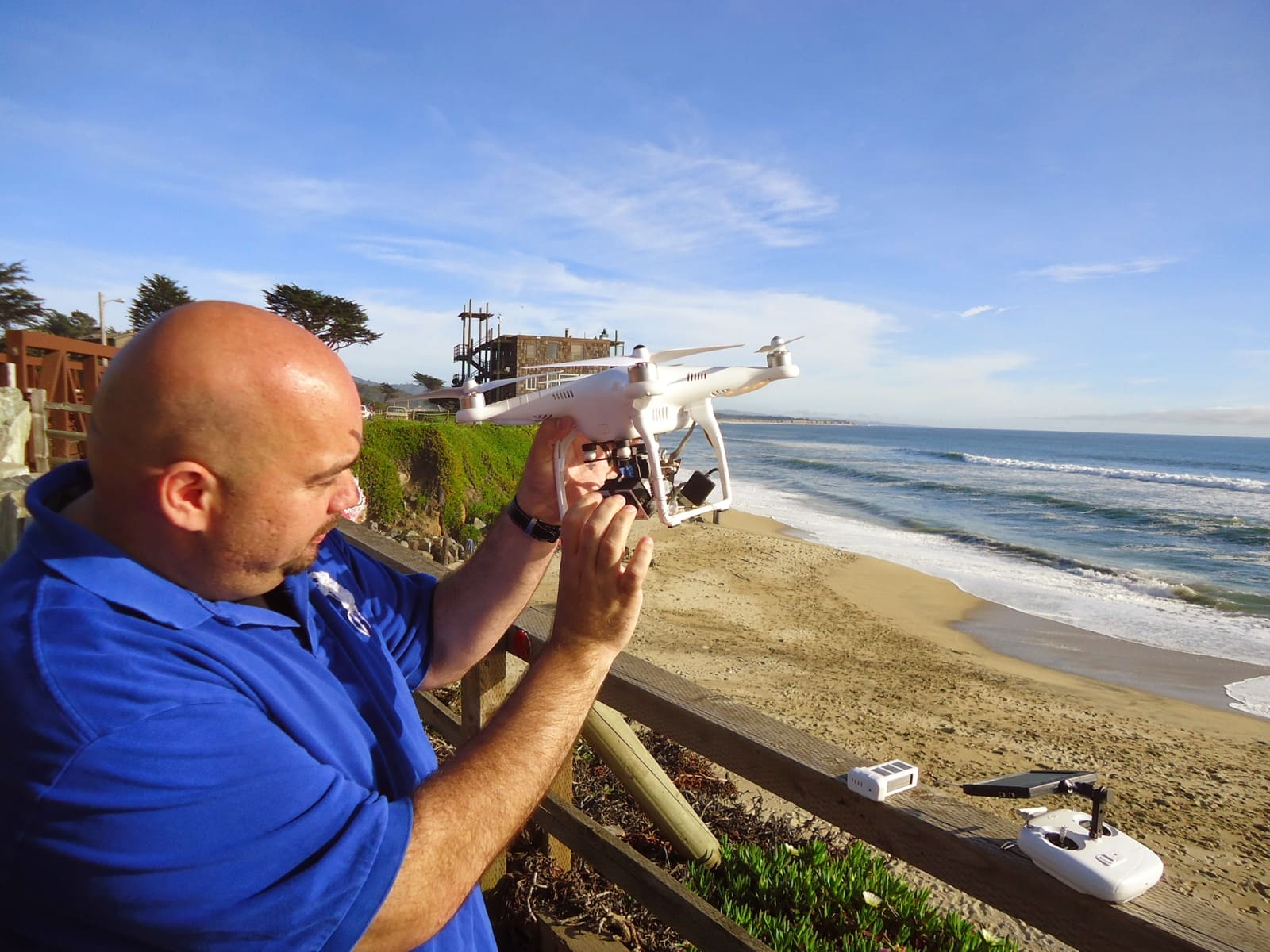
A business owners policy for a drone photography business should be evaluated alongside the insurance for the aircraft and flight work. A package for your office does not establish what happens when a drone damages a customer’s property, and a drone proposal does not establish how your editing computers are insured. Start by identifying the work, property and responsibilities you want the overall insurance program to address.
If you operate a small photography company, the appeal of one convenient package is understandable. You may have a home office, a rented studio, cameras, aircraft, editing equipment, employees and contracts to deliver finished media. Those items belong in one business description, but they can require different insurance discussions. The practical goal is a clear coverage map with the relevant terms and unresolved questions visible.
This guide explains how to compare a proposed business owners policy, often called a BOP, with the aviation portion of your program. It is a planning guide rather than a promise that a particular BOP accepts drone operations or that BWI can place every business coverage discussed. Bring BWI the actual proposal and your flight activities so the drone insurance questions can be reviewed accurately.
For a detailed equipment inventory and location review, use the separate drone photography commercial property guide. Here, the central question is how the offered package and aviation documents fit together. Compare accepted activities, coverage sections and unresolved exclusions before deciding whether two proposals are alternatives or address different interests.
What a Business Owners Policy Means
The California Department of Insurance’s commercial insurance guide describes a BOP as a small-business package combining property, general liability and business interruption protection, subject to underwriting eligibility. That is a useful description of the package concept. It does not tell you whether your drone operation qualifies or which losses a specific proposal covers.
Ask the proposing broker what business activities were submitted, how the business is described in the quotation, and which forms and endorsements apply. A short label such as photography studio may leave important questions unanswered if the company also flies drones at construction sites or performs inspections. Confirm the accepted description rather than assuming the word photography encompasses every service.
Treat the package name as the beginning of the comparison. Obtain the actual covered property description, locations, coverage sections, limits and exclusions. If the quotation refers to forms that are not included, request them for review. An attractive summary cannot answer a question that depends on wording outside the summary.
Write One Accurate Description of the Business
Prepare a brief explanation of what the company sells and how it produces it. Separate ground photography, drone photography, editing, consulting and any measurement or analytical work. Explain which activities are current and which are only proposed. For insurance purposes, a planned new service should not disappear inside last year’s familiar business description.
Identify the legal entity, trading names and relevant ownership of the equipment. If an individual owns the aircraft while an LLC signs the client agreement, make that relationship explicit. Do not assume that naming one business automatically includes a separate owner’s property or every person working on its behalf. Ask which parties and interests the actual program addresses.
Describe employees, independent contractors and subcontracted flight work separately. Give the broker the real arrangement rather than choosing the simplest label. A contractor’s insurance certificate, your own company policy and your agreement with the client answer different questions. Keep all three available for the comparison.
Build a Coverage Map Before Comparing Prices
| Business item | Documents to bring | Question for the proposal |
|---|---|---|
| Studio and office | Location and occupancy details | Which premises and activities are accepted? |
| Computers and ground cameras | Item list, ownership and values | Where and under what terms is this property addressed? |
| Drone and payload | Aircraft schedule and requested values | Which policy addresses the aircraft and attached equipment? |
| Flight liability | Actual operations and locations | Which wording addresses liability arising from the disclosed flights? |
| Lost business income | Financial information requested by the broker | Which event, waiting period and conditions would trigger protection? |
| Media deliverables | Service agreement and scope of work | Does a separate professional exposure require review? |
| Client evidence | Full insurance requirements | What terms and endorsements are actually available? |
Separate the Aircraft From Office Property
Make a property inventory that distinguishes drones, payloads, spare components, batteries, cameras used on the ground, computers and other business equipment. Record ownership, identifiers where applicable, values and the locations where items are kept or used. An accurate list makes it easier to ask a focused question than a single combined number called equipment.
For each important item, ask which proposed policy and coverage section addresses it. Describe whether the item stays at the studio, travels with the crew, is attached to the drone or is rented for a particular assignment. Do not infer that a property limit displayed beside the company name follows every item through each of those situations.
Check how the proposed documents address changes in equipment. A newly purchased aircraft, a replacement camera and a borrowed payload should not be assumed to enter the program through the same process. Obtain the applicable instructions for additions and changes, then retain confirmations with the current inventory. This is an administrative comparison, not a technical assessment of aircraft equipment.
Ask a Direct Question About Flight Liability
Tell the broker exactly what the drone will do. Aerial images for a real estate listing, progress photography at an active worksite and close inspection imagery can involve different client requirements and facts. Provide the actual activities rather than asking whether a general business package covers drones in the abstract.
When reviewing the BOP and drone proposal, ask which document is intended to address liability arising from the disclosed flight work. Request an explanation tied to the policy’s terms, including applicable exclusions and endorsements. Do not assume that a general liability limit and an aviation liability limit are interchangeable simply because both are displayed as dollar amounts.
BWI’s drone insurance resources provide a starting point for discussing the aviation portion. Bring the business package information as context. A clear division of questions lets the relevant insurance contacts review their own terms without either side relying on an unsupported assumption about the other policy.
Describe Storage Travel and Work at Client Sites
Draw the equipment’s normal route through a job: storage, transport, temporary holding, use and return. Identify where the company’s property may be overnight and whether another party ever has custody. This is a description for underwriting review, not a conclusion that every part of the route is covered.
If the company works from home, describe the business use and storage arrangement to the appropriate insurance contacts. A home address on an application does not itself settle the relationship between personal and commercial policies. If the company rents a studio, include the lease and any insurance obligations rather than relying solely on the mailing address.
At a client site, explain whether your business brings only its own equipment or also accepts custody of someone else’s property. Separate those arrangements in the submission. If a production partner lends a camera or rents you a drone, provide the agreement and identify who bears which responsibilities. Ownership, possession and contractual obligations should remain visible.
Review Business Income as Its Own Question
A photography company may be unable to work for several different reasons. Its editing premises might be unavailable, a key piece of equipment might be damaged, or a client might cancel a project. List the situations that concern you and ask which, if any, the proposed business income wording addresses. Do not treat every interruption as the same insured event.
For any offered protection, ask what must happen to trigger it, which property or location is relevant, when a waiting period applies, and how the insured amount is determined. Request an explanation of important conditions using the actual form. Avoid planning around a headline income limit before understanding what activates the coverage.
Prepare the financial information the broker requests and identify estimates clearly. Separate revenue, continuing expenses and other figures according to the questions asked. An insurance review benefits from accurate records; it should not rely on an invented universal formula for every photography business or a promise that all missed assignments will be reimbursed.
Keep Client Deliverables and Data Questions Visible
The aircraft can complete a flight while the business still faces a disagreement about its deliverables. A customer may question whether images meet the agreed scope, whether a report includes promised information or whether files were delivered as required. Give the broker your actual service description and contract so any professional liability question can be identified.
Do not assume that a BOP’s general liability section or a drone liability proposal necessarily resolves disputes about the quality or usefulness of work. Ask which coverage, if any, is intended for the service being sold. If the business moves from taking pictures to offering interpretations or measurements, disclose that change before treating the earlier program as a complete answer.
Data and payment concerns also deserve a separate line in the coverage map. Identify who stores customer files, who can access them and which platforms the business depends on. The purpose here is to flag the question for appropriate review, not to prescribe a cybersecurity system or assume a package includes every cyber or professional exposure.
Read Client Insurance Requirements Before Accepting Them
Obtain the whole insurance section of the client contract, including incorporated documents and later amendments. Identify the legal entities, required limits, requested endorsements and evidence deadlines. A list pasted into an email may omit conditions that matter to the insurer or to the business’s ability to satisfy the agreement.
Give the requirements to the relevant insurance contacts and ask which proposed policy is expected to satisfy each item. A request for additional insured status, for example, should be reviewed against the actual available wording and disclosed relationship. Do not assume that a certificate alone creates every protection or contractual promise the client requests.
If an item is unavailable or requires clarification, resolve it through the appropriate review before relying on the program for the job. Contract interpretation belongs with qualified legal advisers. Keep the final requirements, insurer responses and issued documents together so the project team is using the same accepted information.
Compare the Whole Program Rather Than One Premium
Use the same business facts and requested protection when comparing proposals. Record the legal insureds, accepted activities, property schedules, liability limits, deductibles, important exclusions and conditions. Note any material question that has not been answered. The lowest displayed package price may be a different offer if it leaves the aviation work unresolved.
Keep premiums, fees, payment arrangements and optional coverages clearly identified. If two policies have different effective dates, show those dates in the comparison. Do not add their limits together and present the result as one combined amount without confirmation that the actual terms support that interpretation.
If replacing existing insurance, identify which policy is proposed for cancellation and which interests it currently addresses. Do not cancel a drone policy merely because a new business package has been quoted. Ask the relevant representatives to confirm the accepted replacement scope and effective dates first. Keep any remaining gap visible, including an unanswered aircraft exclusion or a separate service exposure that the package does not resolve.
Ask about an affordable retained amount using the real offers. A lower premium accompanied by a different deductible or a narrower activity description may change the business decision. This guide does not publish a universal BOP or drone insurance price because the useful comparison is between available terms for the identified business.
A Hypothetical Studio and Drone Package Comparison
Imagine a photography LLC that edits in rented premises, owns ground cameras and uses a company drone for selected assignments. It receives a business package quotation and a separate drone proposal. The owner initially plans to choose between them, assuming they are alternative ways to insure the same work. This is an illustrative planning example, not a BWI claim or a promised insurance result.
The owner first creates the coverage map. The studio, office computers and premises questions go to the business package contact. The aircraft schedule and flight activities go to the drone insurance contact. The client’s deliverable obligations and insurance requirements are provided to both as relevant context, with unanswered professional or contractual questions identified explicitly.
The comparison may reveal that the proposals address different parts of the business, or that changes and additional review are needed. No outcome is assumed. The owner can make a clearer decision because the documents are compared by purpose and accepted terms rather than by the convenience of having one invoice.
Maintain the Map as the Company Changes
Keep a current copy of the equipment inventory, policy documents, accepted business description and important insurance correspondence. Assign responsibility for telling the relevant contacts when the company adds services, locations, people or significant property. A useful map should describe the business being operated now rather than only the business that existed at the first application.
Before renewal, compare the updated facts with the expiring documents and answer the requested questions accurately. If the company has a loss, demand or incident requiring notice, follow the applicable reporting process rather than postponing it until the annual review. A renewal application should not be treated as a substitute for claim notification.
After any accepted change, check the issued documents against the agreed terms and raise discrepancies promptly. Retain earlier versions where appropriate so you can identify what was in effect for a particular period. The result is a practical insurance record that supports future discussions without promising how any future claim will be decided.
Prepare for a New Service or Larger Assignment
Before accepting work outside the company’s usual scope, write down what is changing. A new client industry, a larger project, a different operating location or a new type of deliverable may introduce facts that were absent from the existing application. Provide the revised scope and client requirements to the appropriate insurance contacts rather than assuming that growth affects revenue alone.
Keep proposed and accepted work distinguishable in the file. Ask which responses are required before relying on the program for the assignment, and retain the final confirmation. A customer’s deadline or verbal agreement should not be presented as evidence that an insurer has accepted the change. This focused update can be reviewed without rewriting unrelated equipment or office information.
Frequently Asked Questions
Does a BOP automatically cover drone flights
Do not assume it does. Provide the actual operations and request a review of the offered forms, exclusions and endorsements alongside the proposed drone insurance.
Is drone hull protection the same as office equipment insurance
They should be compared separately. Identify the aircraft, payload and office property, then ask which actual policy addresses each item and location.
Can a home based photography company ask about a BOP
Describe the business and home use accurately to the appropriate broker. Eligibility and available terms require review; a home address does not establish acceptance.
Will one certificate satisfy every client requirement
Compare the full contract requirements with the available policy terms and endorsements. Do not rely on a certificate to create protection that has not been confirmed.
What should I send BWI first
Send a clear description of the flight work, aircraft and equipment, ownership, requested protection and relevant client requirements. Include existing proposals when asking how the aviation portion fits.
Discuss Your Drone Insurance With BWI
Bring BWI a concise description of the company’s drone work and the business package you are considering. Include the aircraft schedule, ownership, requested protection and any client insurance requirements. Identify which office or business coverage questions are already being handled elsewhere and which matters remain unresolved.
Request a drone insurance quote from BWI. Ask how available aviation terms fit the disclosed operation and the rest of your business insurance. Coverage and availability depend on underwriting and issued policy terms; any separate business package, contractual or specialist question requires its appropriate review.
Continue Reading


