

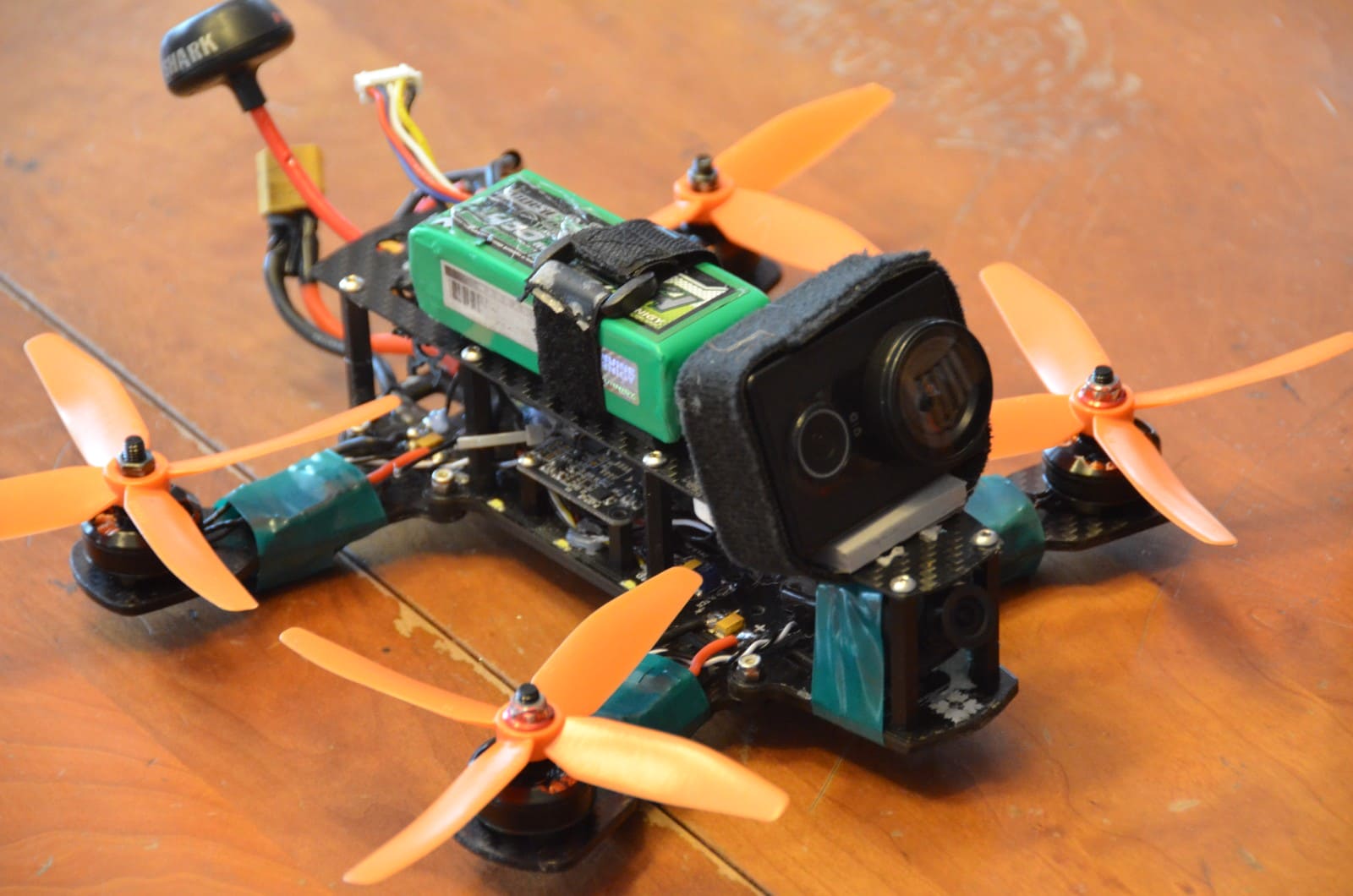
FPV drone insurance needs an accurate description of how you use the aircraft, not simply the fact that you fly with a camera view or goggles. Recreational practice, paid filming and racing present different facts for an insurance submission. Tell BWI what you actually do, which aircraft you use and what protection you want reviewed before assuming a general drone label answers the question.
For first person view operators, useful preparation includes a current aircraft description, ownership information, equipment values, pilot roles and the proposed filming or practice activity. A custom build or changing equipment setup deserves a clear record. Insurance acceptance must be reviewed against the actual offered terms; technical capability and legal permission are separate subjects.
This guide focuses on FPV practice and filming insurance questions. It does not provide flight instruction, build specifications or permission to operate, and it does not promise protection for a particular maneuver or location. Racing events, beyond visual line of sight proposals and organized club operations need their own specific review rather than being assumed included.
Describe the Actual FPV Activity
Start with a plain account of what the aircraft is used for. If you practice for personal enjoyment, say so. If you produce footage for a client or promote a business, describe that activity and the relationship. A short description such as hobby drone can become misleading when it leaves out paid or business work.
Identify the setting and purpose of proposed projects without presenting a flight plan as already accepted. A request to film a commercial property, a sports activity or a production sequence should explain the work and parties involved. The insurer needs the actual activity, not a cinematic description that omits material responsibilities.
Separate current use from future ideas. If you are exploring racing, an indoor assignment or another change, raise it as a proposed addition. An earlier offer for ordinary filming should not be treated as acceptance of every later use merely because the same goggles and controller are involved.
Keep FPV Equipment Separate From Operating Authority
The FAA publishes information about small UAS operations under Part 107 and separate resources for recreational flyers. Use the applicable official guidance and qualified instruction for the operation you propose. An insurance quotation does not establish that a particular FPV arrangement is permitted.
Describe the relevant roles and operating arrangements accurately when they are requested for underwriting. Do not describe equipment capabilities as regulatory approval, and do not infer that an observer or another person automatically makes every proposed operation acceptable. Actual requirements need their appropriate review.
This guide gives no directions for flight paths, altitude, proximity to people or structures, or methods of maintaining visual awareness. Those are operational subjects. The insurance task is to disclose the activity and ask how available coverage addresses it without treating insurance as a substitute for technical or regulatory decisions.
Identify the Legal Owner and the People Flying
State whether the aircraft and equipment belong to you personally, a business or another organization. If you use a trading name, supply the legal entity behind it. The person submitting a form and the person or company owning the equipment may be different, and those relationships should be visible.
Identify actual pilots and other personnel whose roles are relevant to the insurance request. Provide the experience or qualification information requested by underwriting. A business owner being listed as the contact should not conceal that another person performs the filming flights.
If people alternate between client work and personal use, explain the arrangement rather than assuming one description covers both. Ask how the offered terms address the disclosed pilots and activities. Do not treat a person being allowed to borrow the aircraft as confirmation that the person is accepted under the policy.
Prepare an FPV Insurance Submission
| Review subject | Information to prepare | Question to resolve |
|---|---|---|
| Aircraft | Build identity configuration and ownership | Which actual aircraft and setup are submitted? |
| Use | Practice filming and proposed changes | What disclosed activities are accepted? |
| People | Pilots roles and requested qualifications | Which pilot and personnel conditions apply? |
| Property | Aircraft camera goggles and other values | Which equipment interests are included or separate? |
| Locations | Project settings storage and transport | What territory and location restrictions apply? |
| Client contract | Services insurance requests and dates | Which requested terms can actually be provided? |
| Future changes | Replacement parts new builds and other work | What needs review before relying on existing terms? |
Document a Custom Build Without Treating Every Part as Insured
Prepare the identifiers and configuration information requested for the actual aircraft. If a build does not fit a standard retail model description, explain it clearly instead of selecting the nearest recognizable product name without qualification. Keep supporting purchase and build records where they can be supplied through the authorized process.
Identify what belongs to the aircraft and what is separate equipment. A camera, detachable payload, goggles, controller, tools and spare components may have different ownership or insurance questions. Ask how the proposed property coverage addresses the actual items rather than assuming a single aircraft value includes everything in a flight bag.
If you change the build, retain an updated description and ask whether the change needs an insurance review. A replacement frame, different camera or newly assembled aircraft should not be marked accepted solely because some parts came from a previously listed aircraft. The actual terms and reporting process need to govern the update.
Choose Requested Values From Actual Records
Gather purchase information and other supporting value details requested by underwriting. Identify whether an amount represents the complete aircraft, a camera or another separately requested item. Keep the figures consistent across the equipment list and the insurance application so the same component is not casually counted twice.
Ask how the actual valuation and settlement wording applies to the proposed property. A receipt can support a submission without establishing what a future claim will pay. Likewise, the amount spent upgrading a build should not be assumed recoverable in every loss without reviewing the offered terms.
If the equipment changes frequently, maintain a dated inventory with meaningful identifiers. Keep an old version for reference and clearly label the current one. The objective is an accurate description of the property you want reviewed, not a general total based on everything you have ever purchased for FPV flying.
Separate Aircraft Damage From Liability to Other People
An aircraft property question concerns damage to or loss of the equipment interest being insured. A liability question concerns allegations involving other people or property under the actual policy. Request both reviews where relevant rather than assuming protection for the drone also addresses every third party allegation.
For filming work, describe the actual client relationship and surrounding responsibilities. If a client expects a particular liability limit or status, submit the requirement for review. A consumer repair arrangement or equipment replacement promise should not be presented as proof of aviation liability coverage.
Compare the actual limits, deductibles, important exclusions and conditions in each offer. A broad word such as comprehensive does not settle the distinction. Ask where the offered documents address the interests you disclosed and identify any questions that need a separate policy or specialist review.
Explain Client Filming Requirements Before Accepting Them
Provide the actual agreement or insurance request from the production company, property owner or other client. Identify your deliverables and the dates and entities involved. A request for a certificate is more useful when the insurance contact can see the requirement it is intended to satisfy.
Have legal interpretation handled by an appropriately qualified adviser and submit insurance provisions for review against available terms. Do not promise additional insured wording, a waiver or a limit simply because the client included it in a standard form. Availability needs to be confirmed through the actual insurance process.
Keep the accepted response and issued evidence with the final project agreement. If the client adds a location, a different service or a new contracting entity, communicate the changed facts. A certificate supplied for one job should not be reused as though it automatically addresses every later production.
Keep Filming Deliverables Separate From Flight Liability
A client may allege that a video failed to meet a contractual requirement even when no aircraft damage or third party injury occurred. Describe the actual services and request the relevant insurance review rather than assuming a drone liability policy answers every complaint about the finished work.
Identify whether you only supply footage or also promise editing, technical interpretation, inspection findings or other services. Those commitments can change the question being asked. Do not allow an application describing filming alone to stand in for a more extensive professional service proposal.
The comparison should distinguish aircraft operation, equipment interests and business deliverables. It need not assume that every requested protection is available in one policy. Ask which concerns the actual offer addresses and which require a separate professional or business insurance discussion.
Disclose Location and Project Changes
Describe where the work is proposed and any material features relevant to the insurance inquiry. Indoor filming, a private outdoor property and a production involving other organizations should not be treated as identical merely because you use the same aircraft. Provide the facts requested for the actual assignment.
Keep location permission, regulatory compliance and insurance acceptance separate. Permission from a property owner does not establish the full legal or technical requirements for a flight. Likewise, a quotation does not authorize a maneuver or confirm that a particular production plan can be conducted safely.
If a project changes after the initial submission, tell the appropriate insurance contact what is different. Ask what review is needed before relying on the previous terms. A useful change request identifies the actual revised activity and dates without asserting that a new risk has already been approved.
Review Practice Racing and Demonstrations as Different Uses
For an organized competition, use the separate drone racing guide for pilots and event organizers. This article keeps its main focus on the equipment description, personal practice and proposed filming work. A race entry or organizer role needs its own review of the event and contractual responsibilities.
Practice for your own purposes and flying in an organized race are different descriptions. If racing or an event is part of the proposal, disclose it explicitly and request the relevant review. Do not assume a policy offered for filming includes organized competition, spectators or an event organizer’s responsibilities.
A demonstration for a buyer or client also deserves an accurate account of who flies and whose equipment is involved. Clarify the purpose and relationships. A commercial demonstration should not disappear from the submission because you consider the flying itself familiar.
This guide does not determine when a particular activity falls into a regulatory category or an insurance exclusion. Ask the relevant professionals to review the facts and applicable wording. Preserve the actual response rather than applying an informal description such as just practice to every activity.
Resolve Conditions Before Calling the Quote Final
Keep a list of requested information and any conditions stated in an offer. Identify whether the insurer still needs equipment details, pilot information or a clearer account of the work. A submitted response should not be marked accepted until the appropriate confirmation is received.
Before relying on the arrangement, compare the final documents with the disclosed aircraft, legal owner and intended activities. Ask about discrepancies and keep the accepted changes. A clear final record is more useful than a collection of early price indications, especially when a custom build or a client project changed during the discussion.
Ask About Storage Transport and Borrowed Equipment
Identify where the aircraft and related equipment are normally kept and how they reach assignments. If you want protection during storage, travel or shipping, ask about those circumstances specifically. Coverage while flying should not be treated as a complete answer to every equipment location.
Describe rented or borrowed cameras, controllers and aircraft separately. The ownership and agreement can matter to the requested protection. A client or friend stating that an item is insured should not be treated as confirmation that your own responsibility or property interest is addressed.
Keep important agreements and the current equipment record with the insurance file. If a temporary replacement is needed, explain it through the applicable process. Do not assume a replacement unit is accepted solely because its specifications or purchase price resemble the original.
A Hypothetical FPV Filming Business Preparing a Quote
Imagine a pilot who builds an FPV aircraft for personal practice and later receives a request to film for a local business. The pilot initially asks for insurance using only the aircraft parts cost and the description hobby drone. This is a hypothetical preparation example, not a real BWI quotation or an accepted operating plan.
The pilot clarifies the proposed paid filming activity, legal owner, actual equipment, pilot role and client requirements. The aircraft value and separate camera interest are identified, and the relevant regulatory and technical questions receive their own qualified review. The insurance request now describes the actual proposed work.
The resulting comparison can address the disclosed operation instead of an incomplete hobby description. It does not promise an offer or a claim outcome. The example illustrates why a change in purpose and contractual responsibility can require review even when the aircraft has not changed.
For a practical equipment record, assign the build a consistent identifier and keep dated configuration notes. Show whether the submitted value includes its camera; put goggles, the controller and spare equipment on separate lines where requested. When a client later asks to use another camera, record whose camera it is and what part of the proposal changes. Ask for the insurance response concerning that specific item and arrangement. Do not treat a parts invoice, revised inventory or client instruction as proof that the revised filming setup has been accepted. Preserve the earlier inventory so a future question can be connected to the aircraft description actually submitted at the time.
Keep Incident and Renewal Records Usable
If an incident, loss or allegation occurs, follow the actual reporting instructions and obtain appropriate guidance promptly. Preserve factual information and identify the involved equipment and activity. Do not assume a repair request or a message to a client also satisfies every insurance notice requirement.
At renewal, update the aircraft, equipment ownership, pilots, activities and requested history. If your business now performs services beyond filming, make that change visible. Copying an old hobby or photography description may leave the current operation poorly explained.
BWI’s drone insurance information provides a starting point for a broader coverage discussion. Bring a current inventory and a clear description of FPV use, then review the actual offered documents. The objective is a reliable record of what was disclosed and accepted, not an assumption that a drone label includes every future activity.
Frequently Asked Questions
Does FPV drone insurance automatically include racing
Do not assume it does. Disclose racing and event involvement separately and request review of the actual terms and responsibilities.
Can a custom built FPV aircraft be described as a similar retail model
Provide the actual build and configuration information requested. If a standard description does not fit, explain the differences rather than submitting an unqualified substitute.
Are goggles cameras and controllers automatically included with the drone
Ask which property the offered coverage includes and which items need separate values or review. Identify ownership and supporting records for the requested equipment.
Does an insurance quote give permission to conduct an FPV flight
No. Regulatory, technical and location permissions need their appropriate review. Insurance acceptance is a separate question under the actual offered terms.
What should I provide when requesting an FPV insurance quote
Prepare ownership, aircraft configuration, equipment values, actual pilots, intended activities, relevant locations and client insurance requirements.
Request an FPV Drone Insurance Review From BWI
Tell BWI how you use FPV equipment and whether the inquiry involves personal practice, paid filming or a proposed change. Include the actual aircraft description, ownership, equipment interests, pilots and client requirements. State any racing, indoor work or other activity clearly so it can receive the appropriate review.
Request a drone insurance quote from BWI. Compare available terms for the disclosed aircraft and operation. Coverage and availability depend on underwriting and issued documents; no maneuver, location, build or future use is automatically accepted by this guide.
Continue Reading


