

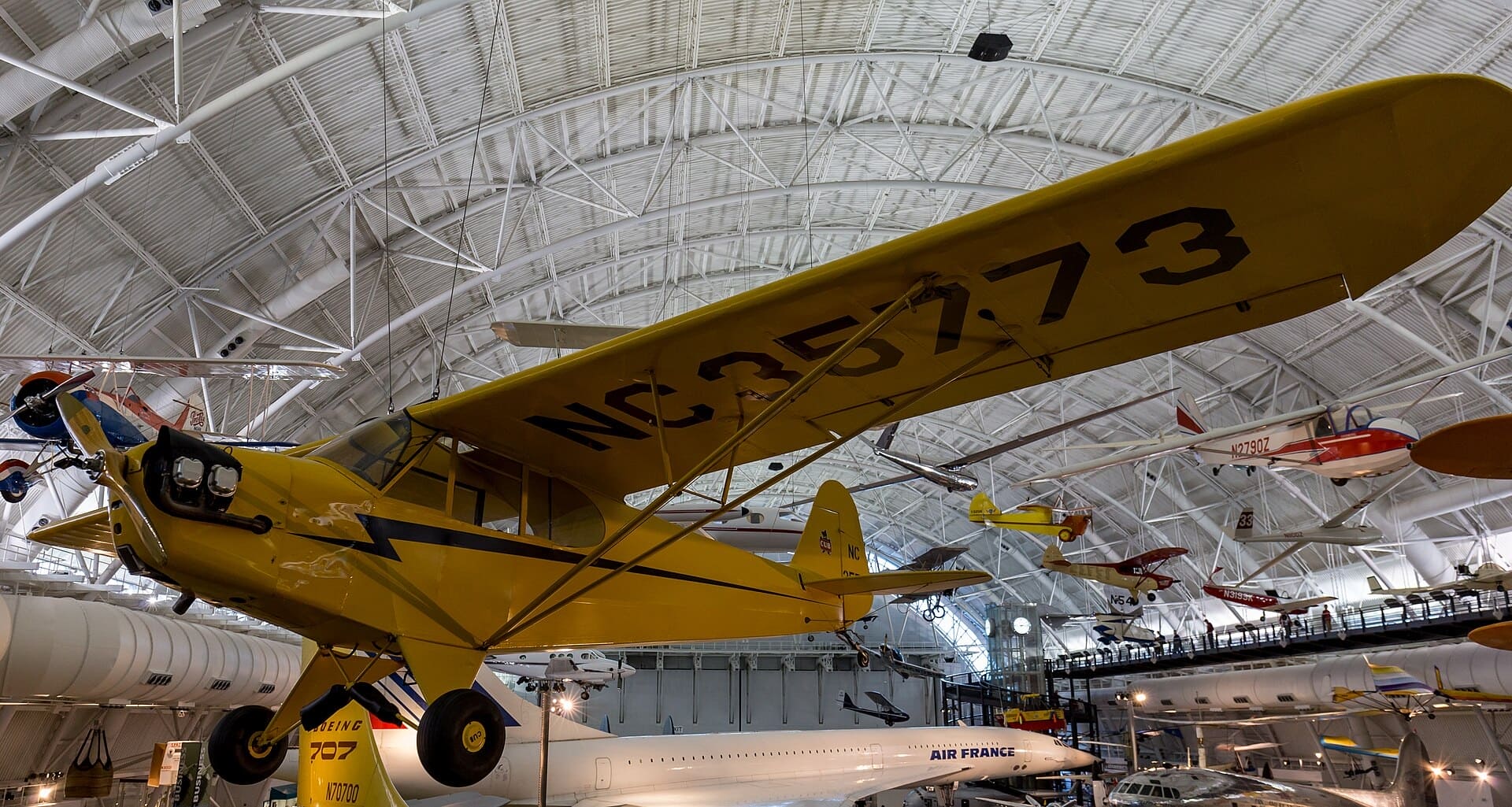
Lending an antique aircraft to a museum can preserve its story and let more people appreciate it. Before the aircraft changes hands, document the display arrangement and ask how the relevant insurance addresses it. Ownership, custody, handling and public access deserve separate attention even when no flying is planned.
This guide helps owners and receiving organizations prepare a temporary museum or static display loan for insurance review. It does not replace legal, conservation, operational or safety advice, and it does not interpret an individual policy.
BWI’s community career day static display guide concerns short educational event participation by an aircraft owner. A museum loan adds a separate custody and return arrangement, often while the owner is absent. Keep the event guide as the destination for that different activity; this review follows the loaned aircraft and included property from preparation through return.
Define the Loan Before Comparing Insurance
Antique aircraft insurance for a museum loan starts with a clear description of the arrangement. An owner lending a complete airplane for an indoor exhibit has a different submission from an organization donating an airframe permanently or hiring an operator for a flying demonstration. Explain who owns the aircraft, who receives it and what each party will actually do during the proposed period.
Put the planned dates, address and activities in one short written summary. Include preparation at the owner’s premises, delivery, unloading, installation, public display, removal and return. Those stages may involve different people and different insurance questions. Calling the whole arrangement a static display does not explain how the aircraft reaches the exhibit or who can move it after arrival.
Separate a temporary loan from a sale, consignment or donation. If ownership may change later, describe the current arrangement and the proposed change separately. Do not assume that a pending donation has already transferred the owner’s responsibilities or that a museum’s willingness to receive the aircraft establishes the insurance available for it.
Maintain a dated list of open questions alongside the summary. Record whether each answer is still requested, proposed or confirmed, and identify the person responsible for resolving it. This prevents a draft loan agreement or preliminary insurance discussion from being circulated as a completed approval when important details are still under review.
The National Park Service’s Museum Handbook treats loans as documented collection transactions alongside inventory and accountability. Its published materials provide an institutional example of why the loan agreement and the object record matter. They do not impose terms on a private aircraft loan or establish insurance available from BWI. Obtain the receiving museum’s actual agreement and have the responsible professionals review the arrangement being proposed.
Identify the Aircraft and Its Present Condition
Use the exact aircraft identity in the submission: manufacturer, model, serial number, registration where applicable and legal owner. Add the current configuration and condition. An intact flying aircraft, an unairworthy airframe and an exhibit assembled from components should not be described interchangeably. Ask which identifying documents the insurance reviewer needs rather than substituting a historic nickname for the actual asset.
Describe removed components and separately stored items. A propeller kept in another room, instruments awaiting installation and a collection of original logbooks may require their own discussion. Record which items are included in the loan and which remain with the owner. A broad phrase such as complete collection can conceal a disagreement about what was delivered and what value was submitted.
Photograph the aircraft before preparation begins and again at each agreed handover. Record existing dents, fabric condition, missing panels and known defects without declaring their cause. Have the parties acknowledge the condition record through their agreed process. This provides a shared factual starting point; it does not establish coverage or replace a qualified inspection.
Separate Display From Flight and Other Operations
State whether the proposal includes any flying, engine running, taxiing, towing, maintenance or public access inside the aircraft. A stationary exhibit may still be moved during installation or a special event. Describe each intended activity explicitly, including who performs it. Do not assume that an insurance discussion about indoor display also addresses those additional activities.
An insurance decision does not establish airworthiness or operating authority. The FAA’s airworthiness certification information is a starting point for identifying the relevant official resources. Qualified aviation professionals must resolve questions about the aircraft and any proposed operation. A museum label, historic status or insurance certificate is not a substitute for that review.
If the exhibit plan changes to include a flight, ride or demonstration, stop treating the earlier submission as a complete account of the risk. Send the revised description to the appropriate insurance parties before the added activity. Identify proposed pilots and operators where relevant, and obtain the required decisions without presuming that historic-aircraft experience alone settles eligibility.
Map Custody and Responsibility at Every Handover
Prepare a custody timeline showing when the owner, transport provider, installation contractor and museum each receive or release the aircraft. Include the location and contact responsible for documenting acceptance. This timeline helps the insurance reviewer understand a loss scenario that happens between stages, when people otherwise may disagree about whose responsibility had begun.
Ask who may instruct a contractor to move the aircraft and who may authorize repair or conservation work. A museum employee’s responsibility for opening the exhibit does not necessarily include authority to approve changes to the aircraft. Put the decision makers in the loan file so volunteers and outside contractors have a clear route for questions.
Have qualified advisers review the loan agreement’s insurance and responsibility provisions. Indemnity, waiver, insurance requirements and custody language should be considered together. This article does not supply contract wording or decide whether a provision is enforceable. Send the actual proposed agreement for review rather than asking an insurer to respond to a summary that omits the obligations being accepted.
Compare the Questions by Stage
| Stage | Information to provide | Question to resolve |
|---|---|---|
| Preparation | Condition, components and work proposed | Who is authorized to handle or alter the aircraft? |
| Transport | Route, contractor and loading arrangements | Which interests and stages need insurance review? |
| Exhibit | Location, custody and visitor access | How does the actual policy address the declared display? |
| Removal and return | Dates, condition records and receiving party | What changes before the owner accepts return? |
This comparison organizes the submission. It is not a description of four available coverage products or a determination that any party has insurance for a particular event. Review the issued documents and the actual agreement for the arrangement being proposed.
Review Aircraft Damage and Third Party Liability Separately
Damage to the owner’s aircraft and an allegation of injury to a visitor are separate subjects. Ask the insurance reviewer to identify which documents address each concern and who is protected under them. Avoid reducing the discussion to whether the exhibit is insured. That phrase leaves out the property, person, activity, location and terms needed for a useful answer.
For aircraft damage, describe the value requested, location and custody arrangement. For liability, describe the parties’ activities and the anticipated public interaction. A museum’s general insurance, an owner’s aircraft policy and a contractor’s insurance should each be reviewed on their own terms. The existence of one policy does not establish that it protects every participant or every loss.
A certificate of insurance is evidence to review alongside the policy and required endorsements; it is not a substitute for them. If the agreement requests a particular insurance status or evidence, send the exact requirement to the authorized insurance party. Do not alter a certificate or assume that receiving a document means the requirement has been accepted or satisfied.
Support the Value Without Inventing a Market Price
Explain the value being requested and how it was developed. Available purchase records, qualified appraisals, restoration invoices and documented provenance may help the reviewer understand the submission. Historic significance and personal attachment can matter greatly to an owner, but they should not be presented as an insurance valuation method without agreement from the parties responsible for that decision.
Ask how the proposed policy treats valuation, damage settlement and any separately listed property. Do not infer the answer from a label such as antique, collector or museum quality. Review the applicable wording, amounts and conditions. A rare component may be difficult to replace, but that fact alone does not establish what an insurer would pay after a loss.
Keep valuation evidence distinct from the exhibit’s promotional description. A display sign may describe an aircraft as priceless to communicate cultural importance. The insurance submission needs an amount and an explained basis that the authorized parties can evaluate. If the aircraft’s condition or included components change, ask whether the submitted value and description also need revision.
For a practical loan file, identify the airframe, installed engine, removable instruments and any separately supplied historic documents as the parties actually agree to lend them. A museum catalog number can be kept beside the owner’s identifying record, without replacing it. Record which items are present at delivery and which will arrive later. Ask whether the agreed value description includes the separate material, rather than assuming an aircraft amount also accepts every artifact. This inventory is an administrative record; qualified collection and valuation professionals must evaluate authenticity, condition and value.
Describe the Building and Visitor Access
Provide the actual display address and the portion of the premises used. Explain whether the aircraft will be indoors, outdoors or moved between locations. Describe known building arrangements relevant to the submission, using information confirmed by the museum. Do not describe fire protection, security or environmental controls as present simply because they are expected in a professional exhibit.
Explain whether visitors remain behind barriers, walk beneath wings, enter the cabin or participate in supervised activities. Identify who supervises access and who may open doors or remove barriers. The purpose is to give the reviewer an accurate activity description. This guide does not prescribe exhibit engineering, visitor safety standards or a particular supervision arrangement.
Include special events that differ from ordinary opening hours. A reception, educational program, photography session or outside contractor’s access may change how the aircraft is used or handled. Ask the museum to identify such plans early. An insurance submission based only on routine viewing may leave the reviewer unaware of the activities the parties actually intend.
Account for Transport and Installation
State whether the aircraft will arrive under its own power, by road or through another arrangement. Identify the transport and handling providers, planned dates and who contracts with them. Describe loading, unloading and temporary storage as separate stages where appropriate. Do not assume that the word delivery explains all the work required to place an antique aircraft inside a building.
If components will be removed for transport, identify the proposed work and the professionals responsible. Insurance review does not approve disassembly, preservation or reassembly methods. The owner and museum should use qualified specialists for those decisions. Record the proposed scope accurately so the insurance discussion reflects handling of the aircraft in its actual condition.
Discuss delays and alternate storage before departure. A vehicle breakdown, unavailable exhibit space or rescheduled installation can leave property somewhere not described in the original plan. Identify who will notify the insurance parties and who can approve a revised arrangement. Avoid promising automatic protection for an unplanned location or assuming that a transport provider’s insurance resolves every interest.
Keep Conservation and Restoration Within Their Own Review
A display loan can gradually become a work project if cleaning, repairs or cosmetic changes are added after arrival. Define what the museum may do and which actions require the owner’s approval. Distinguish routine exhibit care from work on the aircraft itself. Send a revised work description for review when the arrangement changes rather than relying on the original display summary.
BWI’s existing guide to insurance during a disassembled aircraft restoration addresses a different stage of ownership. Use it when restoration becomes the central issue. This museum-loan guide focuses on custody and display, so the existing restoration article remains the destination for that separate topic.
Preserve records of authorized changes and the condition before and after work. Identify parts removed, their storage locations and whether they return with the aircraft. When a dispute arises, a clear record helps the relevant professionals evaluate what happened. It does not determine responsibility, establish compliance or promise that a particular cost is covered.
Prepare for a Change or an Incident
Nominate contacts for the owner, museum and relevant contractors, with a route for reaching them outside public opening hours. Keep the appropriate insurance reporting instructions available to the people who may first learn of an incident. A visitor concern, discovered damage and a formal demand may call for different responses under the actual circumstances and policy terms.
If something happens, preserve factual records and follow the applicable reporting instructions promptly. Record dates, locations, people involved and the condition observed. Avoid speculative statements about fault, cause or coverage. Emergency assistance and immediate safety decisions belong with the appropriate responsible parties; insurance reporting should not delay necessary emergency action.
Ask the authorized insurance parties how to handle inspection, estimates, conservation or disposal of damaged items before committing to nonemergency work. Do not assume that a museum’s desire to reopen an exhibit resolves those questions. BWI’s claim reporting page provides a starting route for contacting the team about a policy arranged through BWI.
Plan the Return Before the Exhibit Opens
Agree on the end date, extension process and return arrangements before delivery. Identify who receives the aircraft and the documents used to acknowledge its condition. An exhibit may close before transport is available, leaving an additional storage period. Include that possibility in the review rather than treating the closing date as the automatic end of custody.
If the museum asks to keep the aircraft for another exhibition season, record the proposed extension before the original return date. Include any changed location, visitor access, conservation work and return carrier. The owner’s agreement to extend the loan and the insurance response are separate records. Ask the appropriate insurance parties whether the accepted dates and activities need updating, and retain the actual response. An exhibit continuing to appear on the museum calendar is not confirmation that an insurer has extended its terms or accepted a new handling arrangement.
Compare the departure and return inventories, including loose components and records. Note any authorized changes and unresolved condition questions. If the owner intends to return the aircraft to flight, obtain the appropriate separate aviation and insurance reviews. A successful static exhibit does not establish readiness for an operation that was outside the display arrangement.
Keep the loan file after return according to the parties’ applicable requirements and professional advice. Preserve the agreement, accepted insurance documents, condition photographs, correspondence and handover records. The file should show what was proposed, what changed and who made the relevant decisions, without rewriting earlier records to match a later understanding.
Antique Aircraft Museum Loan Insurance FAQs
Does an antique aircraft need a separate museum loan policy?
That depends on the aircraft, activities, parties and available terms. Start by submitting the complete loan arrangement and existing policy documents. Ask the authorized insurance parties what changes or additional insurance, if any, are needed. This guide does not establish that a dedicated product is available or necessary.
Does the museum’s insurance automatically protect my airplane?
Do not assume that it does. Ask which policy addresses the aircraft, the interest protected and the applicable terms. Review the agreement and issued evidence with the appropriate professionals. A museum carrying insurance does not answer every question about property borrowed from an owner.
Can the aircraft be flown during a static display loan?
A proposed flight needs its own operational and insurance review. Describe the flight, operator, pilots and other relevant details before adding it. The label static display and an earlier discussion about a stationary exhibit do not establish authority or insurance for flying.
What if visitors will enter the cockpit?
Include that activity in the submission, with an accurate description of access and supervision. Ask the responsible museum specialists to address exhibit safety and the insurance parties to review the relevant terms. Do not assume that permission to display the aircraft also addresses public access inside it.
Is historic significance enough to establish insured value?
Historic significance can help explain the aircraft, but the requested value needs an agreed basis and review. Provide available supporting records and ask how valuation and settlement are addressed in the actual documents. No market price or settlement amount is promised by this guide.
Get an Antique Aircraft Insurance Quote From BWI
Discuss your proposed museum or static display loan with BWI before the handover. Send the aircraft identity, condition, requested value, proposed agreement, locations, dates, custody timeline and planned activities. Include transport and visitor access details so the review starts with the arrangement you actually intend.
Request an aircraft insurance quote from BWI and explain that the aircraft will be on a temporary museum loan. Availability, pricing and terms depend on the submission and insurer review. The issued policy and endorsements govern; this guide is not a binder, coverage determination or approval of the exhibit.
Continue Reading


