

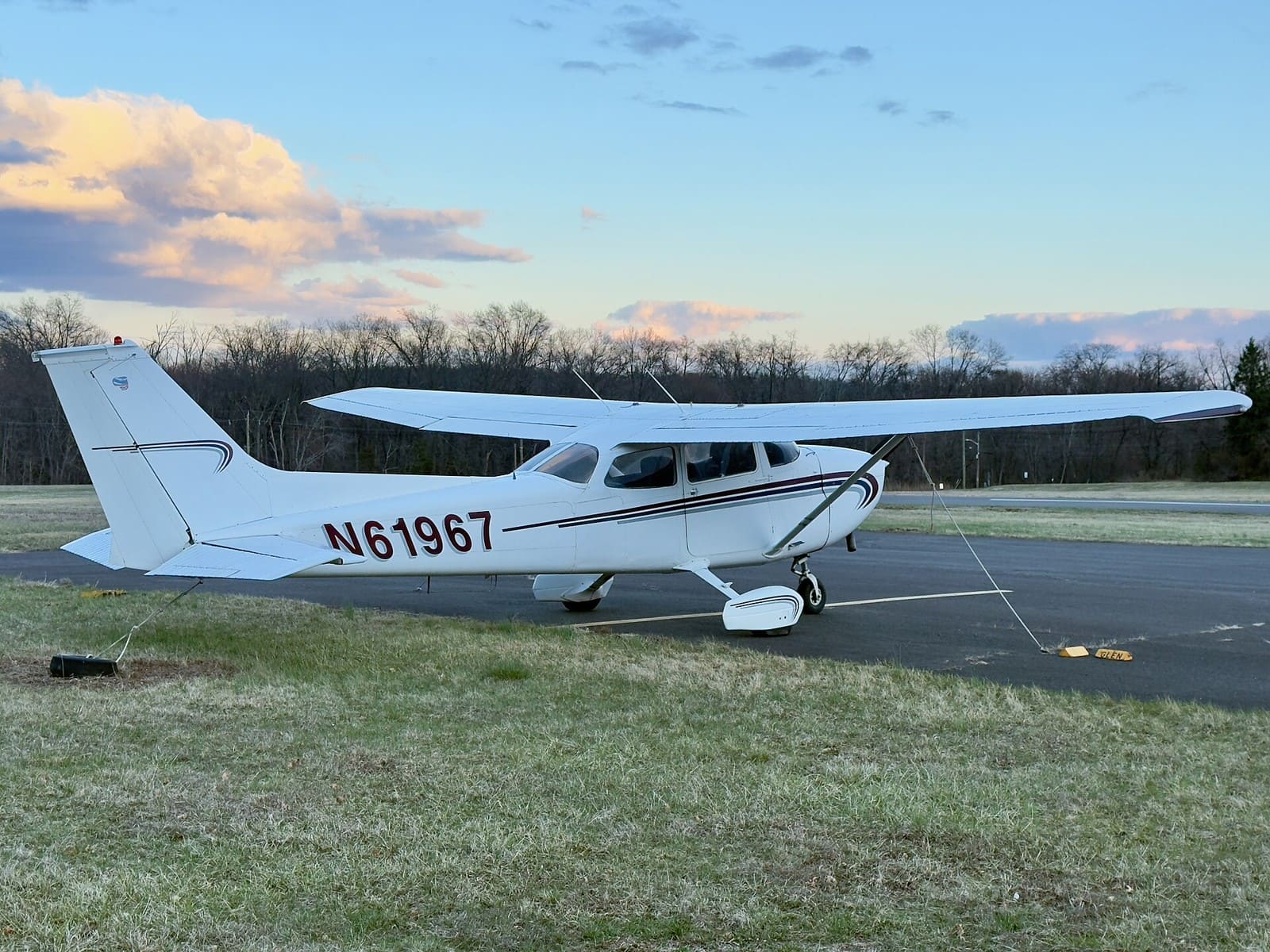
Before entering an airplane in a flour-bombing or spot-landing event, describe the actual activity to the insurance team and ask how the policy addresses it. An event being friendly, charitable or held at a familiar airport does not explain the proposed competition, people or aircraft use. Give BWI the organizer’s description, rules, aircraft, pilots and insurance requests before relying on ordinary personal-flying terms for a different activity.
This guide covers the insurance preparation for an owner or pilot considering participation. It is not an operating guide, an endorsement of an event or a determination that any particular competition is safe or lawful. Qualified aviation professionals, the organizer and responsible authorities must address the applicable requirements. Insurance review should use the resulting facts and remain separate from the decisions about whether and how the activity may proceed.
Describe what the event actually asks participants to do
Obtain the current written description and rules directly from the organizer. Explain whether the proposal involves a landing competition, dropping an object, a timed task or another activity. Avoid describing all events as an ordinary fly-in when the advertised participation involves more than arriving, parking and departing. The insurer needs to understand the actual use of the aircraft, not simply the friendly name printed on a registration form.
Provide the planned dates, location and organizations involved. Identify whether participation is optional, whether different activities occur on different days and what the pilot intends to enter. A response about attending a gathering should not be treated automatically as an answer about competing. If the organizer has not settled the rules, disclose that uncertainty rather than presenting an early idea as the final event plan being reviewed.
Keep operational permission separate from insurance acceptance
Have qualified aviation professionals and responsible authorities determine the requirements for the actual activity, aircraft, location and participants. The current text of 14 CFR 91.15 addresses hazards created by objects dropped from a civil aircraft in flight. Reading that provision does not decide that a particular flour-dropping event complies, resolve other operating requirements or establish an acceptable technique. Provide the professionally established proposal for insurance review without presenting a rule citation as an event approval.
An insurer’s willingness to consider the proposal does not authorize the flight or replace the pilot’s responsibilities. Likewise, the organizer’s permission or an operational approval does not amend an insurance contract. Keep the actual decisions and supporting information separate in the file. This makes it easier to see which questions have been addressed without treating one reassuring document as proof that all operational, contractual and insurance matters are settled.
Identify your role before choosing the insurance inquiry
An aircraft owner entering an event, a renter flying someone else’s airplane and an organizer arranging the gathering have different interests to review. Identify which role you hold and whether you have more than one. A pilot who also volunteers to coordinate activities should disclose that relationship rather than assume the owner aircraft policy addresses every responsibility undertaken during the event.
If you are borrowing or renting, obtain the aircraft owner’s actual permission and relevant agreement through the appropriate process. That permission is a fact to disclose, not an independent guarantee of your own insurance protection. The owner and pilot should have their respective interests reviewed. Do not infer that an aircraft being insured settles the renter’s position, or that a personal nonowned policy replaces every obligation of the organizer or aircraft owner.
Build a participant insurance review record
Prepare a short record that connects the proposed activity with the aircraft, people, dates and requested evidence. The comparison below organizes useful information for the inquiry. It is not a competition checklist, flight procedure or statement that each subject receives coverage. Add the actual rules and names from the event so the insurance team can review a defined proposal rather than a general description of recreational flying.
Keep the record current if the organizer changes the schedule, rules or location. A pilot may initially plan only to attend and later decide to enter another activity. That change should not disappear inside the earlier submission. Identify what is newly proposed and ask the appropriate insurance party whether another response is needed before relying on the original answer for the expanded participation.
| Participation subject | Information to establish |
|---|---|
| Actual activity | Attendance, competition or a separate proposed task |
| Aircraft and people | Owner, renter, operating pilots and actual roles |
| Operational review | Applicable requirements through qualified channels |
| Agreement | Rules, releases and insurance provisions |
| Policy review | Use wording, conditions and issued response |
| Changes | Revised task, pilot, aircraft or event location |
Read the use competition and related policy provisions
Ask the insurer to review the policy wording relevant to the exact event. Competition, racing, demonstrations, object dropping and other use descriptions should not be treated as interchangeable labels. A policy’s application to one activity does not establish its response to another. Provide the current rules and planned participation rather than choosing whichever description seems most likely to fit the ordinary-use wording.
Read the response with related endorsements and conditions, and identify the exact activity it describes. Keep attendance, a spot-landing entry and an object-release entry as separate disclosed proposals when the event includes all three. A response about arrival and parking does not answer the competition questions. If only one activity was considered, leave the others visibly unresolved rather than treating the event name in an email as acceptance of every task in the rules.
Identify every person expected to operate or participate
Provide the pilots and actual roles requested by the insurer. Include any proposal for an instructor, a second pilot or another person performing a task connected with the event. A person’s credentials or previous experience at the gathering do not independently establish acceptance under the actual aircraft policy. The submission should show who will do what rather than using the word crew to conceal uncertain responsibilities.
Qualified aviation professionals must establish the appropriate operating roles and participant requirements. Do not invent a role or logging arrangement for insurance convenience. If a different pilot will operate the aircraft during the event or on the trip home, identify that person and activity. A response to one pilot’s entry should not be treated as a blanket answer about any friend who later asks to take a turn.
Explain any carried or released materials accurately
For a proposal involving an object or material carried for release, describe the actual arrangement in the detail requested by the insurer. The event’s informal name is not enough to establish what is carried, who handles it or how the aircraft will be used. Obtain the organizer’s description and have qualified professionals address the operating and technical matters. This guide does not provide a release method, flight profile or safety design.
If the organizer changes the proposed material, task or participant role, return the revised facts for review. Avoid assuming that a small or familiar object creates no relevant insurance question. At the same time, do not present an insurance inquiry as a technical approval of a container, aircraft configuration or procedure. The insurance team needs an accurate description of the professionally established proposal, with unresolved subjects identified rather than concealed.
Review the organizer agreement before signing
Read the registration terms, releases and insurance requests with the appropriate advisers. Ask what obligations you are accepting and which provisions need insurance review. A participation form may concern personal conduct, aircraft operation, property or other responsibilities. Do not assume that every contractual promise is addressed by the aircraft policy, or that signing a release establishes the position of every other person affected by the activity.
Provide the relevant wording rather than a summary that says a standard waiver is required. If the event requests additional insured status or another specific provision, ask whether and how it can be addressed under the actual terms. A certificate is evidence to examine with the policy, not a mechanism for supplying protection that has not been offered. Keep unresolved requests visible before the pilot makes a commitment based on presumed compliance.
Distinguish participant insurance from event organizer insurance
Ask the organizer to explain the participant requirements and supply the actual documents. BWI’s aviation event guide addresses the broader event, including organizer, spectator and other event interests. This article concerns your own manned aircraft and pilot participation in the specific proposed competition. An organizer’s policy is not automatically your aircraft physical damage policy or acceptance under your owner or nonowned terms. Keep the actual participant response distinct from general event evidence.
If you also help organize the event, disclose those duties as a separate responsibility and obtain the appropriate advice. For a parked educational exhibit, BWI’s community static display guide addresses that different owner participation. Neither an event label nor a static display response establishes acceptance for a competition flight. Confirm whether any terms can be considered for the actual entry before relying on an assumed owner, renter or organizer arrangement.
Include arrival parking practice and departure
Describe whether the proposed participation includes practice, positioning flights or other activity outside the scheduled competition. The insurance review should cover the actual plan being submitted, rather than assume the event begins and ends at the moment a score is recorded. If the aircraft will be stored away from its usual base, include the location, dates and relevant handling or custody arrangements.
Qualified personnel should address the actual airport conditions and operating requirements for arrival and departure. An event invitation is not a substitute for current flight planning information. For insurance, identify changes in pilots, use or location and ask what the actual terms require. Do not rely on a response about one competition entry to settle a separate proposed demonstration, paid flight or other activity added during the trip.
Ask about spectators property and passengers as distinct subjects
Explain the presence and roles of any people relevant to the submission, including participants, passengers or people working for the organizer. The appropriate aviation and event professionals should establish where people may be and what activities are permitted. This guide does not provide crowd placement, separation distances or passenger procedures. The insurance discussion should use the real plan without claiming that informal arrangements eliminate the possibility of an allegation or loss.
Ask how the relevant liability wording, limits and conditions apply to the proposed role and activity. Damage to the aircraft itself and an allegation involving someone else’s property are different interests to review. Avoid promising that an event policy or aircraft policy answers every possible demand. Give the insurer accurate information and use its actual response, rather than treating a broad liability figure as proof that every person and event-related obligation is addressed.
Compare any offered terms using the same event rules
If additional terms or a separate proposal are being considered, keep the event description, aircraft, pilots and dates consistent across the comparison. A price for attending a fly-in should not be compared casually with one prepared for participation in a competition or demonstration. Ask what assumptions and conditions support each response. Changes in the described activity can make a premium comparison misleading even when the aircraft is unchanged.
Understand what must be completed before any accepted arrangement takes effect. An inquiry, quote and issued policy action are different stages. Do not treat the event registration deadline as evidence that the insurance review has been completed. If the requested terms are unavailable, use that actual answer in your planning rather than relabeling the activity or omitting details to make the proposal appear to fit a different description.
Establish a process for late changes
Identify who can communicate with the insurer if the organizer revises the activity or if the intended aircraft or pilot becomes unavailable. Keep the inquiry focused on the actual difference and retain the response. A substitute aircraft can introduce new owner, value and agreement questions. A substitute pilot can change the submission even when everyone attending regards the person as experienced and familiar with the airport.
Do not turn an unanswered message into assumed acceptance. If the actual proposal has changed, the pilot should understand which parts have been reviewed and which have not. Operational and event decisions must use their proper approval channels, while the insurance inquiry follows the resulting facts. A clear process helps prevent enthusiasm at the gathering from expanding a narrow participation plan beyond the terms that were actually considered.
Test the review with a fictional flying club event
Imagine a fictional private owner planning to attend a club gathering and enter a spot-landing activity. After the first insurance inquiry, the organizer adds an object-dropping competition and a friend asks to fly the aircraft for another entry. This illustration is not a BWI customer account, an event recommendation or a statement that any particular operation is safe, lawful or insurable.
The owner obtains the revised rules and identifies the new pilot and activity. Qualified professionals address the operational proposal, while the revised facts return to the relevant insurance parties. The original response about the owner’s planned landing entry is not treated as a blanket answer about the added task or another person’s participation. The record makes the scope of each answer clear before someone relies on it.
Keep useful records after the event
Retain the rules reviewed, participation agreement, relevant insurance response and aircraft and pilot information in the appropriate file. If the organizer issues a later document or changes the event description, preserve the version relevant to the actual participation. A photograph or score sheet alone may not explain what activity the insurer was asked to consider or who was expected to operate the aircraft.
If an incident, demand or potentially reportable concern arises, follow the actual policy requirements and obtain guidance from the relevant insurer. Preserve factual information without promising payment or deciding responsibility in a casual conversation. Returning home or finishing the competition should not be treated as ending every possible reporting question. Keep the event history understandable while clearly identifying the aircraft’s normal intended activity after the trip.
Keep the initial inquiry specific and complete
A useful first message identifies the event, aircraft, policy reference, intended activities and actual pilots, with the current rules attached. Highlight the relevant participation and insurance provisions instead of asking whether a generic fly-in is covered. If you only intend to attend, say so; if you want to enter more than one activity, list each. Ask what further information is needed and retain the response with the version reviewed.
For example, a fictional entry form might name both a spot-landing task and an object-release task, while the pilot’s inquiry describes only attendance. Mark each intended entry and the actual pilot and aircraft for review. A checkbox confirming that the airplane is insured does not explain whether either activity was submitted or accepted. This example describes a paperwork mismatch; it recommends no event or flight method and promises no available terms.
Frequently asked questions
Does ordinary personal aircraft insurance automatically include competitions
Do not assume that it does. Provide the actual rules, activity, pilots and dates, and ask how the issued wording applies. A general use description or full flight label is not a substitute for reviewing the provisions relevant to the specific proposal.
Is organizer permission the same as insurance acceptance
No. The organizer’s permission, applicable aviation requirements and insurer’s policy response serve different purposes. Have the appropriate people address each subject, and keep the scope of the confirmations clear before relying on the planned participation.
Does the rule about dropping objects authorize my event
The current rule addresses hazards from objects released in flight, but this guide does not determine compliance for a particular activity. Qualified aviation professionals and responsible authorities should evaluate the complete proposal and applicable requirements separately from insurance review.
Can a renter enter someone elses airplane
The owner agreement, actual permission, operating requirements and relevant policies need review. Do not assume that a domestic rental or nonowned policy automatically accepts competition use. Disclose the aircraft, event and your role before relying on the arrangement.
What should I send BWI before entering
Start with the written event rules, organizer, location, dates, aircraft, pilots and relevant participation terms. Identify every activity you intend to enter and any requested insurance evidence. Ask what additional information or insurer response is required before you make a commitment.
Prepare the event participation insurance review with BWI
Bring BWI the actual event description and rules, aircraft and policy details, participating pilots and relevant agreements. Include proposed practice, additional activities, storage away from home and any requests for evidence. Keep operating permissions and technical decisions with the qualified people responsible for them while giving the insurance team an accurate proposal.
Request an aircraft insurance review and quote from BWI before relying on ordinary policy terms for a flour-bombing or spot-landing event. Compare the response with the final participation plan and return meaningful changes for review. A clear record helps you understand the insurance questions attached to the activity you actually intend to enter, rather than relying on the event’s informal name or a general invitation to attend.
Continue Reading


