

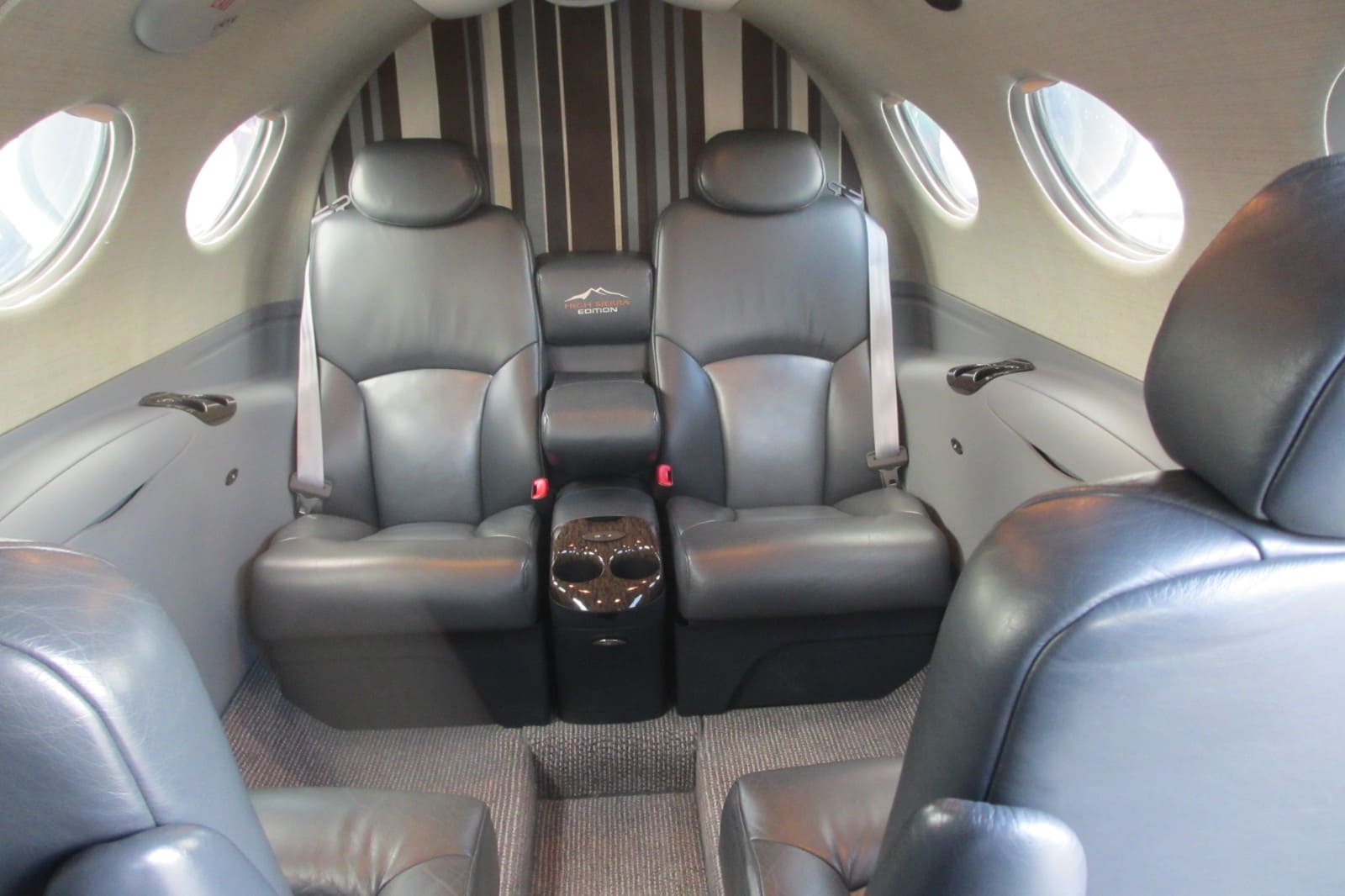
An aircraft interior refurbishment shop should request insurance for its actual work, including customer aircraft custody, removed furnishings, materials, installation responsibilities and completed work. A workshop property policy does not independently establish protection for a customer’s airplane, and an aviation liability limit does not explain how the shop’s own equipment is insured. Begin with a clear description of the business and the agreements it signs.
At BWI, provide the services performed, aircraft handled and the division of responsibility with mechanics, repair stations and outside specialists. A business sewing removable covers presents a different operation from one accepting entire aircraft for a cabin project. This guide addresses the shop’s insurance planning. It does not determine maintenance authority, approve materials, establish installation compliance or provide technical refurbishment instructions.
The useful distinction is between an interior business and a general repair shop inventory. Follow the interior project from customer selections and incoming furnishings through fabrication, outside work, installation by the responsible party and final delivery. Record where your shop accepts responsibility and where another qualified business takes over. That sequence makes the insurance inquiry specific to the upholstery and cabin work actually sold.
Describe what the shop actually does
List the actual interior services: recovering existing seats, fabricating cushions or covers, supplying carpet or trim, refinishing cabinetry, producing new furnishings or coordinating an entire cabin project. Distinguish these services in the estimate. Supplying a removable cover differs from altering a seat assembly or accepting installation responsibility. Qualified aviation personnel determine the technical category and authority; the insurance application should faithfully describe the work their assessment identifies.
Describe the aircraft types and customer relationships involved. A shop may work for individual owners, aircraft managers, maintenance businesses or another interior supplier. Identify which party signs the order and what it purchases. Do not infer that a subcontract avoids all responsibility for a finished product. Supply the actual terms, including any obligations passed down from the prime contractor’s agreement with the aircraft owner.
Name the party responsible for removal, installation and any technical release. If your shop only receives furnishings removed by another maintenance business, retain that work boundary in the agreement. If your employees also remove panels or perform work aboard the aircraft, disclose that service. A job described as upholstery should not silently include a different technical undertaking merely because the customer expects the shop to coordinate the entire refurbishment.
Map aircraft custody through the project
Identify when the business receives the customer’s property and when its responsibility is intended to end under the agreement. Custody may involve a whole airplane, detached seats or a shipment of small components. Explain the actual arrangement rather than assuming possession begins only when paid work starts. A customer may deliver an aircraft early, or completed property may remain on site awaiting collection.
For whole aircraft projects, describe where the airplane will be kept and which party controls movement and access. If another maintenance business supplies hangar space, provide the relationship and relevant contract. The interior shop’s premises, the aircraft’s location and the legal custodian may not be the same. Ask how those facts should be reflected in the insurance submission and what changes require further review.
For a component-only project, connect the received seats or trim with the customer, aircraft reference, work order and available identifiers. Explain whether the customer delivers a complete assembly or selected pieces. Photographs can document visible condition and separate sets without establishing technical serviceability. Where an item has no readable identifier, retain a precise description and the limitation; do not invent a serial number to make the register appear complete.
Separate customer property from business property
Prepare distinct inventories for the shop’s tools, machines, materials and customer property. Employee owned tools, leased equipment and furnishings supplied by a client should be identified as such. Ask how each category is addressed under the applicable contracts. One estimate of everything inside the building can conceal differences in ownership and responsibility that become important when protection is being arranged or a loss is reported.
Describe materials and work in progress using the customer agreement. A roll of shop-owned fabric, customer-supplied leather and a partially completed seat can involve different ownership and values on the same day. Explain when, if at all, an accepted deposit changes title under the agreement, using appropriate legal advice. The amount invoiced for a complete cabin is not automatically the property value of every unfinished item held in the workshop.
Also explain any storage away from the main workshop. A rented unit, home workspace, subcontractor’s premises and airport hangar may each hold different property during the same project. Supply locations and the activities at each rather than assuming the main address describes the whole operation. Ask whether the proposed insurance requires scheduled locations, specific property descriptions or other changes before using an additional space.
Compare the project responsibilities and insurance questions
The comparison below is a submission aid for an interior business. It connects recurring work stages with the information needed for review, without declaring any category covered. Use it alongside the complete customer contract, equipment inventory and service description. A shop that performs only one part of a project should identify that boundary clearly instead of accepting a whole aircraft description that overstates its role.
Provide a representative interior estimate with fabrication, supplied materials, outside finishing, installation and project coordination shown distinctly. Record any customer choices still pending. A later selection of a different covering, new cabinetry or an additional seat set changes more than the invoice total. The reviewer needs to know which property and service changed, who approved it and whether the previously submitted operation still describes the accepted work.
If a customer requests specific limits or endorsement wording, submit the requirement before representing that it can be met. Review the final contract version against the insurance proposal and issued documents. A certificate can evidence the protection described on it, but should not be used to imply acceptance of every contract obligation or technical task. Keep the agreement and relevant insurance evidence together for future reference.
| Project stage | Responsibility to identify |
|---|---|
| Order | Customer legal entity agreed service and promises |
| Receipt | Whole aircraft or components custody and condition |
| Fabrication | Materials ownership work scope and supplied product |
| Outside work | Specialist transport location and responsibility |
| Completion | Installation roles technical records and customer handoff |
| After delivery | Products completed work records and continuing custody |
Review products and completed work separately
A claim may arise after furnishings leave the workshop or after an aircraft is returned to the customer. Explain which products the shop supplies and which installation or service responsibilities it accepts. Ask how the actual program addresses completed operations and product allegations associated with those tasks. Do not assume customer property protection during custody answers every later allegation about the work or supplied item.
Explain whether the shop fabricates unique furnishings for a named aircraft, produces repeat items for other installers or sells materials without installation. Identify who specifies the intended application and who accepts the finished product. A business that begins distributing its own branded interior kits has changed its role from working on a customer’s existing furnishings. Describe that development explicitly rather than listing it only as increased annual sales.
If a business changes owners, stops a service or closes, ask about continuity for relevant past work under the actual program. Do not infer a universal coverage trigger or assume the end of new projects ends every possible allegation. Qualified insurance and legal advisers should evaluate the specific history and policy terms. Preserve the records needed to identify who supplied the item and what responsibilities were accepted.
Identify design advice and approval responsibilities
Interior selections can extend from colors and appearance to advice about layout, components or the suitability of a material. Explain which decisions the shop makes and which are supplied by another qualified party. A customer-approved sample documents a commercial selection; it does not independently establish technical eligibility for an aircraft application. Keep the design undertaking, customer approval and required technical evidence attributable to their respective authors.
If a demand concerns design advice, identify the actual undertaking, its author and the agreement before drawing an insurance conclusion. Aviation products liability should not be represented as a promise to address advice, delay or a disputed design. Keep those professional obligations with appropriate advisers; this article does not establish a separate BWI professional service placement. The shop must distinguish its technical and commercial responsibilities from the protection actually offered in its aviation proposal.
FAA repair station resources are a starting point for locating information about certificated organizations, not a determination that every interior business has the same approval obligations. Qualified aviation professionals must establish what applies to the specific tasks and materials. Keep evidence of technical approval separate from insurance evidence. Neither a policy nor a certificate establishes that a particular design or installation is authorized or suitable for an aircraft.
Follow property sent to outside specialists
A project may send seats, trim, hardware or other items to a subcontractor. Record the property, owner, destination and purpose of the work. Identify which company selects and hires the specialist and who arranges transport. If the customer contracts directly with that business, explain the relationship accurately rather than listing the specialist as your subcontractor merely because both companies work on the same aircraft.
Supply the agreements governing responsibility during shipment and custody. Ask how the proposed insurance treats the specific arrangement, including property that the shop does not own. A shipping declaration, subcontractor’s certificate and your own policy have different functions. None should be assumed to settle every damage obligation without examining the actual wording and facts relevant to that stage of the project.
Keep changes in destination or work scope visible. If a specialist forwards property to another facility, the original submission may no longer describe its location and custody accurately. Establish who can authorize changes under the contract and route meaningful insurance questions to the responsible contact. A documented movement history helps the business identify the actual situation if a component is later reported missing or damaged.
Include premises employees and customer visits
Describe the workshop itself and any airport premises the business occupies. Identify the lease, activities performed and property kept there. A landlord’s insurance requirement may address only part of the business’s needs. Provide the signed or proposed lease for review and separate protection for the shop’s own property, customer aircraft interests and allegations involving the premises or operations.
Explain the workforce arrangement. Employees, independent contractors and personnel supplied by another business may have different roles and obligations. Ask qualified advisers about workers compensation and the other protection appropriate to the actual relationships and locations. Do not assume that an aviation liability limit replaces employee protection or that labeling a person a contractor determines their status for every relevant purpose.
Include customer access and work performed at another party’s hangar. If staff travel to aircraft, carry tools or use a business vehicle, describe those activities and request review of the relevant coverage. This guide does not prescribe workplace controls or technical practices. The insurance submission should nevertheless reflect where people actually work, what they do and whose property they handle during the ordinary course of the business.
Consider project delays and promises to customers
Review delivery dates, penalties, refund terms and obligations to pay for substitute arrangements. A project delay can have commercial consequences without necessarily producing an insured loss. Ask how the actual program addresses the concerns the shop wants protected, and identify promises that remain business obligations. Do not treat aircraft liability or property damage protection as an unlimited guarantee that every customer schedule will be met.
Read warranties carefully, including statements in estimates and advertising. A broad promise made by a salesperson can differ from the limited terms attached to an invoice. Have qualified advisers reconcile the business’s commitments and supply the accepted wording for insurance review. The aim is to avoid evaluating one contract while the customer reasonably understands that another promise was made during the sale.
If a dispute develops, retain the relevant communications and follow applicable reporting requirements. A complaint about appearance may evolve into a demand alleging damage or other loss. Route communications to the responsible person promptly, without making a coverage conclusion based on the first description. Ask for appropriate guidance before agreeing to a release, admitting responsibility or promising an amount on an insurer’s behalf.
Keep customer supplied materials identifiable
For customer-supplied leather, fabric, hardware or completed furnishings, record the item, quantity, stated owner and condition at receipt. Identify who selected it and what the shop agreed to do with it. A customer’s assurance that a material is appropriate does not establish its technical eligibility or settle the shop’s contractual responsibilities. Refer those questions to qualified advisers and provide the resulting actual arrangement for insurance review.
If the shop rejects or returns supplied material, retain the correspondence explaining the decision and any resulting change to the order. Qualified aviation personnel must determine technical suitability; the insurance record should accurately reflect the work that remains proposed. Do not imply that an insurer’s acceptance approves a material or that the customer’s willingness to use it settles the shop’s technical obligations.
Also identify whether unused material will be returned, stored for a future project or disposed of under the agreement. A completed invoice does not necessarily mean all customer property has left the premises. Ask about continuing custody where relevant and update the property record when collection occurs. This small administrative distinction helps the business describe what remains in its possession after the main aircraft work is finished.
A fictional aircraft interior shop review
Consider a fictional upholstery business that receives detached seats from a maintenance company. It now proposes a full-cabin project with the owner supplying leather, another business refinishing cabinetry and the upholstery shop renting space to hold the whole airplane. The submission identifies those changes individually. It does not describe the expanded custody and coordination role as another routine seat recovering job merely because the sewing equipment remains the same.
The review also identifies a shipment to a specialist and an agreement requiring the shop to replace customer parts at a stated value. Those facts are supplied separately from the value of the business’s sewing equipment. The owner asks about products and completed work, premises, customer property and advisory responsibilities. No one assumes that the landlord’s certificate requirements describe every kind of protection the expanded business needs.
The business decides whether to proceed after comparing the accepted operation with available insurance and its other obligations. This is a fictional planning illustration, not a BWI customer result or assurance that a particular program can be placed. It shows why a change from working on detached items to managing whole aircraft projects deserves a full business description and coordinated review.
Questions aircraft interior shops ask
Does general business contents insurance cover customer aircraft seats
Do not assume that result from a contents total. Identify the property, ownership, location and custody agreement, then ask how the actual wording applies. Customer aviation property may require a different description from the shop’s own machines or stock. Provide the replacement obligations you have accepted and any value information requested for a meaningful review.
Is hangarkeepers insurance the whole program for an interior shop
It should not be treated as a complete answer without examining the business. Ask about customer aircraft custody alongside products and completed work, premises, business property and any other activities actually performed. The relevant policies and terms depend on the operation. A named coverage category does not establish protection for every tool, component, professional promise or employee relationship.
Must the shop hold a particular aviation approval
That depends on the actual work and applicable requirements, which qualified aviation advisers and the relevant authorities must establish. This guide makes no licensing determination. Give the insurance reviewer accurate information about who performs technical tasks and the approvals actually held. An insurance proposal cannot authorize maintenance, approve materials or replace the technical documentation appropriate to the work.
What should change when the shop starts taking whole aircraft
Describe the custody, location, movement responsibilities, aircraft values and services added. Include any new lease, customer contract, workforce arrangement or subcontracted activity. Ask which changes the proposed protection requires before accepting the first airplane. The prior insurance description for receiving detached components should not be assumed to encompass a different business arrangement without specific review.
Request an interior shop insurance review from BWI
Request a commercial aviation insurance review and quote from BWI with the shop’s services, customer agreements, aircraft custody arrangements and property inventory. Include fabrication, installation and design roles, as applicable, along with the outside businesses involved. State whether the inquiry concerns an existing operation or an expansion so the review can follow the actual business rather than a generic maintenance label.
Ask which options may address the requested activities and what information or decisions remain outstanding. Keep the accepted business description, issued policy documents and relevant endorsements together, and revisit material changes before relying on the earlier arrangement. That preparation gives the shop a clearer insurance record while qualified technical, legal and workplace advisers address the separate requirements of running the refurbishment business.
Continue Reading


