
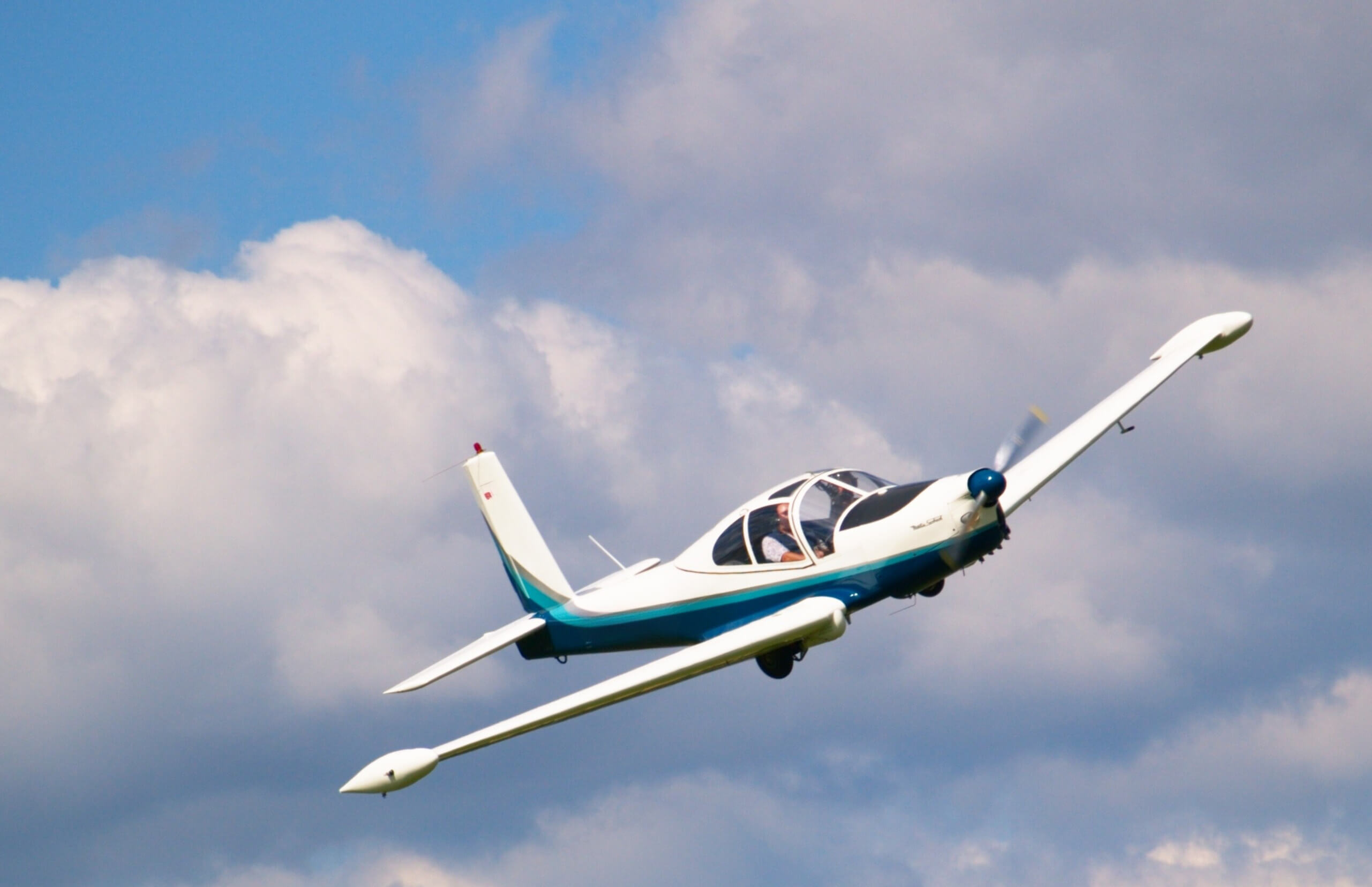
Every aircraft owner eventually asks the same question: how much does airplane insurance cost?
The answer depends on dozens of factors, from your pilot experience to your hangar zip code, but one constant remains: understanding what drives your premium is the first step toward lowering it responsibly.
This guide breaks down the key variables that shape your airplane insurance cost, provides real-world pricing ranges by aircraft type, and outlines proven ways to reduce your annual premium without compromising coverage.
Get Your Airplane Insurance Quote Today>>
1. What Is Included in an Airplane Insurance Premium
When you pay for airplane insurance, you’re buying two core protections:
1. Hull coverage – insures the physical aircraft against damage or total loss.
2. Liability coverage – protects you if your aircraft injures someone or damages property.
Your annual premium is the combined price of these coverages, plus small fees for endorsements or optional protections such as hangar, non-owned, or personal-effects coverage. Policies are quoted annually and can be paid in full or financed monthly through a premium-finance company.
2. Typical Airplane Insurance Costs
Below are realistic national averages for well-qualified pilots with standard limits:
Cessna 172 / Piper Cherokee: $1,200 – $2,400
Cirrus SR22 / Beechcraft Bonanza: $2,000 – $4,800
Light Twin (Baron / Seneca): $3,000 – $7,000
Turboprop (King Air C90 / TBM 850): $6,000 – $12,000
Light Jet (Citation CJ / Phenom 100): $10,000 – $25,000+
Smooth liability means there is no passenger sub-limit, a preferred option for many owners because it offers broader protection.
3. The Factors That Determine Airplane Insurance Cost
Pilot Experience and Qualifications
Underwriters view the pilot as the single most important risk variable. More total time and more time in make / model equal lower premiums.
Aircraft Type and Value
Higher hull values obviously raise premiums, but accident history for that model matters too.
Use of Aircraft
Personal pleasure flying is cheapest. Business, rental, or flight-school use adds exposure and increases cost.
Location and Storage
Aircraft based in hurricane- or hail-prone regions cost more to insure. A hangared airplane often receives a small discount compared with tied-down aircraft exposed to weather.
Claims and Violation History
One prior claim can increase premiums 10–20 %; multiple losses may restrict carrier options entirely.
Deductible
Choosing a higher deductible, say $2 500 instead of $500, can trim 5–10 % off hull premiums. Make sure you could comfortably absorb that amount in the event of minor damage.
4. How Insurance Companies Calculate Premiums
Underwriters begin with base rates for your aircraft class, then adjust for risk modifiers such as pilot experience, location, and intended use. Each factor carries a credit or debit. After all adjustments, the final premium is multiplied by the insured hull value and liability selections. Because each carrier weighs factors differently, quotes can vary widely for the same pilot and aircraft.
5. Common Add-On Costs
Beyond hull and liability, you may see line items for:
– Non-owned aircraft coverage – protects you when flying rented aircraft.
– Hangar or building coverage – insures structures and equipment on your property.
– Spare parts coverage – covers stored components.
– Loss of use – reimburses downtime after covered damage.
Each add-on slightly increases premium but can be essential for commercial or multi-aircraft operations.
6. Ways to Reduce Your Airplane Insurance Cost
1. Train consistently. Annual recurrent training, simulator courses, or FAA WINGS credits show commitment to safety and can earn double-digit discounts.
2. Build time in type. Most underwriters offer progressive reductions after every 25 – 50 hours in the same aircraft.
3. Keep a clean record. Avoiding incidents, violations, and late renewals helps maintain eligibility with top-tier carriers.
4. Choose reasonable hull value. Insure for true market value, not inflated replacement cost.
5. Work with a specialized aviation broker. Brokers understand which carriers favor your aircraft and pilot profile.
6. Bundle and finance wisely. If you own multiple aircraft or a hangar, combining policies can earn multi-policy credits.
7. Market Trends Affecting Airplane Insurance Cost
After several years of hard-market increases between 2019 and 2023, the aviation insurance market began to stabilize in 2024.
8. Example Premium Scenarios
Scenario 1: Private Pilot, Cessna 182 – 800 total hours, 50 in type, IFR current, no claims, Hull $180 K, $1 M / $100 K liability – Annual premium ≈ $1 800
Scenario 2: Business Pilot, Cirrus SR22T – 1 500 hours, 300 in type, simulator training, Hull $700 K, $1 M smooth liability – Annual premium ≈ $3 800
Scenario 3: New Owner, Baron 58 – 500 hours, 10 in type, Hull $650 K, $1 M smooth – Annual premium ≈ $6 500
9. Why the Lowest Premium Isn’t Always the Best
Saving money feels good, but cutting coverage can cost far more in the long run.
10. The Broker’s Role in Controlling Cost
BWI Aviation Insurance compares rates from every major underwriter, Global Aerospace, Old Republic, Starr, USAIG, and others, to ensure you receive the best combination of price and coverage.
11. Frequently Asked Questions
– How are premiums billed? Annual or financed monthly.
– Do older aircraft cost more to insure? Not always.
– Does installing new avionics lower cost? Sometimes.
– Will switching brokers save money? It can.
12. Why BWI Aviation Insurance
Since 1977, BWI Aviation Insurance has helped pilots and aircraft owners nationwide secure the best protection at competitive prices. Our team represents every major aviation underwriter, giving customers access to the entire marketplace through a single source.
BWI by the numbers
– Nearly 50 years of aviation-only experience
– Over 10 000 aircraft insured nationwide
– 800 + five-star reviews from pilots and operators
– Same-day quotes for piston aircraft
– 24-hour claim response and dedicated account managers
Conclusion
Airplane insurance cost depends on many moving parts, but the right knowledge, and the right broker, turn those variables into opportunities for savings.
To learn exactly what your airplane insurance should cost, request a quote at www.bwifly.com or call 800-666-4359 to speak with a licensed aviation insurance professional.
BWI Aviation Insurance, protecting pilots, aircraft, and peace of mind since 1977.
Continue Reading