
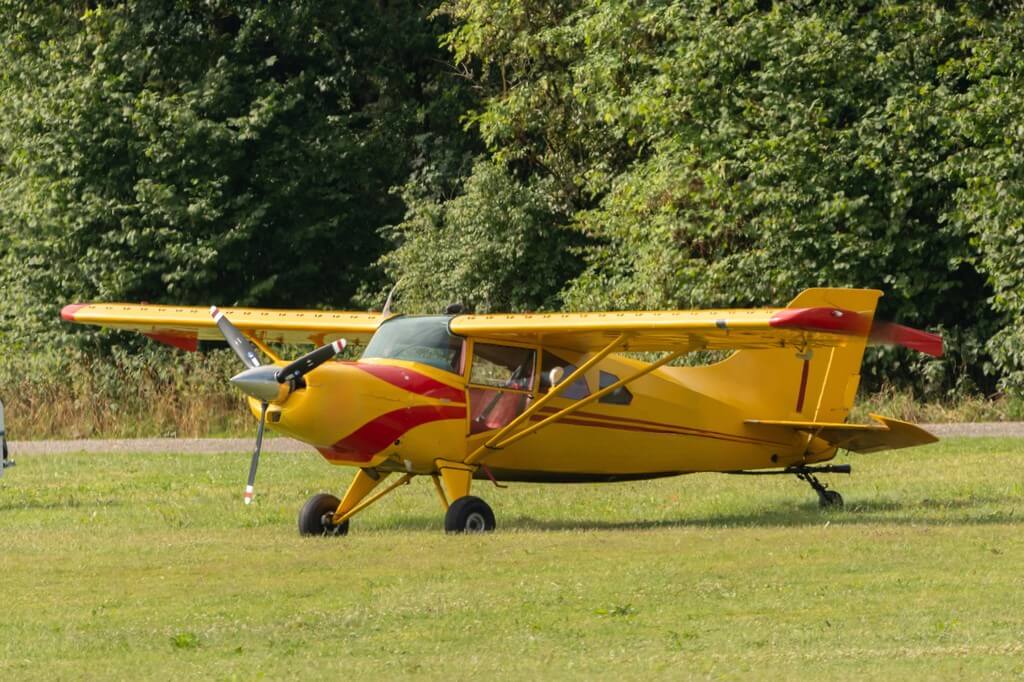
Few aircraft have earned a stronger reputation in the backcountry than the Maule.
For decades, Maule aircraft have been the airplane of choice for pilots who need real utility, short-field performance, rugged construction, and the ability to reach places that many aircraft simply cannot.
Whether you’re operating from a mountain strip in Idaho, a gravel bar in Alaska, a ranch runway in Montana, or a remote hunting camp in the Pacific Northwest, chances are you’ve seen a Maule.
And if you own one, you’ve probably wondered how insurance companies view these aircraft.
Do insurers consider backcountry flying high risk?
Does operating in Alaska increase premiums?
Are Maule aircraft difficult to insure?
The answer to all three questions is more nuanced than most owners expect.
At BWI Aviation Insurance, we’ve worked with aircraft owners throughout the United States and Alaska, including many pilots operating specialized aircraft in remote environments.
The good news is that insurance companies are not afraid of Maule aircraft.
What they care about is experience.
Understanding how underwriters evaluate backcountry and Alaska operations can help you position yourself for stronger coverage and better long-term insurance outcomes.
Why Maule Aircraft Are So Popular In The Backcountry
Maule aircraft were practically built for off-airport operations.
Pilots choose Maule aircraft because they offer:
- Excellent short-field performance
- Strong useful loads
- Tailwheel capability
- Durable construction
- Good visibility
- Competitive operating costs
Popular models include:
- M-4 series
- M-5 series
- M-6 series
- M-7 series
- M-8 series
- M-9 series
- MX-7 series
- MT-7 series
- MXT-7 series
These aircraft have become staples of the backcountry community.
Insurance companies know that.
They also know that not all backcountry operations are the same.
The Biggest Misconception About Backcountry Insurance
Many pilots assume insurance companies automatically dislike backcountry flying.
That’s not true.
Insurance companies insure thousands of aircraft operating in remote environments.
The real question is not:
“Do you fly in the backcountry?”
The real question is:
“Are you qualified to fly in the backcountry?”
That distinction is extremely important.
An experienced pilot with proper training often receives dramatically different underwriting treatment than someone attempting to learn through trial and error.
What Insurance Companies Want To Know
When underwriters see a Maule application involving backcountry operations, they typically want answers to several questions.
These may include:
- How much tailwheel time do you have?
- How much Maule time do you have?
- Have you received backcountry training?
- Do you have mountain flying experience?
- What types of strips do you use?
- How often do you operate off-airport?
Insurance companies are trying to understand the overall risk profile.
The more experience and training you can demonstrate, the more comfortable they become.
Get Your Maule Aircraft Insurance Quote With BWI Today>>
Tailwheel Experience Matters More Than Most Owners Realize
One of the biggest underwriting factors for Maule aircraft is tailwheel experience.
Insurance companies understand that tailwheel operations require additional skill.
They often review:
- Total tailwheel time
- Recent tailwheel time
- Tailwheel time in make and model
- Training history
A pilot with:
- 500 tailwheel hours
will often receive much stronger underwriting consideration than a pilot with:
- 20 tailwheel hours
even if their total flight time is similar.
Tailwheel experience creates confidence.
And confidence creates carrier competition.
Backcountry Training Can Make A Huge Difference
Formal instruction is one of the most valuable investments a Maule owner can make.
Insurance companies frequently view the following favorably:
- Backcountry flying courses
- Mountain flying instruction
- Tailwheel proficiency training
- Recurrent training programs
- Safety seminars
Why?
Because training reduces uncertainty.
Insurance companies know that pilots who actively invest in education generally make better operational decisions.
That often translates into fewer claims.
Mountain Flying Experience Carries Significant Weight
Many Maule owners operate in mountainous terrain.
Insurance companies understand that mountain flying presents unique challenges.
Common concerns include:
- Density altitude
- Wind conditions
- Terrain management
- Escape route planning
- Weather decision-making
Underwriters frequently ask about mountain flying experience because it helps them understand whether a pilot is prepared for those challenges.
Alaska Operations Are Evaluated Differently
Alaska represents one of the most unique aviation environments in the world.
Maule aircraft are popular throughout Alaska because they offer:
- Utility
- Short-field performance
- Cargo capacity
- Backcountry capability
However, Alaska operations often involve:
- Gravel runways
- Remote strips
- Mountain terrain
- Limited infrastructure
- Weather variability
Insurance companies know this.
As a result, they often evaluate Alaska operations separately from similar operations in the Lower 48.
Alaska Experience Matters
One of the most important underwriting factors in Alaska is Alaska experience itself.
Insurance companies frequently review:
- Alaska flight time
- Recent Alaska activity
- Aircraft-specific Alaska experience
- Float experience if applicable
- Mountain experience
A pilot with meaningful Alaska operating experience often receives stronger underwriting consideration than someone flying in Alaska for the first time.
Aircraft Value Continues To Influence Premiums
Like every aircraft category, hull value remains important.
Today’s Maule market includes aircraft ranging from relatively modest values to highly upgraded backcountry machines worth several hundred thousand dollars.
Factors affecting value include:
- Avionics upgrades
- Engine upgrades
- STOL modifications
- Interior improvements
- Paint condition
- Float installations
As aircraft value increases, insurance company exposure increases.
And as exposure increases, premiums often increase as well.
Claims History Still Matters
Nothing consistently influences insurance pricing more than claims history.
Insurance companies carefully review:
- Previous claims
- Claim frequency
- Claim severity
- Recency of losses
Pilots with clean records often receive:
- Better pricing
- More carrier options
- Greater underwriting flexibility
This remains true whether the aircraft operates from a paved airport or a remote gravel bar.
What The Strongest Backcountry Risks Have In Common
After reviewing thousands of utility aircraft policies, certain patterns consistently emerge.
The strongest Maule insurance risks often have:
- Significant tailwheel experience
- Time in make and model
- Backcountry training
- Mountain flying experience
- Recent flight activity
- Clean claims histories
- Strong decision-making habits
These characteristics create confidence among underwriters.
And confidence often leads to better insurance outcomes.
Common Mistakes Backcountry Pilots Make
Some of the most common underwriting concerns include:
- Minimal tailwheel experience
- No formal backcountry training
- Limited recent flight activity
- Transitioning into a Maule too quickly
- Overestimating personal proficiency
- Poor documentation of experience
Most of these issues can be addressed with proper planning and training.
Why Today’s Market Is Favorable
The good news is that insurance companies continue to compete for qualified owner-flown aircraft.
Experienced Maule owners remain attractive risks.
Pilots who combine:
- Experience
- Training
- Clean records
- Well-defined missions
often find today’s market considerably more favorable than it was several years ago.
Why Maule Owners Trust BWI
BWI Aviation Insurance helps aircraft owners throughout the country secure coverage for specialized aircraft.
Whether you operate from a paved airport in Texas, a mountain strip in Idaho, or a gravel bar in Alaska, our team understands the underwriting factors that influence pricing and carrier appetite.
We work with leading aviation insurance companies and help owners compare options based on their aircraft, experience level, and operational profile.
Final Thoughts
Insurance companies are not afraid of Maule aircraft.
They’re not afraid of Alaska.
And they’re not afraid of backcountry flying.
What they want is confidence that the pilot has the experience, training, and judgment necessary to operate safely in those environments.
For Maule owners, that means the best insurance strategy is simple:
Build experience.
Invest in training.
Document your qualifications.
Fly regularly.
Manage risk carefully.
Do those things consistently, and you’ll not only become a stronger insurance risk—you’ll become a better pilot as well.
And in the backcountry, that’s worth far more than a lower premium.
bwifly.com / 800-666-4359
Continue Reading