
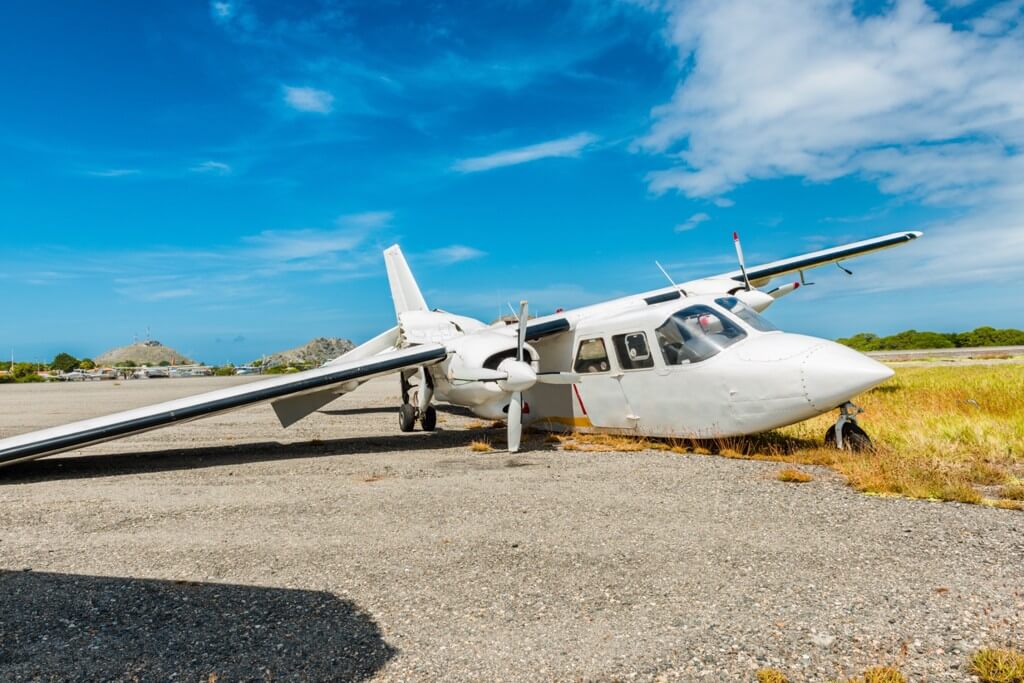
An aircraft insurance claim is the moment where everything becomes real.
Up until that point, insurance is theoretical. It is a document, a premium, a renewal conversation, a checklist item before you fly. But the moment an incident happens, the policy is no longer abstract. It becomes a financial protection system that either works exactly as intended or begins to expose gaps that were never obvious before.
In 2026, aircraft insurance claims are more complex, more expensive, and more heavily scrutinized than at any time in the past decade. Aircraft values remain elevated, maintenance costs are higher, parts availability can delay repairs, and liability exposure continues to increase. Insurers are disciplined, adjusters are thorough, and documentation is everything.
Most aircraft owners do not fully understand how a claim actually unfolds until they are in the middle of one. That is a mistake.
If you understand the aircraft insurance claims process before anything happens, you dramatically improve your outcome when something eventually does.
If you want to understand how your policy is structured before diving into claims, start here:
https://bwifly.com/aircraft-insurance/
The Moment a Claim Begins
An aircraft insurance claim does not begin when paperwork is filed. It begins the moment an incident occurs.
That incident does not have to be dramatic. It can be something as simple as a hard landing that feels slightly off, a propeller strike during taxi, or a wingtip contacting a hangar door. It can be a weather-related event like hail damage or a tie-down failure. It can be a passenger injury that initially seems minor but later develops into a claim.
One of the biggest misconceptions in aviation is that only major accidents create insurance claims. In reality, a significant percentage of claims originate from relatively small events that escalate into expensive repairs or liability exposure.
The first priority is always safety. Once everyone is safe, the second priority is controlling the situation in a way that protects both the aircraft and the integrity of the claim.
What You Do Immediately After the Incident Matter
The way an incident is handled in the first few hours has a direct impact on how the claim proceeds.
After ensuring safety, the aircraft should be secured to prevent further damage. If the aircraft can be moved safely, it should be protected from weather or additional exposure. If it cannot be moved, it should be stabilized.
Documentation should be preserved immediately. Logbooks, maintenance records, and pilot information should remain intact and accessible. Nothing should be altered, reconstructed, or “cleaned up.”
Equally important is communication. Many pilots unintentionally complicate claims by speculating about the cause of the incident in casual conversations. Statements made informally can later conflict with formal reporting.
Accuracy matters. Consistency matters. The claim will ultimately be evaluated based on facts, not assumptions.
Reporting the Claim
The next step is reporting the claim, and this is where many aircraft owners either simplify or complicate the process.
Most claims are reported through the aviation insurance broker. The broker then communicates with the insurance carrier and begins the formal process.
The initial report typically includes the basic facts: what happened, when it happened, where it happened, who was operating the aircraft, and what damage is visible.
This stage is not about providing a perfect narrative. It is about providing a clear and accurate starting point.
Delaying claim reporting can create unnecessary complications. If additional damage occurs after the incident, or if third parties become involved later, the timing of the report may be questioned.
Prompt reporting protects the integrity of the claim.
The Role of the Adjuster
Once the claim is opened, the insurance company assigns an aviation adjuster.
This is not a general insurance adjuster. Aviation claims require specialized knowledge of aircraft systems, maintenance standards, and regulatory requirements. The adjuster is responsible for investigating the incident, evaluating coverage, and coordinating the resolution.
The adjuster represents the insurance company.
Your broker represents you.
That distinction becomes important if there are questions about coverage or interpretation.
The adjuster will gather information, coordinate inspections, and begin determining whether the policy applies exactly as written.
Coverage Is Always Reviewed First
Before any repair is approved or any payment is made, the adjuster evaluates coverage.
This is where the structure of the policy becomes critical.
The adjuster will review whether the pilot met all policy requirements at the time of the incident. They will verify that the aircraft was being used in accordance with the declared use classification. They will examine endorsements, exclusions, and maintenance compliance.
If anything in the policy does not align with what actually occurred, the claim becomes more complicated.
This is why the way the policy is built matters far more than most aircraft owners realize.
Evaluating the Aircraft: Repair or Total Loss
If the claim involves physical damage, the next phase is determining whether the aircraft can be repaired.
The adjuster will coordinate inspection, often with an approved maintenance facility. Estimates are gathered, structural integrity is evaluated, and repair feasibility is assessed.
A partial loss means the aircraft can be repaired within acceptable cost parameters. A total loss means repair costs exceed the threshold where it makes economic sense to rebuild the aircraft.
If the aircraft is insured on an agreed value basis, a total loss results in payment of that agreed value. This is where accurate hull valuation becomes critical.
Underinsuring the aircraft to save premium becomes very expensive in a total loss scenario.
Liability Claims Are a Different Category Entirely
If the incident involves injury or damage to third-party property, the claim expands into liability.
This is where complexity increases significantly.
Liability claims may involve passengers, people on the ground, or property owners. Investigations may include witness statements, reports from authorities, and legal review.
Legal defense costs are typically included within the liability limit, which means the cost of defending the claim reduces the amount available for settlement.
In 2026, liability claims are often the most financially significant part of an aircraft insurance claim.
Maintenance Records Become Critical
During a claim, maintenance documentation is reviewed closely.
The adjuster will look at inspection history, airworthiness directive compliance, and recent maintenance activity. Gaps in documentation do not automatically void coverage, but they introduce questions that can delay resolution.
Organized maintenance records speed up claims. Poor documentation slows them down.
For maintenance-related exposure:
https://bwifly.com/commercial-aviation-insurance/aircraft-maintenance/
Settlement and Resolution
Once coverage is confirmed and damage is assessed, the claim moves toward resolution.
For hull claims, this may involve repair authorization or total loss payment. For liability claims, it may involve negotiation, settlement discussions, or litigation.
Simple claims may resolve quickly. Complex claims may take months or longer.
The process is structured, but not always fast.
What Causes Claims to Go Wrong
Most claim problems are not caused by the incident itself. They are caused by what happened before the incident.
Common issues include:
Incorrect use classification
Unauthorized pilots
Outdated hull values
Incomplete maintenance records
Delayed reporting
Inconsistent statements
These problems are preventable.
The Claim Begins Before the Accident
The most important truth about aircraft insurance claims is this:
The claim process begins when the policy is written.
If the policy is structured correctly, with accurate information and proper coverage, the claim process is usually straightforward.
If the policy has gaps, those gaps appear during the claim.
Preparation determines outcome.
The Bottom Line
An aircraft insurance claim is not just an administrative process. It is a financial event.
In 2026, claims are structured, detailed, and evidence-driven. The strength of your policy determines how well you are protected when something goes wrong.
If you want to ensure your coverage holds up when it matters most, review your structure here:
https://bwifly.com/aircraft-insurance/
Because in aviation, the claim is not the time to discover weaknesses.
bwifly.com / 800-666-4359
Continue Reading