
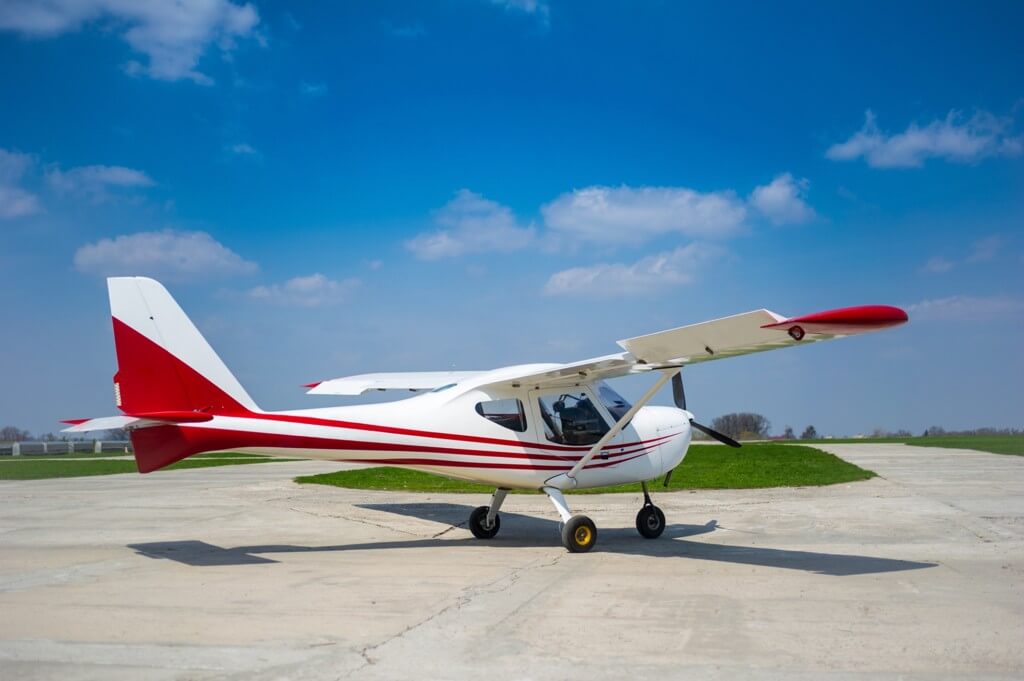
Aircraft insurance cost is one of the first things pilots and aircraft owners want to understand.
It is also one of the most misunderstood.
In 2026, aircraft insurance pricing varies widely depending on the aircraft, the pilot, and how the aircraft is used. Two similar aircraft can have completely different premiums based on how risk is evaluated.
The goal is not just to understand cost.
The goal is to understand what drives it, and how to structure coverage correctly.
If you want a general overview of aircraft insurance before focusing specifically on pricing, start here:
https://bwifly.com/aircraft-insurance/
How Much Does Aircraft Insurance Cost in 2026?
Aircraft insurance cost depends on multiple variables, but realistic ranges can help set expectations.
Piston Aircraft (Single Engine)
For aircraft such as a Cessna 172, Piper Archer, or similar:
- Lower-end: $1,200 – $2,500 per year
- Mid-range: $2,500 – $5,000 per year
- Higher-risk scenarios: $5,000+ per year
Pricing depends heavily on pilot experience, hull value, and usage.
High-Performance Piston Aircraft
For aircraft such as a Cirrus SR22:
- Typical range: $3,000 – $10,000+ per year
Higher hull value, performance, and pilot requirements increase pricing.
Turboprops
For aircraft such as a King Air or Pilatus PC-12:
- Typical range: $6,000 – $15,000+ per year
For deeper turbine-specific considerations, see:
https://bwifly.com/aircraft-insurance/
Light Jets
For aircraft such as a Citation or Phenom:
- Typical range: $10,000 – $30,000+ per year
Pilot experience, crew structure, and liability limits heavily influence cost.
Non-Owned Aircraft Insurance (Renters)
For pilots who do not own the aircraft:
- Liability-only: $150 – $400 per year
- With physical damage coverage: $300 – $1,000+ per year
For a detailed breakdown of renters coverage and cost, see:
https://bwifly.com/aviation-insurance/non-owned-aircraft-insurance/
The Biggest Factors That Affect Aircraft Insurance Cost
Understanding pricing means understanding risk.
- Aircraft Value (Hull Value)
Higher-value aircraft cost more to insure.
A $100,000 aircraft is priced very differently than a $1,000,000 aircraft.
Hull value directly impacts premium.
- Pilot Experience
Pilot profile is one of the most important pricing drivers.
Underwriters evaluate:
- total flight time
- time in make and model
- ratings
- recent experience
- training
Low-time pilots or pilots transitioning into new aircraft typically pay more.
- Aircraft Use
How you use the aircraft affects cost.
- personal use → lower cost
- business use → higher cost
- instruction or rental → significantly higher cost
Misclassifying use can create pricing issues and coverage problems.
- Liability Limits
Higher liability limits increase premium, but often less than expected.
The difference between $1M and $2M liability is usually modest relative to the added protection.
- Storage and Location
Hangared aircraft typically cost less to insure than aircraft tied down outdoors.
Geographic factors also matter:
- weather exposure
- airport congestion
- regional claim trends
- Claims History
Prior claims increase perceived risk.
Clean history improves pricing and underwriting options.
Why Aircraft Insurance Is Not a Commodity
Aircraft insurance pricing is not standardized.
Two quotes can differ significantly because:
- different carriers evaluate risk differently
- coverage structure varies
- underwriting appetite varies
This is why comparing quotes based only on price is a mistake.
How to Lower Aircraft Insurance Cost (Without Taking Risk)
Reducing cost should not come at the expense of coverage.
The right approach includes:
- increasing pilot experience and training
- completing transition training
- selecting appropriate deductibles
- accurately structuring aircraft use
- working with the right carrier
Trying to reduce cost by cutting coverage often creates financial exposure.
Get Your Aircraft Insurance Quote With BWI Today>>
Common Mistakes That Increase Cost
In 2026, the most common mistakes include:
- underestimating pilot requirements
- misclassifying aircraft use
- selecting incorrect hull value
- working with non-specialized agents
- comparing quotes without comparing coverage
These mistakes either increase premium or create risk.
The Difference Between Cheap and Correct Coverage
Cheap coverage is easy to find.
Correct coverage is harder.
Two policies with similar premiums may have:
- different liability structures
- different deductibles
- different exclusions
The goal is not the lowest price.
The goal is the right protection.
The Bottom Line on Aircraft Insurance Cost
Aircraft insurance cost is driven by risk, not just the aircraft.
In 2026:
- pricing reflects higher claim severity
- underwriting is more disciplined
- accurate information matters more than ever
Understanding cost is important.
Structuring coverage correctly is more important.
Why Aircraft Owners Work With BWI for Accurate Pricing
Getting the right aircraft insurance cost requires more than a quick estimate.
It requires:
- understanding underwriting behavior
- structuring coverage correctly
- comparing multiple carriers
BWI Aviation Insurance works exclusively in aviation, allowing aircraft owners and pilots to receive pricing that reflects real-world risk.
If you want to understand how aircraft insurance pricing applies to your situation:
https://bwifly.com/aircraft-insurance/
If you want aircraft insurance quotes tailored to your aircraft, pilot profile, and usage:
https://bwifly.com/aircraft-insurance/
If you want help reducing cost without sacrificing protection, contact BWI directly.
In aviation, the goal is not to pay less.
The goal is to be protected correctly.
bwifly.com / 800-666-4359
Continue Reading