
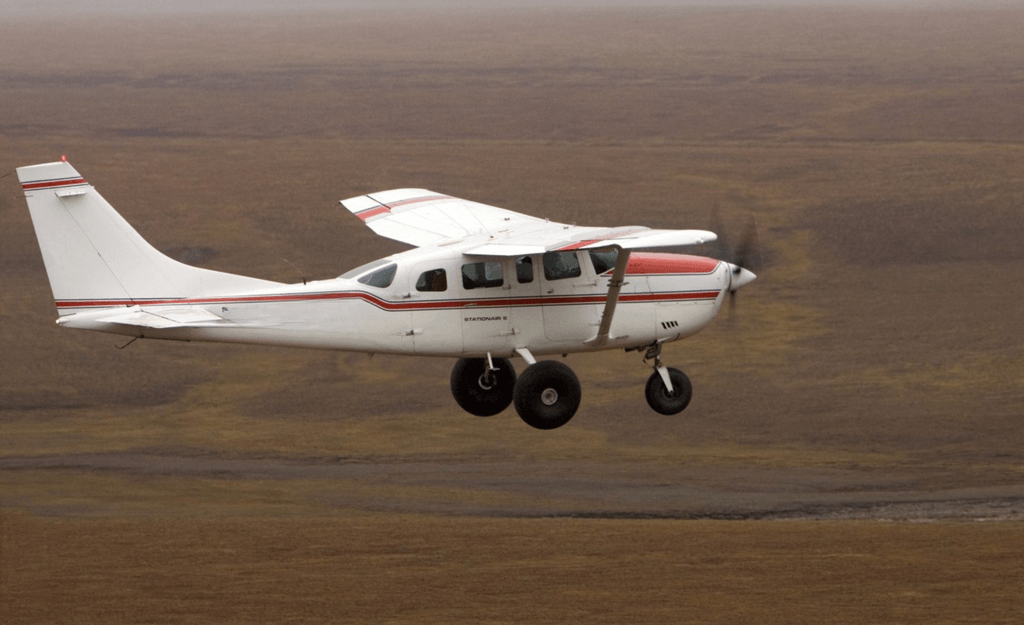
Few aircraft have earned a reputation for versatility like the Cessna 206.
Whether hauling hunters into remote Alaska strips, transporting a family on a cross-country adventure, supporting a commercial operation, or serving as a backcountry workhorse, the Cessna 206 has become one of the most respected utility aircraft ever built.
That versatility also makes the aircraft unique from an insurance perspective.
Unlike many aircraft that are used primarily for recreation, Cessna 206s often operate in demanding environments, carry heavy loads, fly into unimproved airstrips, and support missions far beyond what most general aviation aircraft experience.
As part of BWI Aviation Insurance’s Q1 2026 Premium Intelligence Report, we analyzed hundreds of Cessna insurance renewals representing more than $2.2 million in annual premium volume.
While the Cessna family as a whole remained relatively stable, the Cessna 206 segment continues to be one of the most interesting aircraft categories in aviation insurance because of the wide variety of missions these aircraft perform.
Whether you own a U206G, TU206G, T206H, U206F, T207, or another Stationair variant, understanding how insurance companies evaluate these aircraft can help you make better decisions at renewal.
Why The Cessna 206 Is Different
Most aircraft are built around a specific mission.
The Cessna 206 seems to do everything.
Owners use these aircraft for:
- Family transportation
- Business travel
- Backcountry flying
- Hunting trips
- Fishing trips
- Cargo hauling
- Photography operations
- Survey work
- Flight instruction
- Charter operations
- Alaska bush flying
Because of this, insurance companies often spend more time evaluating aircraft usage than they do with many other piston aircraft.
The same aircraft can represent dramatically different levels of risk depending on how it is operated.
The Cessna 206 Models Included In Our Analysis
Aircraft represented within our Cessna 206 mailing database include:
- U206
- U206A
- U206B
- U206C
- U206D
- U206E
- U206F
- U206G
- TU206A
- TU206B
- TU206C
- TU206D
- TU206E
- TU206F
- TU206G
- TP206A
- TP206B
- TP206C
- TP206D
- TP206E
- T206H
- T207
- T207A
These aircraft span multiple generations and operating profiles.
Some are primarily personal transportation aircraft.
Others generate revenue through commercial operations.
Some spend most of their lives on paved runways.
Others regularly operate from gravel bars, mountain strips, and remote wilderness locations.
All of these factors matter to insurance companies.
Why Aircraft Usage Matters More For A 206 Than Most Aircraft
One of the biggest underwriting differences between a Cessna 206 and a typical personal aircraft is operational exposure.
Insurance companies frequently ask:
- How is the aircraft used?
- How many hours does it fly annually?
- Does it operate off-airport?
- Does it fly in Alaska?
- Is it used commercially?
- Are passengers carried for hire?
- Does it operate from unimproved surfaces?
These questions directly influence risk.
For example, a privately owned U206G flown 75 hours annually from a paved airport may receive very different underwriting treatment than a commercial 206 flying 500 hours per year into remote backcountry locations.
The aircraft may be identical.
The mission is not.
U206 Insurance Trends
The U206 series remains one of the most common variants in operation today.
Models such as:
- U206D
- U206E
- U206F
- U206G
continue to be extremely popular among private owners.
Insurance companies generally view these aircraft favorably because of their long operational history and predictable performance characteristics.
However, insurers still focus heavily on:
- Pilot experience
- Claims history
- Aircraft value
- Recent flight activity
- Operational environment
Well-qualified pilots often enjoy strong carrier competition when renewing coverage.
Turbocharged 206 Insurance Trends
The TU206 and T206 series introduce additional performance capabilities.
Aircraft such as:
- TU206F
- TU206G
- T206H
are capable of operating effectively at higher altitudes and are frequently used for longer cross-country missions.
Insurance companies often evaluate:
- Turbocharged aircraft experience
- Mountain flying experience
- IFR proficiency
- Cross-country operations
While turbocharged aircraft can carry slightly higher premiums, pilot qualifications typically remain more important than the turbocharger itself.
An experienced pilot with a strong training background often receives favorable underwriting consideration regardless of engine configuration.
Get Your Cessna 206 Aircraft Insurance Quote With BWI Today>>
T207 Insurance Trends
The Cessna 207 occupies a unique niche.
Originally designed with additional cabin capacity, many T207 and T207A aircraft have historically been used in commercial operations and utility roles.
Because of this history, insurance companies often evaluate:
- Aircraft usage
- Passenger operations
- Commercial exposure
- Pilot qualifications
The aircraft itself is not necessarily difficult to insure.
However, the intended mission frequently influences underwriting decisions.
Alaska Cessna 206 Insurance
Few aircraft are more closely associated with Alaska than the Cessna 206.
Across the state, 206s are used for:
- Hunting transportation
- Fishing access
- Village support
- Cargo hauling
- Sightseeing
- Business travel
- Personal transportation
The aircraft’s useful load, reliability, and versatility make it one of Alaska’s most important transportation tools.
Insurance companies recognize that Alaska presents unique operating challenges.
These include:
- Remote airports
- Weather variability
- Mountain terrain
- Limited infrastructure
- Gravel runways
- Float operations
As a result, underwriters often evaluate Alaska risks differently than aircraft based in the Lower 48.
That does not mean coverage is unavailable.
It simply means insurers pay closer attention to pilot qualifications and operating experience.
Aircraft Value Continues To Rise
One of the most important insurance trends affecting 206 owners is aircraft value.
Over the past several years, many Stationair values have increased significantly.
Older aircraft that once sold for relatively modest amounts may now command substantially higher prices.
Many upgraded aircraft include:
- Garmin avionics
- Engine monitors
- Modern autopilots
- Interior upgrades
- STOL modifications
- Float equipment
These improvements increase value.
As insured values rise, premiums often increase as well because insurance companies are assuming greater exposure.
Why Pilot Experience Matters So Much
Insurance companies consistently reward experience.
For Cessna 206 owners, underwriters often focus on:
- Total flight time
- Time in make and model
- Mountain flying experience
- Tailwheel experience (if applicable)
- Float experience (if applicable)
- Alaska experience (if applicable)
- Recent flight activity
A pilot with thousands of hours in a Stationair generally represents a different risk profile than someone transitioning into the aircraft for the first time.
This is particularly important because many 206 owners use their aircraft in demanding environments.
Instrument Ratings And Recurrent Training
Many Stationairs are used as serious transportation aircraft.
Insurance companies frequently reward pilots who maintain:
- Instrument ratings
- Annual recurrent training
- Safety program participation
- Consistent flight activity
These factors demonstrate professionalism and commitment to safe operations.
Over time, they can have a meaningful impact on underwriting outcomes.
Which Insurance Companies Are Writing Cessna 206s?
Several major aviation insurance carriers remain active in the Stationair market.
Across our broader Q1 2026 review, the most active carriers included:
- Global Aerospace
- AIG
- Old Republic
- Starr
- USSIC
- IAT
- AIM
- Beacon
Each company has unique underwriting preferences.
Some may be particularly competitive for private owners.
Others may focus more heavily on commercial operators or Alaska-based aircraft.
This is one reason why comparing multiple insurance options remains important.
What We Expect For The Rest Of 2026
Based on our review of the current market, insurance conditions remain favorable for qualified Cessna 206 owners.
Competition among carriers remains healthy, and many owners continue to benefit from increased market stability compared to prior years.
While individual premiums will always depend on pilot experience, aircraft value, and operational exposure, today’s market provides opportunities for many owners to secure competitive coverage.
Why Thousands Of Aircraft Owners Trust BWI
BWI Aviation Insurance has insured thousands of Cessna aircraft throughout the United States and Alaska.
Our team understands the unique underwriting considerations associated with Stationairs, including backcountry flying, commercial operations, Alaska exposures, float operations, and high-value utility aircraft.
Whether you own a U206G, TU206G, T206H, or T207, we work with leading aviation insurance carriers to help identify the most competitive coverage available.
Final Thoughts
The Cessna 206 remains one of the most capable and versatile aircraft ever built.
Its ability to perform missions that many other aircraft simply cannot accomplish continues to make it invaluable to owners across the country.
From personal transportation to Alaska bush operations, insurance companies recognize the unique role these aircraft play in general aviation.
For owners approaching renewal, understanding how insurers evaluate aircraft usage, pilot qualifications, and operational exposure can make a meaningful difference in both coverage and cost.
Whether you’re flying a Stationair in the Lower 48 or operating deep in the Alaska backcountry, today’s insurance market offers opportunities that many owners may not have seen just a few years ago.
bwifly.com / 800-666-4359
Continue Reading